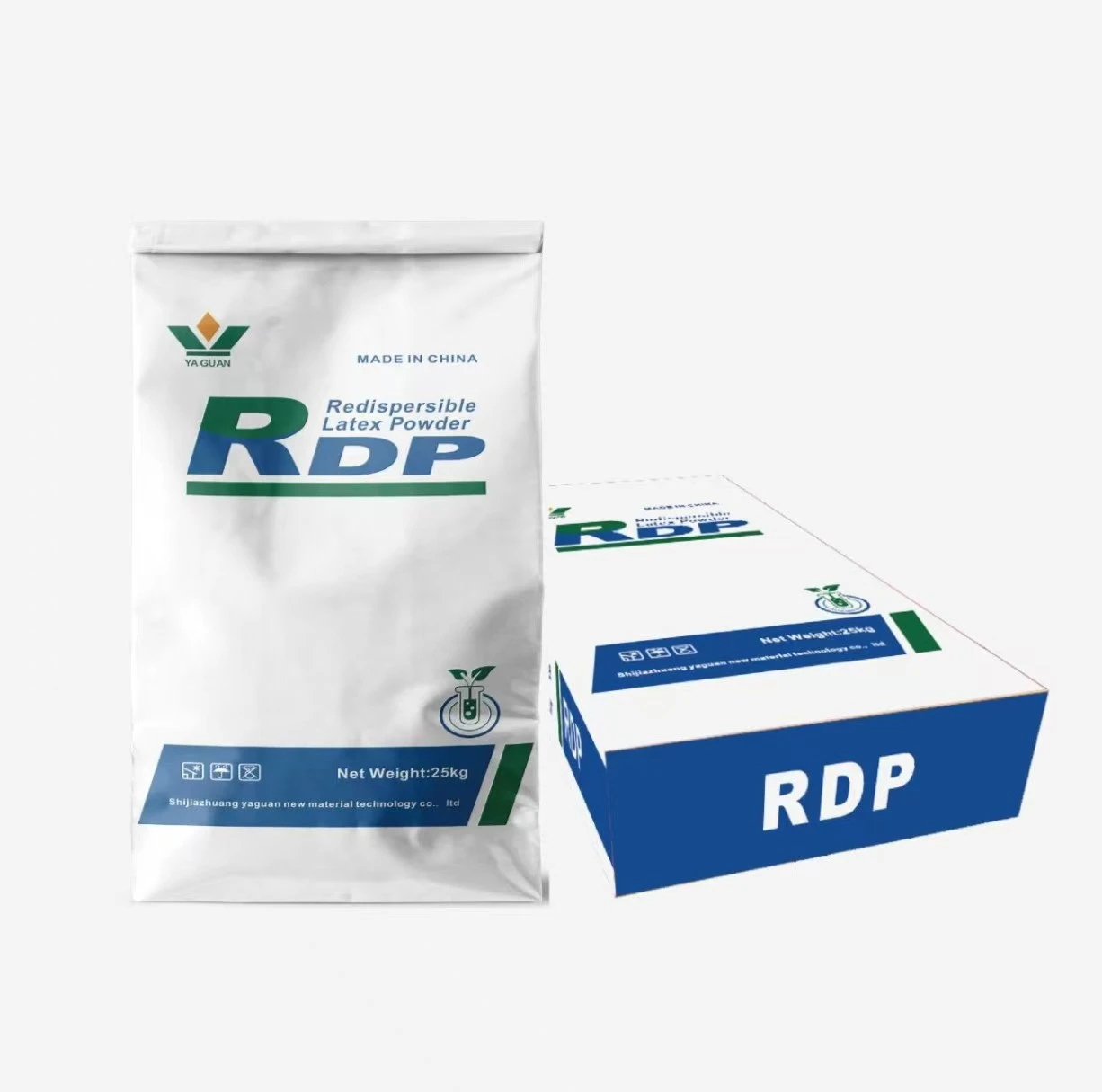

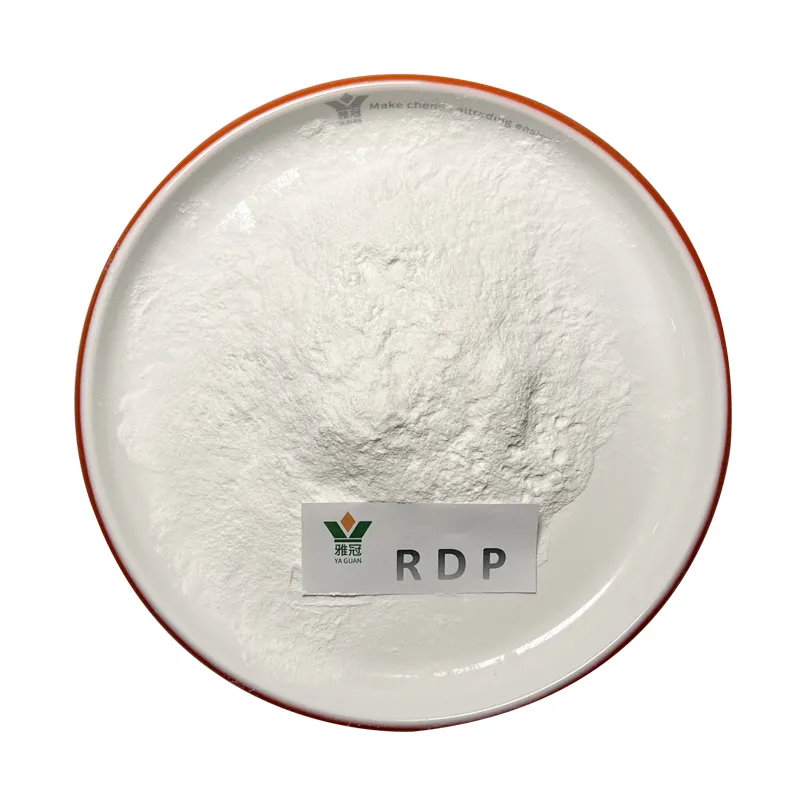
In the dynamic landscape of modern construction, advanced chemical additives are pivotal for enhancing material performance and durability. Among these, Redispersible Polymer Powder(RDP) stands out as a critical component, transforming conventional building materials into high-performance solutions. This specialized polymer binder, formulated from various emulsions such as vinyl acetate-ethylene (VAE), acrylic, and styrene-butadiene rubber (SBR), plays an indispensable role in improving the adhesion, flexibility, water resistance, and overall workability of cement-based systems. It serves as a cornerstone in a vast array of construction applications, from tile adhesives and renders to self-leveling compounds and external insulation systems, driving innovation and sustainability across the industry.
Industry Trends in Redispersible Polymer Powder(RDP)
The global market for Redispersible Polymer Powder(RDP) is experiencing robust growth, driven primarily by burgeoning urbanization, increasing infrastructure development, and a heightened focus on sustainable and high-performance building materials. Industry analysts project the RDP market size to exceed USD 2.5 billion by 2028, growing at a Compound Annual Growth Rate (CAGR) of over 6%. This expansion is fueled by several key trends:
- Sustainable Construction: Growing demand for eco-friendly building practices and materials that reduce environmental impact. RDPs contribute by enhancing the durability and longevity of structures, reducing the need for frequent repairs or replacements.
- Green Building Certifications: The proliferation of green building standards (e.g., LEED, BREEAM) encourages the adoption of high-performance additives like RDP that support energy efficiency and indoor air quality.
- Technological Advancements: Continuous innovation in polymer chemistry leads to the development of specialized RDP variants offering improved open time, sag resistance, water repellency, and low VOC (Volatile Organic Compounds) emissions.
- Emerging Economies: Rapid construction growth in Asia-Pacific, Latin America, and Africa significantly boosts RDP consumption, particularly in residential and commercial sectors.
- Pre-Mixed Mortars: Increasing preference for factory-batched dry-mix mortars, which offer superior quality control, consistency, and ease of application, directly drives demand for RDP as a key ingredient.
These trends underscore RDP's integral role in shaping the future of construction, where efficiency, durability, and environmental responsibility are paramount.
Detailed Process Flow of Redispersible Polymer Powder(RDP) Manufacturing
The production of Redispersible Polymer Powder(RDP) is a sophisticated multi-stage process, ensuring the final product exhibits precise characteristics essential for high-performance construction applications. The core principle involves converting a liquid polymer emulsion into a free-flowing powder that can be readily redispersed in water.
1. Raw Materials Selection:
The foundation of RDP quality lies in its raw materials. Key components typically include:
- Monomers: Vinyl acetate, ethylene, acrylic esters (e.g., butyl acrylate, methyl methacrylate), and styrene-butadiene are the primary building blocks, selected based on the desired polymer properties (e.g., flexibility, hardness, adhesion).
- Protective Colloids: High-quality polyvinyl alcohol (PVA) is typically used to stabilize the emulsion during polymerization and facilitate redispersibility in the final powder.
- Initiators: To start the polymerization reaction.
- Emulsifiers: To create a stable emulsion of monomers in water.
- Additives: Defoamers, pH regulators, and anti-caking agents are included to optimize the process and final product performance.
2. Emulsion Polymerization:
This is the initial stage where monomers are polymerized in an aqueous medium to form a stable polymer emulsion.
- Monomers, water, initiators, and emulsifiers are charged into a reactor.
- The mixture is heated and agitated under controlled conditions (temperature, pressure, pH) to initiate and sustain the polymerization, forming polymer particles dispersed in water.
- The protective colloid (PVA) is added to coat the polymer particles, preventing coalescence and ensuring stability.
3. Spray Drying:
The polymer emulsion is then converted into a fine powder through a spray-drying process.
- The polymer emulsion is pumped into a spray dryer, where it is atomized into fine droplets within a hot air stream.
- The hot air rapidly evaporates the water, leaving behind solid polymer particles encapsulated by the protective colloid.
- An anti-caking agent (e.g., mineral fillers like calcium carbonate or silica) is often added before or during spray drying to prevent powder agglomeration and ensure free flow.
4. Separation and Packaging:
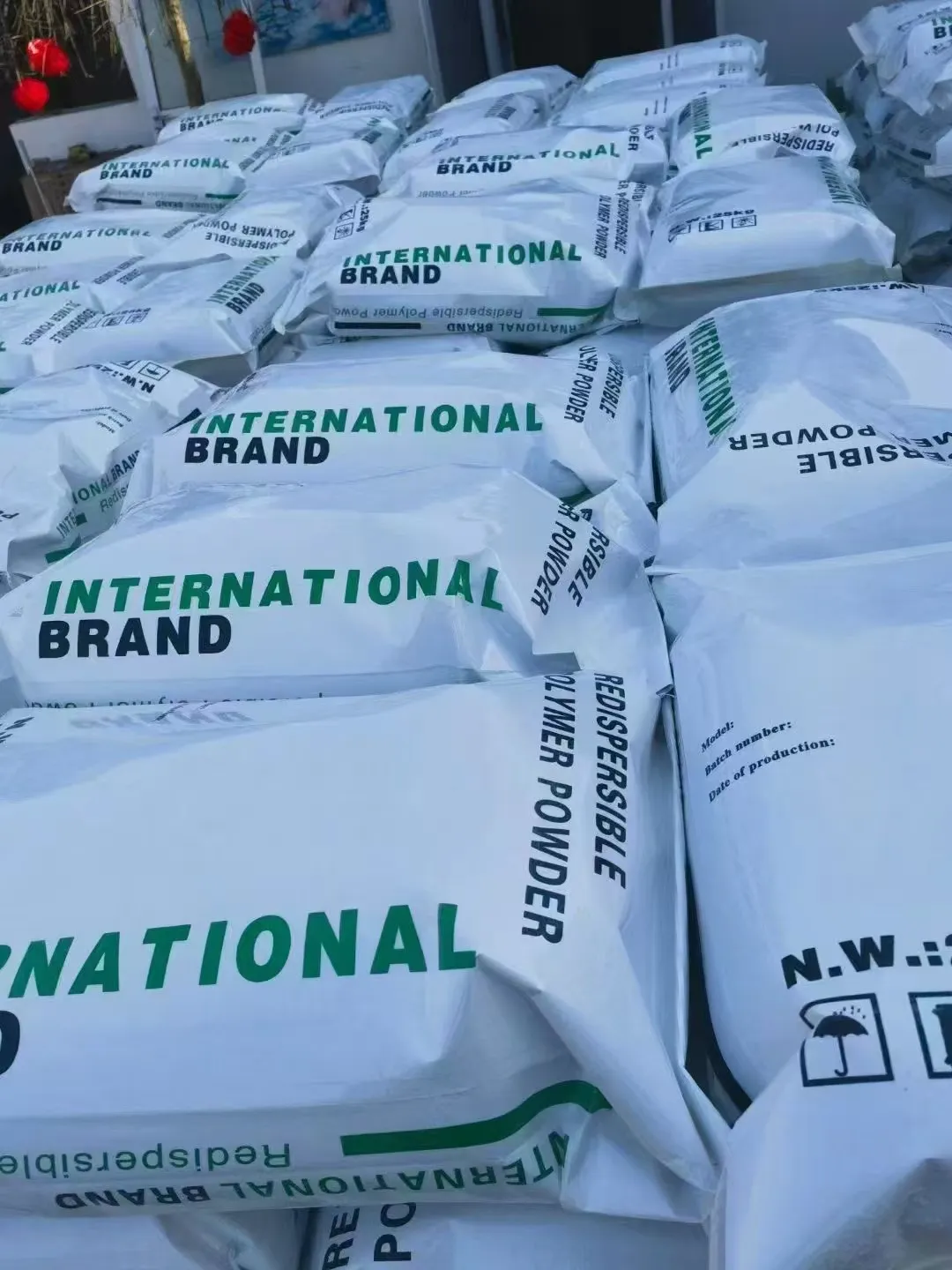
The dried powder is collected, sieved to ensure uniform particle size, and then packaged in moisture-proof bags to prevent premature redispersal or caking.
Schematic Process Steps:
Step 1
Raw Materials Selection & Preparation (Monomers, PVA)
Step 2
Emulsion Polymerization (Reactor)
Step 3
Spray Drying (Hot Air, Atomization)
Step 4
Sieving, Quality Control & Packaging
Testing Standards: Throughout the manufacturing process, strict adherence to international standards like ISO 9001 (Quality Management System) ensures product consistency. Performance testing often follows standards such as EN 1348 for tile adhesives (measuring tensile adhesion strength), ASTM C1701 for water absorption, and various internal protocols for properties like minimum film formation temperature (MFFT), ash content, and bulk density.
Target Industries & Advantages: The resulting Redispersible Polymer Powder(RDP) is crucial for industries such as construction chemicals, building materials, and infrastructure. In typical application scenarios, RDP confers significant advantages, including enhanced long-term performance and extended service life for mortars and adhesives, reducing maintenance cycles. For example, in façade insulation systems (ETICS/EIFS), RDP-modified renders provide superior impact resistance and weatherability, contributing to energy saving by maintaining thermal insulation integrity for decades. Its corrosion resistance properties are vital in repair mortars for concrete structures exposed to harsh environments, ensuring structural longevity.
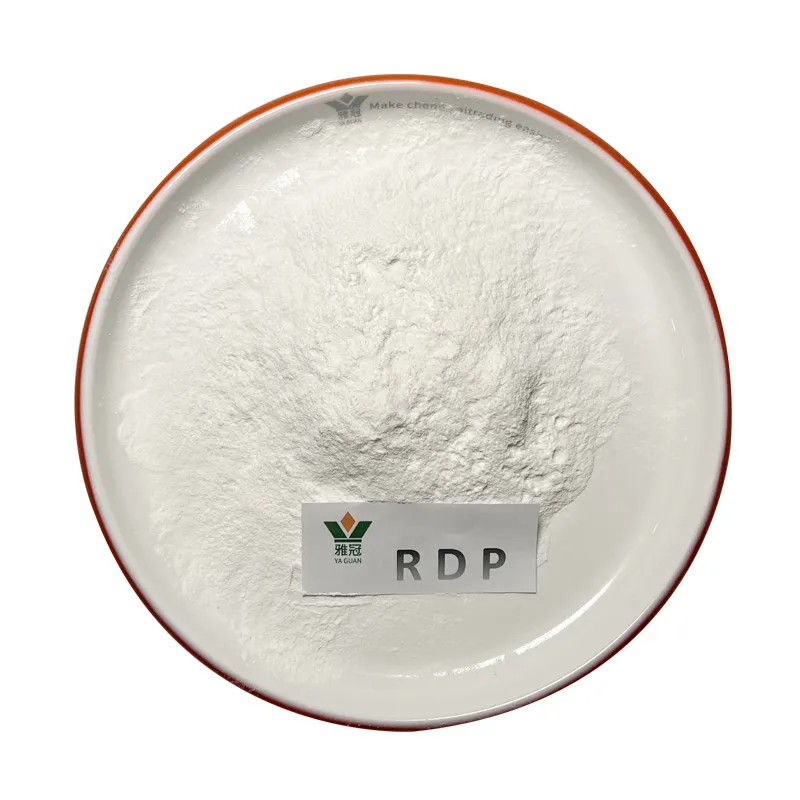
Technical Specifications & Parameters for Redispersible Polymer Powder(RDP)
Understanding the technical specifications of Redispersible Polymer Powder(RDP) is critical for formulators and engineers to select the appropriate grade for specific applications. Key parameters define the powder's physical properties and its performance in cementitious systems.
Key Performance Indicators (KPIs):
- Polymer Type: VAE (Vinyl Acetate-Ethylene) is most common, offering good adhesion and flexibility. Acrylics provide UV resistance and alkali stability, while SBR offers excellent water resistance and adhesion.
- Minimum Film Formation Temperature (MFFT): The lowest temperature at which the polymer can coalesce to form a continuous film. Lower MFFT allows application in colder climates.
- Glass Transition Temperature (Tg): Defines the temperature range at which the polymer transitions from a rigid, glassy state to a soft, rubbery state. Influences flexibility and crack bridging.
- Ash Content: Represents the inorganic filler content (anti-caking agent). Higher ash content can mean lower active polymer content.
- Bulk Density: Affects storage, handling, and formulation volume.
- pH Value: Important for compatibility with other additives in a dry-mix mortar.
- Particle Size: Affects redispersibility and homogeneity within the mortar matrix. Typically measured in micrometers.
Typical Product Specification Table:
| Parameter | Unit | Value Range (VAE RDP) | Test Method |
|---|---|---|---|
| Appearance | - | White Free-flowing Powder | Visual Inspection |
| Solid Content | % | ≥ 98.0 | EN 827 |
| Ash Content | % | 8 - 14 | DIN EN ISO 3451-1 |
| Bulk Density | g/L | 400 - 600 | DIN EN ISO 60 |
| pH Value (10% solution) | - | 7.0 - 9.0 | DIN EN 12833 |
| Minimum Film Formation Temp (MFFT) | °C | 0 to 10 | DIN 53778 |
| Glass Transition Temp (Tg) | °C | -5 to +15 | DSC |
These specifications allow B2B clients to ensure that the RDP selected is optimized for their specific product formulations, guaranteeing consistent performance and compliance with industry standards. Our products are rigorously tested against ISO standards to ensure quality and reliability.
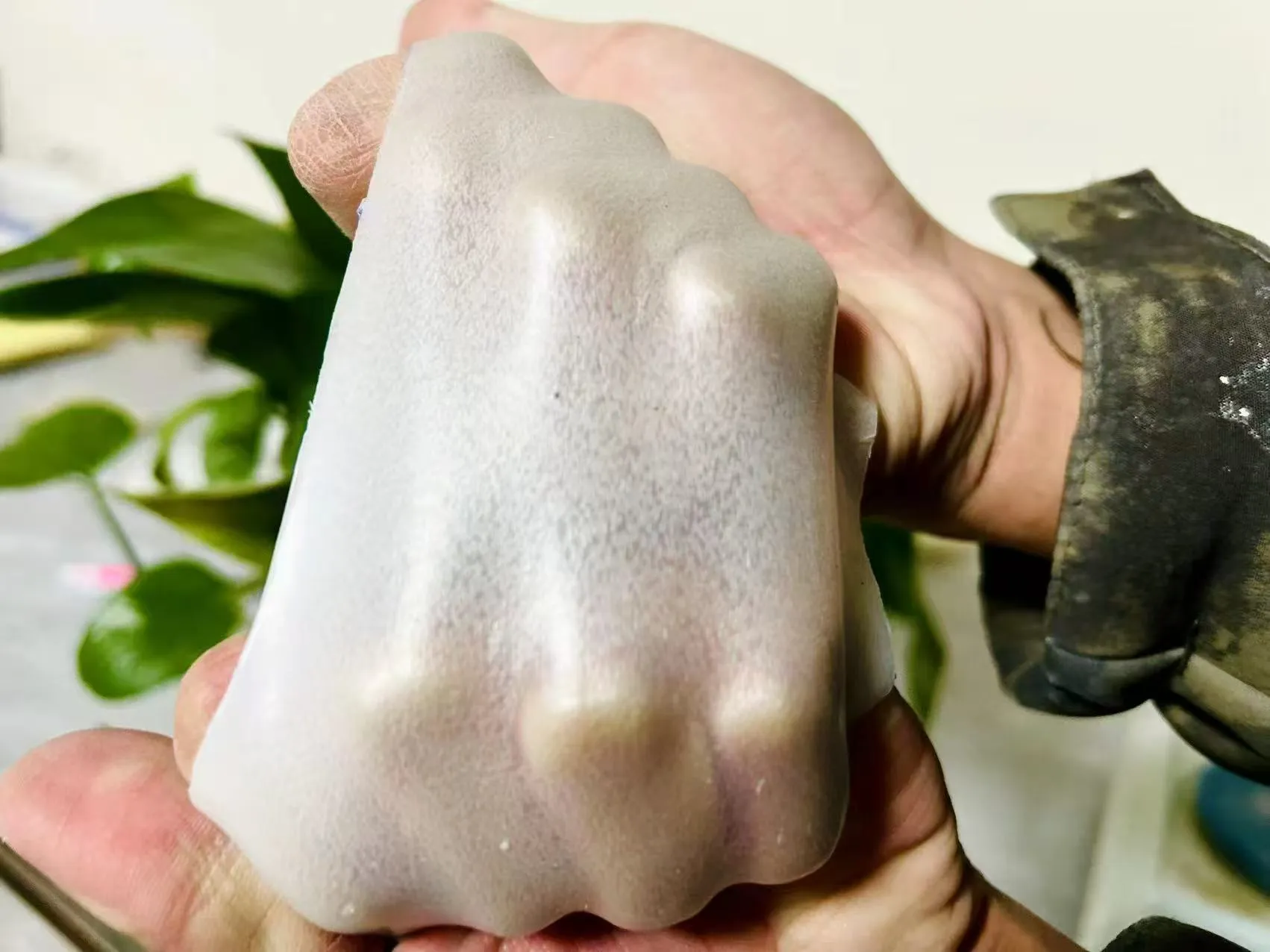
Application Scenarios of Redispersible Polymer Powder(RDP)
The versatility of Redispersible Polymer Powder(RDP) makes it an indispensable additive across a wide spectrum of construction applications, significantly improving the performance and longevity of various building materials.
Key Application Areas:
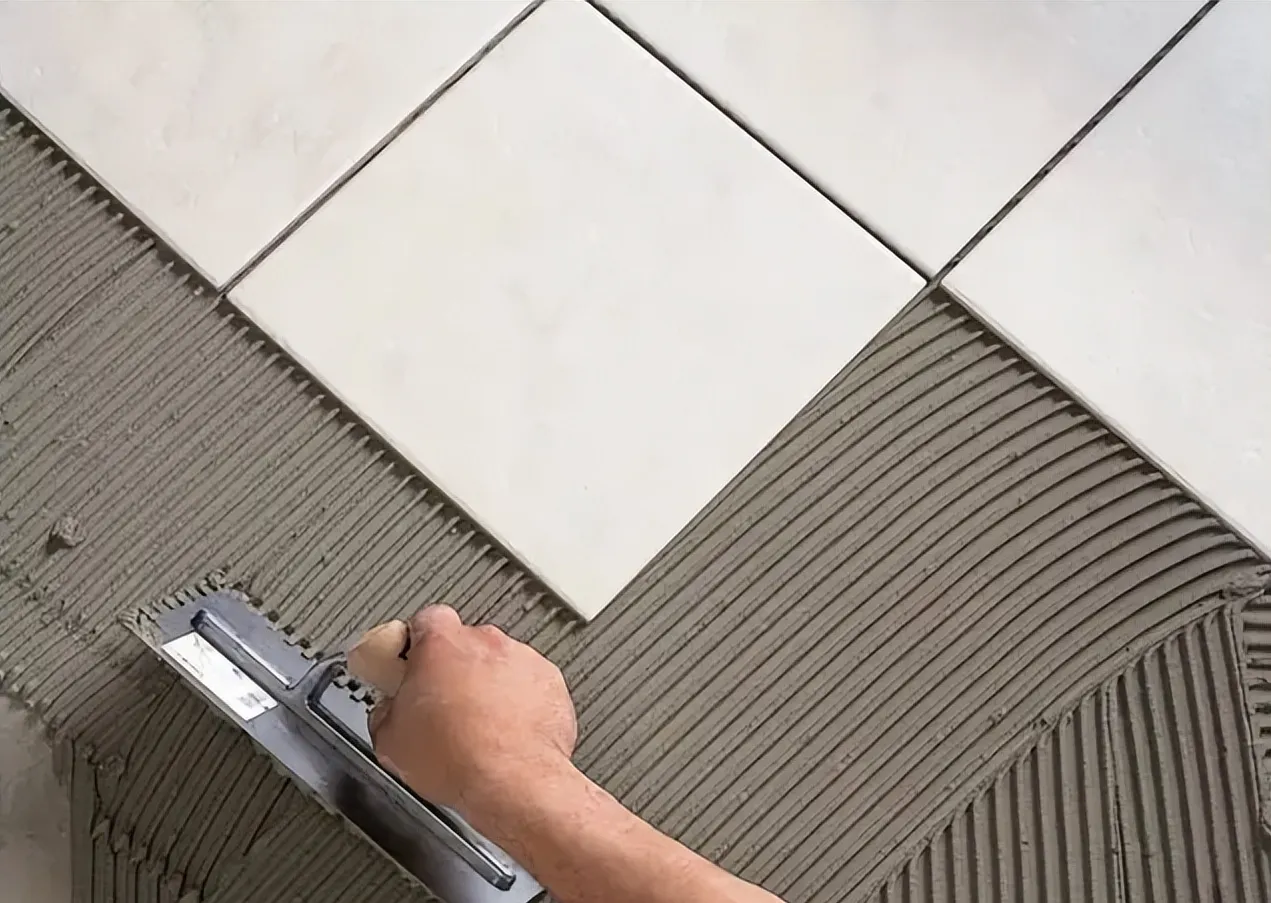
- Tile Adhesives: RDP is a cornerstone in formulating high-performance tile adhesives (classified as C1 and C2 according to EN 12004). It drastically improves adhesion strength to challenging substrates, enhances flexibility to accommodate thermal and structural movements, and increases water resistance, crucial for wet areas.
- External Thermal Insulation Composite Systems (ETICS/EIFS): In renders and base coats for ETICS, RDP enhances adhesion to insulation boards, improves impact resistance, crack bridging, and weatherability, contributing to the system's long-term integrity and energy efficiency.
- Self-Leveling Compounds (SLCs): RDP ensures excellent flow properties, reduces segregation, improves adhesion to the substrate, and minimizes cracking in self-leveling floor screeds, creating perfectly smooth and durable surfaces.
- Repair Mortars: For concrete repair, RDP-modified mortars exhibit superior adhesion to aged concrete, increased flexural strength, reduced permeability, and enhanced resistance to freeze-thaw cycles, thereby extending the service life of repaired structures.
- Waterproofing Mortars: RDP imparts hydrophobicity and enhances the crack-bridging ability of waterproofing slurries and coatings, providing effective moisture barriers in basements, bathrooms, and roofs.
- Skim Coats and Wall Putties: It improves the workability, adhesion, and surface hardness of skim coats, resulting in smoother, more durable wall finishes that are ready for painting or wallpapering.
- Joint Fillers and Grouts: RDP enhances the flexibility, abrasion resistance, and stain resistance of tile grouts, improving their aesthetic appeal and longevity.
From residential flooring to large-scale infrastructure projects, the incorporation of RDP elevates material performance, providing solutions that are more durable, efficient, and reliable. Customer feedback consistently highlights the improved ease of application and the superior final finish achieved with RDP-modified products.
Technical Advantages of Redispersible Polymer Powder(RDP)
Integrating Redispersible Polymer Powder(RDP) into dry-mix mortars delivers a profound suite of technical advantages, transforming basic cementitious systems into high-performance, resilient building materials. These benefits are derived from the polymer's ability to form a flexible, durable film within the mortar matrix upon hydration.
Key Advantages:
- Enhanced Adhesion Strength: RDP significantly improves the bond strength between the mortar and various substrates (concrete, masonry, wood, insulation boards). The polymer film penetrates pores and capillaries, forming mechanical anchors and chemical bonds, leading to superior interfacial adhesion. This is crucial for applications like tile adhesives and exterior renders.
- Increased Flexibility and Crack Bridging: The elastomeric nature of the polymer film allows the mortar to accommodate substrate movements, thermal expansion/contraction, and minor structural deformations without cracking. This 'crack-bridging' capability is vital for waterproof coatings and ETICS.
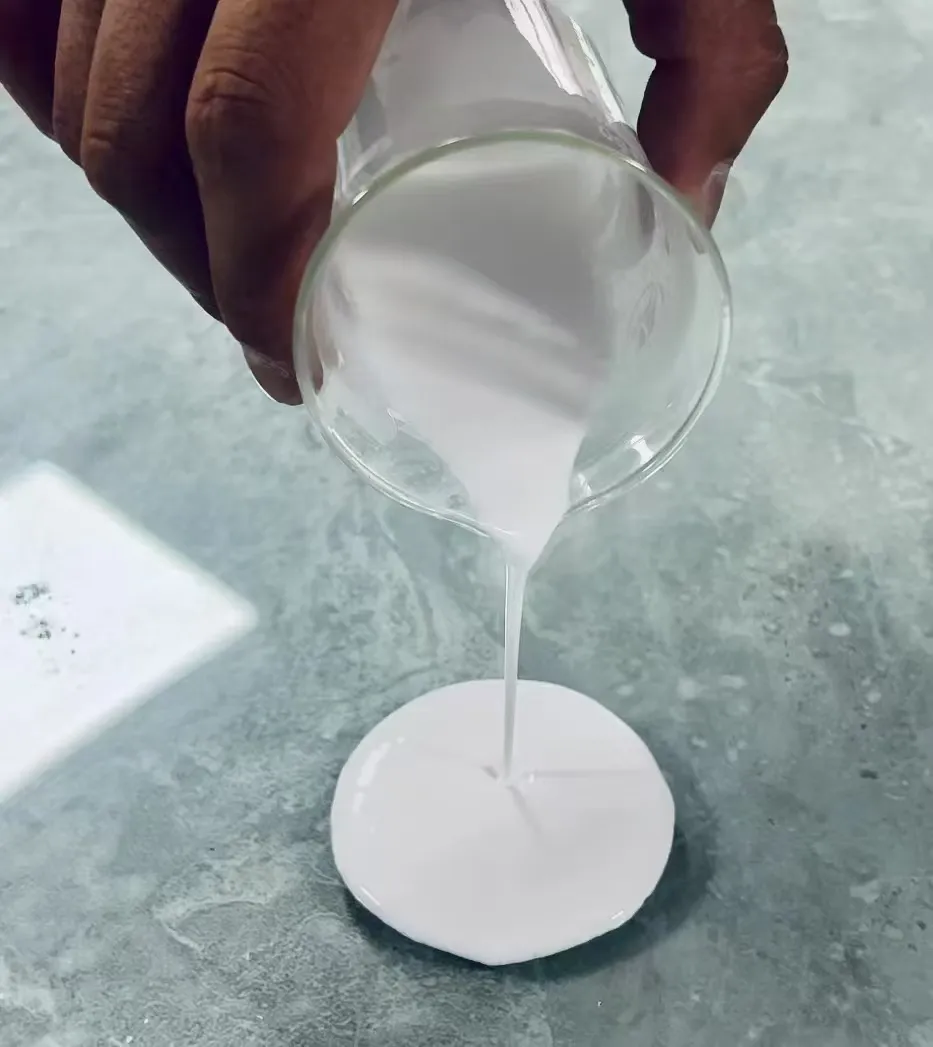
- Improved Water Resistance & Reduced Water Absorption: RDP forms a hydrophobic film that reduces the capillary absorption of water, making the mortar less permeable. This feature is critical for external renders, waterproofing mortars, and tile grouts in wet environments, prolonging service life and preventing moisture damage.
- Superior Impact Resistance and Abrasion Resistance: The polymer network provides internal cohesion and elasticity, making the cured mortar more resistant to mechanical stresses, impacts, and abrasive wear. This is highly beneficial for flooring screeds and industrial coatings.
- Enhanced Workability and Open Time: RDP acts as a plasticizer, improving the consistency, spreadability, and ease of application of fresh mortar. It also extends the open time, allowing contractors more flexibility during installation.
- Excellent Freeze-Thaw Stability: By enhancing the internal integrity and reducing water ingress, RDP-modified mortars exhibit superior resistance to damage caused by repeated freeze-thaw cycles, crucial for outdoor and cold climate applications.
- Alkali Resistance: Many RDP types, particularly acrylics and VAE, offer good resistance to the alkaline environment of cement, ensuring long-term performance stability within the mortar matrix.
These comprehensive technical advantages translate directly into more durable, reliable, and high-performing construction solutions, ensuring projects meet stringent quality and longevity requirements.
Vendor Comparison for Redispersible Polymer Powder(RDP)
Choosing the right supplier for Redispersible Polymer Powder(RDP) is paramount for ensuring consistent product quality and optimizing construction material performance. While many vendors offer RDP, significant differences can exist in polymer chemistry, product purity, technical support, and overall value proposition.
Key Factors for Comparison:
- Polymer Composition: VAE-based RDPs are often preferred for their balanced properties, while acrylic RDPs offer enhanced UV resistance, and SBR RDPs excel in water resistance.
- Active Polymer Content: Higher active polymer content generally means better performance per unit of RDP, but might also correspond to higher cost.
- Consistency and Quality Control: Reputable vendors adhere to strict ISO 9001 quality management systems, ensuring batch-to-batch consistency.
- Technical Support and R&D: Suppliers offering comprehensive technical assistance and strong R&D capabilities can provide tailored solutions and troubleshooting.
- Certifications and Compliance: Adherence to international standards (e.g., REACH, specific construction norms) and environmental certifications.
- Logistics and Supply Chain Reliability: Ability to deliver consistently and promptly, especially for large-scale projects.
Comparison Table (Illustrative):
| Feature/Vendor | Yaguan RDP | Competitor A (Premium) | Competitor B (Economy) |
|---|---|---|---|
| Primary Polymer Type | VAE, Acrylic, SBR Blends | High-End VAE | Basic VAE |
| Active Polymer Content (%) | 85-92 | >90 | 75-85 |
| MFFT (°C) Range | 0 to +10 (flexible range) | 0 to +5 | +5 to +15 |
| Adhesion Strength (C2-level) | Excellent | Outstanding | Good |
| Flexibility | High | Very High | Moderate |
| Water Repellency | Good to Excellent (grade dependent) | Excellent | Basic |
| Technical Support | Comprehensive, R&D focused | Extensive, Global | Limited |
| Certifications | ISO 9001, REACH compliant | ISO, CE, various regional | Basic ISO |
| Price Point | Competitive, Value-driven | Premium | Budget |
Our commitment at Yaguan is to offer high-quality RDP solutions that balance superior performance with cost-effectiveness, backed by robust R&D and customer service. We understand that optimal product formulation is key, and our expert team has years of experience assisting clients in achieving their specific performance goals.
Customized Solutions
Recognizing that every construction project presents unique challenges and requirements, we specialize in developing customized Redispersible Polymer Powder(RDP) solutions. Our extensive R&D capabilities and deep understanding of polymer chemistry enable us to tailor RDP formulations to meet specific performance criteria, application conditions, and regional standards.
Whether it's for an innovative, ultra-flexible tile adhesive designed for large format tiles or a low-dust, high-early-strength self-leveling compound for rapid renovation, our technical team works closely with clients to:
- Optimize Adhesion: Develop RDPs that offer superior bonding to specific challenging substrates such as glass, metal, or existing coatings.
- Modulate Flexibility: Create RDPs with precise glass transition temperatures (Tg) to achieve desired levels of flexibility and crack-bridging capability, suitable for extreme temperatures or dynamic environments.
- Enhance Water Repellency: Formulate RDPs that impart exceptional hydrophobicity for advanced waterproofing systems or renders in high-humidity climates.
- Control Rheology and Workability: Adjust RDP properties to fine-tune the consistency, open time, and sag resistance of fresh mortars, enhancing application efficiency.
- Address Specific Curing Profiles: Develop RDPs compatible with fast-setting or slow-setting cementitious systems to meet project timelines.
- Environmental & Regulatory Compliance: Ensure custom formulations meet stringent environmental regulations, including low VOC requirements.
Our collaborative approach, backed by state-of-the-art testing laboratories and experienced polymer scientists, ensures that customized RDP solutions deliver unparalleled performance and value, enabling our clients to innovate and lead in their respective markets.
Application Case Studies
Our high-performance Redispersible Polymer Powder has been instrumental in numerous successful construction projects globally, demonstrating tangible benefits in real-world applications. These case studies highlight our commitment to quality and the transformative impact of our products.
Case Study 1: High-Rise Residential Facade Renovation (Dubai)
Challenge: A 50-story residential tower in Dubai required a façade renovation with a highly durable, weather-resistant, and aesthetically pleasing render system capable of withstanding extreme temperatures and wind loads. Traditional renders showed signs of cracking and delamination due to thermal expansion.
Solution: Our specialized RDP for ETICS/EIFS was incorporated into the polymer-modified render system. This RDP grade was chosen for its exceptional flexibility (low Tg), superior adhesion to various substrates, and enhanced resistance to UV radiation and moisture ingress.
Results: The RDP-modified render achieved a tensile adhesion strength of >1.0 N/mm² after thermal cycling (EN 1348), significantly exceeding industry standards. The system demonstrated excellent crack bridging, impact resistance, and long-term color stability. The project now boasts a pristine, durable façade with an expected service life exceeding 25 years, providing improved thermal insulation for residents and reducing cooling costs by an estimated 15% annually.
Case Study 2: Rapid Floor Leveling in a Commercial Retail Space (Germany)
Challenge: A large retail store in Germany required a rapid, high-strength self-leveling compound for its 5,000 sqm flooring, necessitating quick turnaround for minimal business disruption. The substrate was an aged concrete slab with significant undulations.
Solution: We provided a bespoke RDP formulation designed for ultra-fast setting and high early strength development, alongside excellent flow characteristics. This RDP ensured optimal dispersion and interaction with other components of the self-leveling compound.
Results: The RDP-enhanced self-leveling compound achieved walkability within 4 hours and allowed for subsequent flooring installation within 24 hours, significantly reducing project timelines. The final floor exhibited a compressive strength of >40 MPa and flexural strength of >8 MPa after 28 days (EN 13892-2), providing an exceptionally smooth, durable, and hard-wearing surface. Customer feedback lauded the product's consistency and rapid curing, enabling the store to reopen ahead of schedule.
Frequently Asked Questions (FAQ)
Q1: What is the primary role of Redispersible Polymer Powder(RDP) in dry-mix mortars?
A1: RDPs serve as organic binders in cementitious mortars. Upon mixing with water, they redisperse, forming a polymer film that interpenetrates the cement matrix. This film significantly enhances adhesion, flexibility, water resistance, and overall durability of the cured mortar.
Q2: How does RDP contribute to the sustainability of building materials?
A2: By increasing the lifespan and performance of construction materials, RDP reduces the frequency of repairs and replacements, minimizing waste. Its ability to enhance energy-efficient systems like ETICS also contributes to lower energy consumption over a building's lifetime.
Q3: What storage conditions are recommended for RDP?
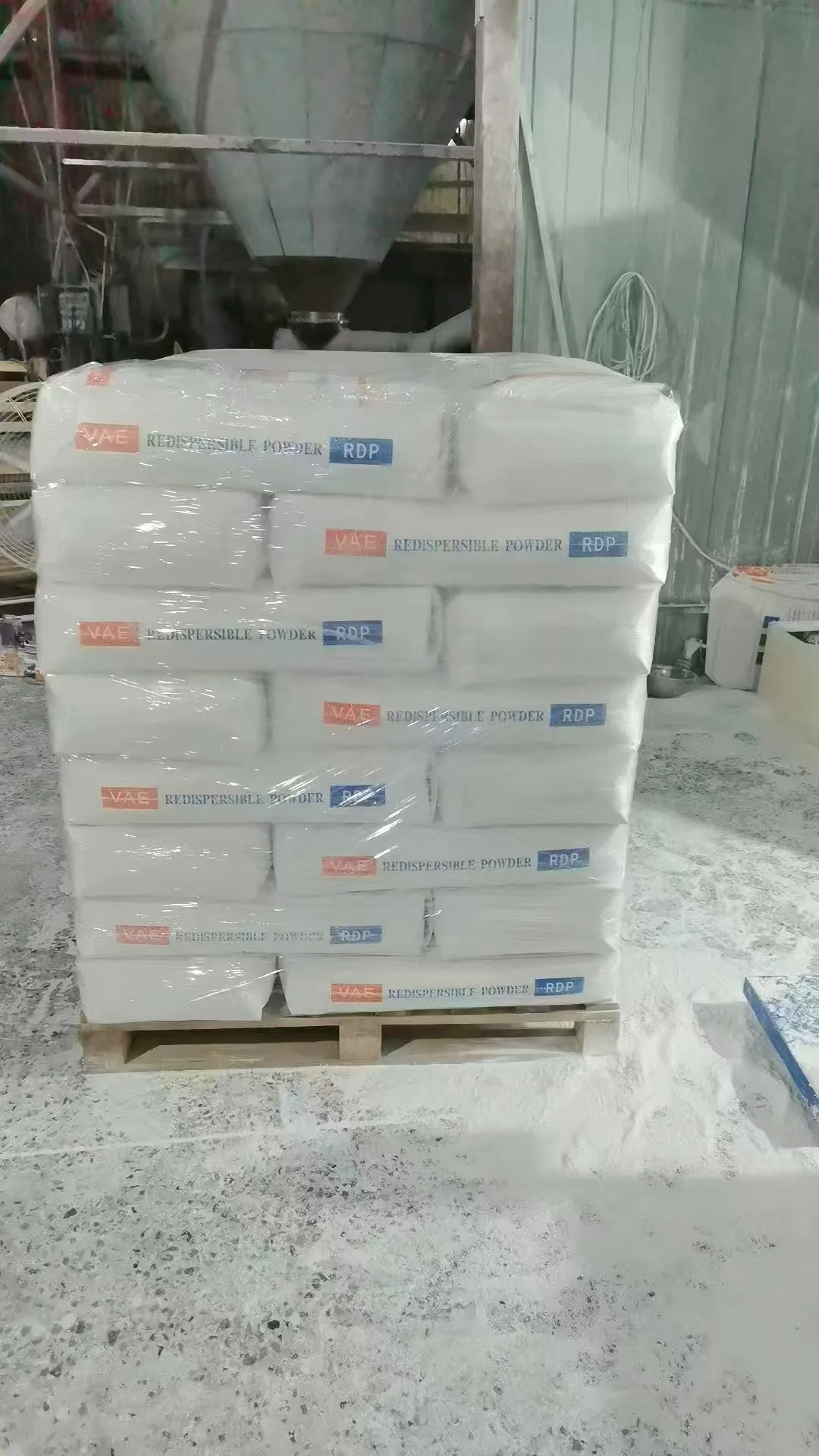
A3: RDP should be stored in a cool, dry place, ideally below 30°C and away from direct sunlight and moisture. Unopened packaging typically ensures a shelf life of 12-24 months. Once opened, it should be used promptly or resealed tightly to prevent moisture absorption and caking.
Q4: Are RDPs compatible with other common construction additives?
A4: Yes, RDPs are generally highly compatible with a wide range of common construction additives such as cellulose ethers (HPMC, MC), starch ethers, air-entraining agents, and superplasticizers. However, compatibility testing is always recommended for specific formulations to ensure optimal performance.
Lead Time, Warranty, and Customer Support
As a leading supplier of high-quality construction additives, we are committed to providing exceptional service, reliable logistics, and unwavering product support.
Lead Time & Fulfillment:
- Standard Orders: Our typical lead time for standard RDP grades ranges from 7 to 14 business days, depending on order volume and destination.
- Large & Custom Orders: For bulk or customized formulations, lead times will be confirmed upon order placement, factoring in specific production and testing requirements.
- Logistics: We maintain robust supply chain networks and partner with reputable logistics providers to ensure timely and secure delivery worldwide. Express shipping options are available upon request for urgent requirements.
Warranty Commitments:
We stand by the quality and performance of our RDP products. All products are manufactured under strict ISO 9001 quality management systems and come with a standard warranty guaranteeing adherence to published technical specifications and freedom from manufacturing defects. In the event of any product failing to meet its specifications under proper storage and usage conditions, we are committed to providing replacement or appropriate credit. Full warranty details are available upon request.
Customer Support & After-Sales Service:
Our commitment extends beyond product delivery. We offer comprehensive customer support, including:
- Dedicated Technical Assistance: Our team of experienced polymer chemists and application engineers provides expert advice, formulation guidance, and troubleshooting support to optimize product performance in your specific applications.
- Sample Provision: We provide product samples for testing and evaluation to ensure perfect compatibility and desired performance before bulk orders.
- After-Sales Support: Continuous support is available for any queries or technical challenges that may arise during or after the application phase.
- Documentation: Provision of comprehensive technical data sheets (TDS), safety data sheets (SDS), and certificates of analysis (COA) for all batches.
Our goal is to foster long-term partnerships built on trust, reliability, and mutual success.
References
- K. Van Valckenburgh, "Polymer Chemistry," in Encyclopedia of Polymer Science and Technology, 4th ed., John Wiley & Sons, 2017.
- W. Wörner, "Redispersible Polymer Powders: An Introduction," in Building Chemistry, 3rd ed., Wiley-VCH Verlag GmbH & Co. KGaA, 2012.
- P. Singh, "The Role of Polymer Dispersions in Cementitious Systems," Construction and Building Materials Journal, vol. 18, no. 5, pp. 343-352, 2004.
- Global Market Insights, Inc., "Redispersible Polymer Powder Market Size, Share & Trends Analysis," Industry Research Report, 2021-2028.