
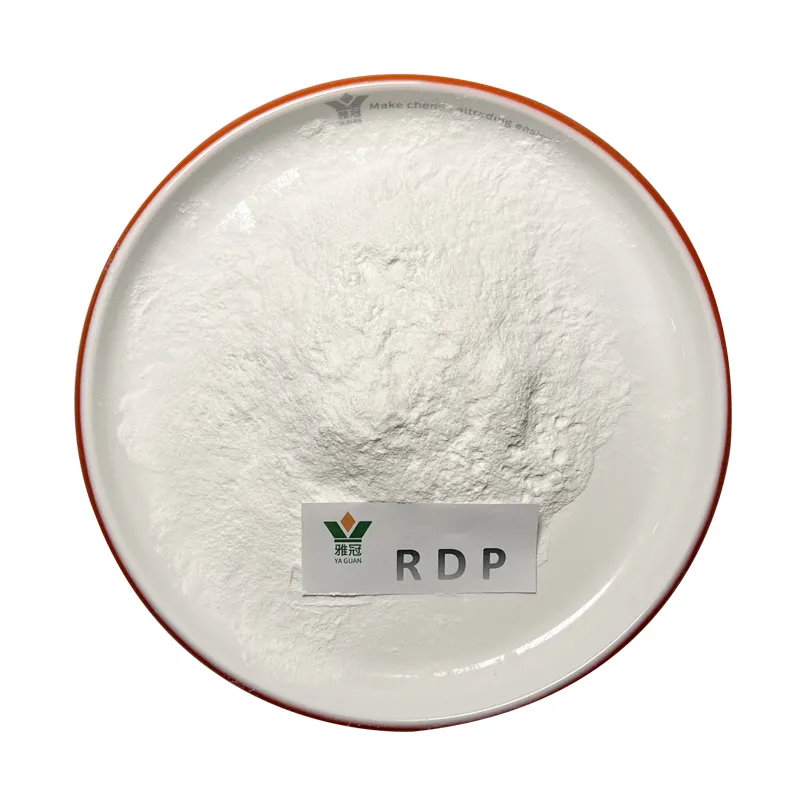
What pros are really saying about Redispersible Polymer Powder(RDP)
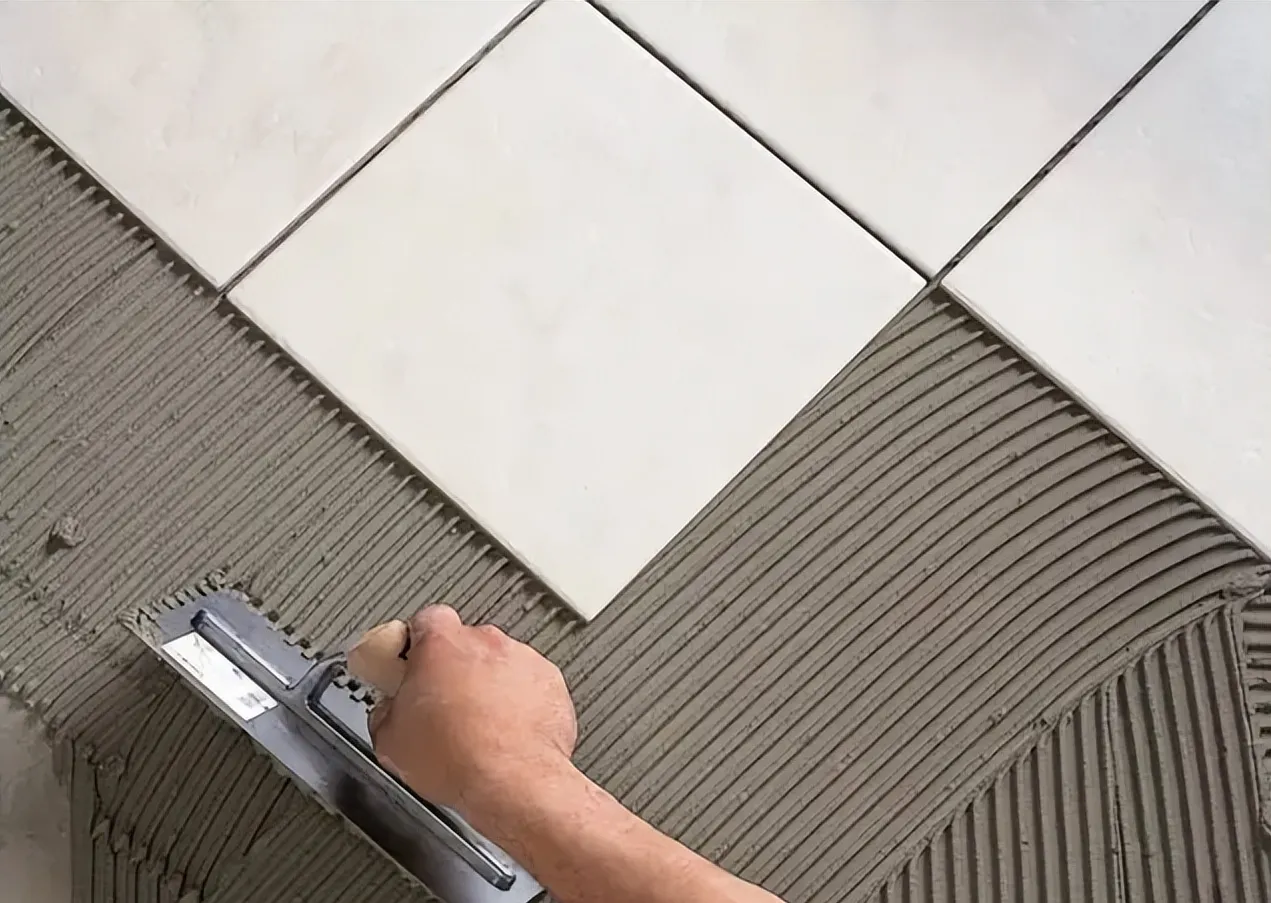
I’ve spent a good chunk of my career lurking on job sites and in labs where drymix mortar is the quiet hero. And, to be honest, when people ask what actually changes a mortar’s behavior, I keep pointing to Redispersible Polymer Powder(RDP). It’s the EVA-based, spray-dried backbone that gives thin-set adhesives, EIFS/ETICS, self-levelers, and repair mortars the stick, flex, and durability they need.
Industry pulse: why RDP demand keeps rising
Two words: performance certainty. Jobsite sand varies, cement varies, weather definitely varies. Redispersible Polymer Powder(RDP) levels out the noise—better adhesion, workability, crack resistance. Tight energy codes and façade retrofits (ETICS everywhere) keep pushing higher polymer loads. Interestingly, many customers say they’re nudging dosages from ≈2% to around 5% in tile adhesives to survive thermal cycling.
What it is (and why EVA still wins)
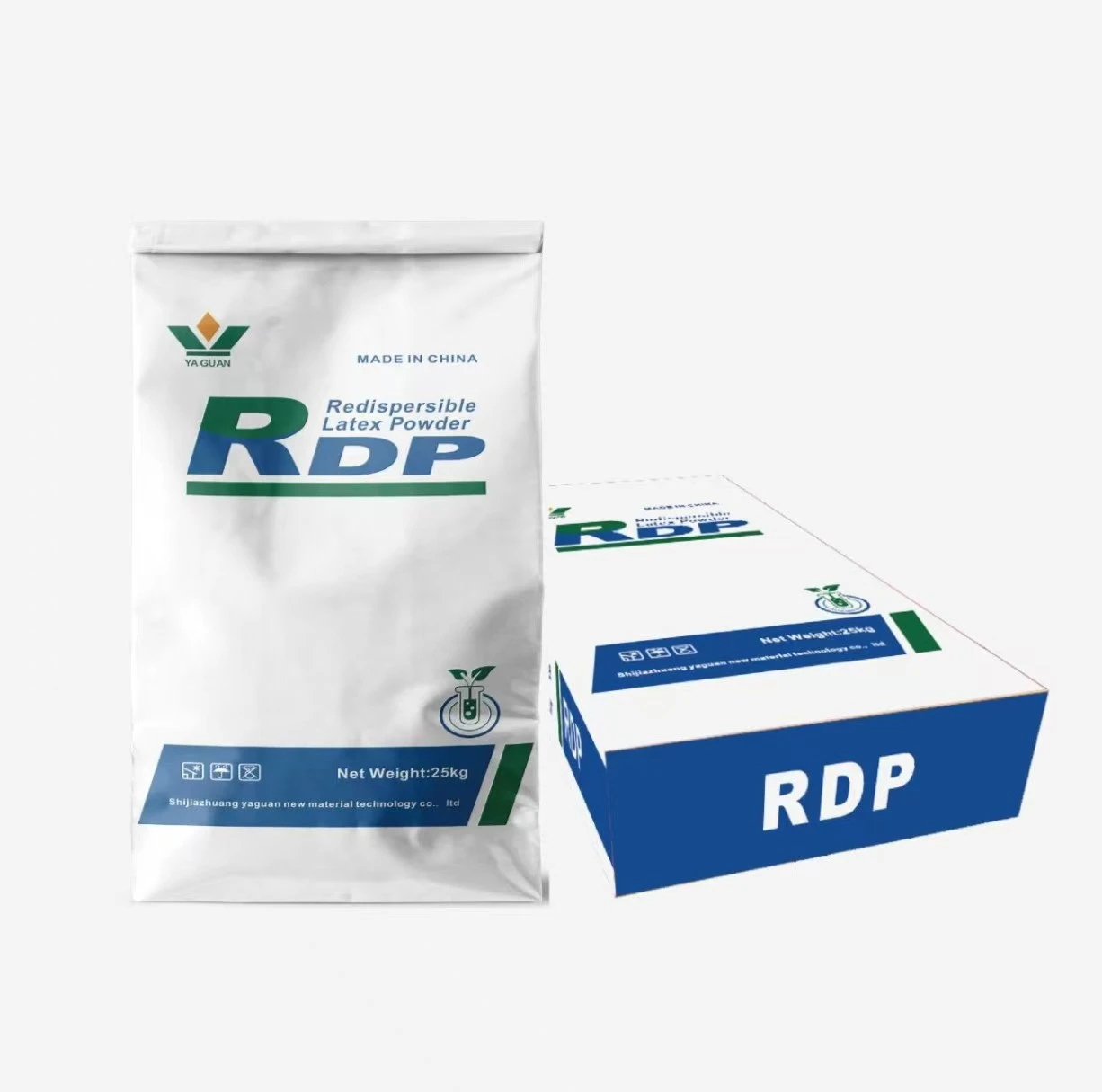
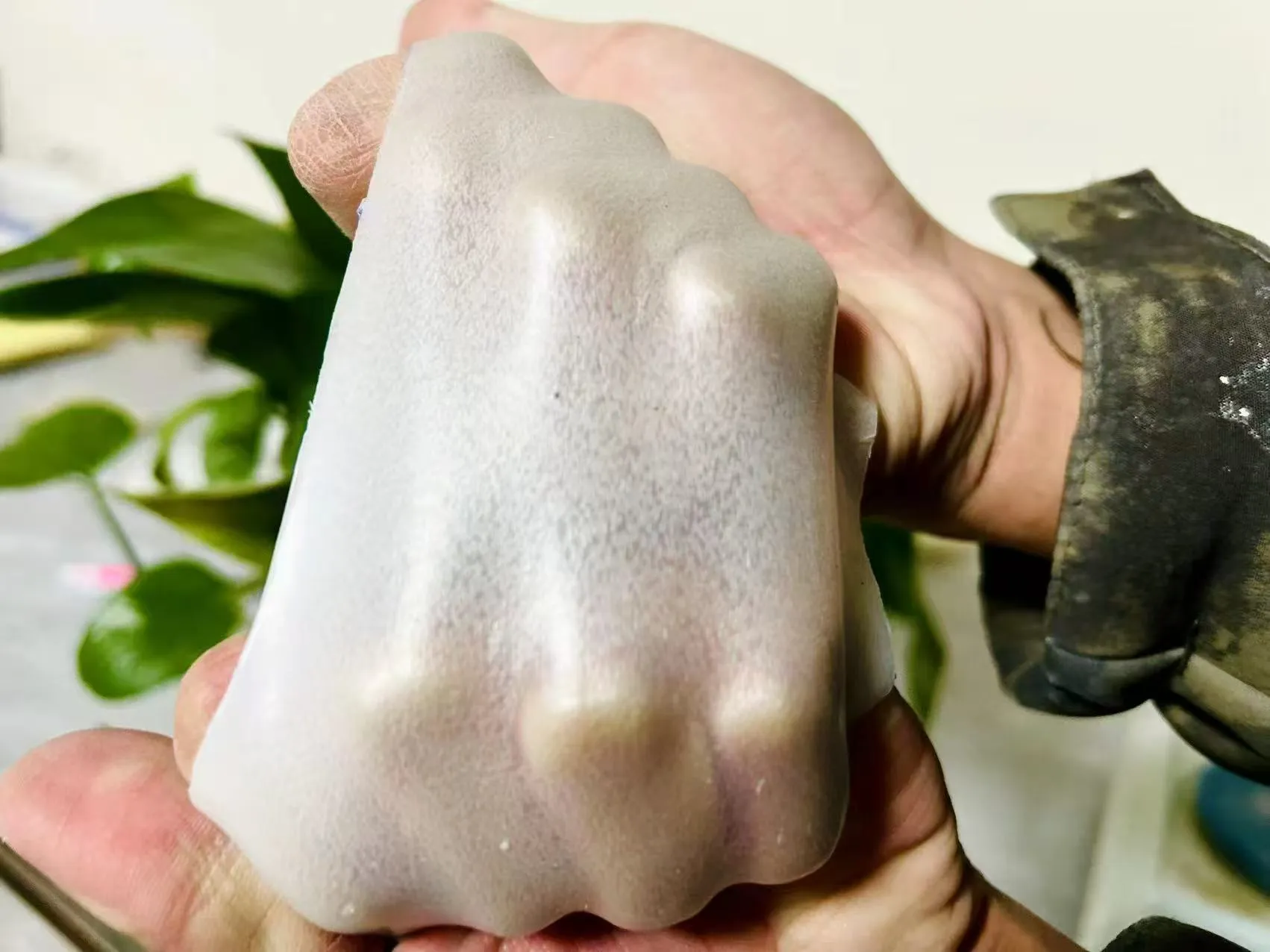
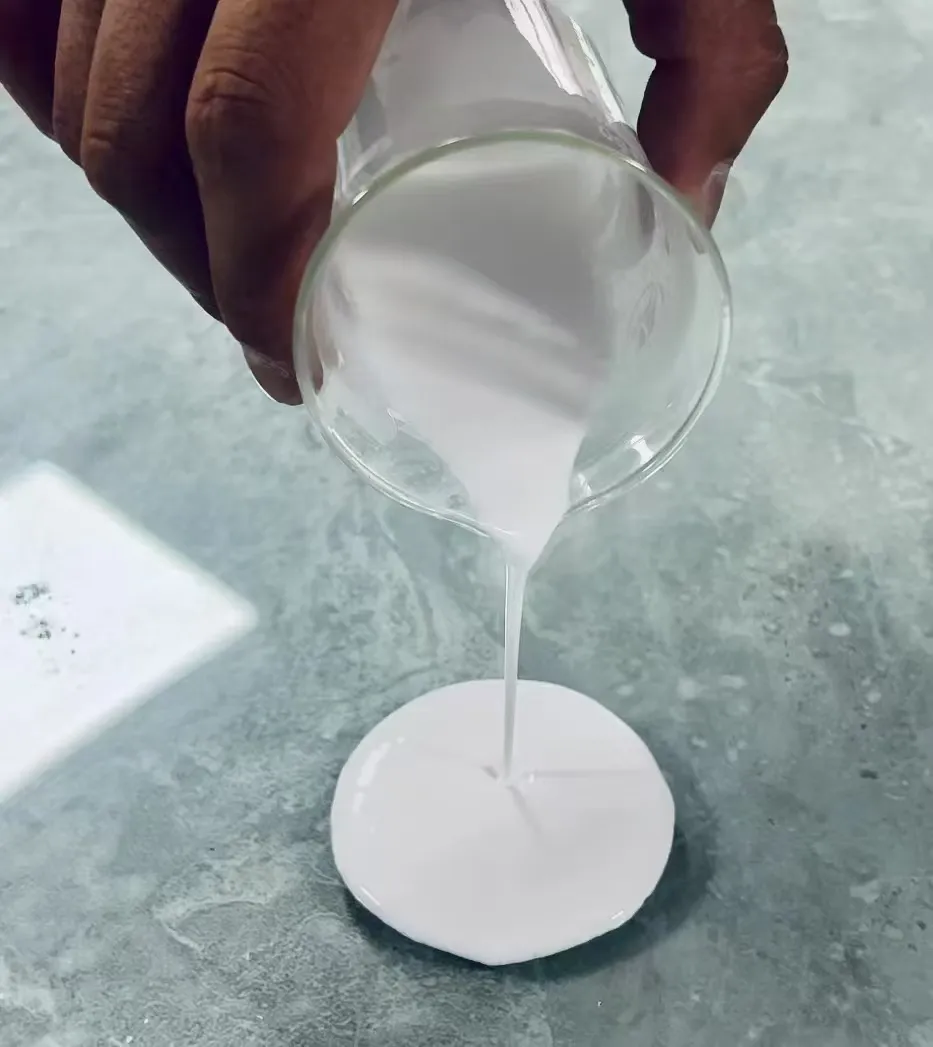
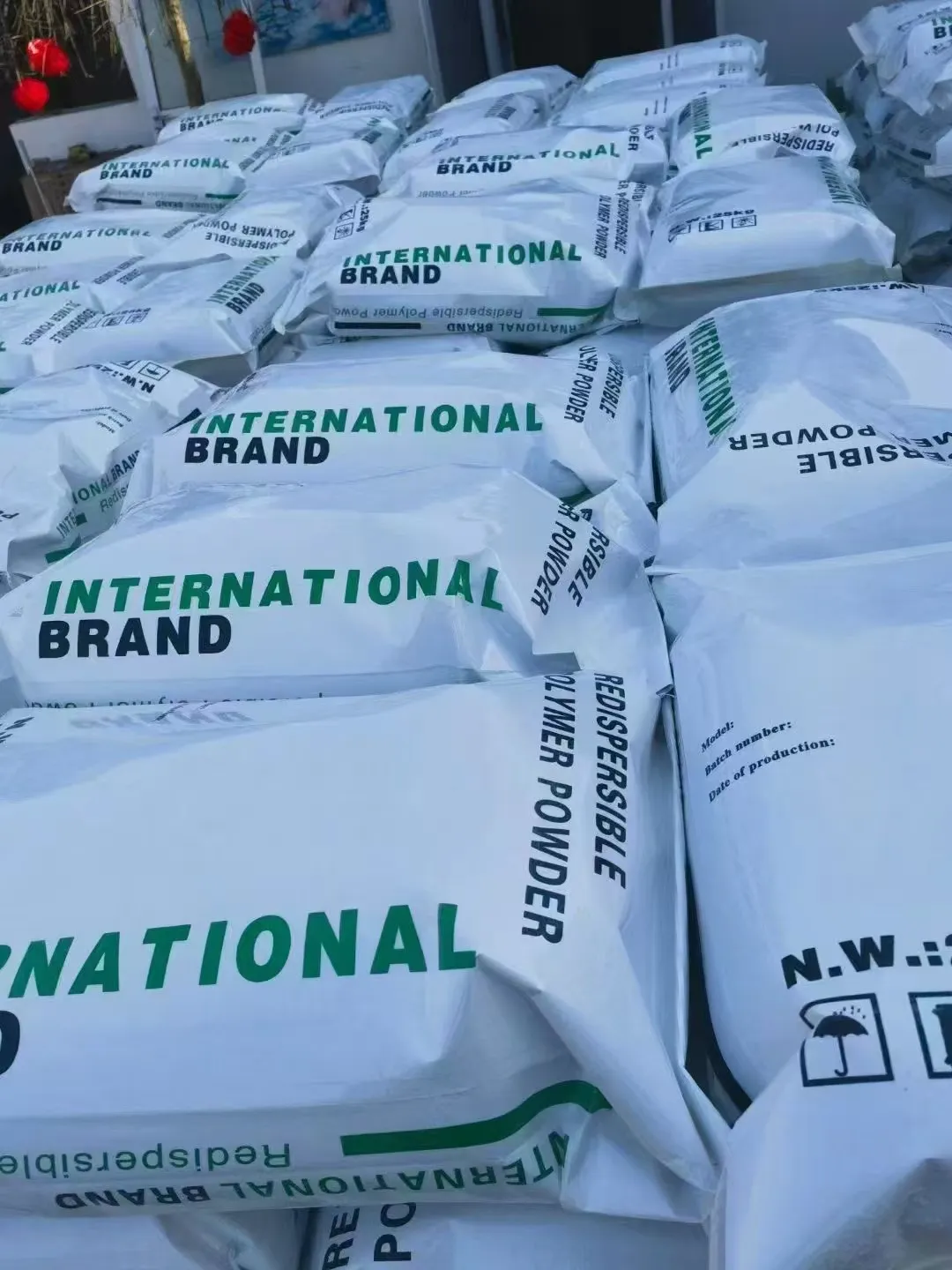
YAGUAN’s Redispersible Polymer Powder(RDP) is an ethylene-vinyl acetate copolymer emulsion powder with protective colloids and anti-caking agents. Disperses fast in water, coalesces in the cement matrix, and—surprisingly robust—maintains flexibility and abrasion resistance over time.
| Spec (typ.) | Value (≈, real-world use may vary) |
|---|---|
| Base chemistry | EVA copolymer |
| Bulk density | 400–650 g/L |
| Ash content | ≈12% |
| Min. film-forming temp (MFFT) | ≈0–5 °C |
| Redispersibility | Instant in neutral water |
| Tensile adhesion (EN 1348) | ≥1.5 MPa at 28 d |
| Shelf life | 12 months, dry and sealed |
Process flow and quality gates
- Materials: EVA emulsion, protective colloid (e.g., PVA), mineral anti-caking agents.
- Methods: spray drying → cooling → sieving → de-dusting → packaging (valve bags, big bags).
- Testing standards: EN 1348 adhesion; EN 12002 deformability; EN 1015-11 flexural/compressive; ASTM C1583 pull-off; ISO 9001/14001 systems.
- Service life: formulated mortars typically designed for 25–50 years depending on exposure class.
- Industries: façade insulation (ETICS), tile adhesives/grouts, self-leveling underlayments, repair/skim coats, gypsum plasters.
How contractors actually use it
Dosage (by cement mass) is project-dependent, but common ranges:
- Tile adhesive C2: ≈2–6% for improved adhesion and open time.
- ETICS basecoat: around 3–5% for impact strength and crack resistance.
- Self-leveler: ≈1–3% to balance flex and flow.
- Skim/repair: 2–5% for cohesion and abrasion resistance.
Users tell me workability “just feels right,” especially under hot, dry conditions. And yes, it tolerates a bit of mixing abuse—within reason.
Vendor comparison (quick and imperfect—like real life)
| Vendor | Lead time | Customization | Certs | Notes |
|---|---|---|---|---|
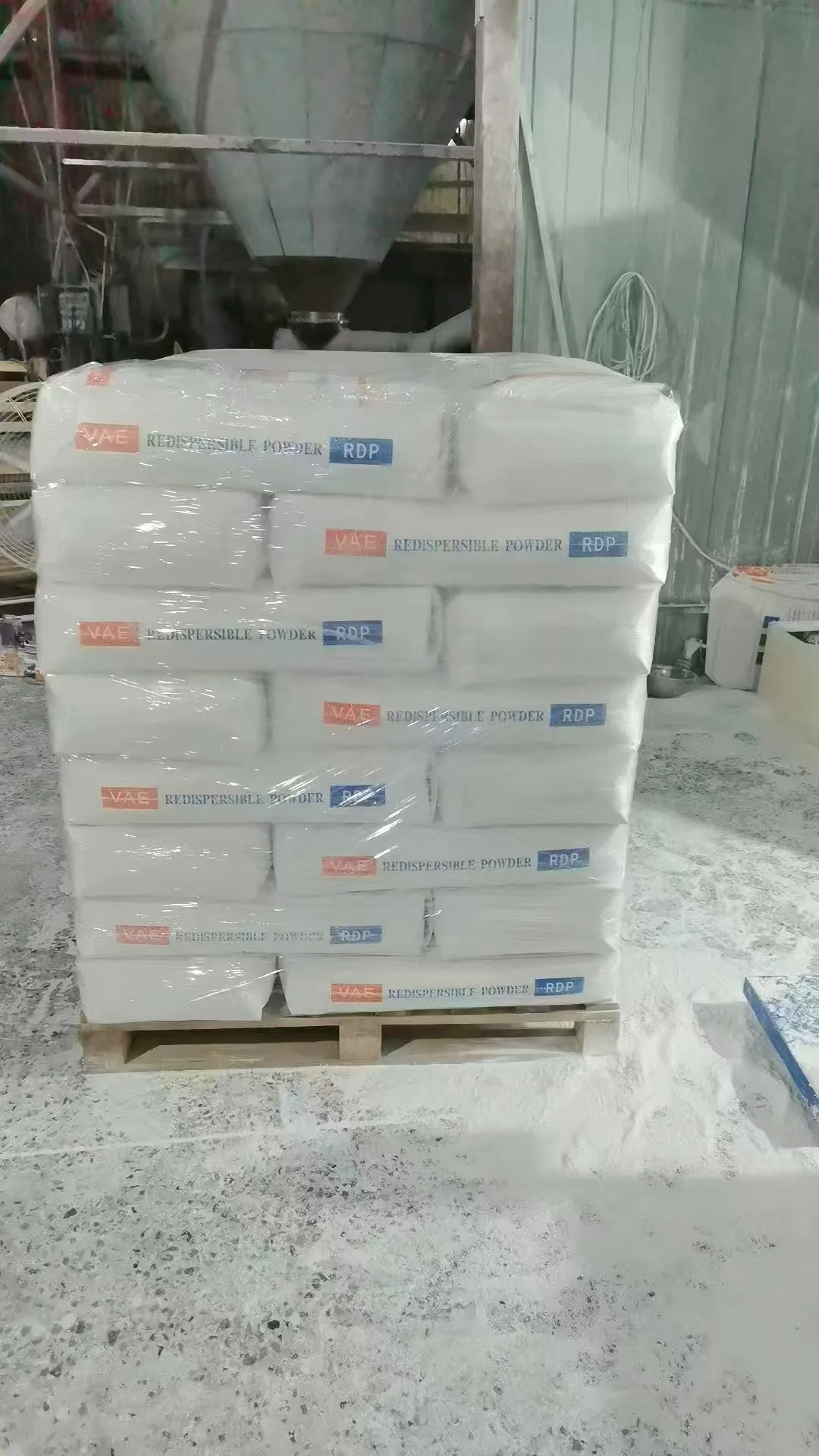
| YAGUAN (Redispersible Polymer Powder(RDP)) | ≈2–4 weeks | Tg, particle size, anti-caking, hydrophobic grade | ISO 9001/14001 | Origin: Room 1320, Block C, Dongsheng Plaza, Chang'an District, Shijiazhuang, Hebei Province |
| Global Brand A | 3–6 weeks | Broad portfolio | ISO, REACH | Premium pricing |
| Regional Supplier B | 1–3 weeks | Limited | ISO (varies) | Economical, QC variability |
Customization tips
Ask for Tg tuning (low-Tg for flexibility, higher Tg for hardness), hydrophobic grades for wet rooms, and anti-slip enhancements for vertical tile work. I guess the sweet spot is co-optimizing with cellulose ether and defoamer—polymer alone won’t save a sloppy formulation.
Field notes and mini case studies
- Cold-climate tile adhesive: Switching to Redispersible Polymer Powder(RDP) at 4% raised wet and heat-age adhesion (EN 1348) from 1.1 MPa to ≈1.8 MPa; fewer callbacks.
- ETICS basecoat: 3.5% dosage improved impact resistance and limited hairline cracking after 50 freeze–thaw cycles (per ETAG 004 guidance).
Customer feedback? “Smoother trowel, longer open time, and less powder-off.” Not very scientific, but it tracks with lab data.
Certifications and standards alignment
Formulations with Redispersible Polymer Powder(RDP) are commonly engineered to meet EN 12004-1 (C2 adhesives), EN 998-1 (renders), EN 13813 (screeds), and ETAG 004/EAD for ETICS. Plant systems under ISO 9001 and ISO 14001 are pretty much table stakes now.
Citations
- EN 12004-1: Adhesives for tiles – Requirements, classification.
- EN 1348: Adhesives for tiles – Determination of tensile adhesion strength.
- EN 1015-11: Methods of test for mortar – Compressive/flexural strength.
- ETAG 004 / EAD 040083-00-0404: External Thermal Insulation Composite Systems (ETICS).
- ASTM C1583: Tensile strength of concrete surfaces and bond strength by pull-off.