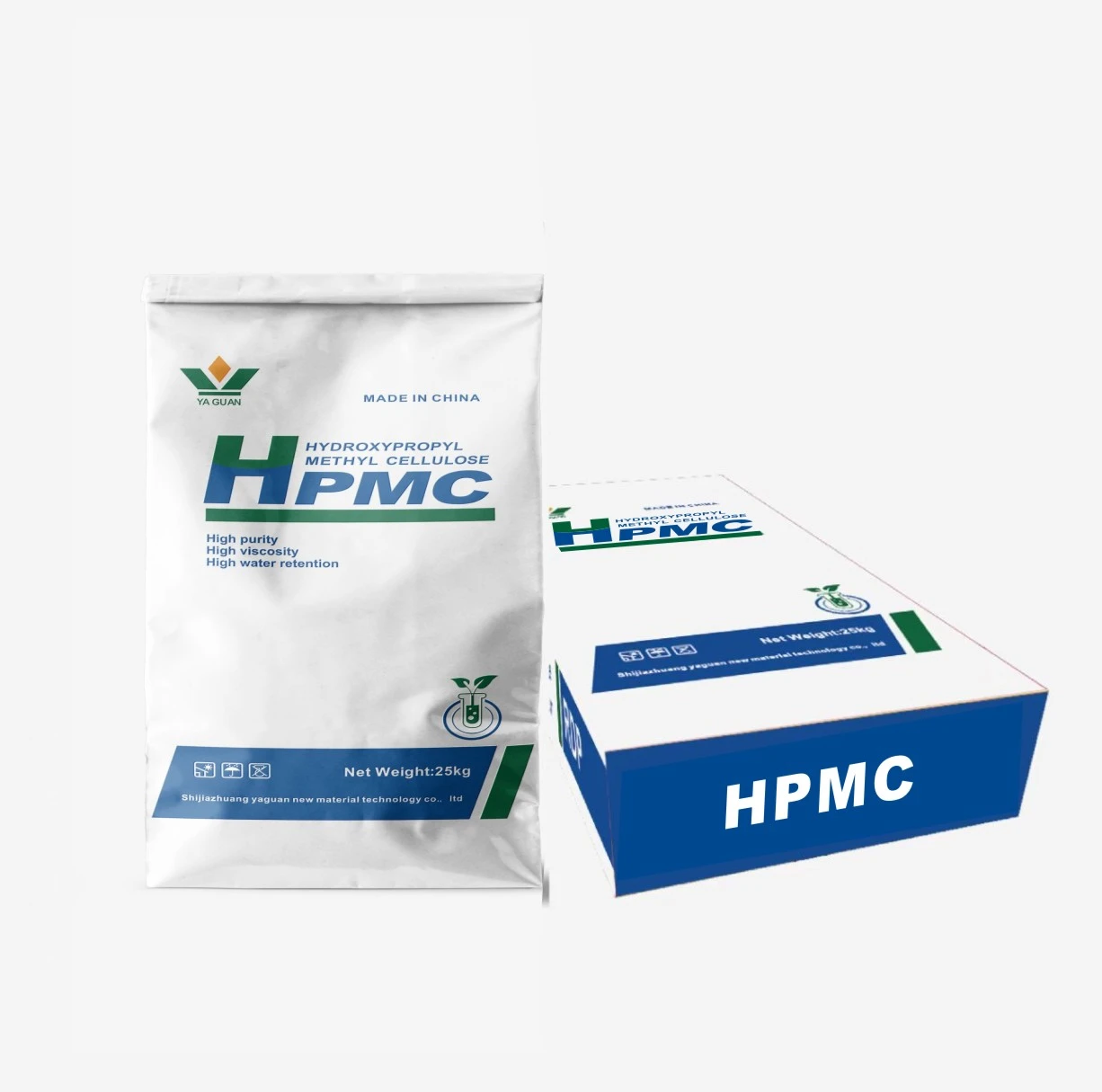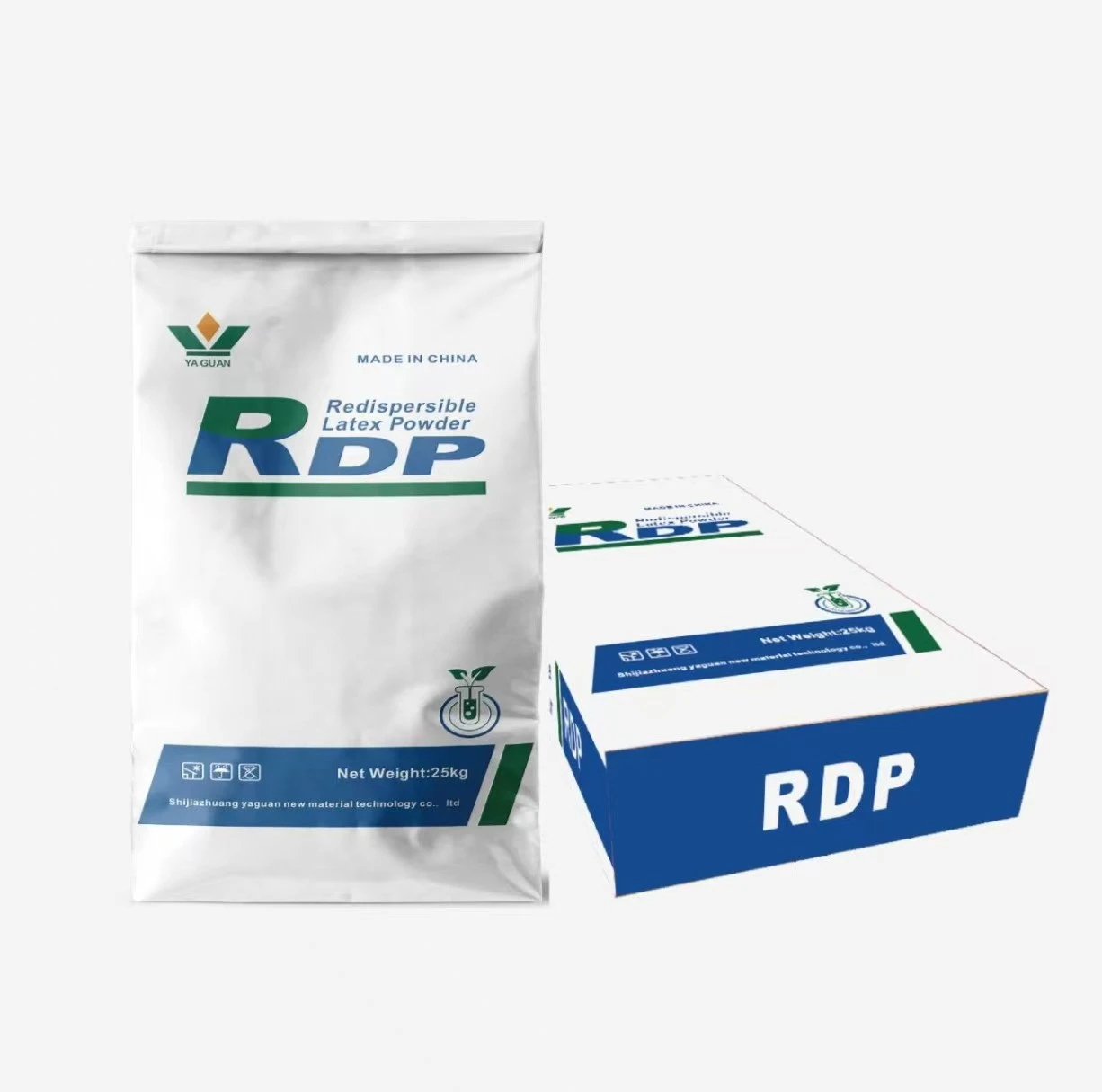

Understanding Redispersible Powder Polymer: A Quiet Revolution in Construction and Beyond
At first glance, “redispersible powder polymer” might sound like a mouthful for a lab-only material no one outside of chemical engineers cares about. Yet, this versatile compound quietly underpins an astonishing array of modern solutions — from improving construction materials and enabling innovative housing solutions to supporting humanitarian efforts worldwide. It’s no exaggeration to say that redispersible powder polymer is playing a key role in meeting global challenges where durability, sustainability, and adaptability matter most.
Let me paint a broad picture: As population growth strains urban infrastructure, and climate change demands resilient construction, innovations like redispersible powder polymers help industries keep pace with demand and regulation. Plus, their potential to improve building materials without hefty energy or carbon footprints is undeniably relevant as the world shifts toward greener development.
Redispersible Powder Polymer on the Global Stage
Global construction demand is growing at roughly 3-4% per year — an upward trend that the United Nations and World Bank highlight in reports on housing shortages and infrastructure needs. But here’s the tricky bit: this isn’t just about pouring concrete and stacking bricks; it’s about making materials last longer, resist the elements, and, increasingly, reduce environmental impact. That’s where redispersible powder polymers step in. According to ISO standards, these polymers enhance cementitious mixes, not just improving strength but also flexibility and water resistance. The often overlooked fact is that they tackle challenges like uneven drying, cracking, or adhesion problems that can cripple long-term durability.
It’s no wonder many manufacturers and engineers worldwide are adopting or investigating them as game-changers.
What Exactly Is Redispersible Powder Polymer?
Simply put, a redispersible powder polymer is a dry polymer powder made from polymer latex that can be reconstituted (or “redispersed”) in water to form a polymer emulsion. Think of it as a plastic powder that ‘comes back to life’ when mixed with water, ready to improve the performance of cement and mortar mixes. It’s commonly used in construction products like tile adhesives, renders, and self-leveling compounds to enhance adhesion, flexibility, and color retention.
Its importance reaches beyond construction, too. NGOs employ it in fast-deployment housing solutions for disaster relief because it stabilizes mixtures used in prefabricated elements or coatings. Without it, many temporary shelters might fail rapidly to the whims of weather.
Key Characteristics That Matter
Durability
Redispersible powder polymers impart flexibility, reducing micro-cracks that often lead to premature failure in concrete and renders. This resilience is crucial, especially in climates with wide temperature swings or moisture variations.
Water Retention & Workability
Maintaining moisture during curing ensures stronger bonding and reduces shrinkage. These powders help maintain the ideal water balance within mixes, making work easier and results more consistent.
Adhesion
Perhaps their most touted feature, redispersible powders improve the adhesion between cementitious materials and substrates, ensuring tile adhesives and plasters don’t peel away prematurely.
Environmental Compatibility
Many redispersible powders today are developed to be low-VOC and support sustainable building certifications, aligning with global pushes for greener materials.
Mini Takeaway:
In essence, these polymers act like microscopic binders and buffers, enhancing the physical properties of mixes, making building materials smarter, not just stronger.
Where Does Redispersible Powder Polymer Actually Make a Difference?
Regions from Europe to Asia, and North America to developing areas are benefiting. The subtleties vary: In Europe, green building certifications often require polymer additives to meet sustainability and performance thresholds. In Asia, rapid urbanization demands quick-setting, durable materials — redispersible powders make that happen. Meanwhile, humanitarian agencies rely on these powders for ready-mix solutions in emergency shelters, especially where logistic chains are spotty, and mixing conditions unpredictable.
Industrial zones with remote locations also appreciate the long shelf-life and ease of transport that powder polymers bring over liquid alternatives.
For example, in Nepal after the 2015 earthquake, suppliers of building materials with redispersible powders helped speed up safe reconstruction efforts. It wasn’t just about structures; it was about rebuilding communities with materials that last and protect.
Product Specification Table
| Specification | Typical Value | Unit |
|---|---|---|
| Polymer Type | Styrene-Butadiene (SBR) | - |
| Powder particle size | 20-50 | microns |
| Redispersion rate | ≥95% | % |
| Bulk density | 450-550 | kg/m³ |
| Shelf life | 12 | months |
Why Investing in Redispersible Powder Polymer Pays Off
The benefits stretch far beyond technical specs. Redispersible powders allow manufacturers to create more reliable, longer-lasting products — lowering repair costs and downtime. They also reduce CO₂ footprints indirectly, since materials reinforced with these additives often require less frequent replacement. For engineers, there’s peace of mind knowing materials will perform under pressure, literally.
Socially, when these polymers are part of humanitarian building mixes, they preserve human dignity by improving shelter safety and longevity. It’s one thing to rush materials post-disaster; quite another to provide quality that withstands another rainy season.
Comparing Vendors: What to Watch For
| Vendor | Product Range | Redispersion Rate | Sustainability Focus | Price Range (per ton) |
|---|---|---|---|---|
| Yaguan Chemical | SBR, VA, and EVA powders | ≥95% | High (ISO 14001 certified) | $900–$1200 |
| Vendor B | SBR powder only | 90-93% | Moderate | $850–$1100 |
| Vendor C | VA and EVA powders | >95% | High | $1000–$1300 |
Looking Ahead: What’s Next for Redispersible Powder Polymers?
Innovation pushes forward, emphasizing eco-responsibility. We’re seeing the rise of bio-based polymers and blends designed for even lower environmental impact. Digital monitoring of materials during mixing and curing also means more predictable performance — sort of like “smart” construction inputs.
Moreover, automation in prefab modular construction increases the demand for consistent and high-quality redispersible powders — helping factories meet precise formulations without costly errors.
Tackling Challenges Head-On
No material is perfect, and redispersible powder polymers come with quirks — sensitivity to storage conditions, sometimes tricky dispersion behavior, or cost premiums for premium grades. But smart formulation, proper storage, and supplier partnerships (like those offered by redispersible powder polymer specialists) often smooth out these rough edges.
FAQ: Answers to Common Questions About Redispersible Powder Polymer
- Q: How do redispersible powder polymers enhance tile adhesive performance?
A: They improve flexibility and adhesion strength, helping tiles stay put even when substrates expand or contract, reducing cracks and failures over time. - Q: Can these powders be used in cold climates?
A: Definitely. They help retard premature drying and improve freeze-thaw resistance, making mixes more robust in tough weather. - Q: Are redispersible powders eco-friendly?
A: Modern formulations are designed to be low VOC and comply with environmental standards, but check specific certifications to be sure. - Q: What’s the difference between redispersible powder and liquid latex?
A: Powder forms are easier to store and transport, have longer shelf lives, and can be mixed on-site, while liquids require more careful handling.
Wrapping Up: Why Redispersible Powder Polymers Matter
In a world hungry for smarter, safer, and more sustainable building solutions, redispersible powder polymer quietly ensures the materials behind our walls, floors, and shelters hold up. From urban megacities racing skyward to off-grid refugee camps, its presence makes a tangible difference in strength and reliability.
If you’re curious to explore their full potential, visit our website for detailed product info and industry insights:
https://www.yaguanhpmc.com