
The Lowdown on Redispersible Polymer Powder: What It Is and Why It Matters
If you’ve ever stumbled upon construction material specs or wondered how modern mortars stay so flexible and durable, you've probably bumped into the term redispersible polymer powder. Now, before you switch tabs thinking it’s some arcane chemical jargon, bear with me—this stuff has quietly revolutionized building practices worldwide and plays a surprisingly significant role in global infrastructure development and humanitarian aid.
In brief, understanding redispersible polymer powder wiki is akin to grasping a secret ingredient in recipes—it’s what makes certain construction mixes more workable, more resilient, and more trustworthy against the elements. Its global reach, from high-rise cities to disaster-hit regions, reveals the true value of integrating polymer technology into traditional cementitious materials.
Global Importance: Why Redispersible Polymer Powder Is A Big Deal
On a global scale, the construction industry accounts for a staggering chunk of human-made CO2 emissions—roughly 38% according to the International Energy Agency’s 2023 reports. Somewhere amid the push for greener, longer-lasting buildings, polymer-modified mortars come forward as an ally. They not only improve the lifespan and performance of materials but also help reduce waste and enhance energy efficiency during application.
Beyond environmental figures, there’s a pressing humanitarian angle: in rebuilding disaster zones or constructing emergency shelters, materials imbued with redispersible polymer powders deliver adaptability, adhesion, and strength that conventional mixes struggle with. The UN’s developing world housing initiatives have increasingly adopted such enhanced materials to speed up recovery while assuring durability.
What Exactly Is Redispersible Polymer Powder?
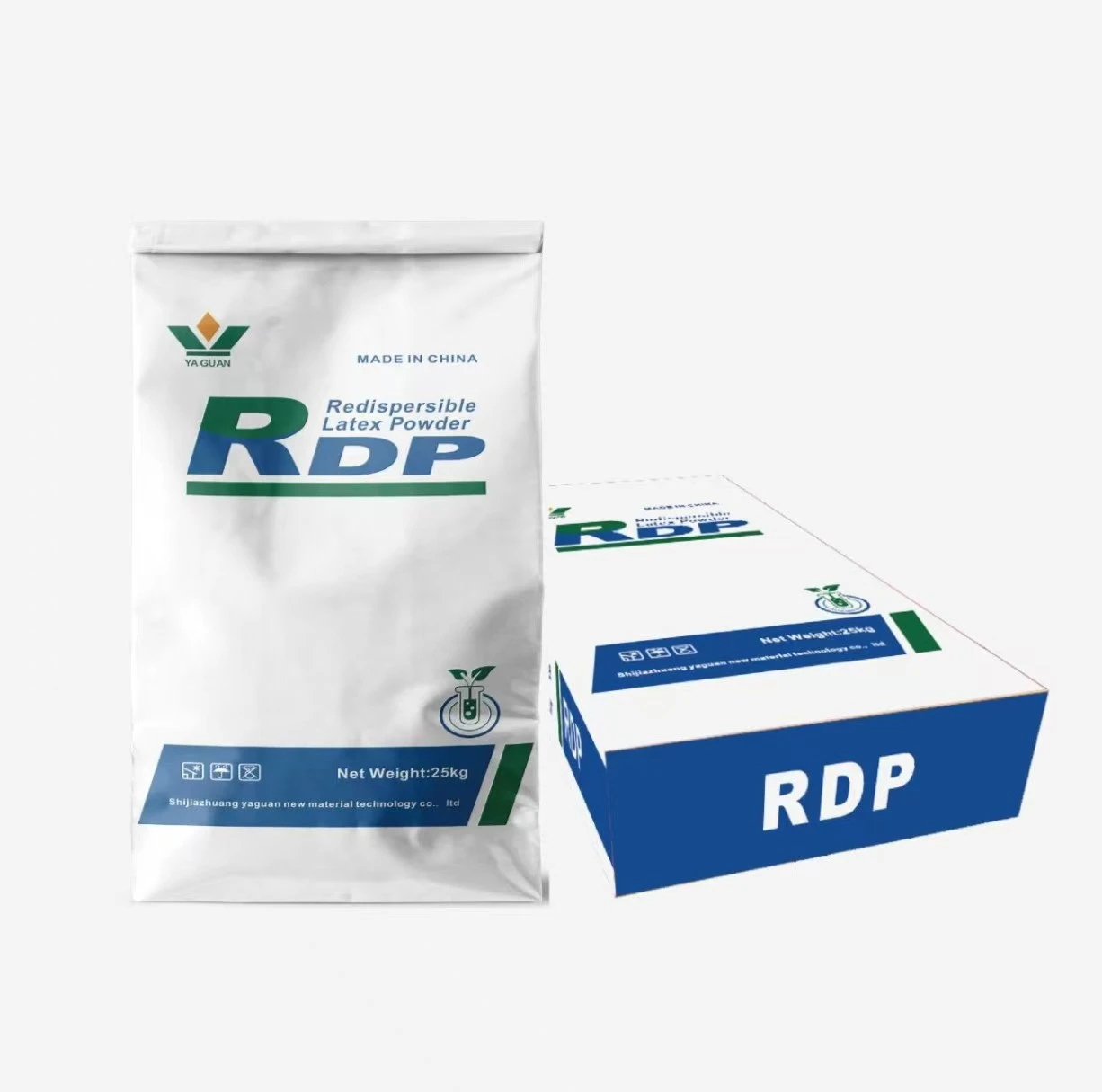
At its core, redispersible polymer powder is a type of finely milled, spray-dried polymer that, when mixed with water, rehydrates (or “redisperses”) into a flexible latex film within cementitious mixtures. Imagine it as a kind of “polymer booster” that transforms dry mixes into versatile adhesives or mortars with better bonding, flexibility, and water resistance.
It’s intimately linked with modern facade coatings, tile adhesives, repair mortars, and even self-leveling compounds. Essentially, it bridges the gap between rigid old-school cement and the dynamic demands of 21st-century construction.
Core Features of Redispersible Polymer Powder
- Durability: Enhances crack resistance and protects against water penetration—key for longevity.
- Adhesion: Improves bonding strength to various substrates like concrete, gypsum, and bricks.
- Flexibility: Adds elasticity, which reduces damage from thermal expansion and vibrations.
- Workability: Makes mixes easier to handle, spread, and cure without compromising strength.
- Compatibility: Compatible with multiple dry mix formulations and commonly used aggregates.
- Storage Stability: Stable in powder form for long periods, simplifying transport and handling worldwide.
So, you see, it's like having a silent partner in every bag of mortar ready to jump in and add big benefits without fuss.
Real-World Uses: How Redispersible Polymer Powders Make a Difference
In real terms, concrete and mortar modified with these polymer powders become resilient superheroes in many contexts.
- Urban Construction: High-rise buildings in earthquake-prone zones rely heavily on polymer-modified mortars for flexibility and adhesion.
- Infrastructure Repair: Bridges and tunnels exposed to constant moisture and temperature swings use these compounds to extend service life.
- Disaster Relief Operations: Emergency housing kits integrate polymer-enhanced mortars to ensure quick, sturdy rebuilding.
- Tile & Stone Adhesives: From Europe to Asia, the enhanced bonding helps maintain aesthetics and safety.
- Remote Industrial Projects: Sites lacking advanced equipment benefit from powders that improve mix performance with minimal training.
Industries ranging from construction giants to NGOs take note: it’s not just a chemical additive, but a performance upgrade for the building material “engine”.
Advantages & Long-Term Value You Can’t Ignore
From a cost perspective, polymer powders might feel like a tiny premium upfront, but their contribution to reduced material wastage, better waterproofing, and longer intervals between repairs easily repays that over time. Sustainability-wise, less frequent rebuilding means fewer emissions and reduced demand for raw materials.
Beyond dollars and cents, the emotional benefits ripple through communities: safer, stronger homes boost trust in rebuilding efforts and affirm dignity during recovery phases. Engineers report that working with redispersible polymer powders “feels” more predictable—no nasty surprises mid-project that cause delays or failures.
The Road Ahead: Trends and Innovations in Polymer-Modified Mortars
Looking ahead, the integration of bio-based polymers and nanotechnology promises to make redispersible powders even greener and more efficient. Some manufacturers explore smart polymers that respond to environmental stress, signaling when repairs are needed.
Meanwhile, digitalization of quality controls via blockchain in supply chains is ensuring traceability and authenticity of these powders worldwide. It’s a dynamic field merging material science with tech that could reshape post-disaster rebuilding and urban planning strategies.
Common Challenges & Modern Solutions
Of course, no marvel is without its quirks. Moisture sensitivity during storage, dosage errors on the job site, and compatibility issues occasionally hamper performance. But smart formulation tweaks and improved packaging designs—alongside better training resources—are steadily overcoming these hurdles.
Many engineers suggest field testing mixes under local conditions before large-scale application. This kind of hands-on verification, coupled with data-sharing platforms like the redispersible polymer powder wiki, sheds light on best practices and helps avoid costly mistakes.
FAQ: Your Curious Questions About Redispersible Polymer Powder
- What makes redispersible polymer powders essential for modern tile adhesives?
- They improve adhesion flexibility and water resistance, preventing tiles from cracking or detaching even under movement or moisture changes.
- Can these powders be used in both indoor and outdoor applications?
- Absolutely. Their versatility allows them to withstand different climates and hold up in both protected interiors and exposed outdoor environments.
- Is redispersible polymer powder compatible with all cement types?
- Mostly yes, especially with Portland cement and gypsum-based mixes, but compatibility should always be double-checked per specific formulations.
- How long can polymer-modified mortars last in harsh weather?
- When properly applied, these modified mortars can extend lifespan by decades compared to traditional mixes, especially in freeze-thaw or wet conditions.
- Are polymer powders eco-friendly?
- While derived from polymers, ongoing advances are focusing on bio-based options and reducing carbon footprints in manufacturing and transport.
Quick Reference: Product Specification Table
| Specification | Typical Range | Unit |
|---|---|---|
| Polymer Type | Vinyl Acetate-Ethylene (VAE) | – |
| Particle Size | 10–45 | Microns |
| Redispersion Rate | >95% | % |
| Bulk Density | 300–600 | kg/m³ |
| Shelf Life | 12 | months |
Vendor Comparison: Leading Redispersible Polymer Powder Suppliers
| Supplier | Product Range | Price (per ton) | Sustainability Certifications | Lead Time |
|---|---|---|---|---|
| Yaguan HPMC | VAE-based powders, customized blends | $1,200 | ISO 14001, REACH | 2 weeks |
| PolyChem Corp | Standard VAE powders | $1,100 | ISO 9001 | 3 weeks |
| EcoPolymer Ltd. | Bio-based polymer powders | $1,450 | Cradle to Cradle, FSC | 4 weeks |
In Closing
Redispersible polymer powders might sound like niche materials buried deep in technical datasheets, but they are quietly shaping how our built environments endure and evolve. From adapting to shrinking carbon budgets to offering rapid resilience in crisis zones, this little powder pack’s implications are broad and real.
So, the next time you walk by a subway station, a skyscraper, or a freshly tiled floor, think of the tiny polymers at work. If you’re curious to dive deeper or source the right product, don’t hesitate to visit our website. There, you’ll find a trove of info and specialists ready to help.
Mini Takeaway:
Redispersible polymer powders transform dry mixes into flexible, durable construction materials used worldwide — a must-know for anyone tackling modern building challenges.