
Understanding the Redispersible Polymer Powder Market Share: A Global Perspective
If you’ve ever wondered about those behind-the-scenes materials that make modern construction smarter, more durable, or even greener, redispersible polymer powders (RPPs) play a surprisingly big role. Globally, the redispersible polymer powder market share is more than just a number—it’s a reflection of how industries are innovating, responding to sustainability demands, and tackling challenges from harsh weather to infrastructure needs. Why does this matter? Because the right polymers can transform concrete, plaster, or mortars, making buildings and infrastructure last longer while cutting costs and environmental impact.
The Global Context: Why Redispersible Polymer Powder Market Share Matters
Worldwide, construction is booming—in emerging markets, in urban revitalization efforts, even in humanitarian aid shelters. The global construction materials sector is expected to grow annually by 4-5% through 2030 (World Bank 2023). Within that, polymers like RPPs are steadily gaining ground because they improve adhesion, flexibility, and water resistance of binding materials. Interestingly, the redispersible polymer powder market share has shown significant rises especially in Asia-Pacific and Europe, driven by stricter building standards and a pivot toward environmentally friendly additives.
However, challenges persist: material costs fluctuate, regional regulations differ, and end-users often want faster, more reliable supply chains. This is where understanding the market share helps stakeholders identify gaps, forecast demand, and develop better formulas.
Mini takeaway:
- Redispersible polymer powders contribute to stronger, longer-lasting buildings.
- Global market share trends reveal adoption hotspots and technological innovation.
- Addressing market share nuances helps companies navigate supply and regulatory challenges.
What Exactly Is 'Redispersible Polymer Powder Market Share'?
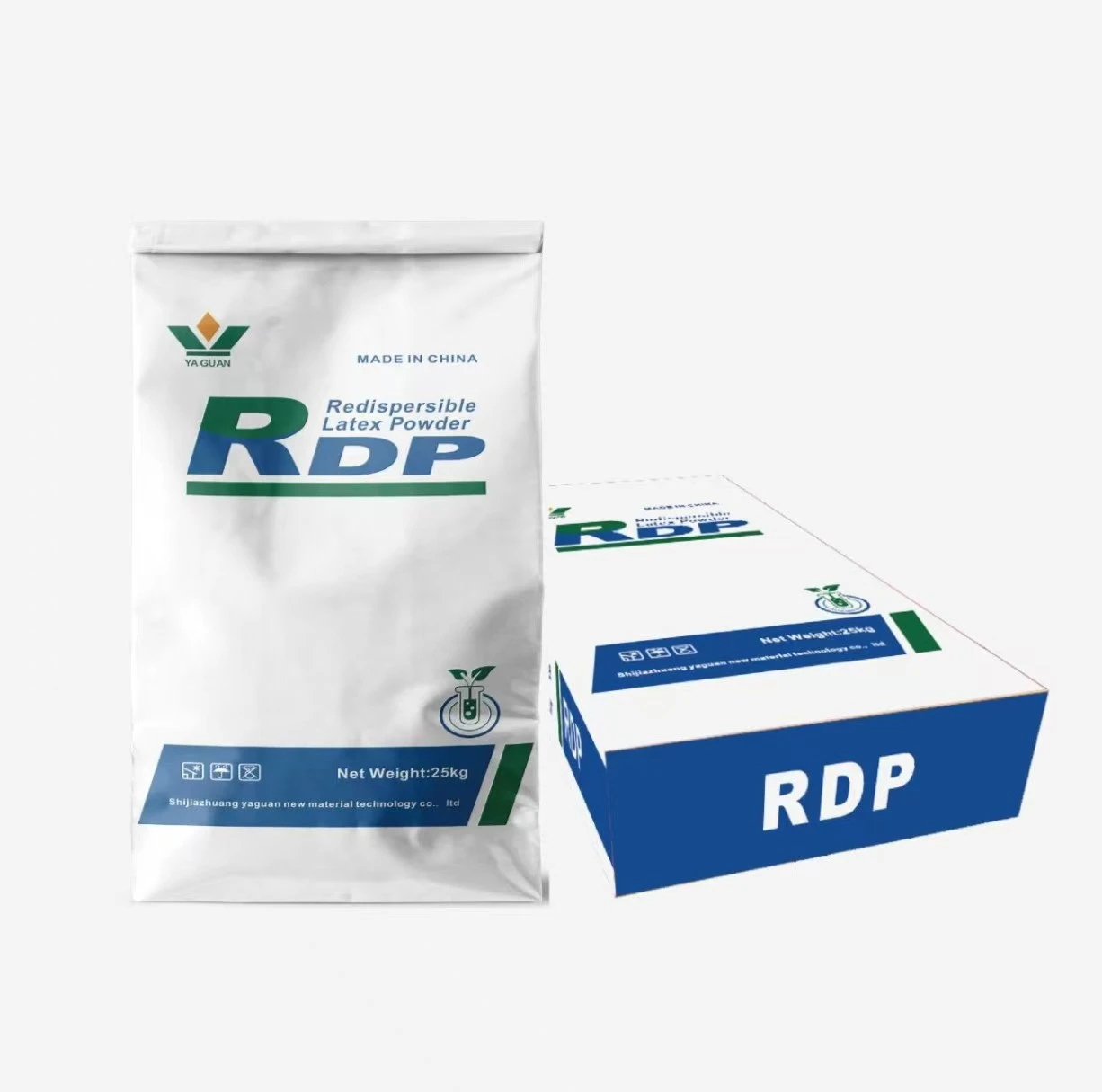
Put simply: redispersible polymer powder market share refers to the slice of the global or regional market controlled by different producers or uses of redispersible polymer powders. RPPs are special powders created by drying emulsions of polymers so that when mixed with water in construction products, they “redisperse” into a workable latex. Their magic lies in enhancing adhesion, flexibility, and durability—features critical to modern masonry, tile adhesives, self-leveling floors, and even insulation systems.
Beyond industrial benefits, these powders help meet humanitarian needs—think quick-setting mortars for emergency housing or repairs after natural disasters. Their rising market share reflects the growing trust and dependence on these versatile materials.
Mini takeaway:
- RPPs are powdered polymers that mix into construction materials for improved performance.
- Market share tracks how widely and in what applications these powders are used globally.
- The share growth reveals their increasing industrial and humanitarian importance.
Core Components Shaping Redispersible Polymer Powder Market Share
1. Durability
Polymers in powder form increase the overall strength and flexibility of mortars and adhesives. Many engineers say this reduces cracking and water penetration, effectively extending the lifespan of structures.
2. Cost Efficiency
Though RPPs can add to upfront material price, their contribution to decreased rework and maintenance costs often justifies the investment. Cost savings over a building’s lifecycle are potentially substantial, especially for large projects.
3. Scalability and Availability
Scaling production of RPPs reliably has played a big role in their growing market share. Industry leaders invest heavily in scalable production lines capable of meeting rising demand worldwide.
4. Sustainability & Environmental Impact
Manufacturers have been pushing formulations that reduce VOC emissions and use bio-based polymers. Sustainability initiatives increasingly influence market dynamics—low-impact RPPs are highly sought-after.
5. Regulatory Compliance
Markets with stricter product and safety standards tend to have higher uptake of quality RPPs. Compliance drives innovation and influences which vendors can claim larger slices of the market share.
Mini takeaway:
- Durability and cost-efficiency are key drivers behind RPP market growth.
- Production scale and sustainable formulations affect availability and adoption.
- Regulations push the market toward safer, greener products.
Real-World Applications Across Regions and Industries
The redispersible polymer powder market share is not an abstract idea—it reflects real usage trends.
- Asia-Pacific: The largest regional consumer, with booming construction and renovation sectors in China, India, and Southeast Asia.
- Europe: Emphasis on sustainability and new building codes have boosted demand for high-quality RPPs.
- North America: Growing use in DIY industry and industrial repair products, with innovations in polymer chemistry taking center stage.
- Africa and Middle East: Emerging markets and disaster relief efforts increasingly rely on these powders for quick, durable solutions.
In practical terms, builders in flood-prone areas use polymer-enhanced mortars for water resistance. In remote industrial zones, workers favor RPPs for their ease of transport and long shelf life. NGOs involved in disaster relief pack RPP-based mortar kits that can be quickly rediscovered—that is, mixed back into adhesives or renders on site—providing reliable shelter repair capabilities.
Mini takeaway:
- RPPs find diverse uses across continents and industries.
- Local construction needs, climate, and regulations shape market share distribution.
- Humanitarian applications highlight social impact as well as commercial gains.
Advantages & Long-Term Value of Redispersible Polymer Powders
The technical advantages are clear—stronger adhesion, enhanced flexibility, water resistance, and workability improvements. But beyond specs, there’s an emotional and practical layer that is often overlooked:
- Safety: More durable structures mean less risk of failure—jobs done right the first time.
- Dignity: Better building materials mean better quality homes, schools, and clinics in vulnerable places.
- Innovation & Trust: RPPs are the quiet champions in new materials that build trust with architects and contractors alike.
- Sustainability: Environmental impacts are mitigated by polishes in polymer chemistry and waste reduction.
Frankly, investing in materials with growing market share like RPPs feels like investing in both the present and future of construction.
Product Specification Table
| Parameter | Typical Range | Units | Notes |
|---|---|---|---|
| Polymer Content | 55–65 | % w/w | Influences adhesive strength |
| Particle Size Distribution | 10–80 | µm | Affects mixing and flow properties |
| Redispersibility | >95 | % | Percentage re-dispersed in water |
| VOC Emissions | % wt | Low volatile organic compounds | |
| Shelf Life | 12–24 | months | Depending on storage conditions |
Vendor Comparison: Market Leaders
| Vendor | Global Market Share | Primary Regions | Sustainability Focus | R&D Investment |
|---|---|---|---|---|
| PolyPowder Inc. | 28% | Europe, Asia | High | $10M/year |
| Redispoly Tech | 22% | North America, Europe | Medium | $7M/year |
| Polybind Solutions | 17% | Asia, Middle East | Medium | $5M/year |
| EnviroRedispersibles | 12% | Europe | Very High | $12M/year |
Looking Ahead: Trends and Innovations in the RPP Market
Not to sound like a broken record, but sustainability remains central. Innovations such as bio-based polymers and reduced-energy manufacturing methods are reshaping this market. At the same time, digitalization helps suppliers better forecast demand and optimize logistics, addressing historic problems in supply chain gaps that often leave builders waiting.
Emerging trends include incorporating nanoparticles to enhance performance or adapting powders for 3D printing applications in construction—odd to think about as it sounds, but there’s a growing synergy there.
Challenges and How the Industry Is Tackling Them
Like most evolving industries, the redispersible polymer powder market faces hurdles. Variability in raw material costs can make pricing unstable. Some regions still lack awareness or infrastructure for optimal use of RPP-enhanced products. Plus, environmental regulations—though necessary—add complexity to production.
Industry experts suggest collaboration between manufacturers, regulators, and end-users to develop standards and training. Also, smart contracts and blockchain solutions are being piloted to ensure traceability and quality assurance across supply chains. There’s progress, but it’s definitely a journey.
FAQs About Redispersible Polymer Powder Market Share
- What applications benefit most from redispersible polymer powders?
RPPs are primarily used in tile adhesives, self-leveling floor compounds, renders, and waterproof mortars. Their adhesion and flexibility improvements are critical in harsh weather conditions and complex structural designs. - How does regional demand influence market share?
Demand peaks where construction activity is high and local standards encourage polymer use. For instance, Asia’s rapid urbanization has sparked major growth in RPP consumption, shifting the global market shares of key vendors. - Are these powders eco-friendly?
Modern RPPs are increasingly designed with sustainability in mind—low VOC emissions, bio-based ingredients, and recyclable packaging. Though not perfect, they present a greener alternative to older cement additives. - Can small-scale contractors access these products easily?
Availability varies. Larger vendors have distribution networks spanning major markets, but in remote or developing areas smaller supply channels or imports may be needed. Awareness and training also play a role. - What is the shelf life and storage condition for RPPs?
Typically, shelf life ranges from 12 to 24 months if stored in dry, cool conditions. Proper packaging is essential to maintain redispersibility after storage.
Concluding Thoughts: The Growing Value of Redispersible Polymer Powder Market Share
In the end, the redispersible polymer powder market share is much more than a statistic—it’s an indicator of a transforming industry embracing durability, sustainability, and smart innovation. The versatility of RPPs empowers builders worldwide, allowing stronger, safer, and more sustainable structures.
Whether you’re a supplier, engineer, or stakeholder seeking to understand market shifts, watching this space closely offers real insight—solutions that not only withstand time but respect tomorrow’s environmental needs.
For an in-depth look or to explore supply options, visit https://www.yaguanhpmc.com. There’s a lot happening here, and it’s well worth the attention.
Final mini takeaway:
- RPP market share growth reflects industry progress in technology and sustainability.
- Understanding component factors and global applications helps stakeholders stay ahead.
- Future trends promise more efficient, greener materials and smarter supply chains.