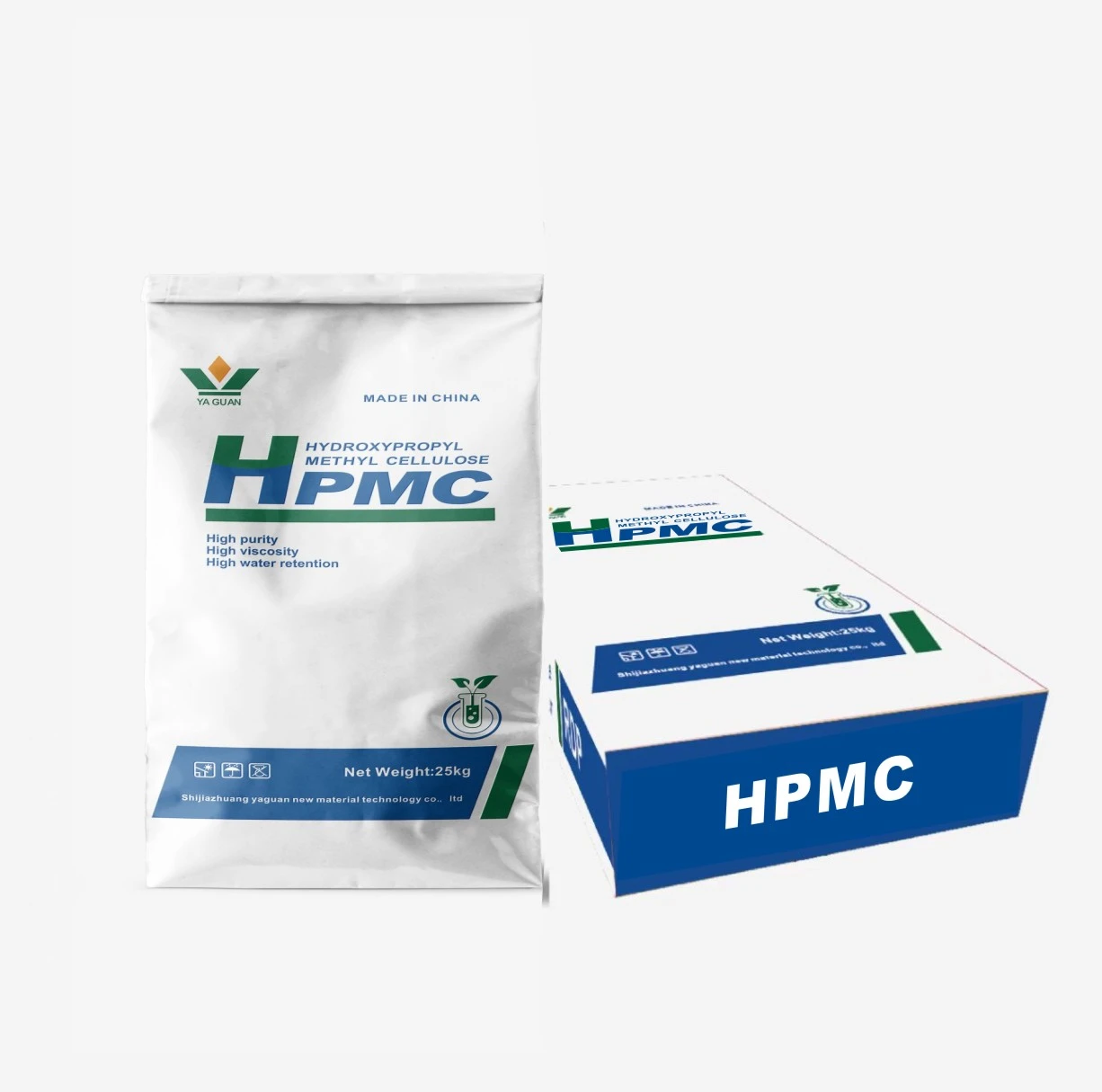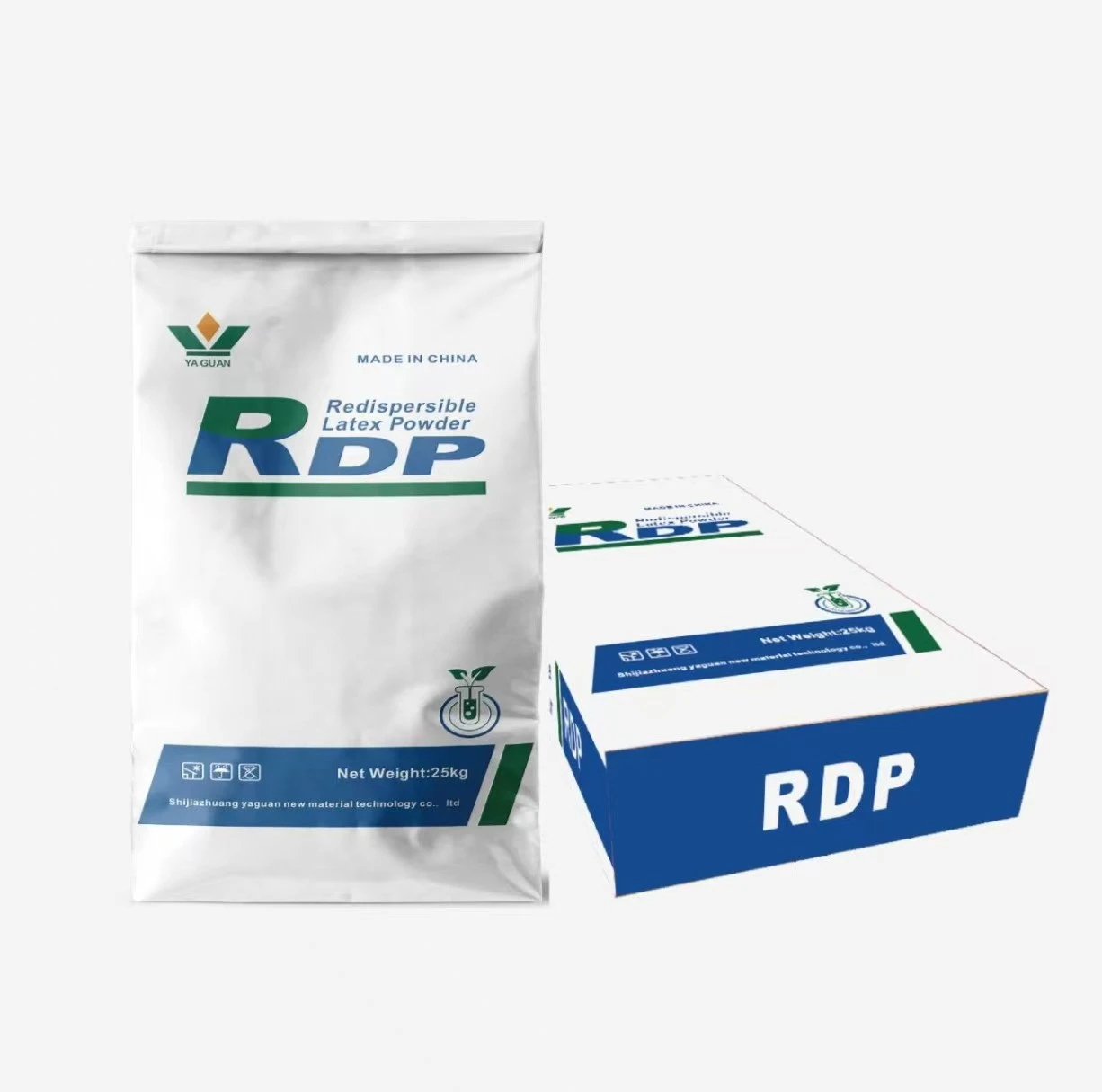

What Is Vinyl Acetate Ethylene Redispersible Powder and Why You Should Care
It’s a mouthful, isn’t it? Vinyl acetate ethylene redispersible powder, often abbreviated as VAE powder, might sound like some obscure chemical compound locked away in a lab. But truth is, it’s quietly doing a lot of heavy lifting in industries across the globe—from building materials to packaging and even humanitarian aid. Understanding this powder, its role, and especially its global impact can give you a surprisingly clear window into how complex supply chains and sustainable products come together.
Frankly, as cities expand and infrastructure demands soar, materials that combine durability with adaptability and eco-awareness become invaluable. VAE powders fit neatly into that narrative by enhancing construction products from plasters to sealants—and they also solve significant logistical challenges when it comes to transport and storage. Keep reading if you want to get a solid grasp on why this stuff really matters.
The Global Context: Why Vinyl Acetate Ethylene Redispersible Powder Is More Relevant Than Ever
Let’s start with some numbers to ground this in reality: the global construction industry alone is expected to surpass $15 trillion by 2030, according to the World Bank. And with rising environmental regulations, there’s a push for materials that not only perform well but reduce waste and carbon footprint. Here’s where vinyl acetate ethylene redispersible powder shines.
Countries with large infrastructure projects—think China, India, and parts of Europe—are ramping up the use of polymer-modified mortars, where these powders enhance properties like flexibility and adhesion. Plus, given the unpredictability of climate change, durable and repairable construction materials are critical for disaster-prone areas. It’s actually quite remarkable how a seemingly simple polymer powder addresses complex problems such as material longevity and sustainability simultaneously.
Mini takeaway:
- VAE powder’s global demand ties to booming construction and sustainability trends.
- Its role in creating tougher, greener construction materials is well recognized.
Breaking It Down: What Exactly Is Vinyl Acetate Ethylene Redispersible Powder?
In everyday terms, vinyl acetate ethylene redispersible powder is a finely milled polymer powder. It originates from vinyl acetate-ethylene copolymers, processed into a powder form that can be re-dispersed in water. Essentially, when mixed back into mortars, it acts like a glue, enhancing the binding and elasticity of cementitious products.
You could think of it as a “smart additive” in building materials. Unlike traditional polymers, once dried, it turns back into a flexible latex that improves the properties of plasters, tile adhesives, and waterproofing membranes. This flexibility means crack resistance improves, surfaces last longer, and construction teams get easier-to-apply mixes. It’s quite cool how chemistry lends itself to practical human needs.
Mini takeaway:
- VAE powder is a polymer additive enhancing binding and flexibility.
- It works wonders in improving cement-based products’ durability and processing.
Core Components Shaping Vinyl Acetate Ethylene Redispersible Powder’s Performance
1. Durability
The inclusion of VAE powder in construction mixes dramatically enhances durability. Mortars become less prone to cracking and water ingress, which is key in frost-prone or humid environments. Many engineers highlight this as a game-changer.
2. Water Retention & Workability
VAE powders help keep mortars moist longer during curing. This translates into better bonding strength and a more workable mix that applies smoothly even in tricky temperatures.
3. Adhesion
A core attribute is improved adhesion to various substrates, whether ceramics, metals, or concrete. This is vital for strong, long-lasting tiles or coatings.
4. Environmental Stability
The powders maintain their properties across temperature ranges and resist UV degradation, ensuring long-term performance outdoors.
5. Ease of Transport and Storage
Being a powder, VAE is dry and lightweight, reducing risks of spoilage and improving shelf life compared to liquid polymers that can be cumbersome or temperature-sensitive.
Mini takeaway:
- Durability, workability, adhesion, and stability are key pillars.
- Powder form aids logistics, making it practical beyond the lab.
Global Applications & Real-World Use Cases
Vinyl acetate ethylene redispersible powder finds itself at the crossroads of several vital industries:
- Construction: Used extensively in tile adhesives, self-leveling compounds, exterior insulation finishing systems (EIFS), plasters, and waterproofing.
- Housing in Disaster Zones: NGOs rely on VAE-enhanced mortars for rapid-repair mixing; the flexible adhesion reduces rebuild times and costs.
- Packaging: Modified coatings using VAE powders improve paper, cardboard, and flexible packaging’s durability, relevant especially in food safety.
Regions with harsh climates such as Scandinavia, Canada, and parts of Central Asia benefit from the added performance in construction products. Additionally, manufacturers in emerging markets like Southeast Asia increasingly adopt VAE powders to meet international quality standards.
Mini takeaway:
- Used across construction, packaging, and humanitarian efforts.
- Adaptable to diverse climates and economic conditions worldwide.
Advantages & Long-Term Value of Vinyl Acetate Ethylene Redispersible Powder
On the face of it, VAE powders boost a product’s lifetime performance, but the benefits run deeper:
- Cost Efficiency: Reduces material failures, repairs, and waste.
- Sustainability: Enables products that last longer with less environmental toll.
- Safety & Comfort: Construction materials with better adhesion and flexibility reduce structural risks.
- Innovation & Trust: Proven technology helps brands stand out in competitive markets.
Oddly enough, many contractors mention the “feel” of VAE-enhanced materials — smoother mixes, easier application, less shrinkage. This improves the workflow and morale on-site. So it’s not just about numbers but an entire ecosystem of better quality and experience when using these powders.
Product Specification Table: Example VAE Redispersible Powder
| Specification | Typical Value | Unit |
|---|---|---|
| Particle Size (D50) | 15–20 | μm |
| Vinyl Acetate Content | 75 | % |
| Glass Transition Temperature (Tg) | 28 | °C |
| Redispersion Rate | >95 | % |
| Bulk Density | 0.35 | g/cm³ |
Comparing Major Vendors of Vinyl Acetate Ethylene Redispersible Powder
| Vendor | Product Grade | Typical Use | Price Range (USD/kg) | Availability |
|---|---|---|---|---|
| Company A | VAE-Standard | Tile Adhesives, Waterproofing | 3.5–4.2 | Global |
| Company B | VAE-HighFlex | Exterior Plasters, EIFS | 4.0–5.0 | Europe, Asia |
| Company C | VAE-EcoMix | Eco-Friendly Mortars | 3.8–4.5 | North America, Australia |
Looking Ahead: Future Trends and Innovations in VAE Powder Use
Emerging trends suggest an increasing demand for vinyl acetate ethylene redispersible powder tailored for green building standards. Manufacturers are tweaking polymer compositions to improve biodegradability and further reduce VOC emissions. At the same time, automation in material mixing and AI-driven quality control means more precise use and less waste overall.
Some researchers are experimenting with nanotechnology to create powders that enhance both thermal insulation and mechanical strength. It feels like materials science here is evolving toward multifunctionality. This means construction materials won’t just last longer—they might self-heal or adapt dynamically to changing conditions. Now that’s exciting.
Common Challenges and How the Industry Is Solving Them
Of course, no material is perfect. For vinyl acetate ethylene redispersible powders, challenges like batch-to-batch consistency, dust control during handling, and ensuring compatibility with diverse cement types remain.
Many suppliers now embed rigorous testing protocols per ISO standards and provide technical support for custom formulations. Additionally, encapsulating powders or blending with other polymers reduces dust and enhances safety. Users also report improved on-site training as a practical solution to maximize results.
FAQs: Practical Insights About Vinyl Acetate Ethylene Redispersible Powder
- 1. How does vinyl acetate ethylene redispersible powder improve tile adhesive performance?
- When added, the powder enhances flexibility and adhesion, allowing tile adhesives to bond more securely to substrates, reducing cracking and delamination over time.
- 2. Can this powder be used in cold climates?
- Absolutely. VAE powders retain flexibility and adhesion even at low temperatures, making them suitable for frost-prone regions and harsh winters.
- 3. Is vinyl acetate ethylene redispersible powder environmentally friendly?
- While it is a synthetic polymer, using VAE reduces material waste and extends product life cycles, which supports sustainability goals. Research into biodegradable versions is ongoing.
- 4. How long can mortar mixes containing VAE powder be stored before use?
- Dry powder form allows storage typically up to 12 months in sealed packaging, but always follow supplier guidelines to ensure performance.
Wrapping Up: Why Vinyl Acetate Ethylene Redispersible Powder Deserves Your Attention
In sum, vinyl acetate ethylene redispersible powder quietly powers a large segment of modern construction and packaging materials, championing durability, flexibility, and sustainability in equal parts. With global trends pushing for smarter, greener, and more resilient infrastructures, understanding and utilizing this powder isn’t just smart — it’s essential.
If you want to explore this further or consider sourcing high-quality VAE powders, don’t hesitate to visit our website for comprehensive product info and expert advice.
Final quick thought:
Sometimes, it’s these unassuming chemical powders that hold buildings—and lives—together, which makes learning about them oddly fascinating.