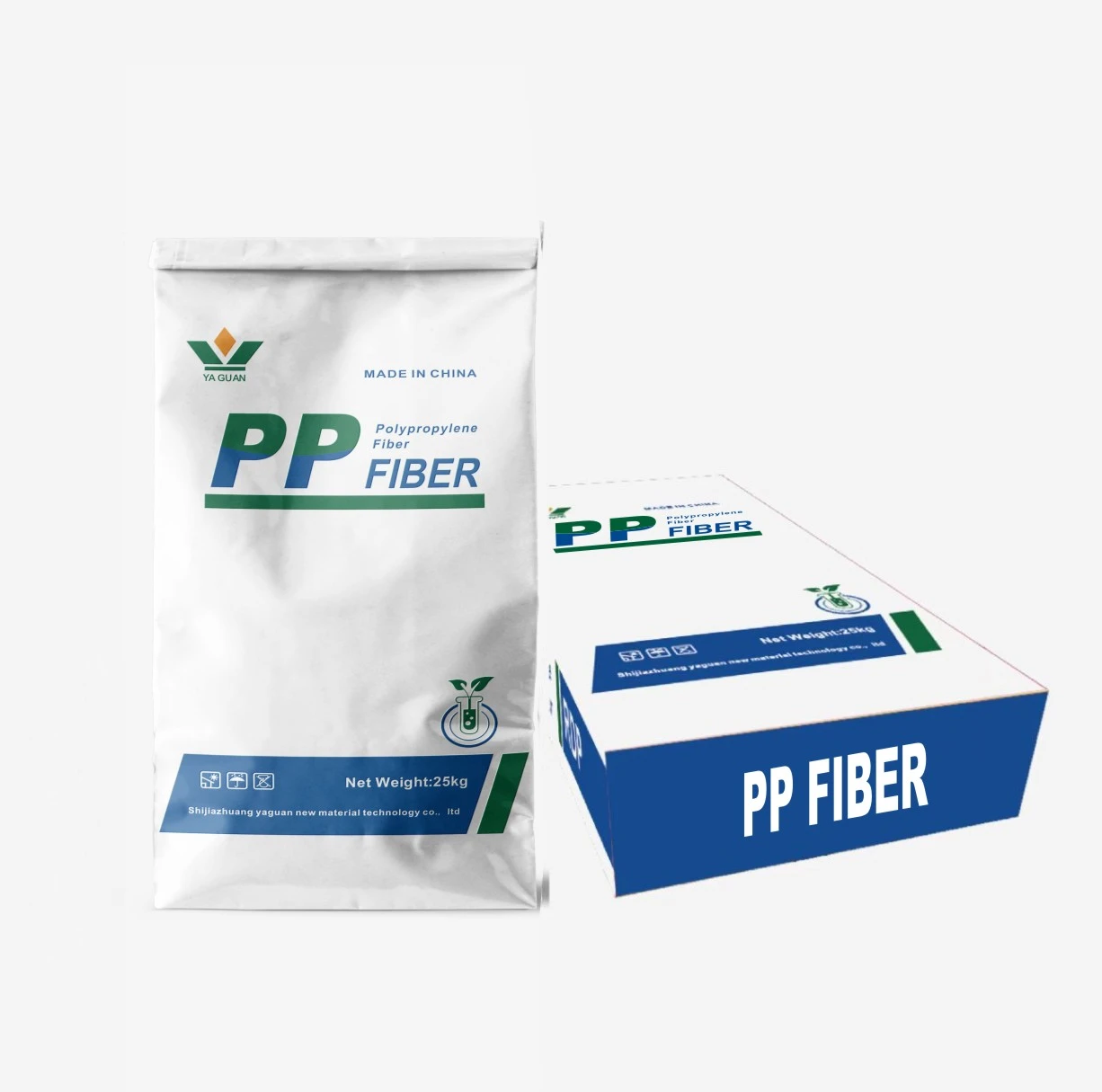

Redispersible Polymer Powder HS Code: Why It Matters in Global Trade
If you’re involved in construction materials, polymer chemistry, or international trade, you’ve probably bumped into the term redispersible polymer powder HS code more than once. But what exactly is it, and why does it keep cropping up in global shipping documents and trade statistics? In simple terms, the HS (Harmonized System) code classifies goods internationally for customs and statistics. For redispersible polymer powders—which play a pivotal role in modern construction and material science—this code isn't just an industry formality; it’s a critical key to smooth cross-border commerce and regulatory compliance worldwide.
Understanding this code means faster customs clearance, fewer headaches for importers and exporters, and ultimately smoother supply chains. Plus, it highlights how deeply intertwined global trade systems are with the tiniest building blocks of our engineered world.
Mini takeaway:
- HS codes are universal identifiers that simplify global trade.
- For redispersible polymer powders, the right HS code unlocks international market access and clarity.
The Global Significance of Redispersible Polymer Powder HS Code
Redispersible polymer powders have found their place in everything from flexible tile adhesives to insulation and waterproofing. The market for construction chemicals is growing rapidly—projected to reach nearly $50 billion by the mid-2020s according to the United Nations trade statistics. But international trade remains riddled with classification challenges. The correct HS code for these powders ensures consistent application of tariffs, faster customs approvals, and clarity in trade policies.
Why the fuss? Imagine a shipment of polymer powders stuck in customs for weeks because of misclassification. Construction projects pause, companies lose money, and trust erodes. Considering that countries rely on these materials for housing, social infrastructure, and disaster relief efforts, the stakes are high. Accurately tagging these products on shipping manifests with the correct HS code is no small matter.
Mini takeaway:
- Global demand for polymer powders is skyrocketing, making proper regulation critical.
- HS codes help solve trade bottlenecks and prevent costly customs delays worldwide.
What Exactly Is the “Redispersible Polymer Powder HS Code”?
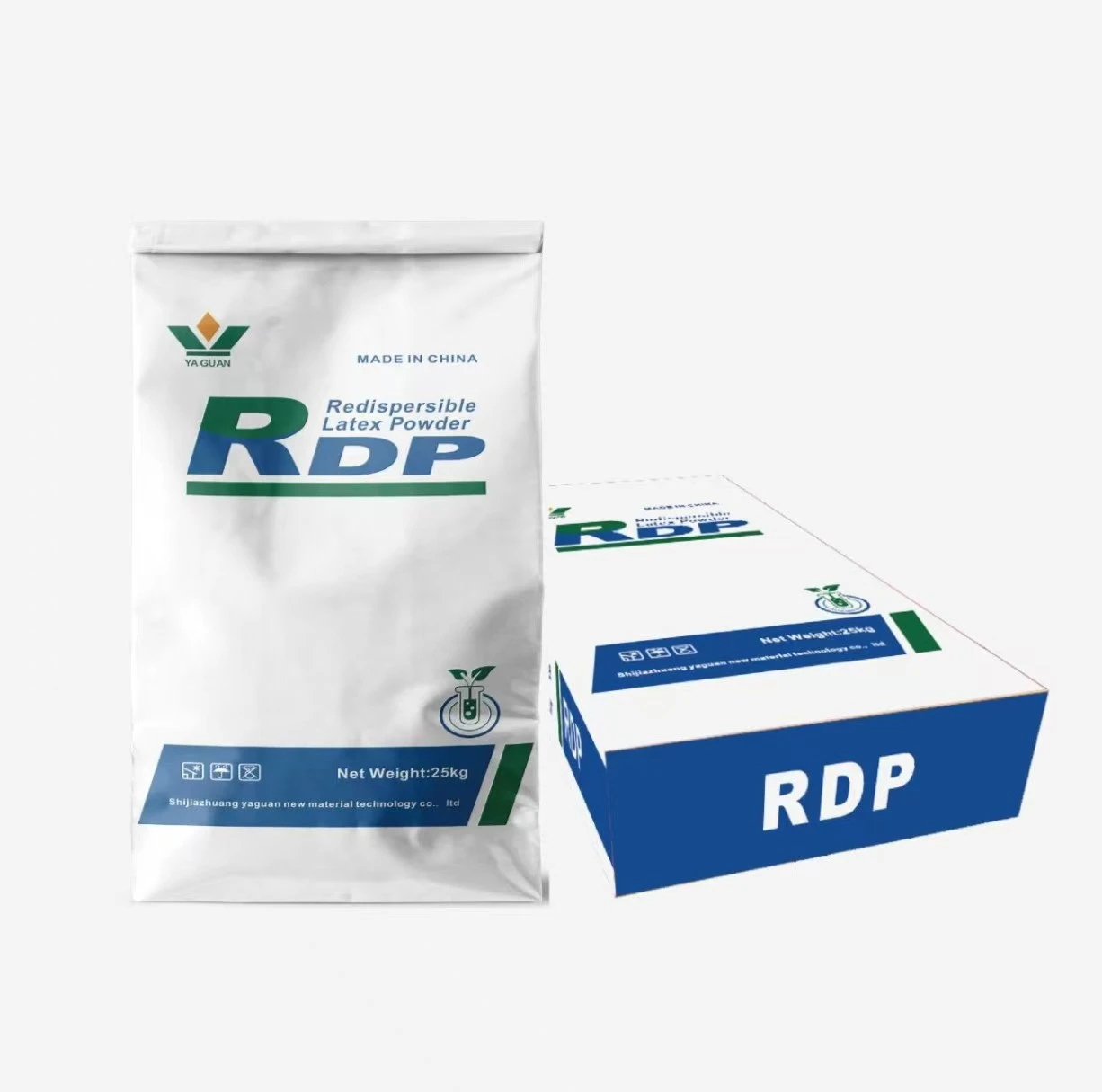
Before we dive deeper, here’s a quick definition: The redispersible polymer powder HS code refers to the specific numeric code assigned to redispersible polymer powders under the international Harmonized System. This code helps customs authorities identify, classify, and regulate the product when it crosses borders.
Redispersible polymer powders themselves are finely ground polymers that can be mixed with water to "redisperse" back into a homogenous latex-like substance. They're commonly used to enhance the adhesive qualities, flexibility, and durability of cement and mortar mixes.
This powder form is especially prized for its long shelf life and ease of transport, compared to liquid polymers. Distribution worldwide relies heavily on getting the HS code right—no small task when many similar powders exist in the market.
Mini takeaway:
- The HS code is a numeric "passport" for redispersible polymer powders in global shipping.
- These powders transform dry mixes into flexible, long-lasting construction materials.
Key Aspects of Redispersible Polymer Powder and Their Influence on HS Classification
1. Composition and Purity
The powder's chemical makeup, typically vinyl acetate ethylene (VAE) or similar copolymers, influences customs classification. Purity levels can distinguish the product from other polymer powders like PVC or EVA, which have different codes.
2. Physical Form and Packaging
While it’s powder at room temperature, packaging sizes—ranging from 5 kg bags to bulk containers—play a role in trade procedure. Larger bulk packages might face different tariffs or import regulations.
3. Intended Application
Used in cementitious mixes, waterproofing, or insulation, the powder’s industrial use impacts its classification. HS codes often reflect its role, separating polymers intended for plastics production from those for construction.
4. International Standards Compliance
Meeting ISO, ASTM, or other industry standards prompts easier classification. Noncompliance can cause customs scrutiny, leading to delays or misclassification risks.
5. Environmental & Safety Attributes
Increasingly, formulations considered eco-friendly or low in VOCs attract favorable customs treatment under green product policies.
Mini takeaway:
- Multiple factors—from chemistry to packaging—affect how customs classify these powders.
- Understanding these helps manufacturers and traders avoid costly missteps.
How and Where Are Redispersible Polymer Powders Applied Globally?
By far, the largest consumer industries for these powders include construction, infrastructure, and even humanitarian aid. For instance:
- Europe & North America: Sophisticated building codes encourage the use of polymer-modified mortars for energy-efficient housing.
- Asia-Pacific: Rapid urbanization and booming infrastructure require large-scale production and export of these powders.
- Disaster Relief Zones (Global): NGOs use materials enhanced with these powders to build temporary shelters faster and with better durability.
- Remote Industrial Sites: Polymer powders enable onsite mixing for durable flooring or wall systems where ready-made adhesives are impractical.
One innovative case came from Southeast Asia, where a construction firm reduced water use by 30% using polymer powders, aligning with regional sustainability goals.
Mini takeaway:
- Redispersible polymer powders underpin modern, eco-conscious construction worldwide.
- Their use ranges from mega urban projects to life-saving post-disaster shelters.
Advantages & Long-Term Benefits of Understanding the Redispersible Polymer Powder HS Code
Getting the HS classification right isn’t just about paperwork. It delivers tangible benefits:
- Cost Efficiency: Avoids unexpected tariffs and customs fees, lowering overall import/export costs.
- Sustainability: Facilitates trade in eco-labeled polymers, supporting global green building trends.
- Reliability & Safety: Ensures materials pass through customs without delay, enabling timely project completion.
- Social Impact: Speeds delivery of critical materials to humanitarian agencies, supporting vulnerable populations.
- Innovation & Trust: Accurate HS coding builds confidence between trading partners in a global supply chain.
By embracing the nuances of HS codes for polymer powders, companies safeguard their market position and improve international relationships – a win-win in an increasingly connected world.
Product Specification Table
| Specification | Typical Value | Notes |
|---|---|---|
| Polymer Type | Vinyl Acetate Ethylene (VAE) | Most common formulation |
| Particle Size | Ensures easy redispersion | |
| Water Redispersion | > 98% efficiency | Critical for performance |
| Density | ~350 kg/m³ | Bulk handling metric |
| Shelf Life | 24 months | Stored in dry, cool place |
Vendor Comparison: Major Suppliers of Redispersible Polymer Powders
| Supplier | Product Range | Global Reach | Certification | Typical Lead Time |
|---|---|---|---|---|
| Yaguan Chemical | Standard & Custom Powders | Asia, Europe, Americas | ISO 9001, ISO 14001 | 2-3 weeks |
| BASF | High-Performance Powders | Global | ISO, REACH Compliant | 1-2 weeks |
| Wacker Chemie | Tailored Polymer Powders | Europe, Asia | ISO 9001, Sustainability labels | 3-4 weeks |
Future Trends and Innovations Shaping Redispersible Polymer Powder Trade
It’s an odd paradox – polymers are synthetic yet vital for greener construction. Recent innovations focus on bio-based redispersible powders and improving lifecycle sustainability. Automation and AI are impacting global supply chains—from predicting customs classifications to managing stock levels remotely. There’s also a rising push for tighter international regulations, which will make understanding the redispersible polymer powder hs code even more crucial.
In real terms, you’ll see more integration between digital customs clearance platforms and chemical databases, reducing friction. Plus, as governments tighten carbon reduction goals, manufacturers are retooling formulations which in turn may shift HS coding nuances.
Mini takeaway:
- Technology and sustainability are reshaping both product design and trade procedures.
- Understanding HS codes will keep you ahead as rules evolve and supply chains digitize.
Common Challenges and How to Overcome Them
Despite all the progress, companies often face:
- Misclassification: Close polymer variants can confuse customs, causing delays.
- Regulatory Changes: Frequent updates to tariff codes mean you have to stay constantly informed.
- Documentation Errors: Incorrect paperwork around HS codes triggers audits or penalties.
Luckily, solutions include engaging customs brokers with polymer expertise, subscribing to regulatory update services, and investing in training. Leveraging vendors who proactively support classification compliance also reduces risk. Frankly, staying proactive is the smartest investment when dealing with redispersible polymer powders worldwide.
FAQ: Frequently Asked Questions About Redispersible Polymer Powder HS Code
- 1. What is the exact HS code for redispersible polymer powders?
- The code typically falls under chapter 39 of the HS system, which covers plastic materials in primary forms. More precisely, it’s often recorded as 3906.90. However, countries may have slight variations, so always confirm with local customs.
- 2. How does accurate HS coding affect project timelines?
- A correct HS code ensures quicker customs clearance—delays caused by misclassification can stall supply chains weeks, negatively impacting building schedules.
- 3. Can redispersible polymer powders be shipped internationally without special permits?
- Generally, these powders are non-hazardous and do not need special permits, but you should verify your destination country’s import requirements to avoid surprises.
- 4. What role does the redispersible polymer powder hs code play in sustainability labeling?
- The HS code can distinguish eco-certified powders, which helps companies claim green building credits and benefits in customs incentives.
- 5. Where can I find official HS code updates?
- HS codes are updated by the World Customs Organization (WCO). National customs agencies typically publish adaptations annually. Regularly check their websites or subscribe to trade compliance newsletters.
Wrapping Up: The Long-Term Payoff
All told, understanding and correctly applying the redispersible polymer powder HS code is much more than an administrative step. It’s a cornerstone of smooth global trade, innovation, and sustainable construction. As markets expand and regulations tighten, being fluent in this topic not only safeguards your shipments but also positions your business for future opportunities.
Want to stay ahead of the curve? Visit our site to explore detailed info and options at Yaguan Chemical’s portal. Because in trade—as in construction—the details really do build the whole.