
Field Notes on a Workhorse: TiO₂ – Weather-Resistant Pigment for Paints & Coatings
If you’ve ever repainted a south-facing facade and wondered why some whites stay crisp while others chalk out, you’re really asking about titanium dioxide behavior under UV, moisture, and grime. To be honest, not all TiO₂ is created equal. The rutile, surface-treated kind—what we’re talking about here—has quietly become the backbone of durable architectural and industrial finishes.
What it is (and why specifiers keep coming back)
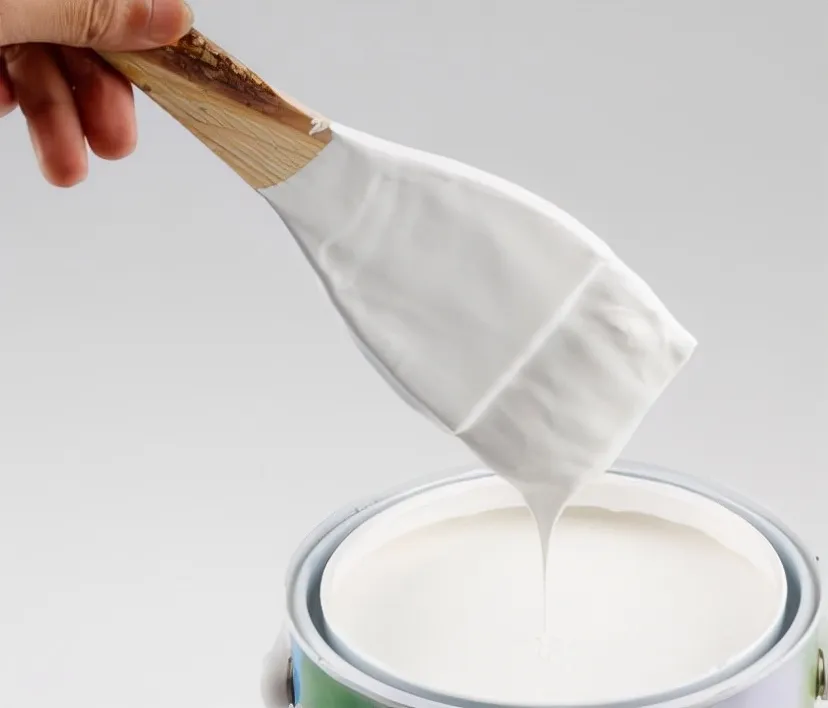
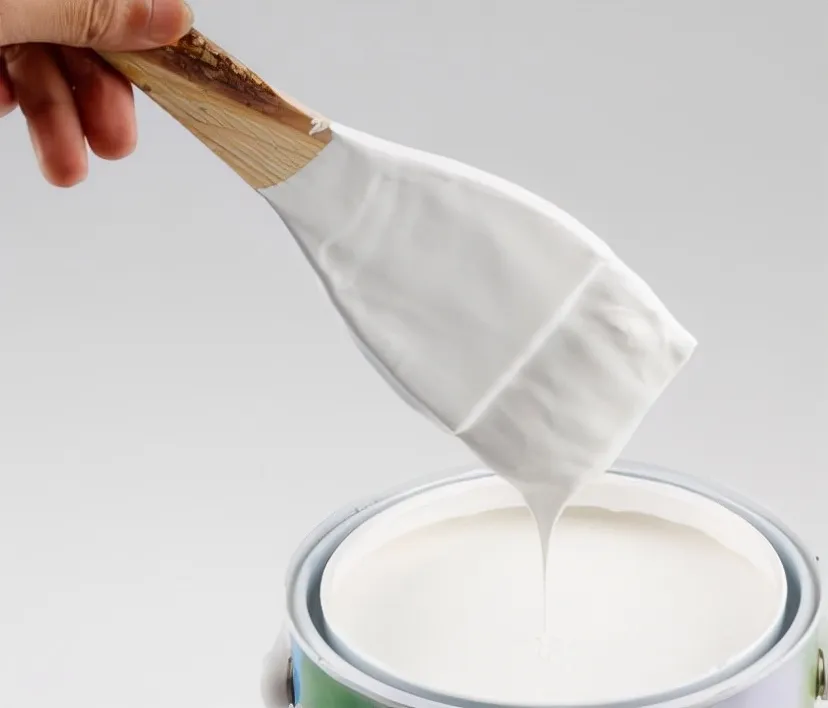
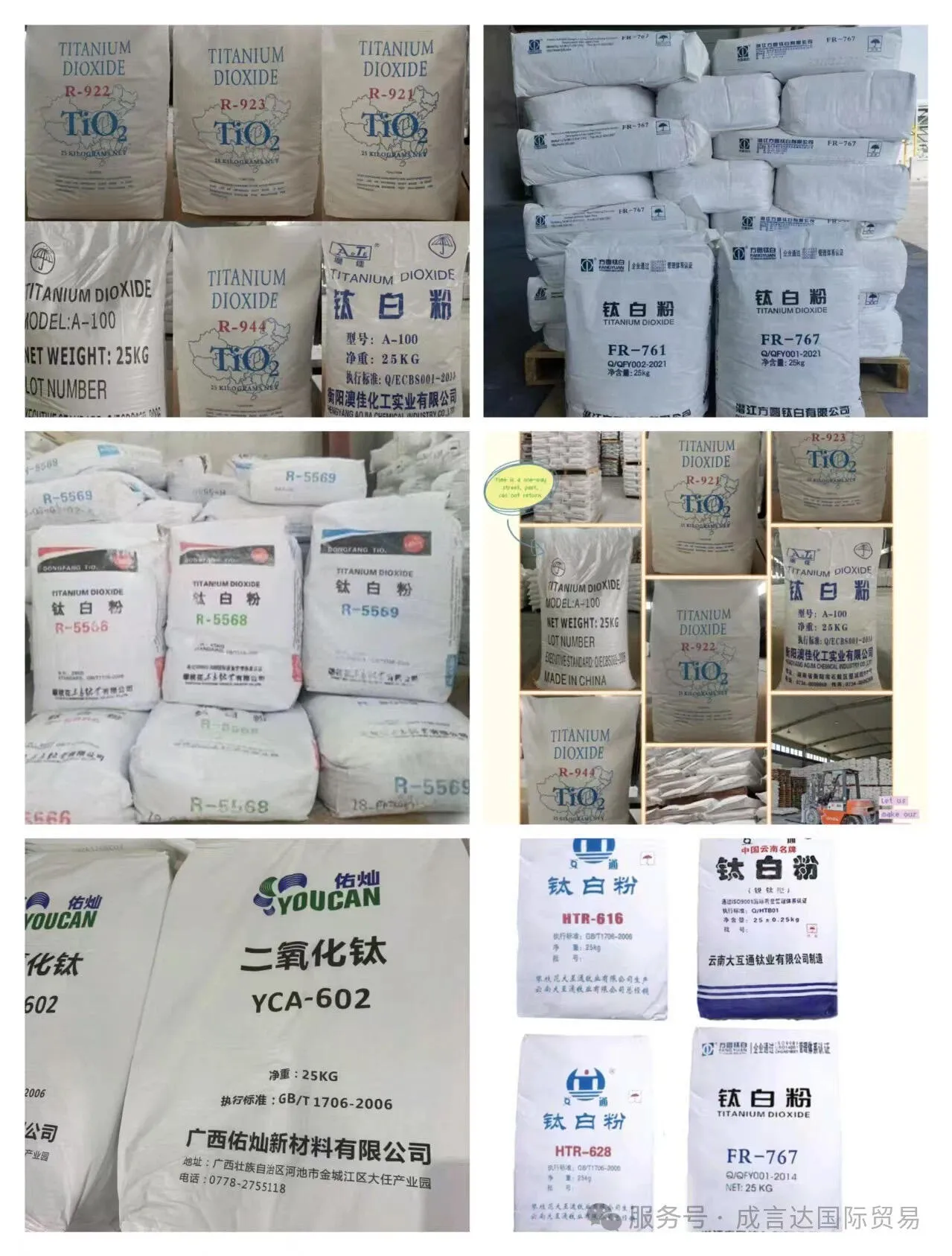
TiO₂ – Weather-Resistant Pigment for Paints & Coatings delivers high hiding power, clean whiteness, and a surface treatment (alumina/silica, typically) that blocks photocatalytic mischief. In practice, that means less chalking, better color retention, and film integrity that holds up through brutal seasons. It seems simple, but on job sites it’s the difference between a 3-year call-back and a 10-year handshake.
Product snapshot (specs ≈ typical values)
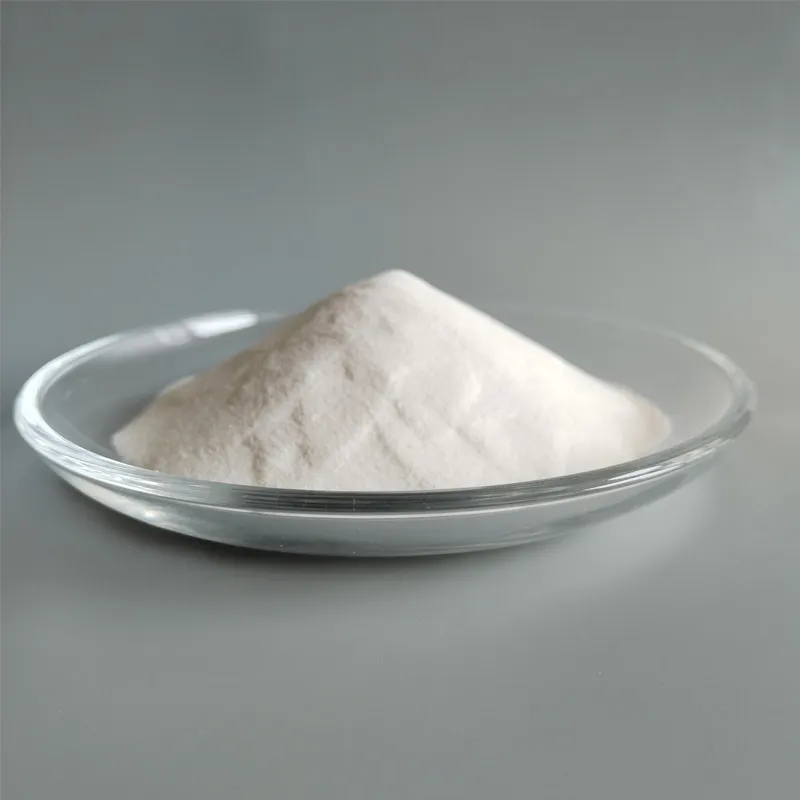
| Crystal form | Rutile (surface-treated Al2O3/SiO2) |
| TiO₂ content | ≥ 93% (ISO 591-1) |
| Hiding power | High; CPVC-friendly for latex & powder |
| Oil absorption | ≈ 16–20 g/100 g |
| Median particle size | ≈ 0.25 μm |
| pH (aqueous) | 6.5–8.0 |
| Whiteness (L) | ≥ 97 (real-world use may vary) |
| Weathering (QUV-B, 1000 h) | Gloss retention > 85% (ASTM G154/ISO 16474-3) |
Process flow we actually see in plants
Materials: rutile TiO₂ – Weather-Resistant Pigment for Paints & Coatings, acrylic or PU resin, wetting/dispersing agents, defoamer, coalescent (for latex), and in powder, a polyester/epoxy matrix.
Methods: premix under low shear → high-shear dispersion to Hegman 7+ → grind cycle (if liquid coatings) → let-down and viscosity tune → filtration → application (spray/dip/electrostatic) → cure.
Testing standards: ISO 2813/ASTM D523 gloss; ASTM D3359 adhesion; ASTM D4214 chalking; ISO 2808 film thickness; ASTM B117 salt spray (when relevant). Service life: exterior 8–12 years in temperate zones with proper resin/film build; tropical/coastal require robust binders and film thickness.
Where it fits
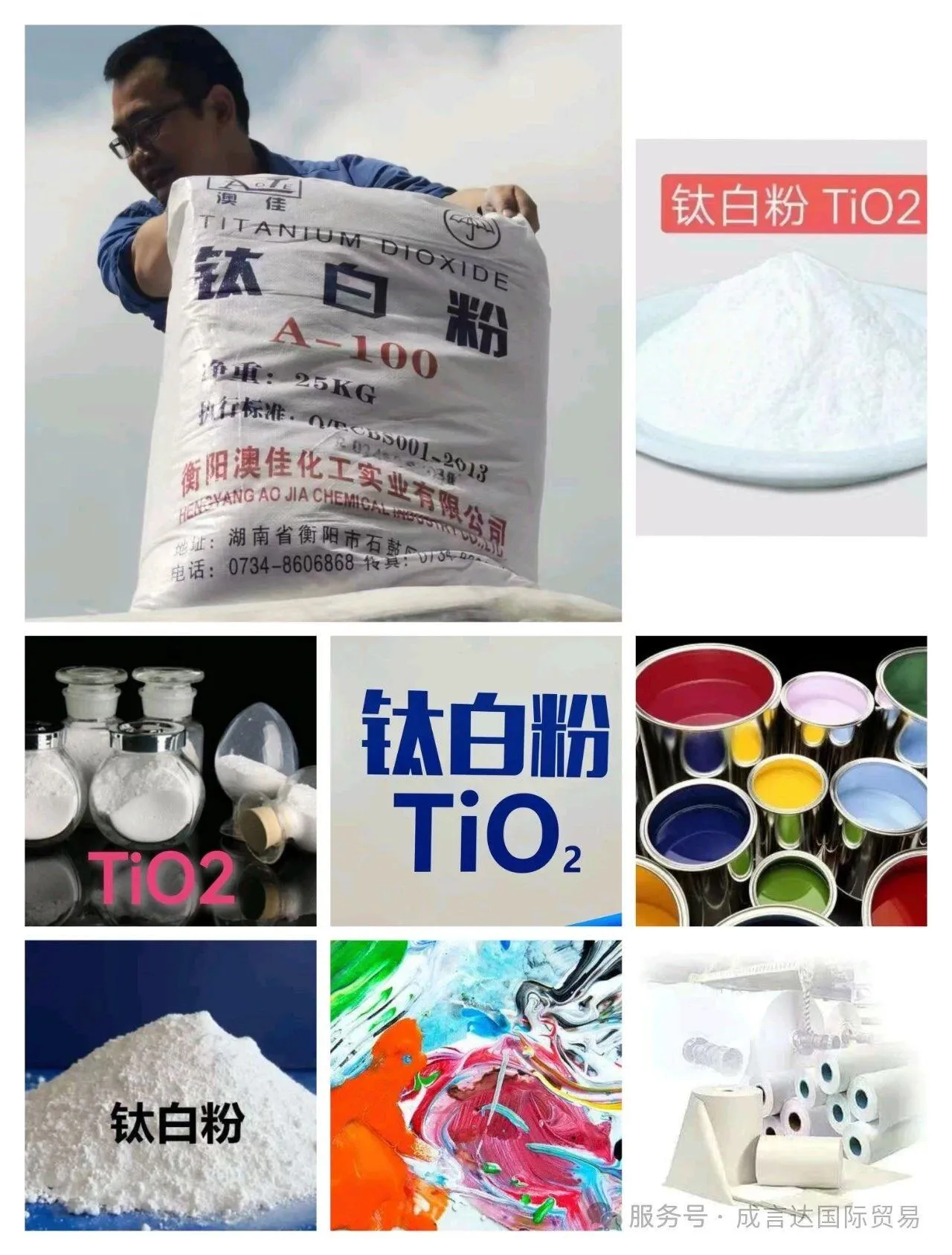
- Exterior latex for facades, stadiums, schools (UV + moisture cycles)
- Powder coatings on aluminum profiles and appliances
- Industrial topcoats for machinery, storage tanks, and farm equipment
Advantages: strong hiding at lower PVC, improved film cohesion, less crack propagation, and stable whiteness. Actually, many customers say cleanability improves too—less street dirt locking in.
Vendor snapshot (what buyers compare)
| Vendor | Treatment | QUV 1000 h Gloss Retention | Certs | Lead Time |
|---|---|---|---|---|
| Yaguan (origin: Room 1320, Block C, Dongsheng Plaza, Chang'an District, Shijiazhuang, Hebei Province) | Alumina/Silica | ≈ 85–90% | ISO 9001/14001 | 2–4 weeks |
| Generic Importer A | Alumina only | ≈ 75–85% | ISO 9001 | 4–6 weeks |
| Commodity Mill B | Basic coating | ≈ 65–80% | — | Variable |
Customization, real-world cases, feedback
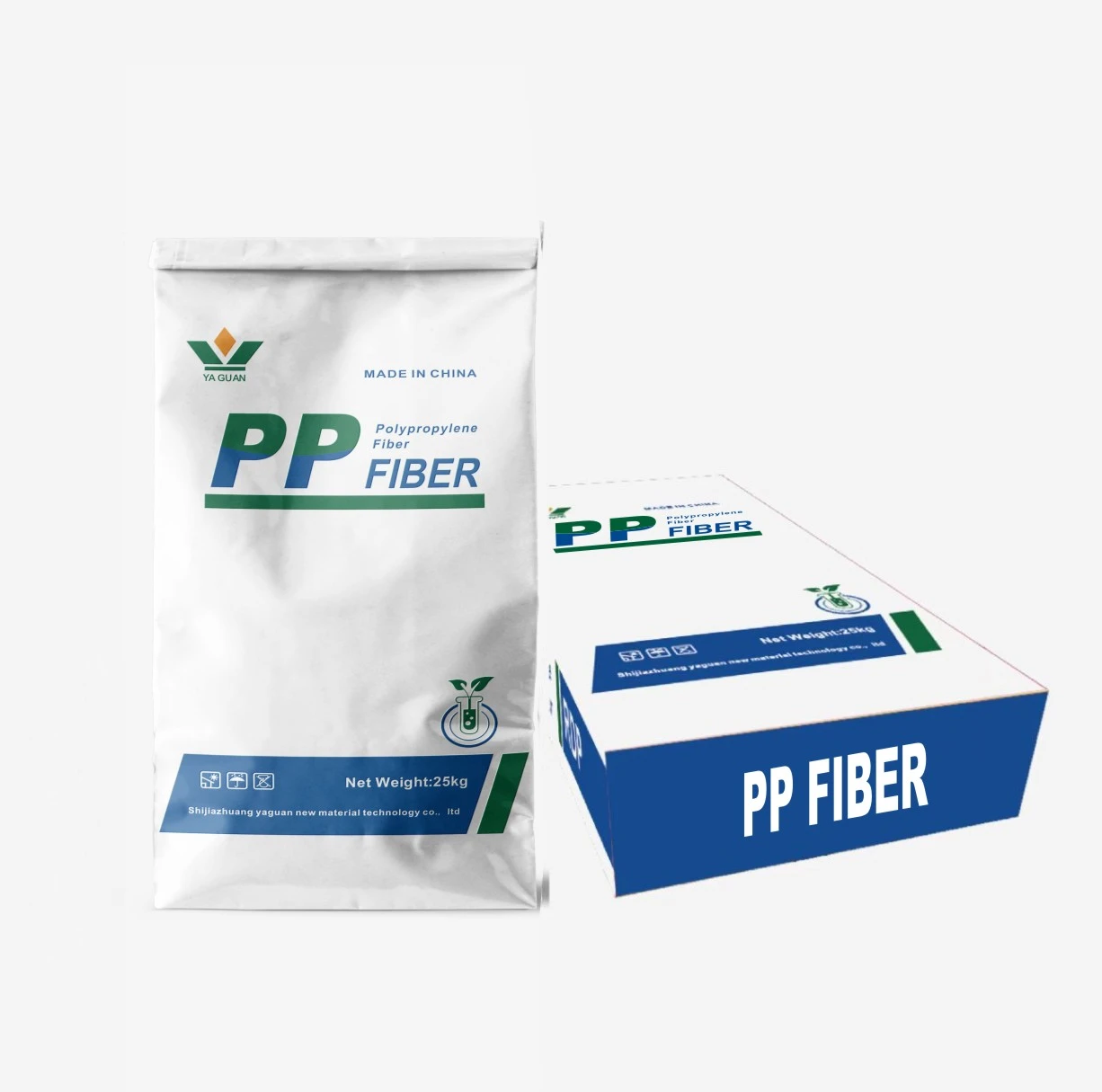
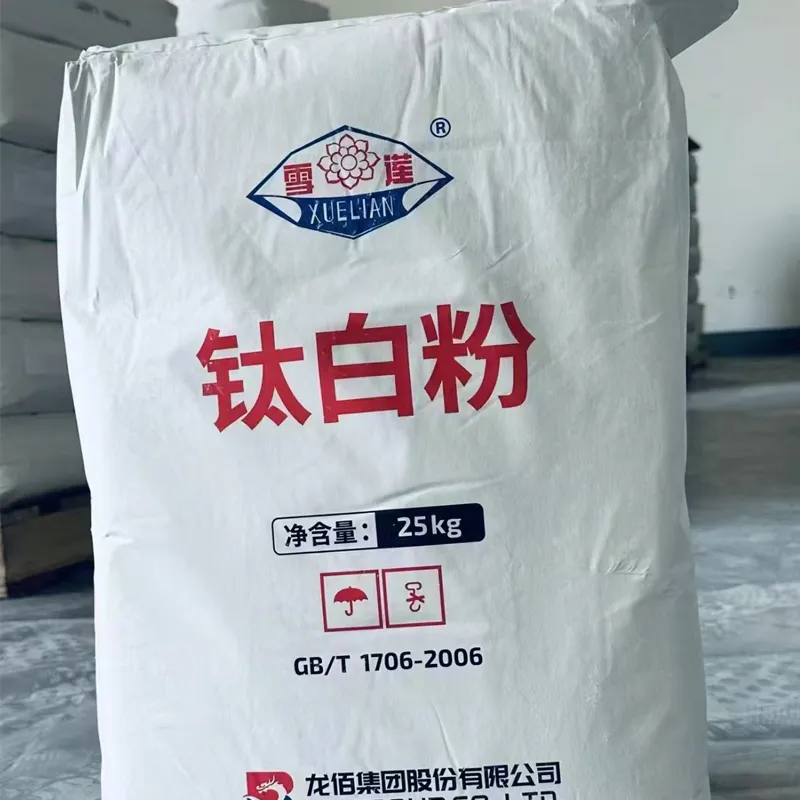
- Customization: viscosity targets for high-solids, powder flow in TGIC/Primid systems, anti-yellowing tweaks, packaging 25 kg bags or big bags.
- Case 1: Coastal aluminum profiles—powder coating held >88% gloss after 1000 h QUV-B; no chalking per ASTM D4214 Method A (rating 8–9).
- Case 2: Tropical exterior latex—ΔE
- Customer voice: “Coverage was silly good—one less pass on light colors,” a plant manager told me. Another added, “Less filter plugging during grind.”
Trends worth watching
Formulators are shaving TiO₂ without losing brightness by pairing it with hollow-sphere extenders and smart dispersants. However, when weathering gets nasty, the safe money still leans on TiO₂ – Weather-Resistant Pigment for Paints & Coatings. Also, EPDs and ISO 14001 audits are now standard asks—plan your documentation early.
Authoritative references:
- ISO 591-1:2016 Pigments — Titanium dioxide — Requirements and test methods.
- ASTM D476 Standard Classification for Dry Pigmentary Titanium Dioxide Products.
- ISO 16474-3:2013 Paints and varnishes — Methods of exposure to laboratory light sources — Fluorescent UV lamps.
- ASTM D4214 Standard Test Methods for Evaluating the Degree of Chalking of Exterior Paint Films.
- ASTM D523 / ISO 2813 Measurement of Specular Gloss.