Understanding the Types of Water-Reducing Admixtures
Water-reducing admixtures might not be the first term that springs to mind when you think about construction or infrastructure, but oddly enough, they’re quite essential—globally, no less. Whether you’re erecting a skyscraper or rebuilding homes after a natural disaster, water-reducing admixtures are key to making concrete stronger and more workable without requiring more water. That’s a big deal for durability, sustainability, and cost savings in the construction industry. This article dives into the different types of water-reducing admixtures, why they matter worldwide, and how they’re shaping modern construction and humanitarian efforts alike.
Global Context: Why It Matters
Concrete is, arguably, the most widely used man-made material globally, and with urbanization accelerating, the demand for durable and efficient building materials grows exponentially. According to the United Nations, infrastructure development in emerging economies is expected to rise sharply over the next decade, and with it, so does the demand for quality concrete. But here’s the catch: water is both vital and potentially a weak link in concrete mix design. Too much water compromises strength; too little, and the mix loses workability.
This is precisely where
types of water-reducing admixtures step in. They reduce the water content in concrete without compromising flow or workability, enabling builders to create stronger structures that last longer while consuming fewer resources. Frankly, they help solve a foundational problem in construction—balancing strength, durability, and sustainability.
Defining Types of Water-Reducing Admixtures
So, what exactly are these admixtures? In simple terms, water-reducing admixtures are chemical additives mixed into concrete to lower its water demand. This “water reduction” results in higher strength and reduces permeability, which in turn means better resistance against weather and wear.
There are several types, each with unique properties and performance profiles. From simple lignosulfonates introduced decades ago to more advanced polycarboxylate ethers today, these admixtures reflect evolving chemistry aimed at solving complex material challenges driven by industry needs or humanitarian crises like post-earthquake rebuilding—where quick-setting, strong but workable concrete is a lifesaver.
Core Components Affecting Performance
1. Water Reduction Efficiency
Different admixtures vary in how much water they can displace—some achieve modest reductions, others up to 30%. This is crucial because water content directly correlates with concrete’s eventual compressive strength.
2. Setting Time Control
Water reducers can affect setting times—some speed up curing (accelerators), others slow it down (retarders). This property is essential for adapting concrete mixes to different climates or project timelines.
3. Compatibility with Cement Types
Certain admixtures work better with specific cement compositions—ordinary Portland cement, slag cement, or blended cements—affecting overall performance consistency.
4. Environmental Impact
Modern admixtures increasingly focus on sustainability, incorporating bio-based or low-VOC (volatile organic compounds) components that reduce environmental footprint during manufacturing and use.
5. Cost Efficiency
The price vs. performance ratio differs across formulation types, influencing their choice in budget-sensitive projects or large-scale infrastructure spending.
Global Applications & Real-World Use Cases
You can find water-reducing admixtures in construction projects worldwide—from bridges in Europe to affordable housing in Southeast Asia. In post-disaster situations, like after the 2010 Haiti earthquake, rapid deployment of durable concrete shelters was possible thanks to admixtures that allowed faster curing and stronger concrete with less water—a critical advantage when water supplies were limited.
In industrial zones, particularly arid parts of Australia or the Middle East, admixtures help maintain concrete quality despite water scarcity. Even in cold climates such as Canada and Scandinavia, formulations adjusting setting times allow concreting during low temperatures, preventing cracking or structural issues.
Mini Takeaway:
Water-reducing admixtures aren’t just chemical additives; they’re global enablers of sustainable, strong, and adaptable construction.
Advantages and Long-Term Value
The upside is multifaceted:
- Cost Savings: Less water often means less cement needed to achieve desired strengths, reducing materials cost.
- Sustainability: Lower water usage and longer-lasting structures reduce environmental impacts.
- Workability: Easier concrete placement—even in challenging environments—reduces labor and accelerates project timelines.
- Durability & Safety: Improved compressive strength and resistance to weathering enhance the longevity and safety of buildings.
Plus, there’s an emotional angle: stronger buildings impart a sense of security and dignity to inhabitants, especially when reconstruction after natural disasters happens swiftly and reliably.
Product Specification Table
| Type |
Water Reduction (%) |
Setting Time Effect |
Typical Use Case |
| Lignosulfonates |
5-10 |
Mild Retardation |
General purpose |
| Naphthalene Sulfonates |
12-20 |
Moderate Retardation |
High-strength concrete |
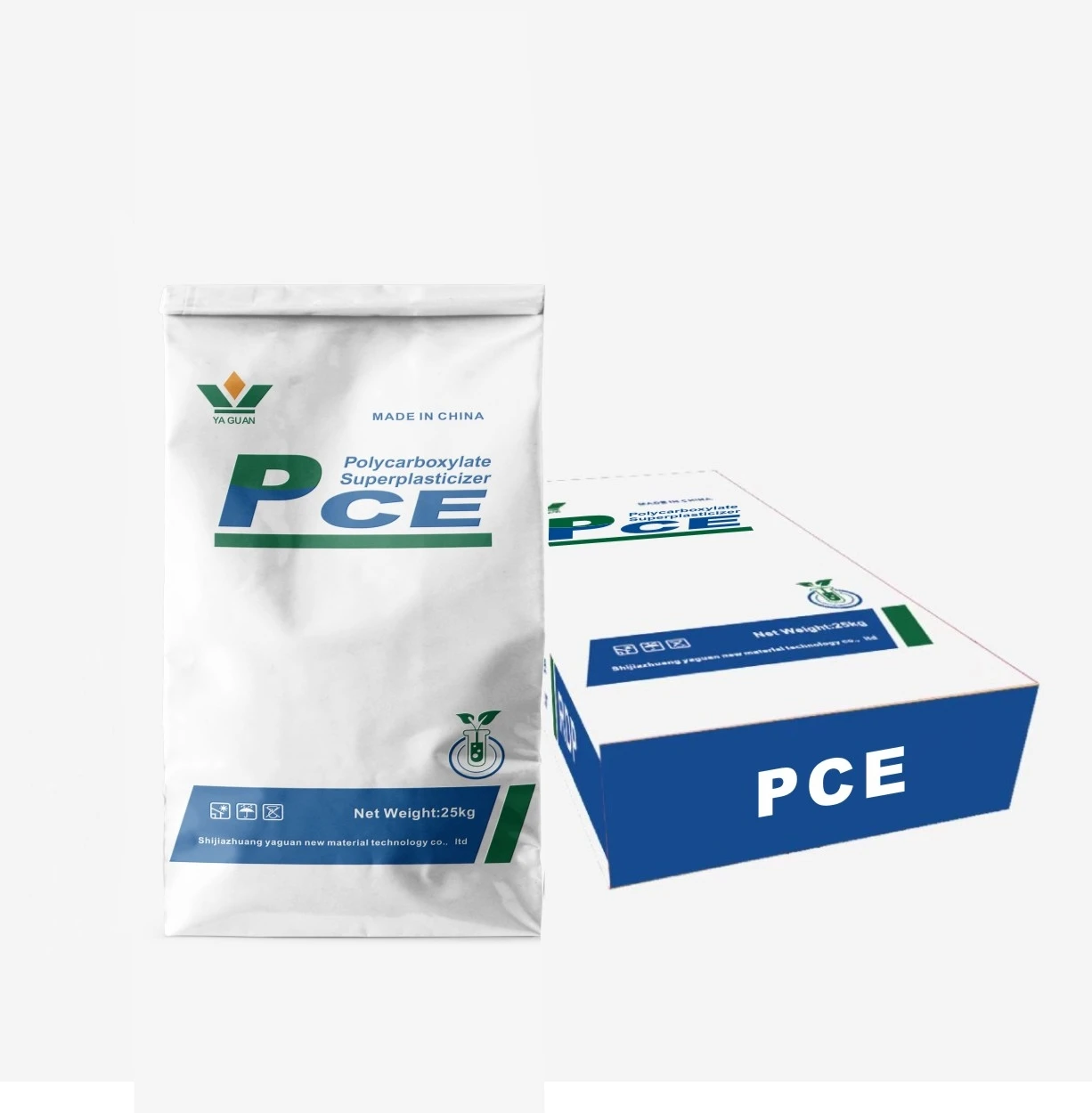
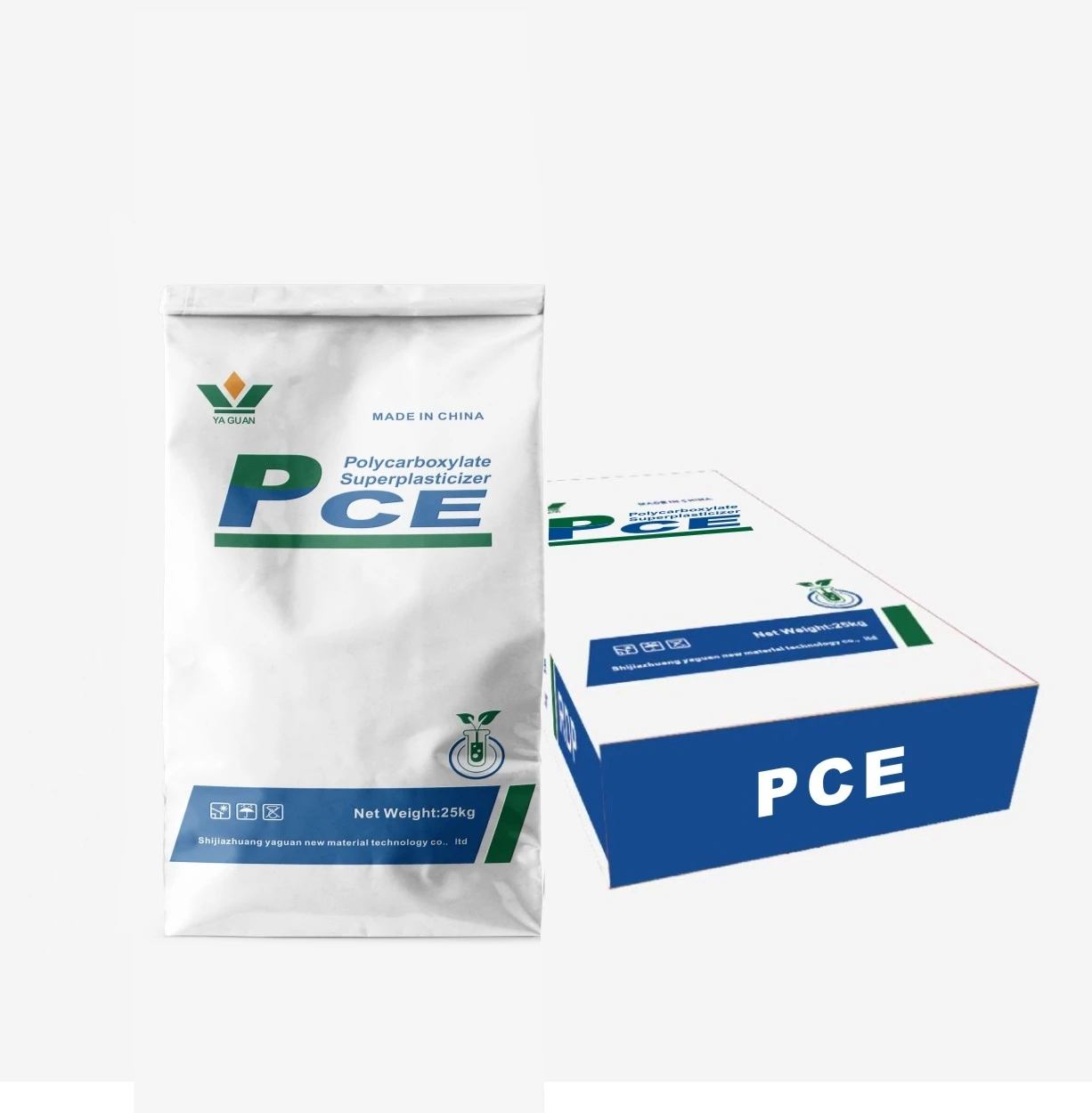
| Polycarboxylate Ethers (PCE) |
20-30+ |
Variable (Set control possible) |
High-performance & self-consolidating concrete |
Vendor Comparison: Leading Water-Reducing Admixtures
| Vendor |
Product Name |
Max Water Reduction |
Environmental Profile |
Typical Application |
| BASF |
GLENIUM® |
Up to 30% |
Low VOC, sustainable raw materials |
High-performance concrete |
| Sika |
ViscoCrete® |
Up to 25% |
Sustainable additive options |
Slump retention & set control |
| GCP Applied Technologies |
DARACEM™ |
Up to 28% |
Emphasis on carbon footprint |
Infrastructure and industrial concrete |
Future Trends in Water-Reducing Admixtures
Looking ahead, innovation is centered on greener, more efficient products. There's a noticeable push for bio-based admixtures derived from plant materials, improving sustainability without compromising effectiveness. Likewise, digital tools like admixture dosage automation through IoT sensors are entering the scene, optimizing mix designs on the fly at construction sites.
Also, the integration with new cement technologies—like low-carbon and geopolymer cements—means admixtures will have to evolve chemistry-wise to maintain compatibility and performance. So, it’s a dynamic field, bridging chemistry, construction, sustainability, and digital transformation.
Challenges & Solutions
It’s fair to say there remain some hurdles. Compatibility issues with certain cement types can cause inconsistent results. Additionally, overdosing admixtures can lead to unexpected outcomes like delayed setting or reduced strength. The solution is rigorous testing and quality control, coupled with expert guidance for mix design.
Extraction and production of pure raw materials for admixtures sometimes still rely on petrochemicals, which isn’t ideal environmentally. However, ongoing research into bio-based alternatives promises a cleaner future, so there's cause for optimism.
FAQs About Types of Water-Reducing Admixtures
- Q: How do water-reducing admixtures improve concrete strength?
A: By reducing the water-to-cement ratio without sacrificing workability, these admixtures produce denser concrete with fewer pores, which boosts compressive strength and durability.
- Q: Are all types of water reducers compatible with every cement type?
A: Not always. Some admixtures work better with specific cement compositions. It’s essential to test compatibility to ensure expected performance.
- Q: Can water-reducing admixtures be used in cold weather concreting?
A: Yes, certain admixtures also control setting time, which helps in cold climates by preventing premature freezing and cracking.
- Q: What is the environmental benefit of using these admixtures?
A: They reduce cement and water use, which lowers CO2 emissions from production and saves water resources, supporting sustainable construction.
- Q: How can NGOs source these admixtures for disaster relief?
A: NGOs often partner with local suppliers or import through global vendors specializing in construction chemicals. It’s advisable to work with trusted manufacturers to ensure product quality.
Conclusion & Call to Action
In real terms, mastering the types of water-reducing admixtures means safer buildings, more sustainable infrastructure, and cost-effective construction worldwide. Whether you’re in industry or humanitarian sectors, understanding these admixtures helps you build stronger, smarter, and greener.
For more insights, products, or custom solutions, I highly recommend visiting
https://www.yaguanhpmc.com. Dive in and see how you can optimize your concrete mixes for tomorrow’s challenges.
Final Thought:
I find it fascinating how such “small” chemical additives can have such a massive global impact—quietly shaping the world around us one mix at a time.
References
- Wikipedia: Concrete
- ISO 1808: Concrete admixtures - Definitions - Basic principles
- United Nations Sustainable Development Goals