
The Real Story Behind Hydroxypropyl Cellulose Price: What You Need to Know
If you’ve ever dabbled in pharmaceuticals, cosmetics, or even food packaging, you might have come across hydroxypropyl cellulose (HPC) – a versatile polymer with plenty of tricks up its sleeve. But here’s the kicker: the hydroxypropyl cellulose price often feels like an ever-moving target, influenced by so many factors it’s hard to pin down. Why should anyone care? Because understanding this price and what drives it can unlock huge benefits — from product quality to budget forecasting, and even sustainability goals.
Getting a grip on hydroxypropyl cellulose price is more than just an economic curiosity; it’s a window into how global supply chains, raw materials, and emerging technologies intersect.
Global Context: Why Hydroxypropyl Cellulose Price Matters Worldwide
Hydroxypropyl cellulose is no niche chemical — it’s a key ingredient in industries that touch billions of lives daily. The global HPC market is projected to grow steadily, driven by booming pharma production, rising demand for cosmetics, and evolving food safety standards. According to a recent ISO report, chemical-based cellulose derivatives like HPC rank among the fastest-growing polymers globally.
The catch? Supply chain disruptions, raw material shortages, and fluctuating energy costs all push up the hydroxypropyl cellulose price unpredictably. For manufacturers, especially in developing countries, these variations can mean razor-thin margins or supply bottlenecks.
In industrial zones across Asia and Europe, it isn’t unusual for procurement teams to spend weeks scouting for better hydroxypropyl cellulose price quotes, trying to stay competitive without sacrificing quality. Even humanitarian projects tapping HPC for wound dressings or drug delivery systems watch these price trends closely — affordability often equals accessibility in those contexts.
Mini takeaway: Hydroxypropyl cellulose price is more than a number; it reflects a complex global dance of supply, demand, and market forces affecting industries from beauty to medicine.
What Is Hydroxypropyl Cellulose Price? A Simple Definition
At its core, hydroxypropyl cellulose price refers to the cost per unit (usually per kilogram or ton) at which HPC is bought or sold in the marketplace. HPC itself is a cellulose derivative—basically cellulose (a natural polymer found in plants) modified with hydroxypropyl groups to enhance solubility and performance.
Because of its unique properties—water solubility, film-forming ability, and thickening power—it’s widely used as a binder or stabilizer in products like tablets, creams, and food coatings.
So when companies talk about hydroxypropyl cellulose price, they’re juggling cost factors linked to raw material procurement, international logistics, quality grades, and even regulatory compliance.
Mini takeaway: Hydroxypropyl cellulose price is the commercial tag on a highly functional ingredient crucial to a variety of products.
Key Factors That Drive Hydroxypropyl Cellulose Price
1. Raw Material Availability
HPC is derived from cellulose, usually sourced from plants like cotton or wood pulp. Variations in crop yields, environmental conditions, or trade policies can cause jagged swings in cellulose availability, pushing prices up or down.
2. Production Complexity & Quality Grades
Not all HPCs are created equal. Pharmaceutical-grade HPC demands stringent production standards and certifications, which come at a premium versus industrial or cosmetic grades. Quality level directly impacts hydroxypropyl cellulose price.
3. Energy and Manufacturing Costs
Processing HPC is energy-intensive. Global changes in energy prices — think oil price spikes or green energy subsidies — ripple into the cost of producing and transporting HPC.
4. Demand from Key Industries
The pharma sector’s expansion, especially in oral drug delivery, creates upward pressure on HPC demand. In real terms, booming global health initiatives can tighten supply and escalate prices.
5. Currency Fluctuations and Trade Tariffs
Since HPC is traded internationally, currency movements and trade regulations (including tariffs and export restrictions) can affect hydroxypropyl cellulose price from country to country.
6. Innovation and New Applications
As research pushes HPC into new domains like 3D printing and smart packaging, demand surges in niche markets can cause temporary price hikes.
Mini takeaway: Hydroxypropyl cellulose price hinges on availability, production quality, demand, and global economic factors, all intertwined in a delicate balancing act.
Hydroxypropyl Cellulose in Action: Real-World Applications
Across continents, HPC is quietly powering a host of innovations:
- Pharmaceuticals: Used as a film former, binder, and controlled-release agent in pills and tablets worldwide. In India and China, pharma manufacturing hubs track hydroxypropyl cellulose price closely to stay competitive.
- Cosmetics: HPC adds viscosity and smooth texture in lotions, creams, and makeup. European beauty brands often emphasize sourcing standards that affect HPC pricing.
- Food Industry: Acts as a stabilizer or edible coating, especially in processed foods. Rising demand in North American frozen foods sectors underscores price relevance.
- Medical Devices: Hydroxypropyl cellulose-based films and gels appear in wound dressings and contact lenses, notably in humanitarian relief operations where cost and availability impact assistance quality.
In remote industrial regions, such as Southeast Asia’s manufacturing zones, sudden supply constraints in HPC have prompted adaptive strategies, including local buffering and alternative sourcing. Frankly, it’s a case study in global interdependence.
Mini takeaway: HPC’s versatility means hydroxypropyl cellulose price impacts numerous products essential to health, beauty, and food safety across the globe.
Advantages and Long-Term Value of Understanding Hydroxypropyl Cellulose Price
The benefits of mastering hydroxypropyl cellulose price dynamics aren’t just financial:
- Cost Control: Smarter procurement leads to better pricing strategies, especially valuable for startups and mid-size manufacturers.
- Sustainability: Tracking price shifts can signal raw material scarcity, inspiring greener sourcing and reducing environmental footprints.
- Reliability: Predictable pricing helps supply chain resilience through better forecasting and inventory management.
- Innovation: Incentives for developing new HPC grades or substitutes often stem from price pressure, spurring R&D breakthroughs.
- Social Impact: Lowered costs mean affordable medicines and cosmetics for emerging markets, enhancing dignity and safety.
On a more personal note, I’ve seen how an informed purchasing team in Europe used price insights to negotiate volume discounts that saved 15% annually — a lifeline during volatile times.
Product Specification Table: Typical Hydroxypropyl Cellulose Grades
| Specification | Pharmaceutical Grade | Cosmetic Grade | Industrial Grade |
|---|---|---|---|
| Purity (%) | >99.5 | 98–99 | 95–98 |
| Moisture Content (%) | |||
| Viscosity (cPs) | 10,000–20,000 | 8,000–18,000 | 5,000–15,000 |
| Typical Price (USD/kg) | 45–60 | 30–45 | 20–35 |
Vendor Comparison Table: Selecting the Right HPC Supplier
| Vendor | Pricing | Quality Certification | Lead Time | Regional Reach |
|---|---|---|---|---|
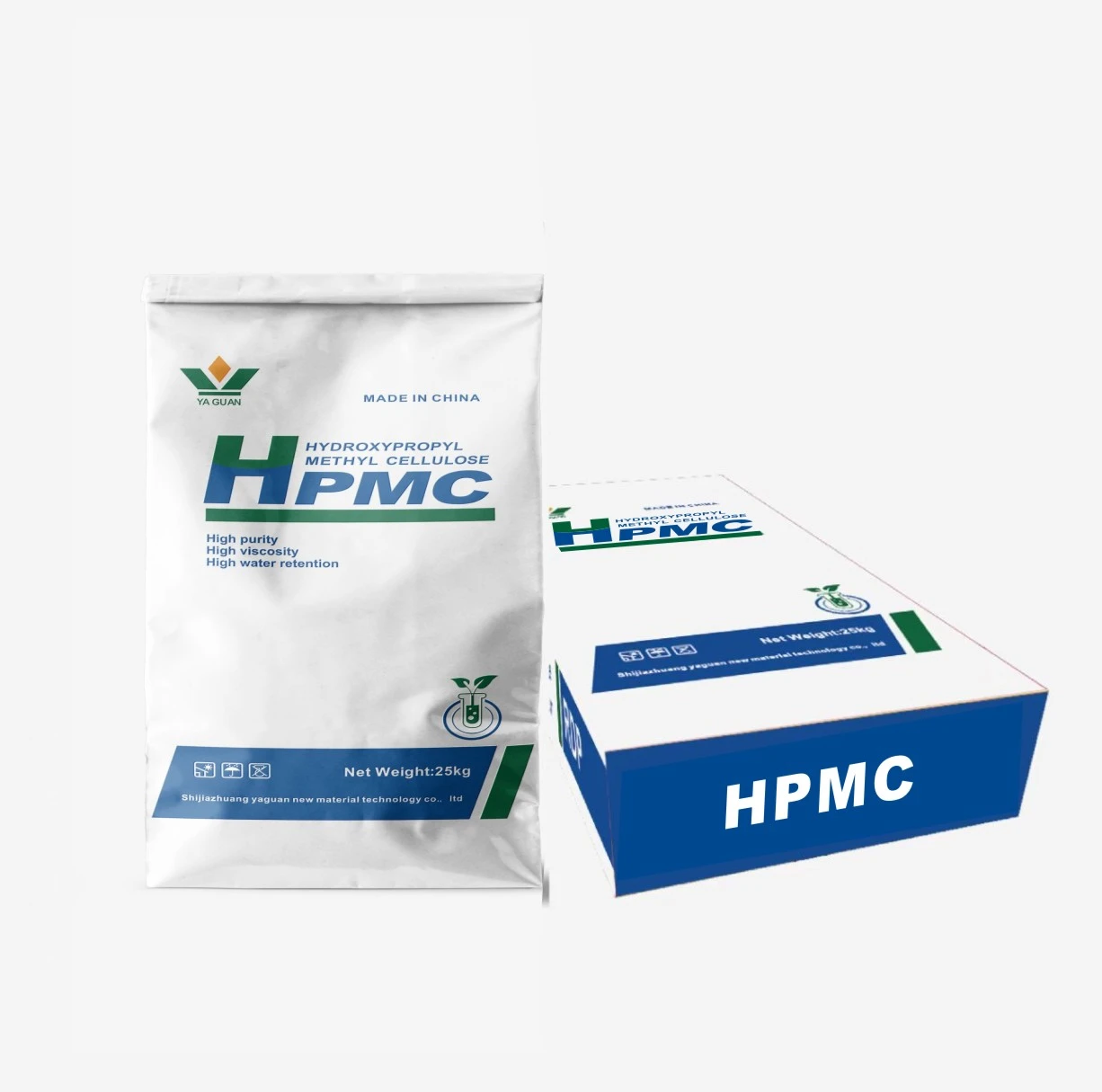
| Yaguan HPMC | Competitive | cGMP, ISO 9001 | 2–3 weeks | Global |
| GlobalCellulose Inc. | Premium | FDA Approved | 3–4 weeks | North America, Europe |
| ChemPro Solutions | Budget-Oriented | ISO 14001 | 1–2 weeks | Asia-Pacific |
Looking Ahead: Trends Shaping Hydroxypropyl Cellulose Price
What’s next in the HPC world? Sustainability is front and center — with increasing pressure to source cellulose from responsibly managed forests and to reduce carbon footprints during production. Industry insiders suggest that green chemistry advances, such as enzymatic modification or bio-based alternatives, might stabilize or even lower hydroxypropyl cellulose prices in the coming decade.
Meanwhile, digital transformation in procurement — using AI to predict price fluctuations based on market signals — could revolutionize how companies budget for HPC. Plus, growing demand for personalized medicine and smart packaging could push HPC formulations into uncharted, premium-priced territory.
Mini takeaway: Innovation and sustainability will likely reshape hydroxypropyl cellulose price landscapes, blending ecological concerns with cutting-edge tech demands.
Challenges and How Industry Tackles Them
Price volatility remains the elephant in the room. Small-scale manufacturers frequently struggle with unpredictable costs. Some tackle this by investing in local cellulose processing to cut intermediaries, while others hedge by locking multi-year contracts.
Quality inconsistencies can also plague buyers unfamiliar with the nuances of HPC grades. Here, transparency from suppliers, along with third-party certifications, make a big difference.
It’s a complex market, but smart strategies and collaboration — both upstream and downstream — help companies stay afloat despite turbulent price swings.
FAQ: Your Top Questions About Hydroxypropyl Cellulose Price
- Q: What factors most influence hydroxypropyl cellulose price fluctuations?
- A: Raw material scarcity, energy costs, quality grade demands, and global trade tariffs are primary influencers. Seasonal crop yields and international policy shifts also play a role.
- Q: How can small manufacturers get better hydroxypropyl cellulose price deals?
- A: Forming purchasing consortia, negotiating long-term contracts with trusted suppliers like Yaguan HPMC, and staying informed on market trends help secure competitive pricing.
- Q: Are there eco-friendly HPC alternatives that impact price?
- A: Yes, bio-based or enzymatically processed HPC variants exist but tend to be costlier upfront. However, sustainability-driven incentives may offset these expenses in the long run.
- Q: Can fluctuations in hydroxypropyl cellulose price delay production timelines?
- A: Definitely. Sudden price spikes often trigger sourcing delays or budget overruns, so agile supply chain management is key to maintaining schedules.
- Q: How do international tariffs affect hydroxypropyl cellulose pricing?
- A: Import/export tariffs can add significant markup, especially for regions reliant on imports. Companies may respond by diversifying suppliers or boosting local production capacities.
Wrapping It Up: Why Hydroxypropyl Cellulose Price Matters More Than You Think
Understanding the hydroxypropyl cellulose price might not be glamorous, but it’s central to making informed decisions across industries as diverse as pharma, cosmetics, and food tech. From securing affordable medical supplies to innovating next-generation products, tracking and managing these costs pays off in both immediate savings and lasting sustainability.
If you’re ready to dig deeper and find the best deals, or simply want to keep current on market developments, don’t hesitate to visit our website — resources and expert insights await.
Thanks for sticking with me through this chemical-market wander. Sometimes the biggest impacts hide in the prices we rarely think about — but now you know better!
References: