
What Is Polycarboxylate Price and Why Should You Care?
If you’ve ever wondered what drives the cost behind modern concrete admixtures or how construction materials get their high-tech edge, the term polycarboxylate price probably matters more than you think. Polycarboxylates are key chemical components used globally to enhance the performance of concrete and other building materials. Understanding their price dynamics offers insights into the efficiency, sustainability, and economic factors shaping everything from urban infrastructure projects to humanitarian relief efforts.
In short, thinking about polycarboxylate prices isn't just for chemists or industrial buyers — it touches on how we build safely and smartly worldwide.
The Global Context: Why Polycarboxylate Price Matters
On a macro scale, the demand for polycarboxylate superplasticizers has surged, driven by the construction boom in Asia-Pacific and growing infrastructure needs in Africa and Latin America. The United Nations projects urban populations to swell significantly by 2050, which means more buildings, roads, and bridges. This growth underscores the need for adaptable, cost-efficient building materials.
Yet challenges remain. Raw material shortages, fluctuating energy costs, and international trade tensions have made the polycarboxylate price somewhat volatile in recent years. According to industry reports, this volatility impacts not only manufacturers but also the end cost of essential infrastructure.
Basically, when polycarboxylate prices rise, construction budgets can feel the pinch — sometimes delaying projects or pushing developers to seek lower-quality alternatives.
Mini takeaway:
- Polycarboxylate price is tied closely to global urbanization and industrial trends.
- Market volatility in polycarboxylates influences construction costs worldwide.
What Exactly Is Polycarboxylate Price?
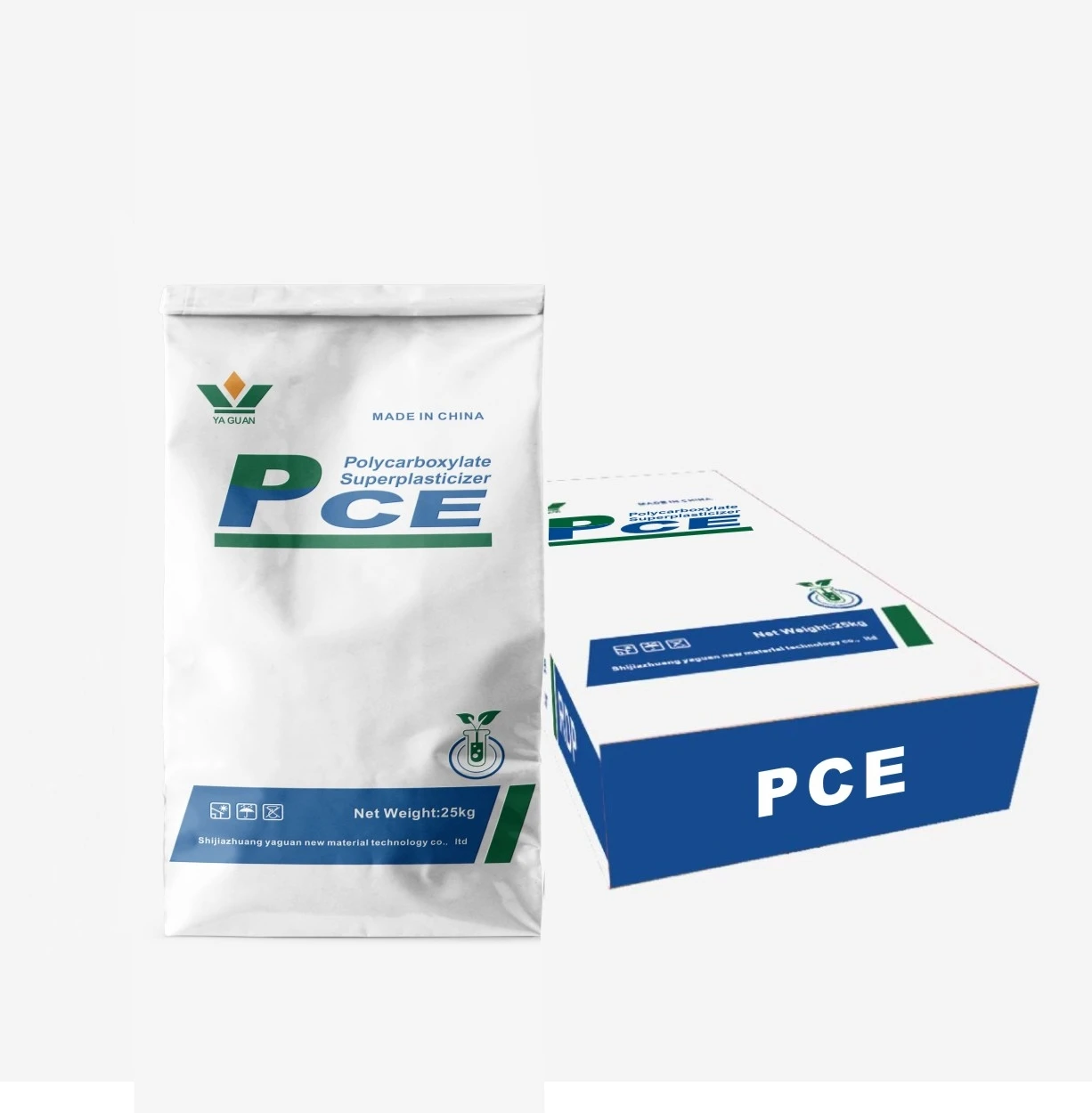
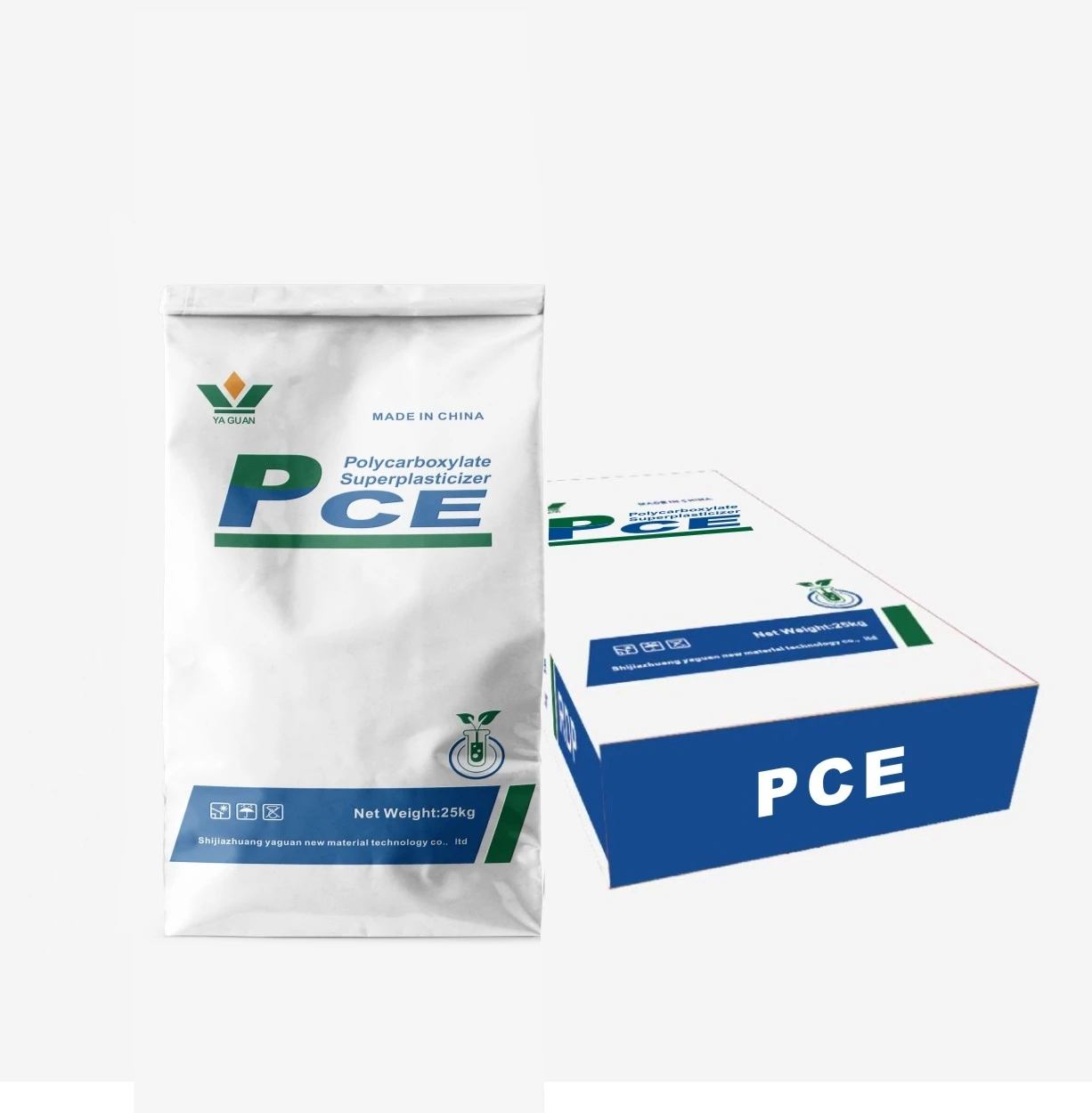
Let’s break it down simply. “Polycarboxylate” refers to a family of polymer-based chemical admixtures that significantly improve concrete’s workability and strength — think of them as microscopic helpers that make concrete smoother and stronger while allowing less water usage.
The polycarboxylate price is just the cost of these chemicals on the market. It’s determined by factors like raw material availability, manufacturing complexity, and demand in construction and related sectors.
Why does this matter beyond the factory? Emerging economies rely heavily on these materials to meet ambitious infrastructure goals while balancing environmental concerns. Plus, relief agencies often need polymer-based materials for rapid repair and construction after disasters.
Mini takeaway:
- Polycarboxylate price reflects the market cost of key concrete admixtures.
- These polymers help industries achieve stronger, more efficient materials with less environmental impact.
Key Factors Influencing Polycarboxylate Price
1. Raw Material Costs
Most polycarboxylates are synthesized from petrochemical products — their pricing swings heavily rest on oil availability and refinery prices. When crude oil prices spike, manufacturers typically pass on increased costs to buyers.
2. Production Complexity
Making high-quality polycarboxylate requires specialized facilities and stringent quality control. Minor process improvements can lead to significant differences in performance, so manufacturers invest heavily in R&D, which factors into pricing.
3. Demand From Construction Sectors
The construction industry is the largest consumer of polycarboxylates. Rapid infrastructure growth in developing nations drives steady demand, often pushing prices up due to volume needs.
4. Regulatory and Environmental Policies
Increasingly, governments want greener, safer chemicals. Compliance with these standards often means reformulating polymers or changing raw materials, which can increase costs but also open new market opportunities.
5. Supply Chain and Logistics
Global disruptions — like shipping delays or geopolitical conflicts — can dramatically affect the availability and price of polycarboxylates.
Mini takeaway:
- Prices are a blend of complex inputs: raw materials, production methods, and market demand.
- Environmental and regulatory factors are reshaping the cost structure.
Polycarboxylate Price in Real-World Applications
Industries around the world rely on polycarboxylates for advanced material solutions. In China, the largest consumer market, these polymers enable the construction of skyscrapers and sprawling urban transit networks. In Europe, they are instrumental in green building certifications, reducing cement usage and carbon footprints.
In humanitarian projects, notably after earthquakes or floods, polycarboxylate-based admixtures help build durable, quick-setting concrete shelters that better withstand harsh environments.
Even in remote industrial zones, like mining operations in Australia or energy sites in the Middle East, these polymers ensure reliable infrastructure, often in extreme conditions.
Mini takeaway:
- Polycarboxylates are critical in both high-volume urban projects and niche, demanding construction environments.
- Their pricing directly affects how fast and well infrastructure can be built globally.
Technical Specifications of a Typical Polycarboxylate Admixture
| Parameter | Typical Value | Unit |
|---|---|---|
| Solid Content | 40–50 | % |
| pH | 6.5–8.5 | - |
| Specific Gravity | 1.08–1.15 | g/cm³ |
| Water Reduction Ratio | 20–30 | % |
| Compatibility with Cement | High (Portland, Composite) | - |
Comparing Leading Polycarboxylate Suppliers
| Supplier | Price Range (USD/kg) | Product Quality | Regional Availability | Sustainability Initiatives |
|---|---|---|---|---|
| Yaguan HPMC | 1.2 – 1.8 | High | Asia, Africa, Europe | Eco-friendly manufacturing |
| BASF | 1.5 – 2.2 | Very High | Global | Sustainability leader |
| Sika | 1.3 – 2.0 | High | Europe, America, Asia | Green product lines |
The Advantages and Long-Term Value of Polycarboxylate Price Awareness
Knowing the ins and outs of polycarboxylate price isn’t just an industry insider’s game. For project managers, developers, and policymakers, it’s about making smarter budget choices without sacrificing quality or sustainability.
Polycarboxylates allow for less water usage in concrete which directly cuts CO2 emissions related to cement manufacture. This has long-term environmental benefits beyond pure economics — it’s about global responsibility, preserving resources, and pushing innovation.
Emotionally, feeling confident in the price and supply means trust. Stakeholders sleep better knowing their material choices stand the test of time and deliver value.
Future Trends in Polycarboxylate Price and Technology
Keep an eye on innovations like bio-based polymers and AI-driven supply chain optimizations that could significantly disrupt polycarboxylate pricing models. Efforts around circular economy principles — reclaiming or recycling polymers — are starting to show real promise in lowering costs and environmental impact.
Also, digital transformation in manufacturing could stabilize prices by reducing unpredictability and boosting product quality consistency.
Challenges Still to Overcome
Sadly, issues like raw material scarcity, trade tariffs, and quality control inconsistencies make pricing and product availability a rollercoaster ride in many regions. However, leading companies are working on diversified raw material sources and adopting lean manufacturing to keep prices fair and supply stable.
FAQ: Frequently Asked Questions About Polycarboxylate Price
- Q1: Why does the polycarboxylate price fluctuate so much?
- A1: Prices vary mainly due to shifts in raw material costs (like petrochemicals), global demand for construction, and logistics challenges. External factors like energy prices and policy changes also impact cost significantly.
- Q2: How does polycarboxylate price affect concrete quality?
- A2: While price influences access, quality depends on formulation and manufacturer standards. Higher-priced polycarboxylates often offer better performance, but reliable suppliers can provide cost-effective, high-quality products too.
- Q3: Can polycarboxylates contribute to sustainable building?
- A3: Absolutely. They reduce water content in concrete, lowering cement demand and carbon emissions. This supports greener infrastructure and aligns with sustainability goals.
- Q4: How can companies find the best polycarboxylate price?
- A4: Researching supplier reputations, volume discounts, and regional availability helps. Negotiating long-term contracts can also stabilize prices and ensure supply security.
Wrapping Up: Why Polycarboxylate Price Still Matters Tomorrow
In the end, polycarboxylate price isn't just numbers on a spreadsheet. It’s a pulse check on how well our industries can balance cost, quality, and sustainability — all vital for building the kind of world we want to live in.
For those looking into sourcing or better understanding these polymers, visiting polycarboxylate price suppliers and market updates can be a smart move.
So next time you walk past a gleaming new bridge or a modern high-rise, remember the humble polymer price points quietly shaping it all.