Water Reducer: A Practical Look from the Industrial Floor
You know, having spent years knee-deep in the industrial equipment sector, I've come to appreciate the small but mighty components that make big projects flow smoothly. One such unsung hero is the water reducer. At first, it might sound like jargon or just another technical gadget, but it really plays a crucial role in concrete and construction, among other uses.
So, what exactly is a water reducer? Frankly, it’s an additive that improves the workability of concrete by reducing the amount of water needed while maintaining performance. This means stronger concrete with fewer cracks, less shrinkage, and better durability. In real terms, it helps contractors get a finer, more consistent product without throwing out extra water that would weaken the mix.
Over the years, I’ve seen many variations — from lignosulfonates to polycarboxylate ethers — each with its own quirks and applications. Oddly enough, the chemistry behind water reducers often goes unnoticed, but it’s fascinating how molecules can change construction dynamics so drastically.
Now, before diving into specs, I want to share a quick story. A project I was involved in in Texas had some serious issues with cracking due to inconsistent batching. The project manager decided to switch to a reputable water reducer, and within weeks, the quality and speed of the pours improved noticeably. It felt like night and day. The concrete was less sticky, flowed better, and cured stronger. That’s the kind of real-world payoff that makes these additives worth your attention.
Typical Water Reducer Product Specifications
| Specification | Typical Value | Method |
|---|---|---|
| Appearance | Brownish liquid | Visual |
| pH value | 4.5 – 6.5 | pH meter |
| Solid content | 40% ± 2% | Gravimetric |
| Water reduction rate | 8-12% | ASTM C494 |
| Dosage | 0.2-0.8% by weight of cement | Manufacturer guideline |
Comparing Top Water Reducer Vendors
| Vendor | Type | Water Reduction | Price Range | Availability |
|---|---|---|---|---|
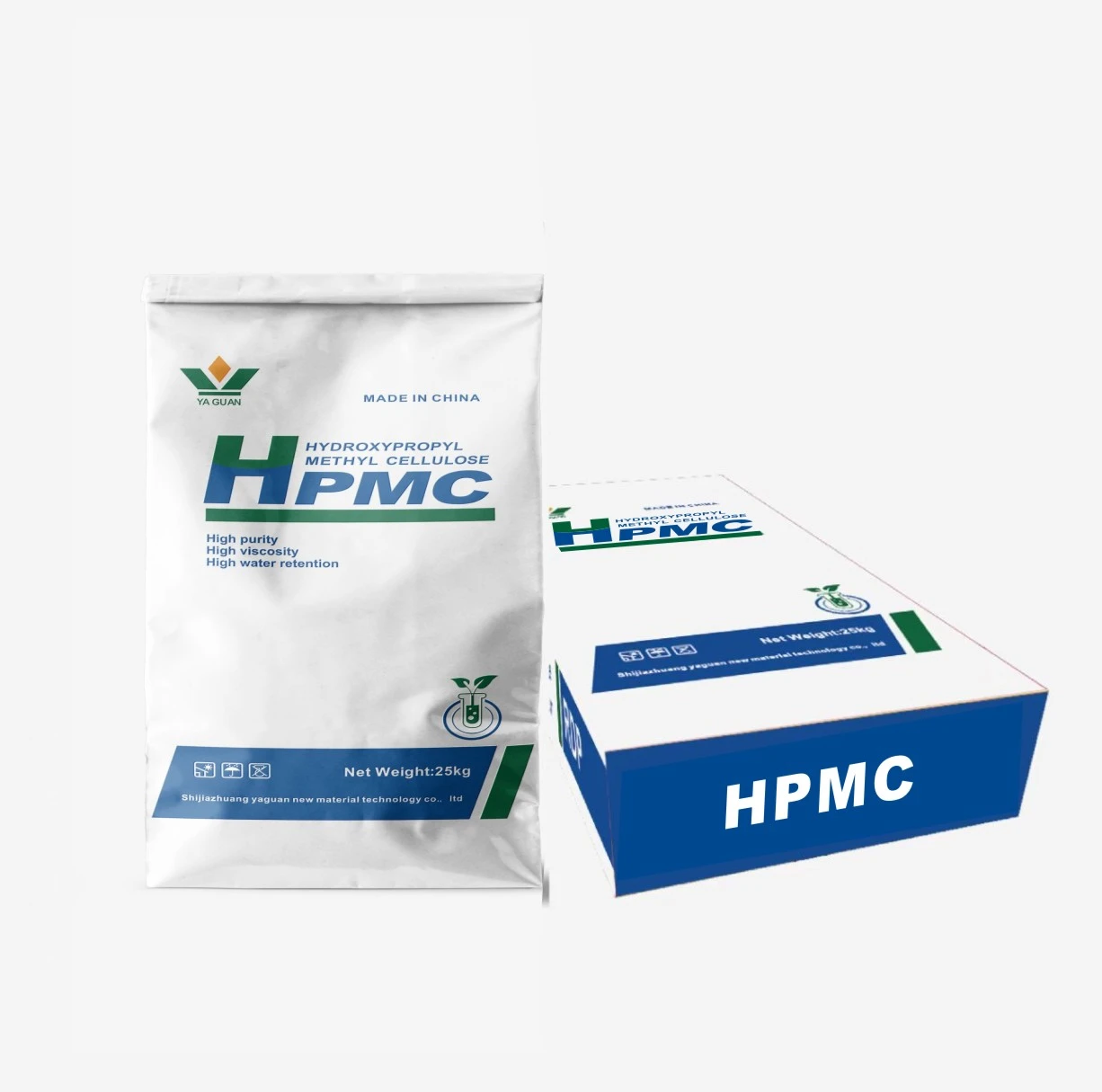
| Yaguan HPMC | Lignosulfonate based | 10-12% | $$$ | Global |
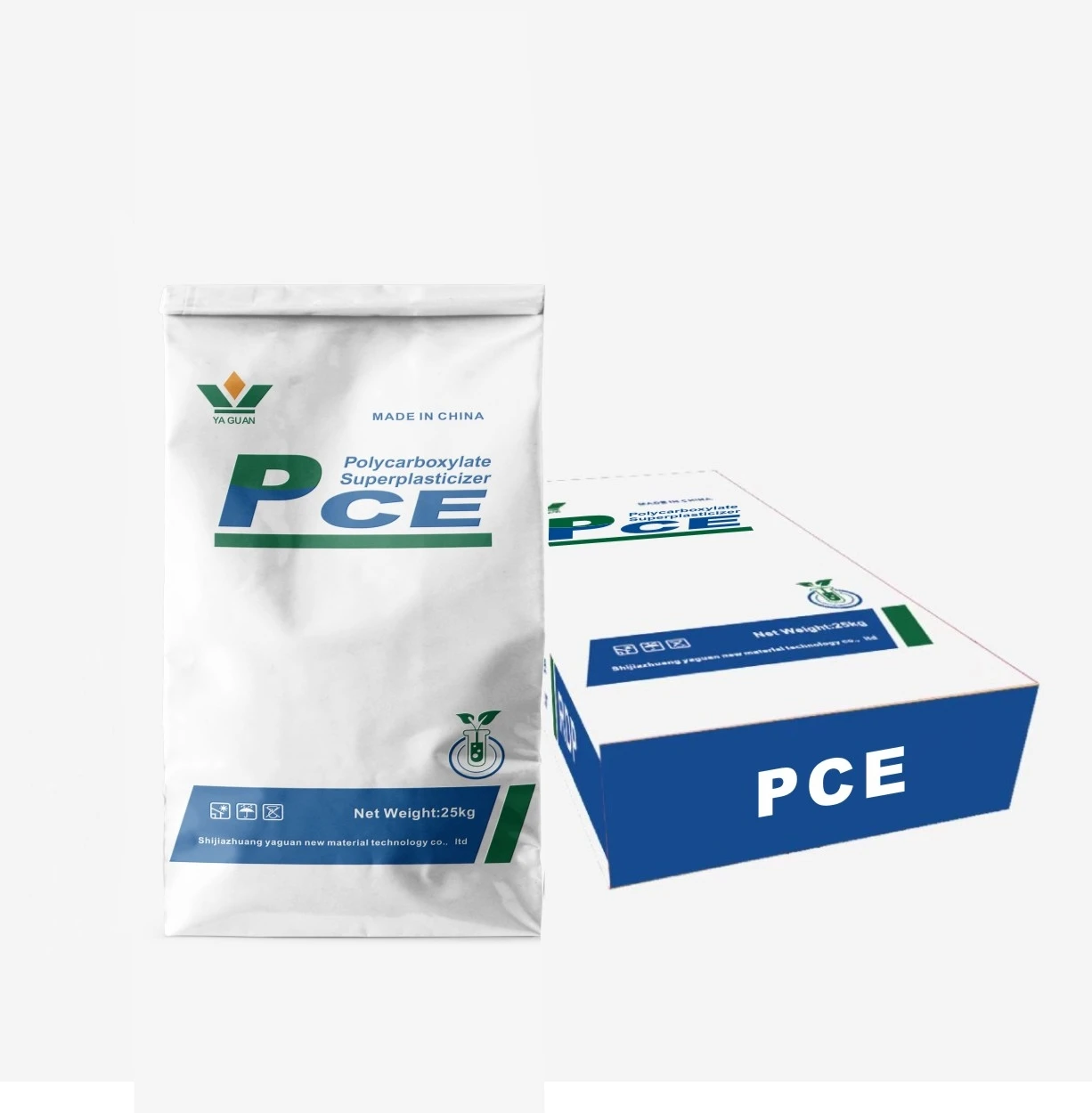
| Sika | Polycarboxylate Ether (PCE) | 15-20% | $$$$ | Global |
| BASF Master Builders | Polycarboxylate Ether (PCE) | 18-22% | $$$$ | Global |
| Local Supplier ABC | Lignosulfonate based | 8-10% | $-$$ | Regional |
One final note from my vantage: choosing the right water reducer is part chemistry, part cost-efficiency, and part understanding your project’s unique needs. Sometimes, it pays off to go for the higher-end polycarboxylates if you want top-tier performance and stronger adaption to challenging environments. Other times, a simpler lignosulfonate-based product like what Yaguan HPMC offers does just fine without breaking the bank.
All this said, don’t underestimate testing — trial batches, environmental conditions, and consistent supplier quality ultimately count more than pretty datasheets.
Thanks for sticking with me here — I hope this slice of the industrial world gave you some practical insight into water reducers. Oddly enough, sometimes the little things make the biggest difference.
References:
- ASTM C494 – Standard Specification for Chemical Admixtures for Concrete
- Yaguan HPMC Product Information Sheets (2023)
- Construction Industry Best Practices, Journal of Concrete Technology (2022)