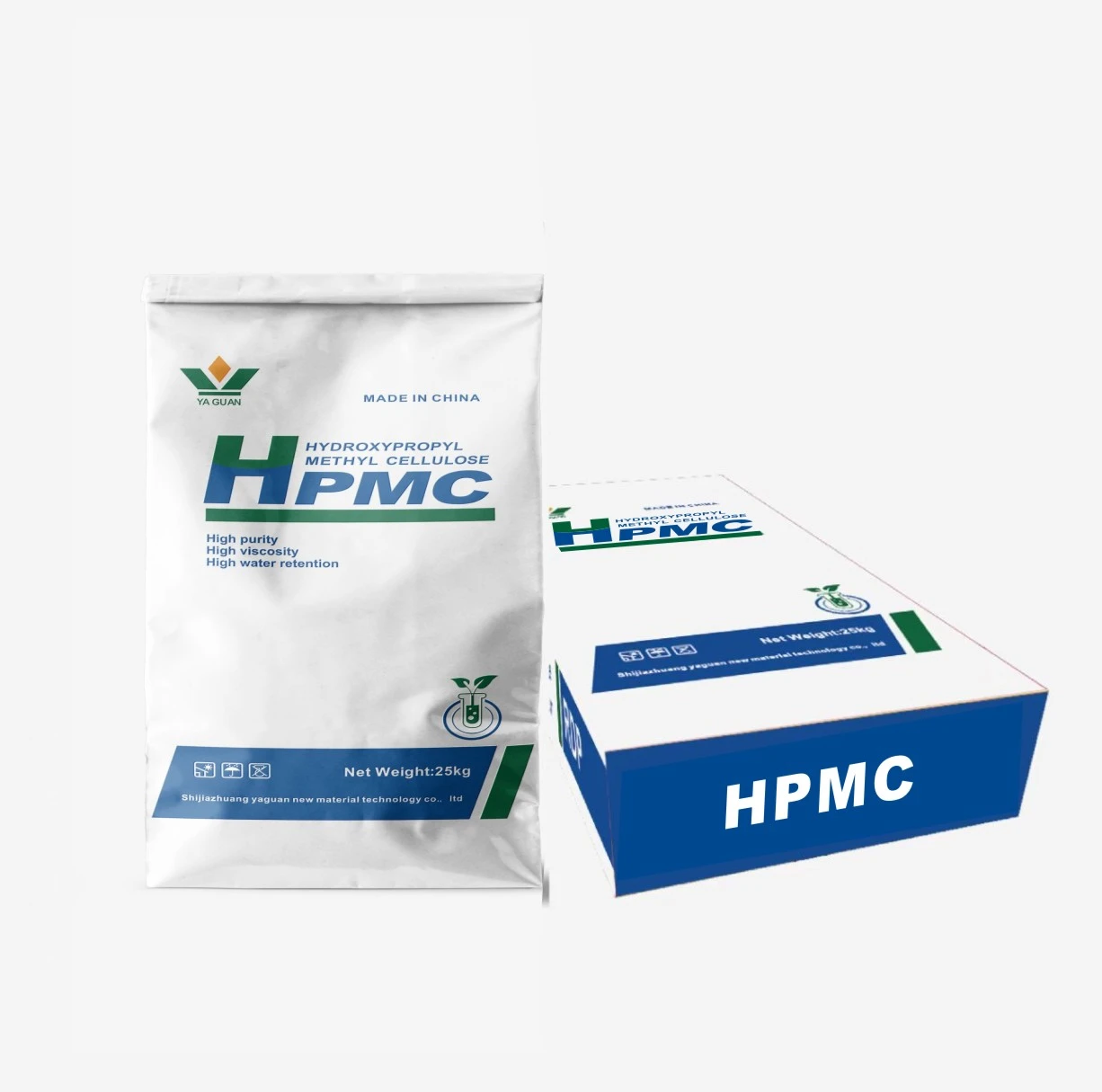

Understanding Why HPMC Is So Relevant Today
If you’ve ever skimmed through the formula lists on cosmetic products or eyed construction materials with a curious frown, you might have brushed past hpmc is without realizing just how significant it is to so many industries worldwide. Hydroxypropyl Methylcellulose—commonly abbreviated as HPMC—isn't just an obscure chemical ingredient; it’s a versatile compound that quietly underpins countless products, especially where texture, stability, or coating matters.
Globally, the demand for sustainable, efficient raw materials is growing faster than you’d think—in fact, according to Wikipedia, millions of tons of cellulose derivatives, including HPMC, are used annually. That speaks to just how critical understanding hpmc is for industries from pharmaceuticals to construction, even food tech. So, why does this compound matter so much? In short, it delivers reliable performance while aligning with increasingly strict environmental norms.
Mini takeaway: To grasp the modern market’s wave toward eco-friendly and multifunctional materials, getting intimate with hpmc is a good starting point.
What Exactly HPMC Is and Why It’s a Industry Game-Changer
Put simply, hpmc is a water-soluble polymer derived from cellulose, the primary component of plant cell walls. When chemically modified with methyl and hydroxypropyl groups, it gains water retention, thickening, and film-forming abilities that pure cellulose lacks. This makes it exceptionally valuable—think of it as the Swiss Army knife of binders and stabilizers.
In industries like pharmaceuticals, it acts as a controlled-release agent; in construction, it thickens and enhances mortars; in cosmetics, it smooths out cream textures. The humanitarian side is just as interesting: with its chlorine-free and biodegradable nature, hpmc is tapped for eco-conscious product lines where safety and sustainability are no longer just buzzwords.
Mini takeaway: Simply put, hpmc is a smart, green solution bridging natural materials and high-tech needs.
Key Aspects That Define the Value of HPMC Is
1. Water Retention and Viscosity Control
One of the defining features of hpmc is its remarkable ability to hold water and adjust viscosity in mixtures. In construction, this means mortars and plasters stay workable longer, which translates directly into reduced waste and higher quality finished surfaces.
2. Film Formation and Adhesion
The compound forms flexible films which boost product durability and stability. For example, in tablet coatings, it ensures the medicine reaches targeted areas in the body without premature dissolution.
3. Thermal Stability
Oddly enough, despite being plant-derived, hpmc is thermally stable, which allows it to be processed under high temperatures without losing function—crucial for industrial scale production.
4. Biodegradability and Eco-friendliness
As sustainability becomes more than a buzzword, hpmc is shines by being biodegradable and free of harmful chlorine derivatives, aligning well with ISO environmental standards.
5. Versatility in Formulations
From creams and gels to glues and paints, the adaptability of hpmc is means manufacturers can tailor formulations precisely rather than rely on costly additives.
Mini takeaway: These core traits make hpmc is a rare chemical workhorse—flexible, safe, and effective.
Where Around the Globe HPMC Is Making a Difference
Industries worldwide are harnessing hpmc is in surprisingly diverse ways. In Asia, booming construction sectors rely on it to create stronger, longer-lasting building materials—contributing to urbanization with smarter resource use. European pharmaceutical enterprises leverage it for advanced drug delivery systems compliant with stringent EU regulations. Meanwhile, several NGOs operating in disaster zones have begun experimenting with HPMC-based materials for temporary shelters—because its water retention and film-forming properties can improve insulation while being lightweight and safe.
In食品行业 (the food industry), manufacturers use it as a thickener and stabilizer for gluten-free products, improving texture without compromising dietary needs. Oddly enough, in remote industrial zones where supply chains are stressed, the long shelf life and reliability of HPMC-containing mixes make a tangible difference.
| Property | Range / Value | Units |
|---|---|---|
| Methoxyl Content | 19.0 – 24.0 | % |
| Hydroxypropyl Content | 4.0 – 12.0 | % |
| Viscosity (2% solution, 20°C) | 50 – 4000 | mPas (milliPascal-second) |
| pH (2% solution) | 5.0 – 8.0 | - |
| Moisture Content | 5.0 max | % |
Mini takeaway: From Asia to Europe, and food to pharma, hpmc is quietly essential in multiple sectors.
The Tangible Advantages and Long-Term Value of HPMC Is
- Cost-Efficiency: By improving product consistency and reducing waste, formulations with HPMC often cut long-term costs.
- Sustainability: Being plant-based and biodegradable satisfies increasingly strict environmental regulations.
- Reliability: Thermal and chemical stability keep product performance consistent, which manufacturers love.
- Innovation: Its versatility enables innovation—think faster-dissolving medical tablets or breathable construction panels.
- Social Impact: Using it to provide more durable, safer building solutions in challenged environments has real human benefits.
Emerging Trends & Innovations Shaping How HPMC Is Used
Looking ahead, several exciting developments show hpmc is evolving with emerging global needs. Green chemistry pushes manufacturers to further reduce solvents and additives paired with HPMC. Digital formulas guided by AI analytics are optimizing its grade blends for ever-more tailored results, especially in cosmetics and drug delivery.
Another big trend is combining hpmc is with nanomaterials to produce smart coatings with antimicrobial or self-healing capabilities. This sort of tech innovation could soon redefine industries far beyond current expectations—sort of like going from a sturdy fishing net to a full-blown smart fabric.
Addressing Common Challenges with HPMC Is
Despite its many strengths, there are hurdles. For instance, environmental humidity can influence its performance, challenging packaging engineers. Also, processing high viscosity grades requires careful temperature control to avoid gelling problems—something beginners often overlook.
Experts advise rigorous quality control and selecting grades suited for specific climates or applications. Automation in mixing and drying, increasingly accessible in modern facilities, also helps maintain batch consistency. It’s a reminder that even versatile materials like hpmc is need thoughtful adaptation.
Frequently Asked Questions About HPMC Is
Q1: Is HPMC suitable for gluten-free food products?
Yes. HPMC is widely used as a gluten substitute to provide the structure and texture commonly associated with gluten-containing products. It helps improve dough elasticity and shelf life in gluten-free baking.
Q2: Can HPMC improve the shelf life of cosmetics?
Absolutely. Due to its thickening and stabilizing properties, HPMC ensures active ingredients stay properly mixed and delays spoilage, extending cosmetic product shelf life.
Q3: How safe is HPMC in pharmaceutical applications?
HPMC is considered very safe and is approved by the FDA as an inert, non-toxic excipient. It’s commonly used in oral tablets and eye drops.
Q4: What should I consider when storing HPMC powder?
Store it in a cool, dry place with low humidity to maintain its quality. Exposure to moisture can cause clumping or reduce its effectiveness.
Q5: Are there eco-friendly alternatives to HPMC?
While HPMC is already biodegradable, researchers are exploring bio-based additives and novel cellulose derivatives that may complement or replace HPMC in certain applications.
Vendor Comparison: Choosing the Right HPMC Is Supplier
| Vendor | Geographic Reach | Product Range | Sustainability Commitment |
|---|---|---|---|
| Yaguan HPMC | Global (Asia, EMEA, Americas) | High & Low Viscosity Grades | ISO 14001 Certified, Green Manufacturing |
| CelluChem Corp. | North America, Europe | Standard Grades, Custom Blends | Partial Biodegradable Products |
| GreenCell Solutions | Europe, Asia | Organic, Certified Eco Standards | Focus on Bio-based & Compostable |
Wrapping It Up: Why HPMC Is an Investment Worth Knowing
So, the next time you hold a bottle of lotion, a pack of gluten-free bread, or a building material sample, and you spot hpmc is somewhere in the formula, you’re actually touching an ingredient that connects natural abundance with modern innovation. The way it spans industries, fuels sustainability efforts, and adapts to complex needs tells me it’s not just a buzzword but a quiet backbone of many emerging trends.
If you want to dive deeper or explore hpmc is and its applications further, I highly recommend visiting our partner Yaguan HPMC’s website for detailed specs and tailored solutions.
In real terms, hpmc is a story of how a humble, plant-based compound can support a greener, more efficient future—one polymer molecule at a time.