
Understanding Concrete Water Reducing Admixture: A Key to Stronger, Sustainable Construction
In the world of modern construction, concrete water reducing admixture is quietly proving itself indispensable. Put simply, it’s an additive that improves concrete’s properties by reducing the amount of water needed while maintaining workability. This means stronger, more durable structures, reduced costs, and often a smaller environmental footprint. But beyond the basics, grasping this concept is crucial globally as urbanization surges, climate challenges grow, and infrastructure demands intensify.
Global Context: Why Concrete Water Reducing Admixtures Matter
Concrete remains the primary building material worldwide—nearly 10 billion tons annually, according to recent estimates. However, excessive water in mixing can weaken concrete, leading to early structural failures with costly consequences.
Surprisingly, concrete contributes up to 8% of global CO2 emissions, mainly from cement production. Here’s where water reducing admixtures become not just technical solutions but climate allies. By cutting water content, these admixtures reduce cement usage, increasing concrete strength and lowering environmental impact.
Industry bodies like the International Organization for Standardization (ISO) emphasize better water-cement ratios as part of sustainable construction standards — a challenge given diverse climate conditions and resource availability worldwide.
What Is a Concrete Water Reducing Admixture?
Simply put, it’s a chemical additive mixed into concrete to reduce the water needed to achieve the desired workability. When mixing concrete, water is vital for hydration of cement but excess water weakens the final material, making it porous and less durable.
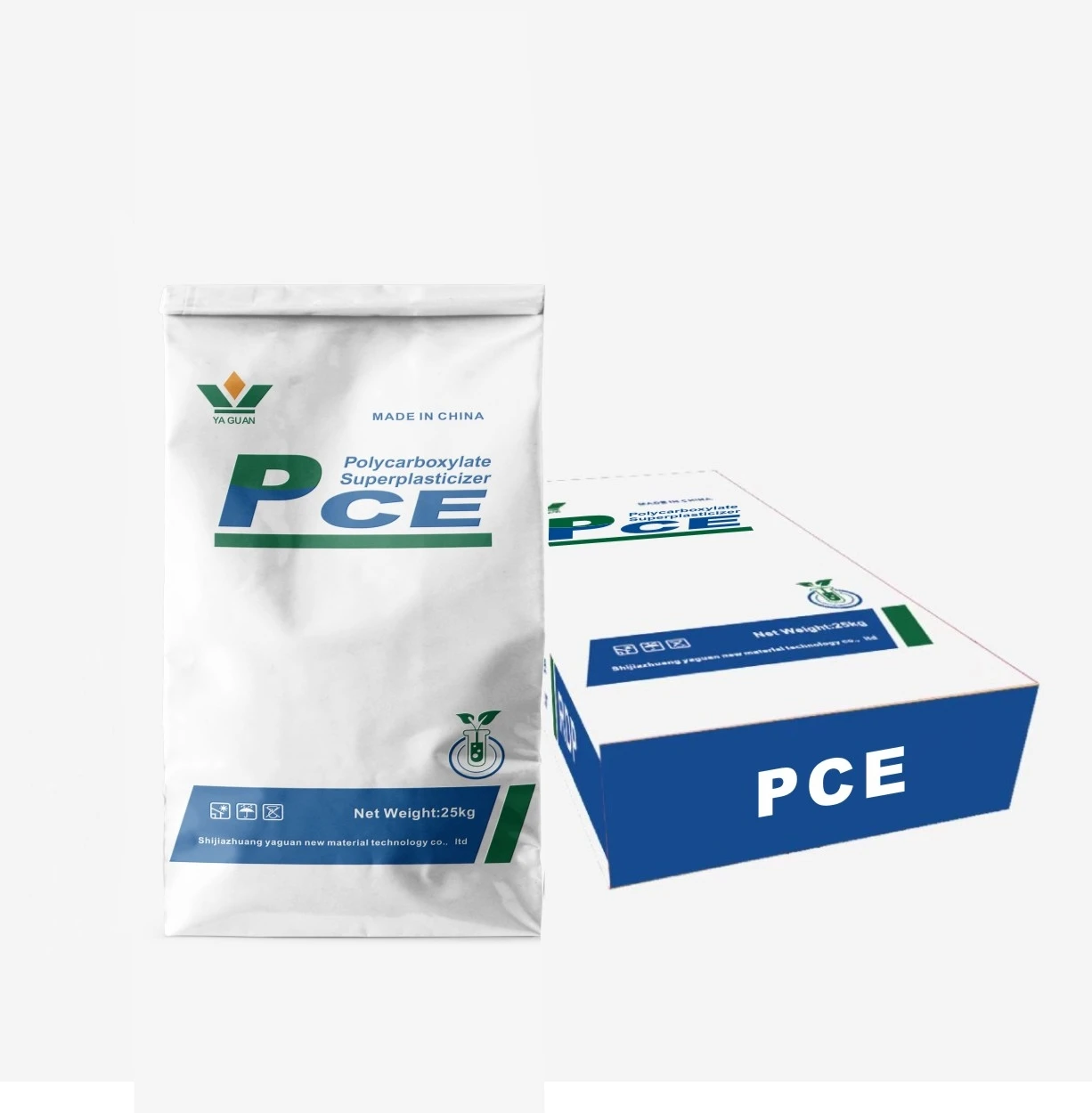
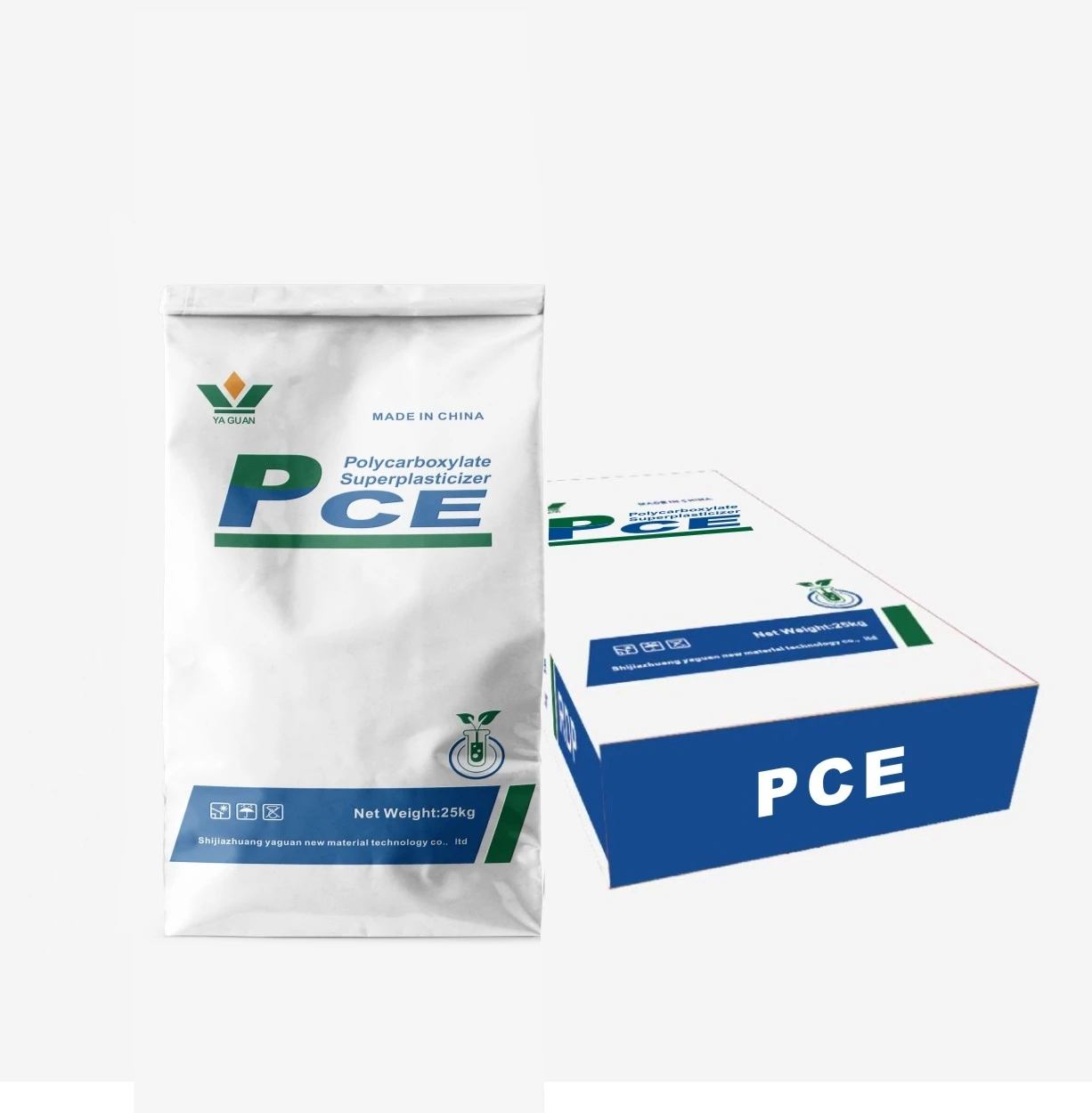
The admixture molecules, often based on polycarboxylate ethers or lignosulfonates, act like tiny lubricants. They disperse cement particles evenly, letting concrete flow easier without topping up water. This leads to denser, stronger concrete that performs better under stress and lasts longer.
Key Factors in Concrete Water Reducing Admixtures
1. Durability
Less water means tighter microstructure. This results in less permeability and higher resistance against freeze-thaw cycles, chemical attack, and wear. For instance, infrastructure exposed to harsh weather or de-icing salts benefits enormously.
2. Workability and Flow
Admixtures improve concrete’s fluidity with less water, making it easier to place and compact. It reduces labor time and equipment wear, critical in busy construction sites.
3. Cost Efficiency
Using less water can reduce cement demand by up to 15%, which cuts material expenses and energy for production. It also minimizes the amount of rework or repairs, saving money long-term.
4. Environmental Impact
By promoting lower water usage and cement content, these admixtures help reduce CO2 emissions from cement manufacturing — one of the biggest contributors to global warming.
5. Compatibility and Scalability
Modern admixtures must work with different cement types and aggregates, from local resources in developing countries to specialized industrial mixes. Scalability is vital as urban construction projects expand.
Global Applications & Use Cases
Across continents, concrete water reducing admixtures are pivotal:
- Urban megaprojects: In dense cities like Shanghai or Dubai, high-strength concrete enabled by these admixtures supports skyscrapers and transport infrastructure.
- Disaster relief construction: NGOs use admixtures to speed up the creation of emergency shelters, ensuring safe, durable homes after earthquakes or floods.
- Remote industrial zones: In arid or remote areas, where water scarcity meets logistical hurdles, admixtures optimize limited water usage for construction.
- Marine and coastal structures: Enhanced durability in harsh saline environments keeps ports and offshore platforms functioning longer.
Advantages & Long-Term Value
It’s not just about measurable gains like strength or cost-cutting, though those are important. Using concrete water reducing admixture fosters broader benefits:
- Improved safety: Stronger, more reliable buildings protect lives.
- Sustainability: Lower carbon footprint means ethical, climate-conscious construction.
- Economic stability: Better materials reduce future repair investments.
- Innovation trust: Communities trust modern materials to withstand changing environmental stresses.
Product Specifications: Typical Concrete Water Reducing Admixture
| Property | Specification |
|---|---|
| Appearance | Light brown liquid |
| pH | 7 – 9 |
| Specific gravity (20°C) | 1.08 – 1.12 |
| Water reduction efficiency | Up to 25% |
| Chloride content | < 0.1% |
| Shelf life | 12 months (sealed) |
Vendor Comparison: Leading Concrete Water Reducing Admixtures
| Vendor | Water Reduction % | Dosage Range (ml/100kg cement) | Compatibility | Price Level |
|---|---|---|---|---|
| Yagua Chemical | 18–25% | 200–600 ml | Broad (OPC, PPC, PSC) | Medium |
| Global BuildTech | 15–22% | 180–550 ml | Limited (OPC only) | High |
| EcoMix Solutions | 20–24% | 250–500 ml | Wide (including blended cements) | Medium-High |
Future Trends & Innovations in Concrete Water Reducing Admixtures
The industry is embracing greener chemistry with bio-based polymers that offer similar or better water reduction but with biodegradable profiles. Digital innovations like automated admixture dosing and real-time concrete quality monitoring are gaining traction. Mixing plants outfitted with AI ensure optimum admixture amounts are used based on environmental and material sensors.
Interestingly, regulatory bodies worldwide increasingly require lower embodied carbon in construction materials, prompting new admixtures tailored for ultra-low cement concrete mixes. Plus, there’s rising interest in admixtures that also enhance concrete’s thermal insulation or self-healing properties — a glimpse at multifunctional future materials.
Challenges & Solutions
Admixture effectiveness can vary with cement source, mix design, and environmental factors. Field personnel sometimes struggle with correct dosing, affecting outcomes. Also, there are concerns about long-term chemical stability and compatibility with other additives.
To mitigate these, suppliers like Yagua Chemical offer lab support and on-site training. Advanced admixtures with robust compatibility profiles reduce risks. Plus, smart batching control integration helps maintain precise dosing.
FAQ: Frequently Asked Questions about Concrete Water Reducing Admixture
- Q: How does a water reducing admixture improve concrete strength?
A: By reducing the water-to-cement ratio, these admixtures create a denser and less porous concrete matrix. This results in higher strength and durability, reducing cracking and wear over time. - Q: Can these admixtures be used in cold weather conditions?
A: Yes, but careful mix adjustment is necessary. Some admixtures are formulated specifically for cold climates, ensuring proper hydration and freeze-thaw resistance. - Q: Are water reducing admixtures environmentally friendly?
A: Generally, yes. By lowering cement and water usage, they reduce CO2 emissions and conserve water. New bio-based variants improve sustainability further. - Q: What’s the typical dosage rate for these admixtures?
A: Dosage commonly ranges between 200-600 ml per 100 kg of cement, varying with product and application requirements. - Q: How do I ensure the admixture is compatible with my concrete mix?
A: Conduct preliminary lab tests or consult suppliers. Many now offer compatibility guarantees to ease integration.
Conclusion & Call to Action
Ultimately, concrete water reducing admixture isn’t just a technical add-on; it’s a cornerstone for more resilient, economical, and environmentally responsible construction worldwide. Whether building urban megastructures or emergency shelters, understanding and using these admixtures wisely pays dividends in safety, sustainability, and cost-efficiency.
If you’re interested in exploring advanced admixtures for your next project, don’t hesitate to visit our website for expert advice and high-quality products tailored to your needs.
Mini takeaway: Using concrete water reducing admixtures effectively bridges engineering excellence with environmental stewardship — a balance we clearly need today.
References: