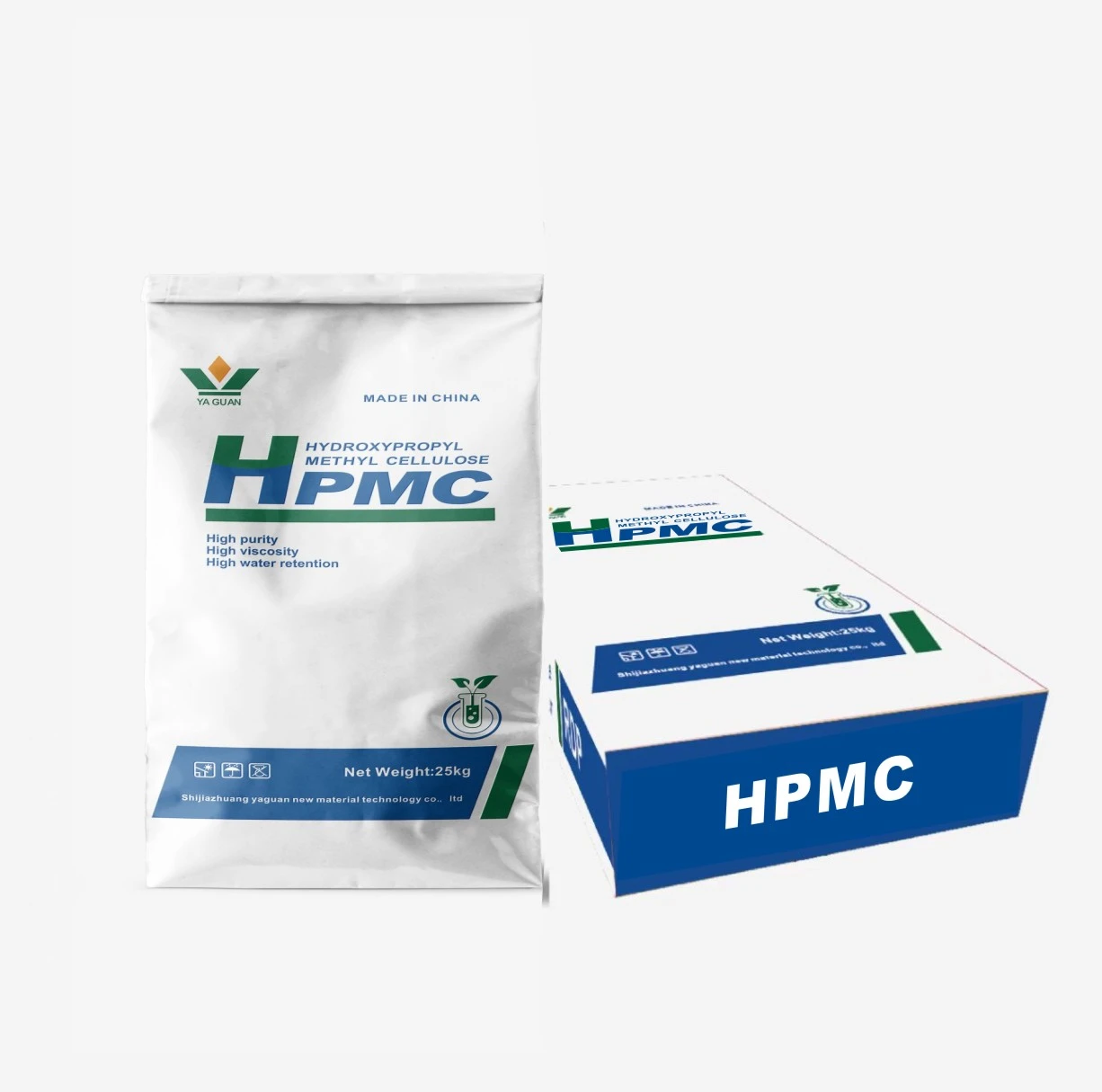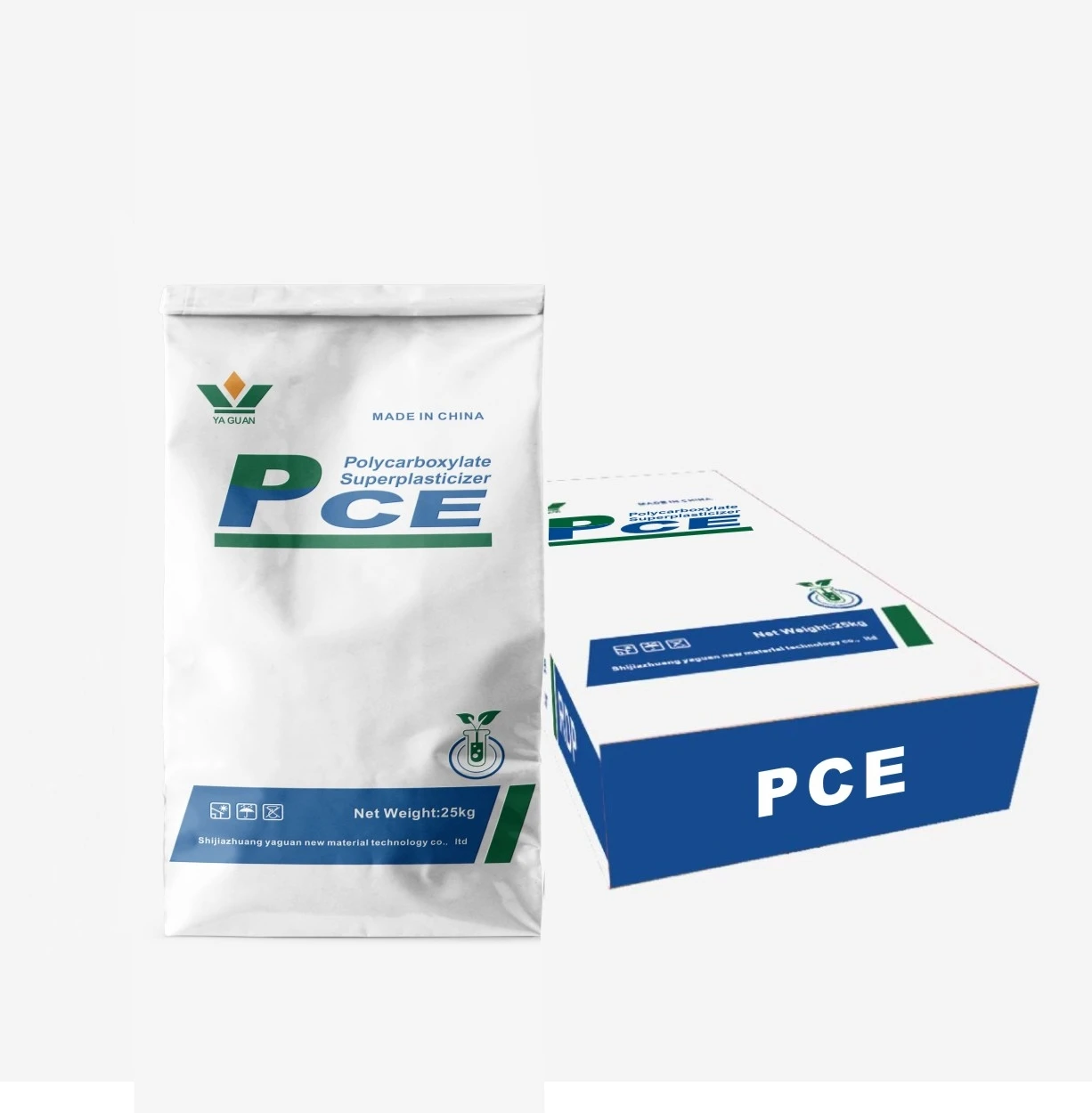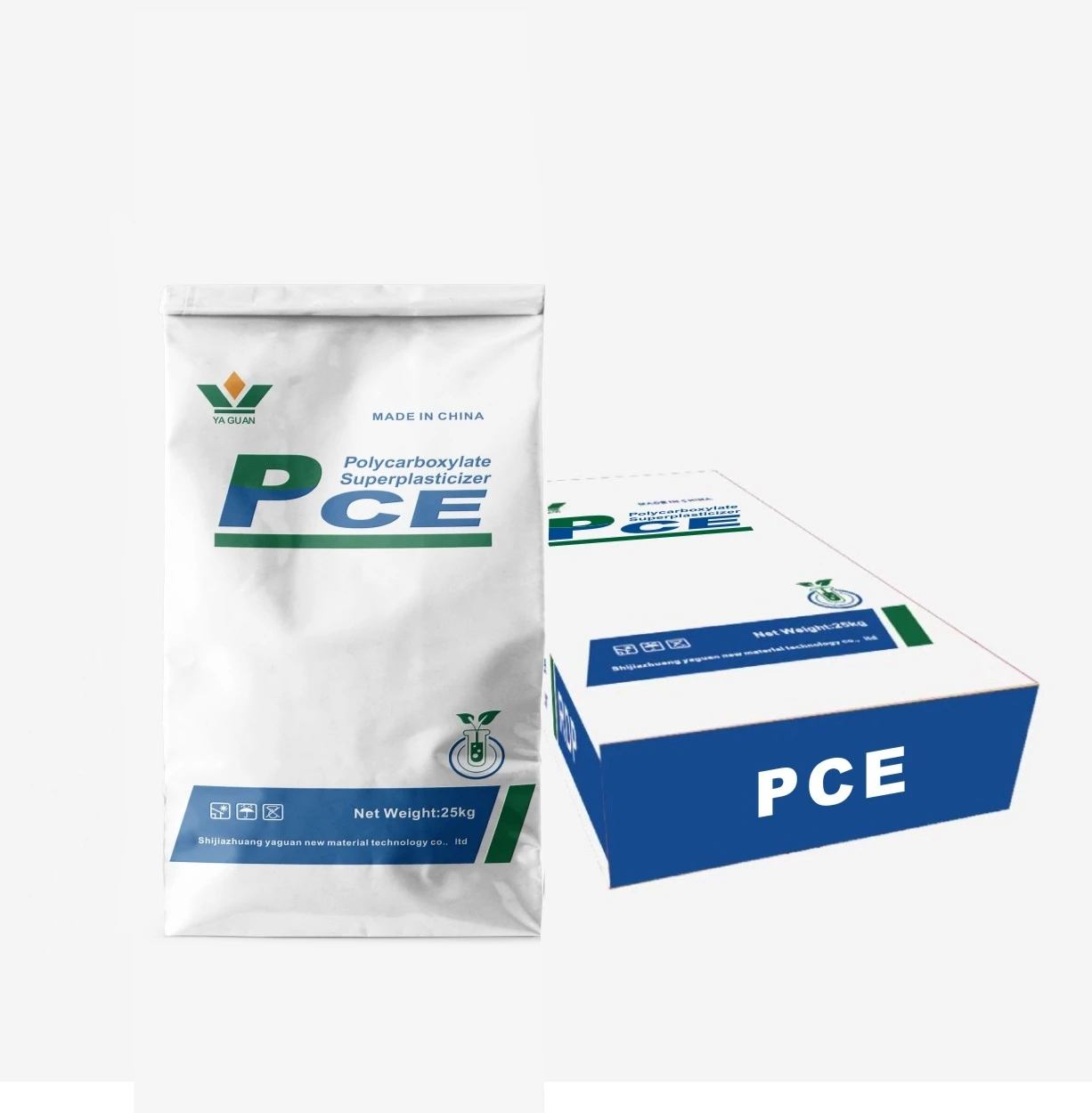

Understanding Water Reducing Admixtures in Concrete: A Global Perspective
In the vast and ever-evolving field of construction, water reducing admixtures in concrete have quietly become game changers. At first glance, it might seem like just another technical ingredient tossed into the concrete mix. But these admixtures have a global story behind them—one of sustainability, durability, and cost efficiency that matters profoundly in our built environment.
Simply put, these additives improve concrete by reducing the water content required to achieve workability. This seemingly small tweak leads to stronger, more durable construction materials, lowering environmental footprints. Understanding their role sheds light on how modern infrastructure projects tackle challenges like resource scarcity and climate resilience worldwide.
Introduction: The Global Context of Water Reducing Admixtures in Concrete
Concrete remains the most widely used material for construction globally, with demand surging due to rapid urbanization. According to the United Nations, the population growth and urban expansion in developing countries mean more concrete infrastructure is needed annually than ever before. However, traditional concrete mixes often consume excessive water—something of growing concern given global freshwater stress.
Enter water reducing admixtures, which can reduce water content by 5% to 30% without compromising workability. This improvement addresses a critical challenge: producing high-performance concrete while conserving vital water resources. Plus, lower water content translates into fewer cracks and longer-lasting buildings, helping infrastructure better withstand extreme weather events growing increasingly common due to climate change.
Defining Water Reducing Admixtures in Concrete
At its core, a water reducing admixture is a chemical additive blended into concrete to improve its flow characteristics without adding extra water. If you think of concrete as a mix of cement, water, sand, and aggregate, the admixture tweaks the water-to-cement ratio, enhancing fluidity.
These admixtures are commonly polymers or lignosulfonates, which work by dispersing cement particles more evenly, effectively lubricating the mix. This makes concrete easier to pour and compact, reduces bleed water, and results in higher ultimate strength once cured.
Seems technical, sure, but from an industry or humanitarian standpoint, this means stronger buildings built faster with fewer resources. For example, in earthquake-prone regions, such concrete offers crucial resilience. Or in post-disaster reconstruction, it allows for quicker deployment of durable shelters.
Core Components and Practical Considerations
- Durability: Lower water content means denser concrete with fewer pores — less vulnerability to environmental damage and chemical attack.
- Workability: Improved flow without extra water slows setting time just enough to ease placement.
- Cost Efficiency: Using less water and cement can translate to lower material costs and less rework from flaws.
- Compatibility: Different admixtures behave differently depending on cement type and aggregate, so proper testing is essential.
- Environmental Impact: Reduced water demand and increased concrete longevity contribute positively to sustainability goals.
Mini takeaway: The practical benefits of water reducing admixtures aren’t just theoretical—they directly affect safety, cost, and sustainability in construction projects worldwide.
Product Specifications: Typical Water Reducing Admixture
| Property | Typical Range | Notes |
|---|---|---|
| Water Reduction (%) | 5 - 30% | Depends on admixture type and dosage |
| Specific Gravity | 1.05 - 1.15 | Varies with chemical base |
| pH | 6 - 9 | Neutral to slightly alkaline |
| Dosage | 0.2 - 2.0% by weight of cement | Optimized by trial mixes |
Global Applications and Use Cases
You might wonder, who actually uses these admixtures? The short answer: builders and engineers on every continent. For example:
- Asia: Mega infrastructure projects in China and India push massive concrete use, with admixtures helping meet rapid schedules and sustainability targets.
- Europe: Older cities balance historic preservation with modern standards, so admixtures improve durability in restoration and new build alike.
- Africa: In areas with water scarcity, admixtures are helping reduce freshwater consumption while supporting affordable housing development.
- Post-disaster Relief: NGOs rebuild earthquake or flood-damaged housing faster with stronger concrete that requires less water.
- Remote Industrial Sites: Mining operations in deserts or arctic regions depend on admixtures for consistent concrete quality despite logistical challenges.
To truly appreciate their impact, it’s worth checking examples such as water reducing admixtures in concrete usage in infrastructure programs around the world.
Quick summary: The diversity of use exemplifies the versatility of water reducing admixtures, cutting across regional and industry boundaries to solve real-world problems.
Advantages and Long-Term Value
There’s a ripple effect of advantages with these admixtures. The benefits aren’t just in the technical specs but in the trust and safety they impart. Imagine a bridge with less micro-cracking, meaning fewer repairs and a longer lifespan. Or housing built after a disaster that better withstands the next storm. It’s about dignity and innovation uniting.
Economically, reducing water and cement content brings cost savings. Environmentally, they help lower CO2 emission intensity by reducing cement use — cement being a major carbon emitter worldwide. Socially, faster construction means quicker access to shelter or services.
From my experience in several projects, the safety enhancement is something engineers repeatedly champion, alongside sustainability goals increasingly enforced by policy worldwide.
Vendor Comparison: Leading Water Reducing Admixture Suppliers
| Brand | Water Reduction Efficiency | Compatibility | Environmental Certification | Typical Cost ($/liter) |
|---|---|---|---|---|
| PolyChem Solutions | Up to 25% | Portland & Blended Cements | ISO 14001 Certified | $3.50 |
| GreenMix Admixtures | Up to 30% | All Cement Types including Slag | LEED Compliant | $4.20 |
| EcoFlow Technologies | Up to 20% | Portland Cement Only | Carbon Trust Stamp | $3.80 |
Future Trends & Innovations
Looking ahead, the evolution of water reducing admixtures is bound up with green chemistry and digital innovation. For example, there's growing interest in bio-based admixtures derived from renewable resources, which could revolutionize sustainability.
On the tech side, automation and IoT devices enable real-time quality control on concrete mixing, optimizing admixture dosages dynamically. Imagine concrete plants that track water reduction efficiency continuously, minimizing waste.
Another trend is stricter environmental regulation pushing for admixtures with lower toxicity and better biodegradability, aligning with global carbon reduction commitments like those outlined by the ISO 14001 standard.
Challenges & Expert Insights
Of course, nothing is perfect. Using water reducing admixtures requires carefully calibrated mix designs—get it wrong, and you risk reduced setting times or insufficient strength gain. Distribution logistics in remote areas can complicate consistent supply.
One innovative solution is predosed admixture packs for remote projects — premeasured, sealed, and easy to use onsite. Plus, developing regional testing labs helps ensure local materials interact favorably with admixtures, a critical nuance often overlooked.
FAQ: Frequently Asked Questions About Water Reducing Admixtures in Concrete
- Q: How much water can I realistically save using these admixtures?
A: Typically 5%-30% reduction in mixing water is achievable, depending on the product and mix design. This leads to stronger concrete and less curing shrinkage. - Q: Are these admixtures compatible with all types of cement?
A: Most modern water reducers work with Portland and blended cements, but compatibility testing is essential particularly with specialty or low-alkali cements. - Q: Do admixtures affect the curing time of concrete?
A: Many water reducers slightly delay setting time to improve workability, but high-range water reducers (superplasticizers) may significantly extend it. Adjustments in curing practices are recommended. - Q: Can water reducing admixtures help in cold weather concreting?
A: Yes, by improving flow at lower temperatures and reducing water content, admixtures contribute to early strength gain and durability in cold conditions. - Q: How do these admixtures impact the cost of my project?
A: While the admixture adds upfront costs, savings from reduced cement consumption and improved durability usually outweigh them in the long term.
Conclusion and Call to Action
It’s clear that water reducing admixtures in concrete are far more than just a technical detail. They represent a bridge to stronger, sustainable, and economically viable construction worldwide. Their ability to optimize water use, enhance durability, and support rapid construction makes them indispensable in facing 21st-century challenges.
If you're involved in specifying materials, managing projects, or simply curious how concrete technology is evolving to meet global demands, learning more about these admixtures offers valuable insight into construction’s future.
For detailed technical guidance or sourcing certified products, feel free to visit our website.
A small anecdote: I remember walking a site where an admixture tweak literally saved weeks of curing time — and the client’s nerves. Practical, reliable, sustainable. You can’t ask for much more.
- Wikipedia: Concrete admixture
- ISO 14001 Environmental Management Standard
- UN Sustainable Development Goals: Industry, Innovation and Infrastructure
Keep an eye on innovations here; these humble admixtures hold vital clues to greener, smarter building.