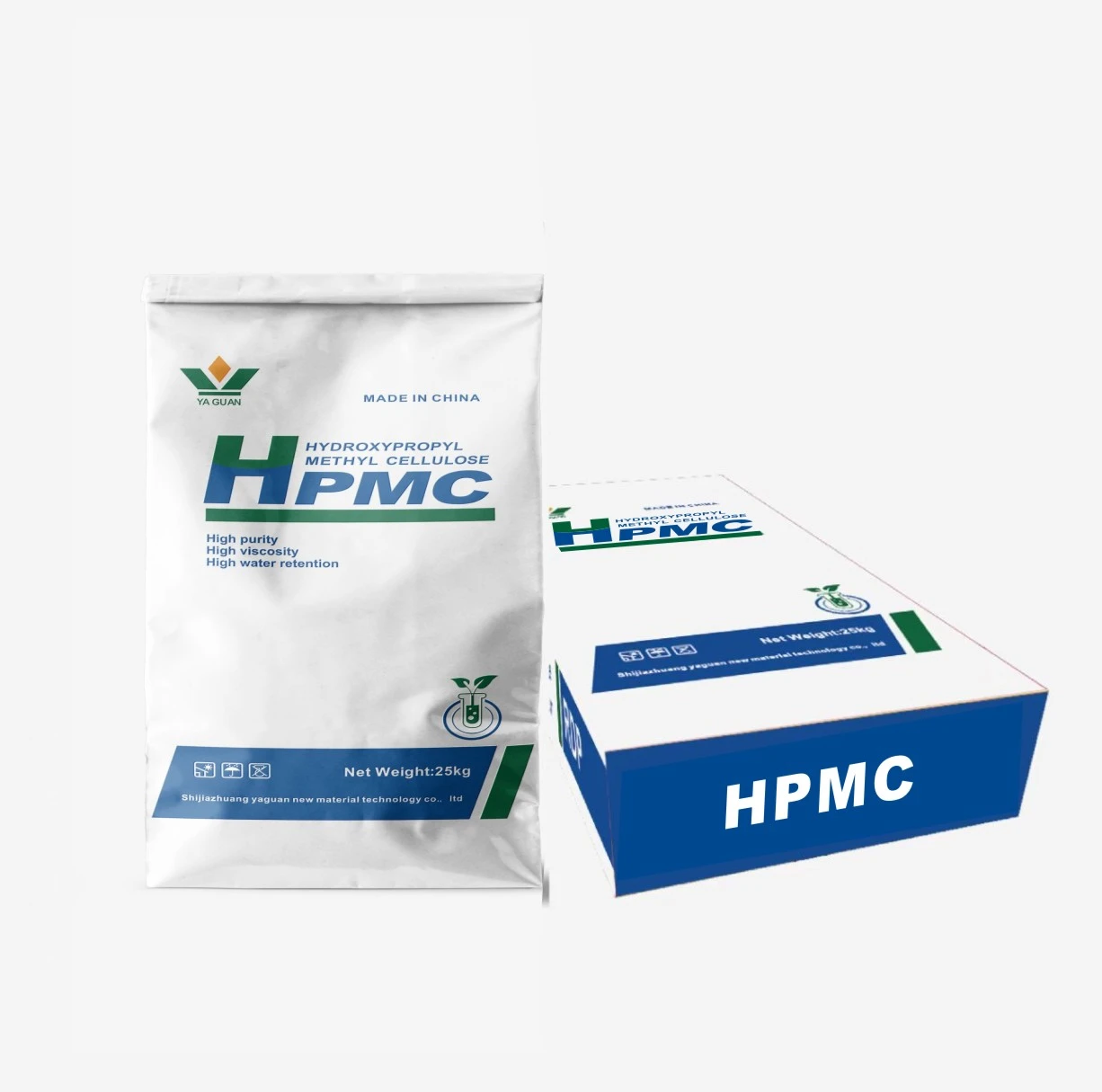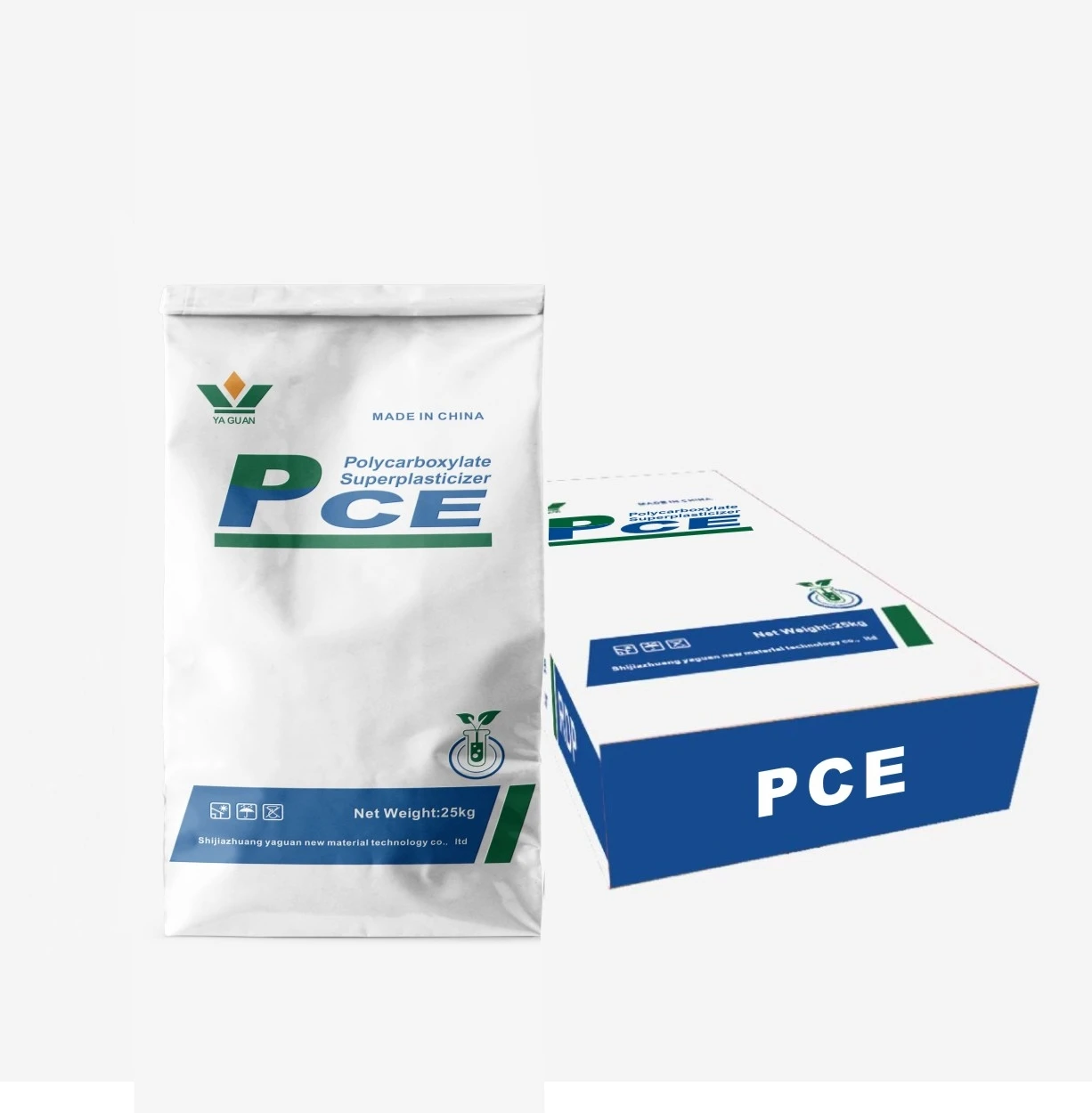

Water-reducing Admixtures is a key solution in the industry, specifically within concrete and construction sectors. This article explores how https://www.yaguanhpmc.com supports professionals with durable, high-performance products, and explains why this product is an ideal choice for businesses in these sectors.
Table of Contents
- Water-reducing Admixtures Overview
- Benefits & Use Cases of Water-reducing Admixtures
- Cost, Maintenance & User Experience
- Sustainability & Market Trends
Water-reducing Admixtures Overview
At its core, a water-reducing admixture is an additive designed to reduce the amount of water needed in concrete mixes while maintaining workability. You might think, why does that matter? Well, less water means stronger, more durable concrete — a fact that many in our industry know but sometimes overlook in project planning.
Technically speaking, these admixtures often contain polycarboxylate ethers or lignosulfonates, which work by dispersing cement particles more evenly. This means less water is needed for lubrication. For instance, a case study from a recent mid-rise building project showed that using these admixtures improved compressive strength by around 15%, while also enhancing setting time control. This isn’t magic; it’s chemistry meeting engineering.
| Specification | Typical Value |
|---|---|
| Water Reduction | 8-15% |
| Dosage Rate | 0.2%-1.0% by weight of cement |
| Setting Time | Normal to retarded, adjustable |
| Appearance | Brown to dark brown liquid |
| pH | 6 - 8 |
Benefits & Use Cases of Water-reducing Admixtures
In terms of real-world applications, these admixtures shine in all sorts of projects: from massive infrastructure works like highways and bridges to precast concrete manufacturing and specialty architectural elements. Frankly, anyone working with concrete can benefit because it balances improved strength with easier placement and finishing.
One subtle advantage worth mentioning is how these admixtures enhance the rheology—meaning the flow—of concrete, making pumping and casting easier, especially on sites where every minute counts. A few clients have noted how this helps their crews reduce labor fatigue and speed up timelines without compromising quality.
Compared to some competitors, products available through Yaguan HPMC often provide tailored admixture options — whether you need rapid setting, slump retention, or corrosion inhibition. Their flexible formulations also integrate well with other specialty admixtures in complex mixes.
| Vendor | Product Range | Customization | Price Competitiveness | Lead Time |
|---|---|---|---|---|
| Yaguan HPMC | Wide (polycarboxylate-based) | High | Competitive | 2-3 Weeks |
| Global Competitor A | Moderate | Limited | High | 4-6 Weeks |
| Local Supplier B | Narrow | None | Low | 1-2 Weeks |
Cost, Maintenance & User Experience
Looking at the total cost of ownership, it’s clear that water-reducing admixtures often pay for themselves. I’ve heard from plant managers that although there’s an upfront cost increase compared to traditional mixes, the savings in cement usage, reduced repairs due to stronger concrete, and faster construction cycles stack up nicely.
Durability is another big selling point. Water-reduced concrete tends to resist cracking and chemical ingress better, which translates to lower maintenance costs over the structure’s life. Customers from heavy infrastructure projects report noticeably fewer defects years down the line, which, frankly, is why so many prefer these admixtures.
User feedback also consistently praises the ease of mixing and application. Some operators commented that the slump stability lasts longer, which means the concrete stays workable even in hot weather or on larger pours — a relatively small thing, but it makes a world of difference on site.
Sustainability & Market Trends
Sustainability is kind of the elephant in the room nowadays. With increasingly strict regulations on carbon emissions and resource usage, the construction industry needs to step up — and water-reducing admixtures offer a practical way to do just that. By allowing for less cement and water consumption, they directly reduce the carbon footprint of concrete production.
Markets continue to grow, driven by urban expansion and infrastructure renewal worldwide. Admixture manufacturers, like those at Yaguan HPMC, innovate constantly — releasing eco-friendlier formulations and multifunctional additives that meet evolving environmental standards.
Frequently Asked Questions about Water-reducing Admixtures
- What is Water-reducing Admixtures and how does it work?
- Water-reducing admixtures are additives that improve concrete by reducing the amount of water needed. They work by dispersing cement particles to increase fluidity without adding water, resulting in stronger concrete.
- What are the main benefits of using Water-reducing Admixtures in industrial applications?
- Key benefits include enhanced concrete strength, improved durability, reduced material usage, better workability, and cost savings over the project lifespan.
- How does Water-reducing Admixtures compare to traditional alternatives?
- Compared to traditional additives, water-reducing admixtures offer more consistent performance, greater flexibility in mix design, and stronger concrete with less water.
- What industries can benefit most from Water-reducing Admixtures implementation?
- Industries like infrastructure, residential and commercial construction, precast manufacturing, and even specialty concrete applications benefit greatly because of improved performance and sustainability.
Conclusion on Water-reducing Admixtures from china
In summary, water-reducing admixtures are indispensable for modern concrete production. They enhance durability, reduce costs, and align well with sustainability goals. It’s no surprise that more businesses, especially in Asia and beyond, look to trusted suppliers like Yaguan HPMC for consistent quality and tailored solutions.
- Recap the value of Water-reducing Admixtures.
- - Visit our website: https://www.yaguanhpmc.com
Oddly enough, when you peel back the layers of concrete production, these small chemical tweaks can really transform the way we build, especially as sustainability pressures intensify. I suppose that’s what makes the world of admixtures quietly fascinating.
- ACI Committee 212: “Report on Chemical Admixtures.” American Concrete Institute.
- PCA (Portland Cement Association) Technical Data on Water-Reducing Admixtures.
- Yaguan HPMC Product Literature and Customer Case Studies.