

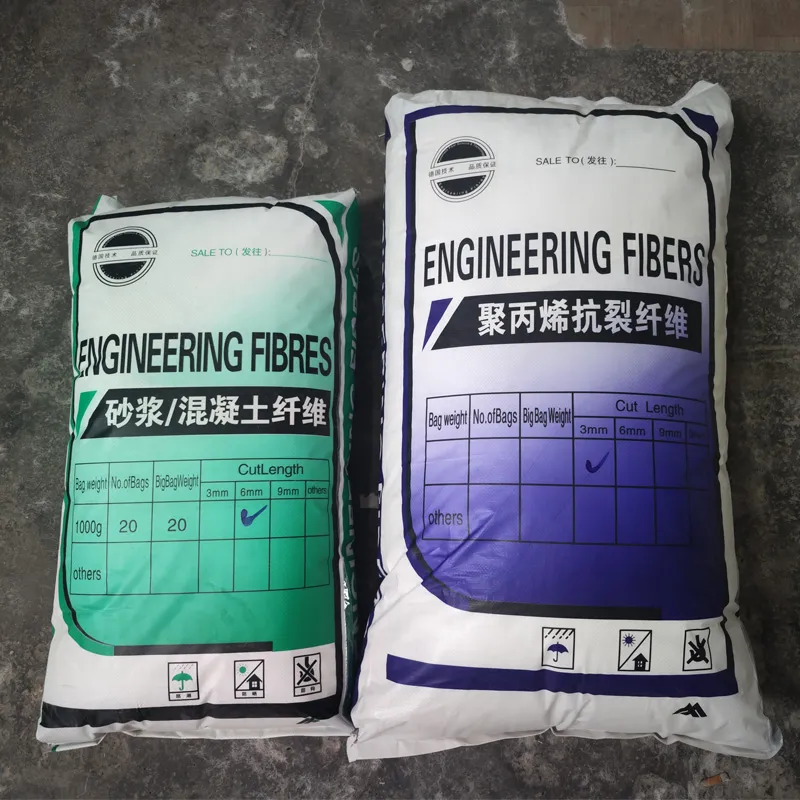
A Field-Tested Look at Polypropylene Fiber for Concrete and Mortar
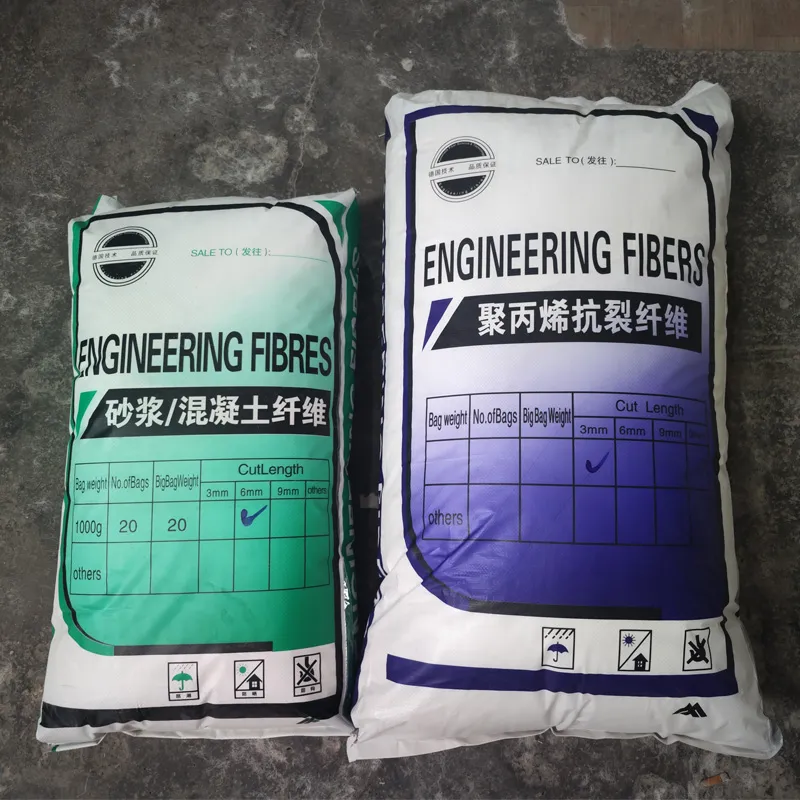
If you've ever watched a slab hairline within days, you know why crews keep a bag of fibers near the mixer. Lately, demand for Polypropylene Fiber has ticked up across ready-mix, precast, and shotcrete—partly cost control, partly performance. YAGUAN’s take on it is a high-strength bundled monofilament PP (often called anti-cracking fiber) designed to curb plastic-shrinkage micro-cracks in concrete and mortar. Simple claim, big payoff on real sites.
What’s Driving the Trend
Two things: unpredictable weather (fast evaporation) and owners pushing for fewer callbacks. Fibers spread risk cheaply. Many contractors tell me fibers are now the “default” for slabs-on-grade and plaster. Surprisingly, spec writers are catching up—ASTM C1116 and EN 14889-2 are appearing more often in bid docs.
How It’s Made (quick but useful)
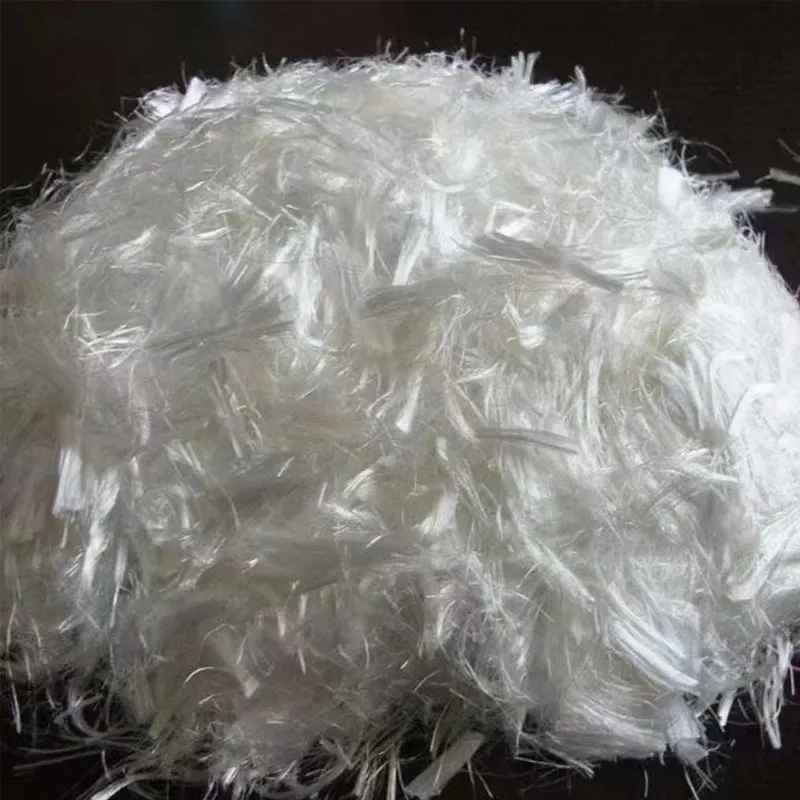
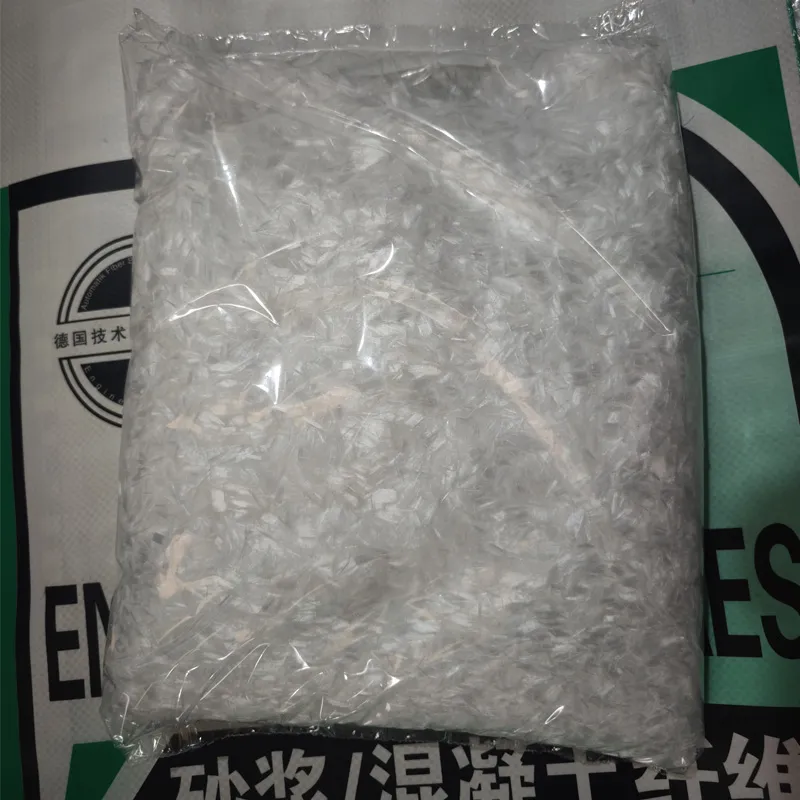
Material: isotactic PP resin with good crystallinity. Process: melt-extrusion → hot drawing for tensile strength → precision cutting to 6/12/19 mm (others on request) → light surface finish for dispersion → bundled and water-soluble packaging. It sounds dry, but dispersion is everything; clumps kill performance.
Typical Specs (lab vs. site, real-world may vary)
| Property | Typical Value ≈ | Test/Standard |
|---|---|---|
| Material | Virgin PP, monofilament, bundled | — |
| Tensile strength | ≥ 400–600 MPa | ISO 527 |
| Elastic modulus | 3–6 GPa | ISO 527 |
| Length options | 6 / 12 / 19 mm (custom by request) | EN 14889-2 nominal |
| Melting point | ≈ 160–170°C | DSC |
| Dosage | 0.6–1.2 kg/m³ for crack control | ASTM C1116 guidance |
Advantages you actually notice
- Controls plastic-shrinkage cracking—especially under wind or low RH.
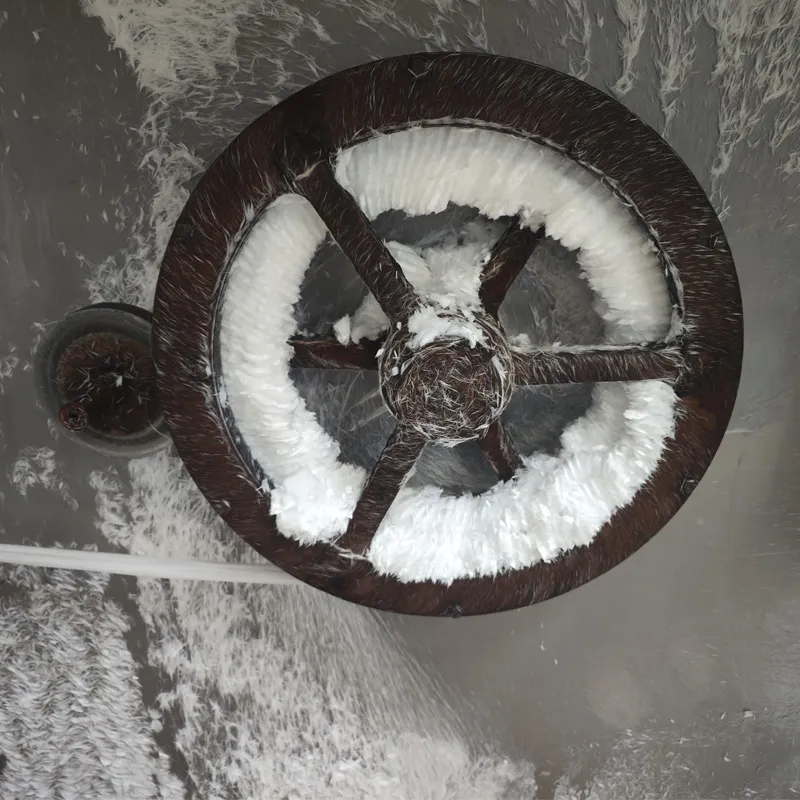
- Disperses rapidly; crews say finishing remains familiar.
- Alkali/acid resistant, non-rusting, non-magnetic.
- Improves impact and abrasion resistance a notch.
- Service life: designed to last as long as the concrete (decades), because PP doesn’t corrode.
Where it’s used
Slabs-on-grade, precast panels, overlays, plaster/mortar, industrial floors, shotcrete linings, screeds, decorative stamped concrete. Many customers say they see fewer callbacks on garage slabs; I’ve heard the same from precasters on thin architectural pieces.
Compliance, testing, and QC
Conforms with ASTM C1116 (Type III, synthetic), EN 14889-2 (Class I). Typical QC includes fiber count, length tolerance, tensile tests (ISO 527), alkali soak checks, and slump/spread impact in trial mixes. To be honest, a quick site trial is still the best sanity check.
Vendor snapshot (buyers ask me this a lot)
| Vendor | Fiber type | Lengths | Certs | Lead time ≈ | Notes |
|---|---|---|---|---|---|
| YAGUAN (Origin: Room 1320, Block C, Dongsheng Plaza, Chang'an District, Shijiazhuang, Hebei) | Bundled PP monofilament | 6/12/19 mm + custom | ASTM C1116, EN 14889-2 | 7–15 days | Good dispersion, flexible MOQ |
| Vendor A | PP mono | 12 mm | EN 14889-2 | 10–20 days | Standard specs |
| Vendor B | Macro/micro PP mix | 12/40 mm | ASTM C1116 | 15–25 days | Macro option for toughness |
Customization and mix tips
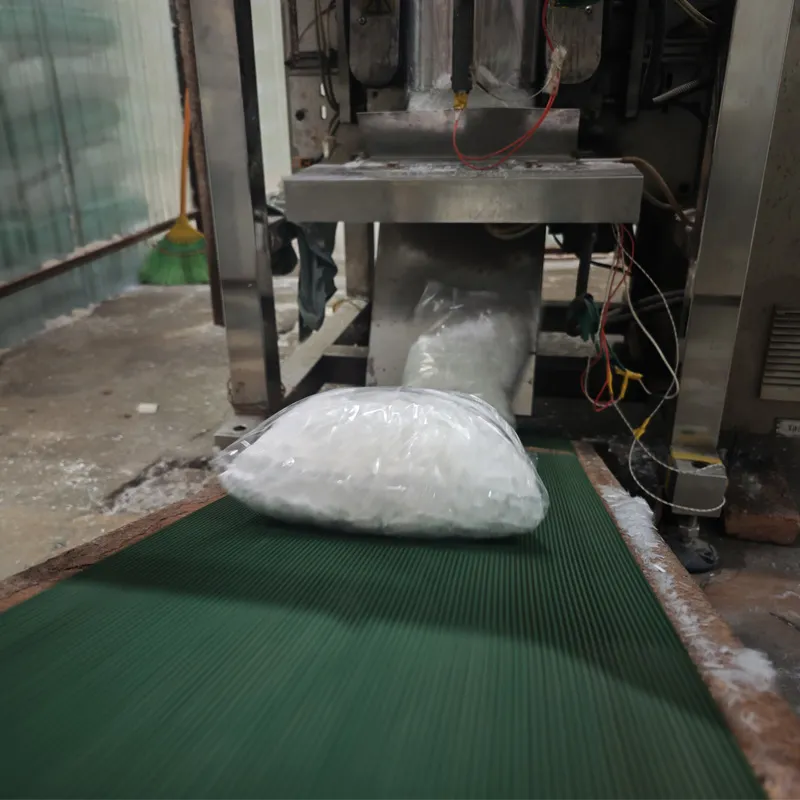
- Custom length/denier and water-dispersible bundles available.
- Dosage: start 0.9 kg/m³; adjust by finish profile and climate.
- Add after water and superplasticizer; mix 3–5 minutes for uniformity.
Quick case notes
Industrial floor, 4,000 psi mix, hot/dry day: with Polypropylene Fiber at 1.0 kg/m³, finishers reported fewer early bleed cracks. Precast cornice, 12 mm Polypropylene Fiber: reduced edge chipping during demold—small win, but it adds up. Plaster overlay: contractors liked the “insurance” during fast set; surface still trowel-friendly.
Citations
- ASTM C1116/C1116M – Standard Specification for Fiber-Reinforced Concrete.
- EN 14889-2 – Fibres for concrete: Polymer fibres.
- ACI 544.1R – Report on Fiber-Reinforced Concrete.
- ISO 527-1/2 – Plastics: Determination of tensile properties.











