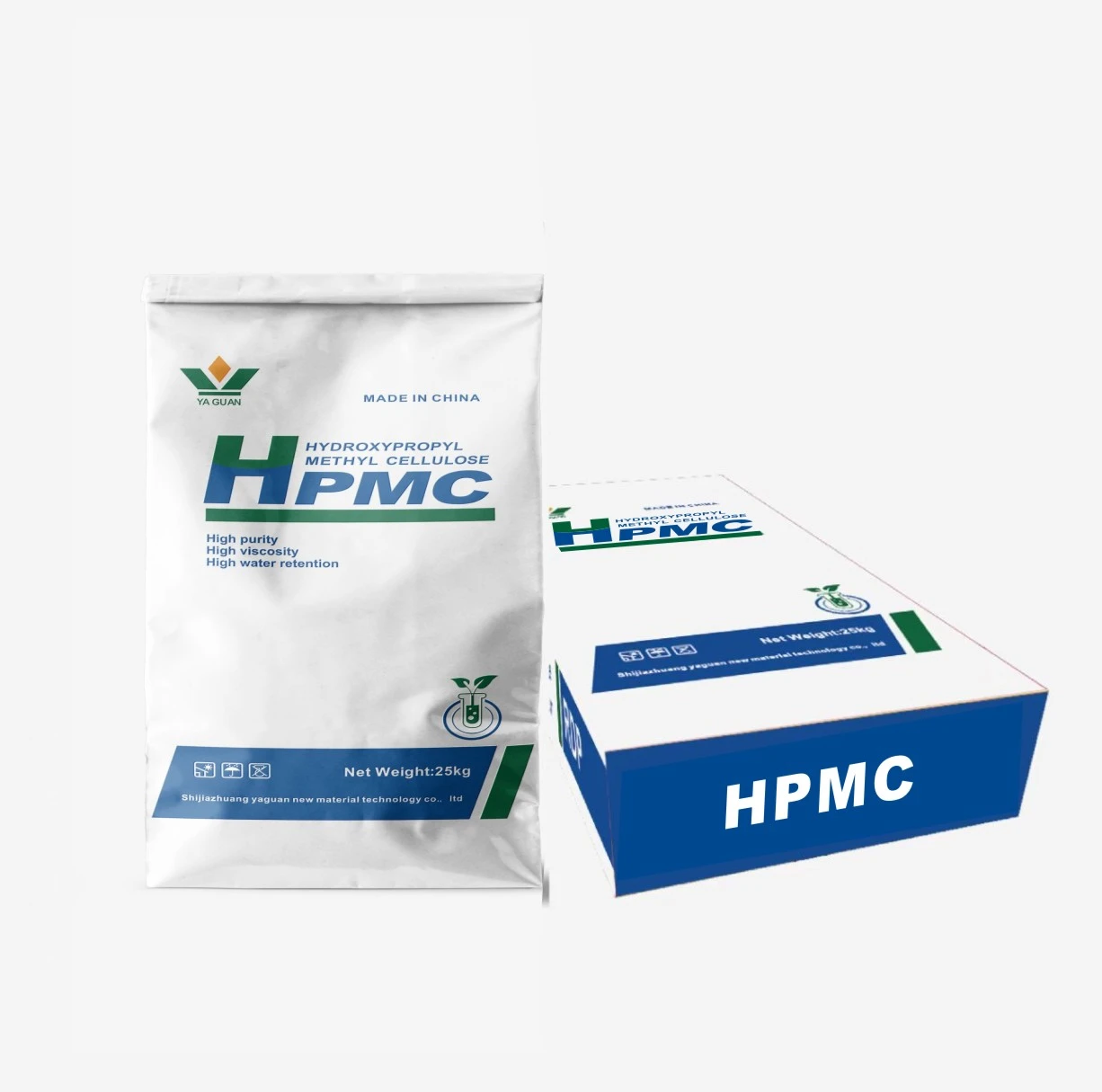


A Field Guide to Hydroxypropyl Methyl Cellulose( HPMC): What Pros Are Buying in 2025
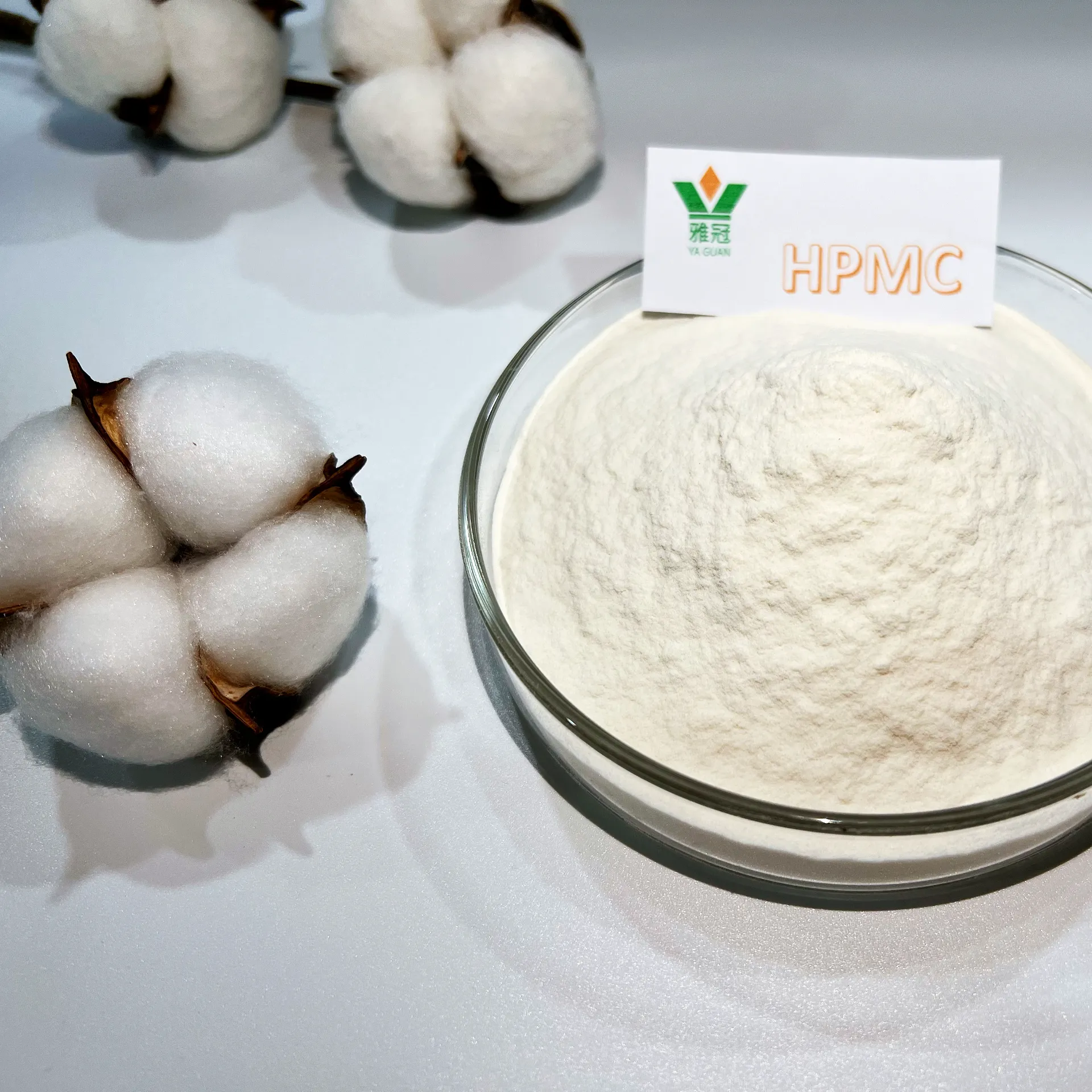
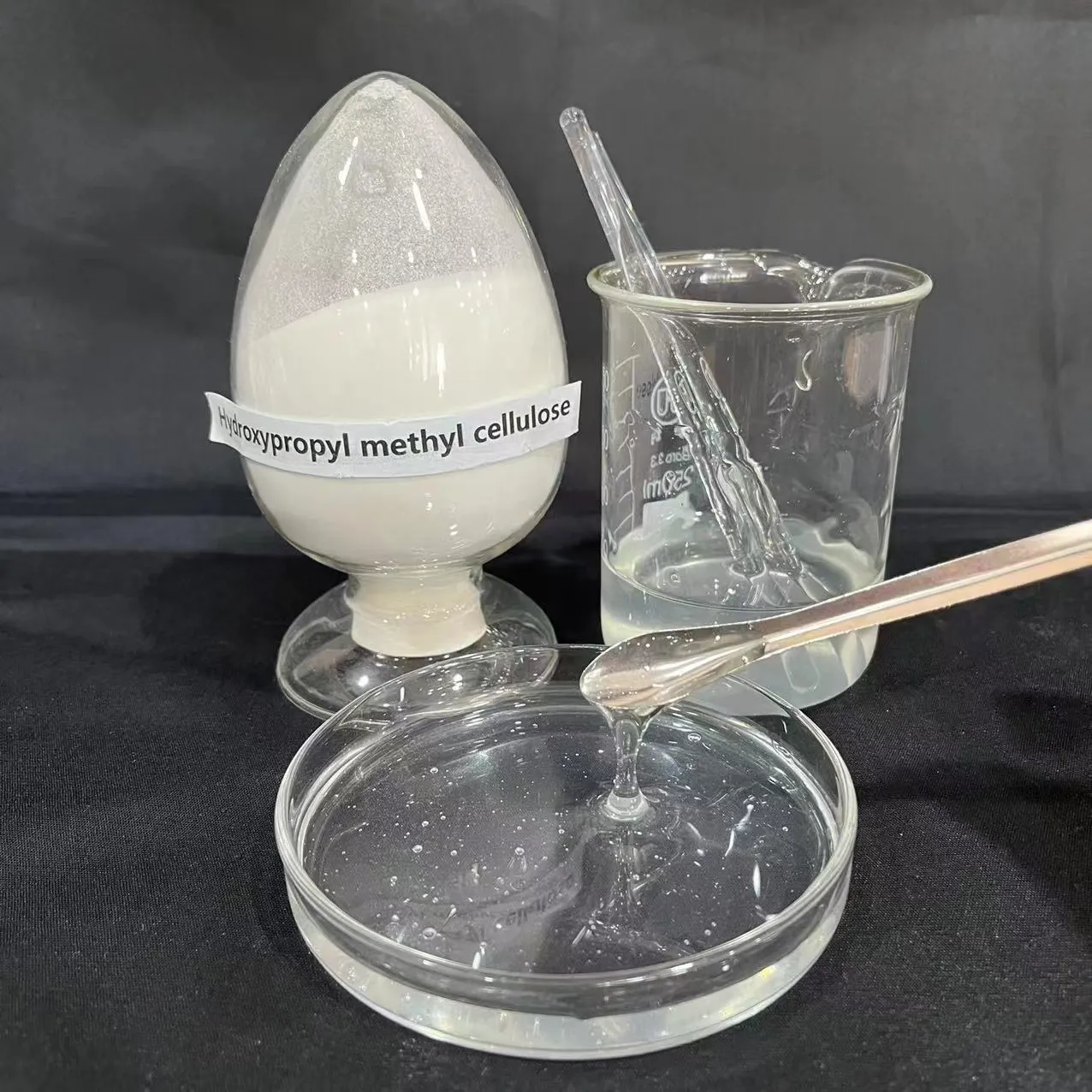
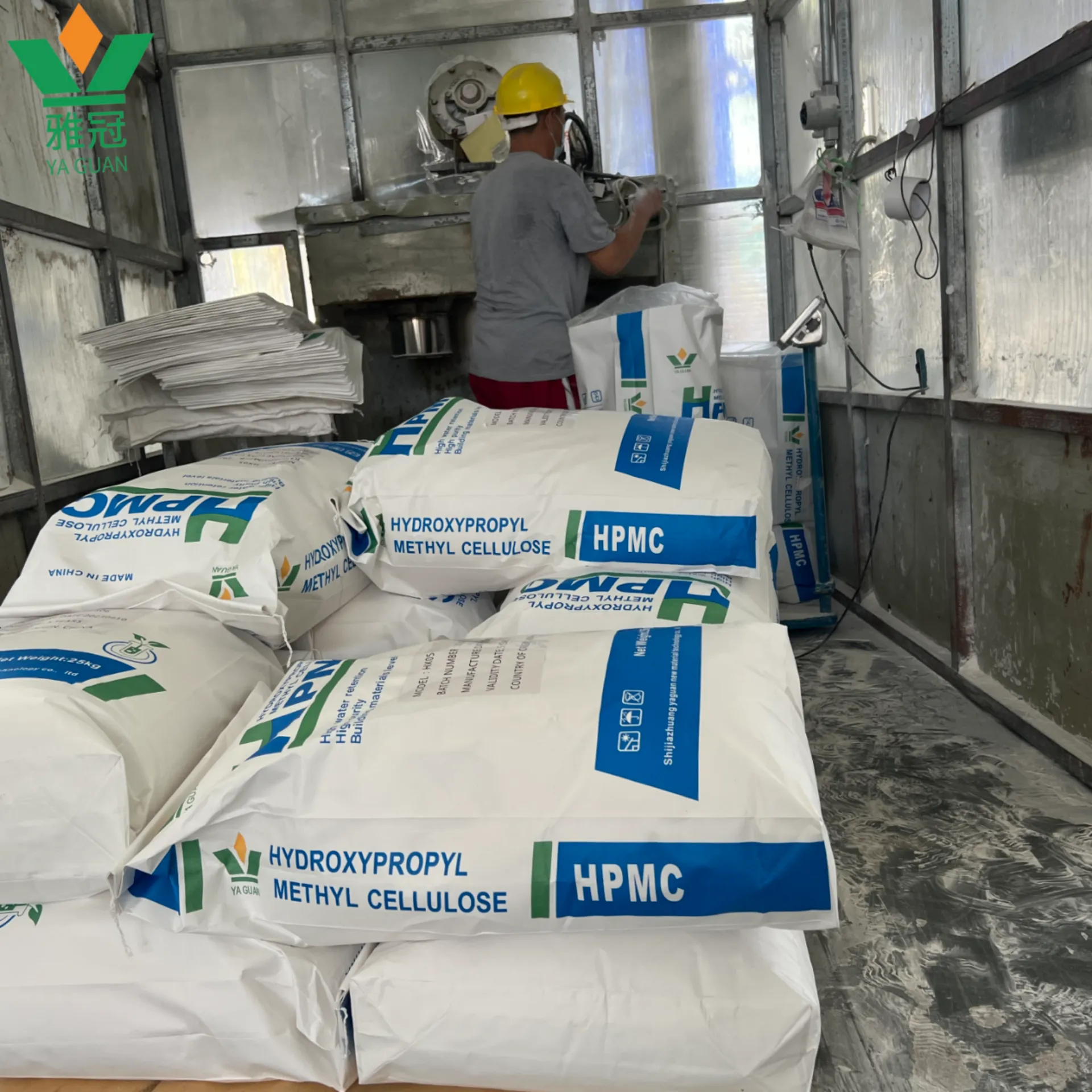
In construction labs and coating plants I’ve visited recently, one additive keeps showing up on the QC whiteboard: Hydroxypropyl Methyl Cellulose( HPMC). It’s a non-ionic cellulose ether—odorless, tasteless, essentially a white powder—that dissolves in water and most polar organics. The kicker is its behavior: thickening, bonding, dispersing, emulsifying, film-forming, suspending, gelling, water retention… you get a whole kit in a single sack. YAGUAN’s line has been the talk among tile-adhesive formulators, to be honest.
Where it’s used (and why it sticks)
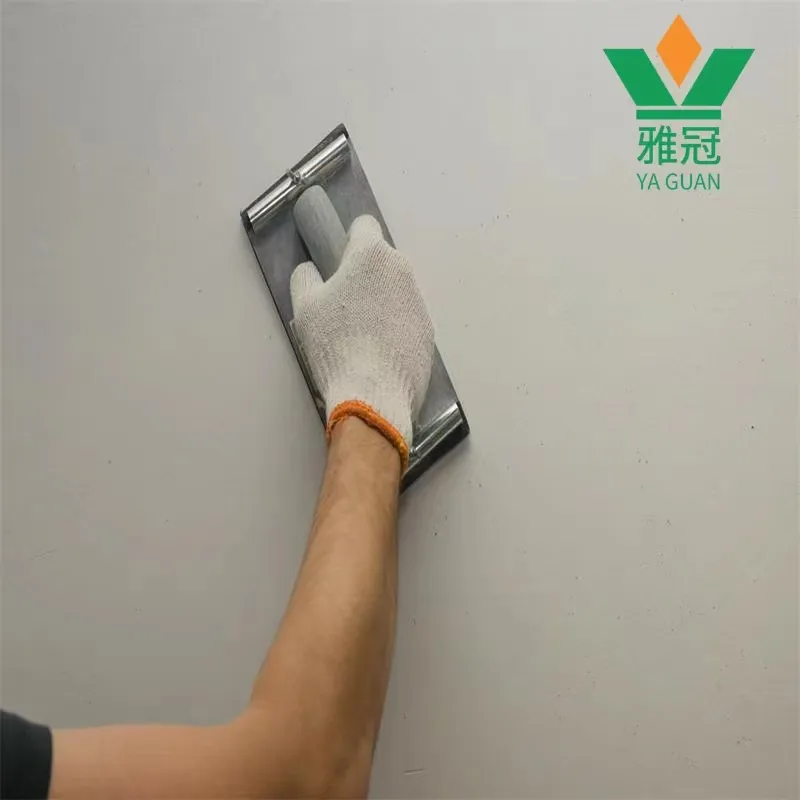
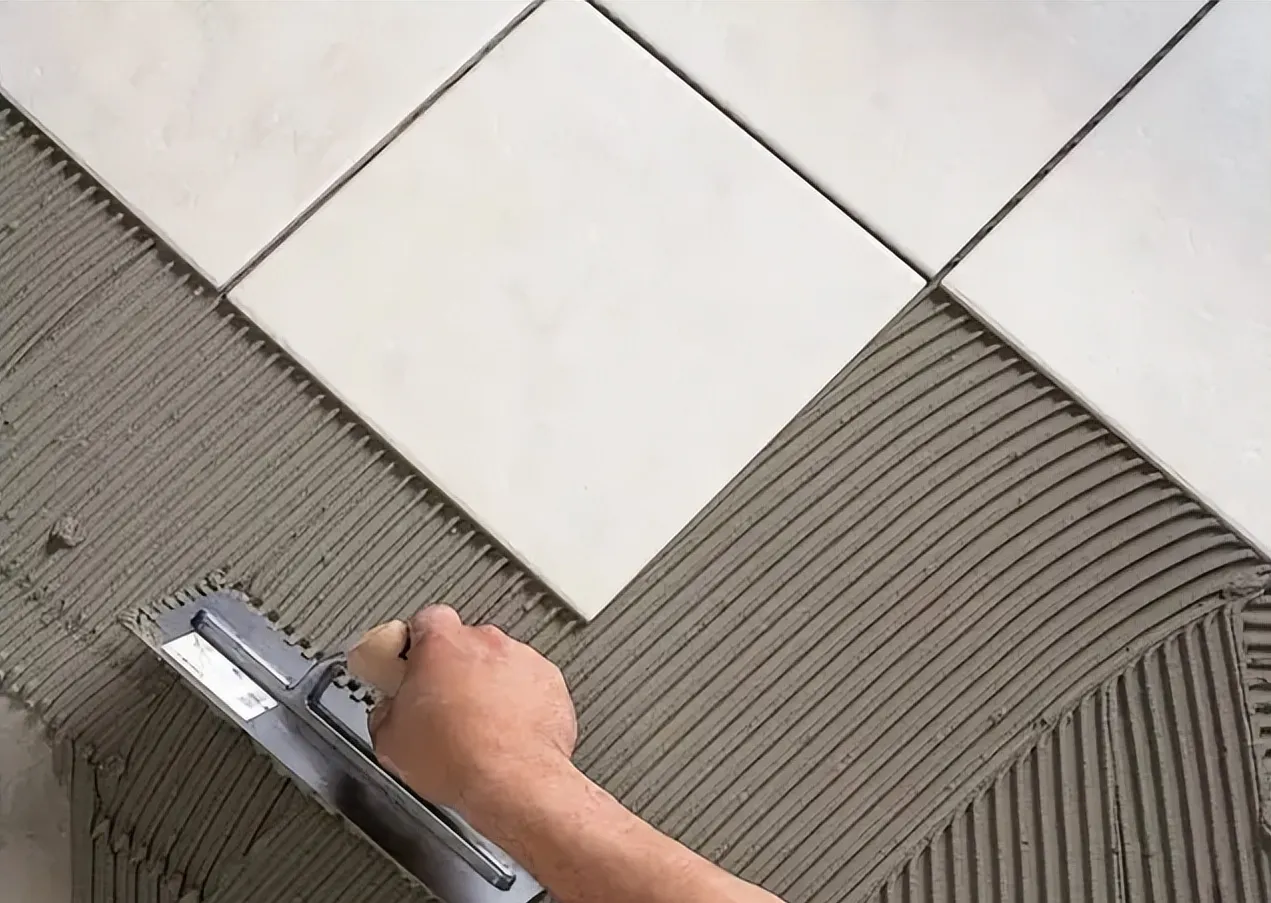
Typical sectors: cement-based tile adhesives (C1/C2), gypsum plaster, EIFS/ETICS basecoats, wall putty, self-levelers, latex paints, detergents, and even pharma films and food (E464) in select grades. Real-world perks include open time extension, anti-sag in vertical troweling, improved workability, and better water retention—critical for cement hydration.

Product snapshot (specs you’ll actually use)
| Parameter | Typical Range | Notes |
|---|---|---|
| Appearance | White to off‑white powder | Non-ionic, high clarity in solution |
| Viscosity (2% sol., 20°C) | 400–200,000 mPa·s | Brookfield; ±8% typical tolerance |
| Methoxyl / Hydroxypropyl | ≈19–24% / ≈4–12% | Determines gel temp & water retention |
| Moisture | ≤5% | Dry-balance method |
| pH (1% sol.) | 4.0–8.0 | Real-world use may vary |
| Gel Temperature | 60–85°C | Grade-dependent |
| Shelf Life | 24 months | Cool, dry storage |
Process flow (how it’s made)
Materials: refined cellulose, NaOH, methyl chloride, propylene oxide. Methods: alkalization → etherification → neutralization → washing → drying → milling → sieving → QC. Testing follows Brookfield viscosity, ash, substitution levels; mortar tests use ASTM C1437 flow and EN 12004 open time/adhesion. Service life in blends: typically stable across 12–18 months if kept dry; in cured mortars, performance persists through the system’s life.
Customization that matters
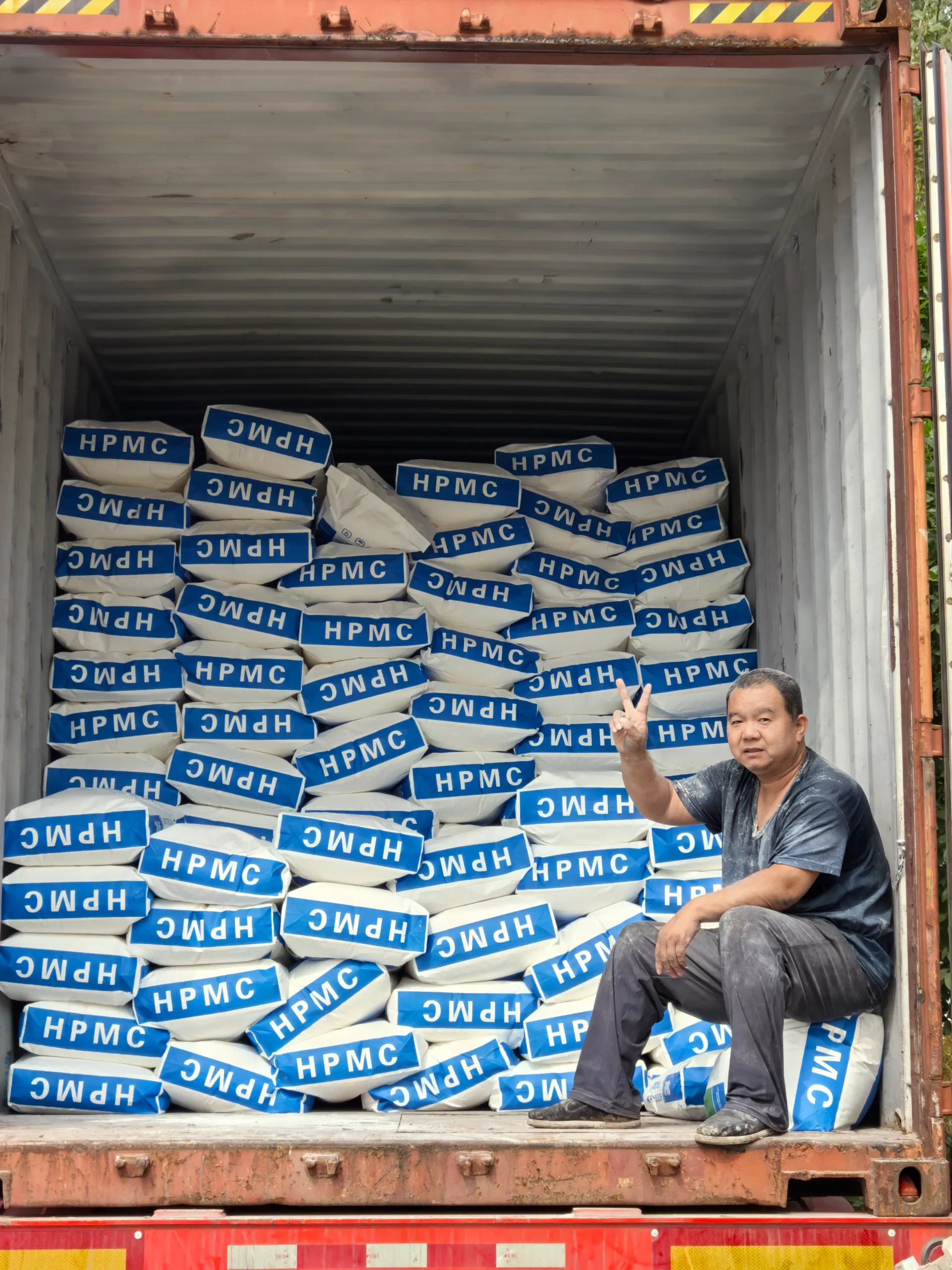
Options include viscosity bands (e.g., 50k/100k/150k mPa·s), substitution level tuning for gel temp, particle size control for rapid dissolution, and surface-treated vs. non-treated grades for anti-lumping. Many customers say the fast-wet grades cut mixing time by 10–15%—I’ve seen similar in plant trials.
Vendor comparison (quick look)
| Vendor | Viscosity Tolerance | Lead Time | Certifications | Notes |
|---|---|---|---|---|
| YAGUAN (Origin: Room 1320, Block C, Dongsheng Plaza, Chang'an District, Shijiazhuang, Hebei) | ±8% | 10–15 days | ISO 9001; batches aligned to EN/ASTM tests | Strong construction focus; good tech support |
| Vendor A | ±10% | 15–25 days | ISO 9001 | Broader SKU, slower sampling |
| Vendor B | ±12% | 21–30 days | ISO 9001 | Competitive price, variable QC |
Applications and test data (field notes)
- Tile adhesive C2TE: open time ≥30 min; slip ≤0.5 mm; tensile adhesion ≥1.0 N/mm² (EN 12004). With Hydroxypropyl Methyl Cellulose( HPMC), we saw ≈+20% open time vs. control.
- Gypsum plaster: improved water retention cuts “burning” on hot substrates; workability feedback was “buttery” (installer’s words).
- Latex paint: sag resistance improves by 1–2 notches on ASTM droop scales, without killing flow—surprisingly balanced.

Case studies (short and sweet)
1) Southeast Asia tile adhesive maker switched to Hydroxypropyl Methyl Cellulose( HPMC) 100k mPa·s, surface-treated. Mixing time dropped ≈12%; summer slump complaints fell to near-zero. 2) A gypsum board plant dialed in a lower gel-temp grade, boosting edge hardness without losing pumpability—maintenance reported cleaner lines, which I didn’t expect at first.
Compliance, safety, and standards
YAGUAN batches align to ISO 9001 systems and can reference USP/Ph. Eur. monographs for pharma grades and E464 for food where applicable. Mortar performance is typically validated under EN 12004; lab rheology via Brookfield; cement mortars per ASTM C1437 flow and ASTM C109 strength. As always, application-specific approvals may be needed.
Citations:
[1] USP–NF Monograph: Hypromellose (Hypromellose).
[2] EFSA/Regulation for Food Additive E464 (Hypromellose).
[3] EN 12004: Adhesives for tiles – Requirements, evaluation of conformity.
[4] ASTM C1437: Flow of Hydraulic Cement Mortar.
[5] ISO 9001:2015 Quality Management Systems.