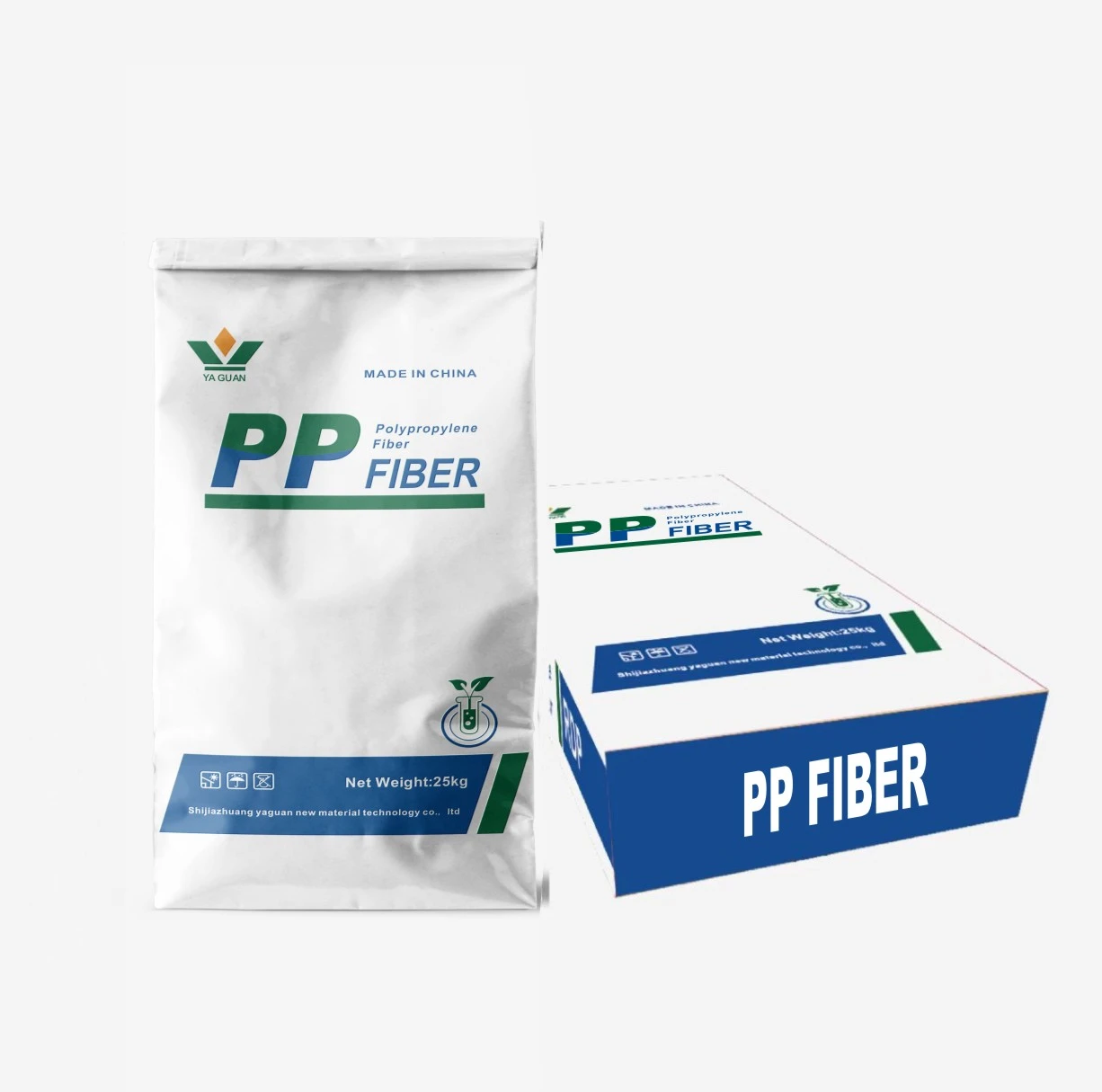

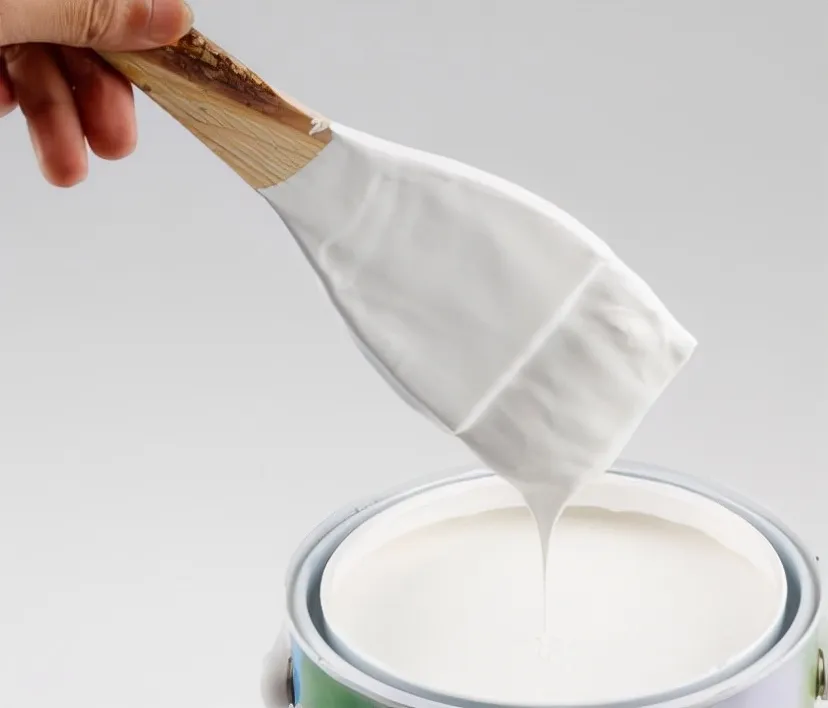
TiO₂ that stands up to sun, rain, and time
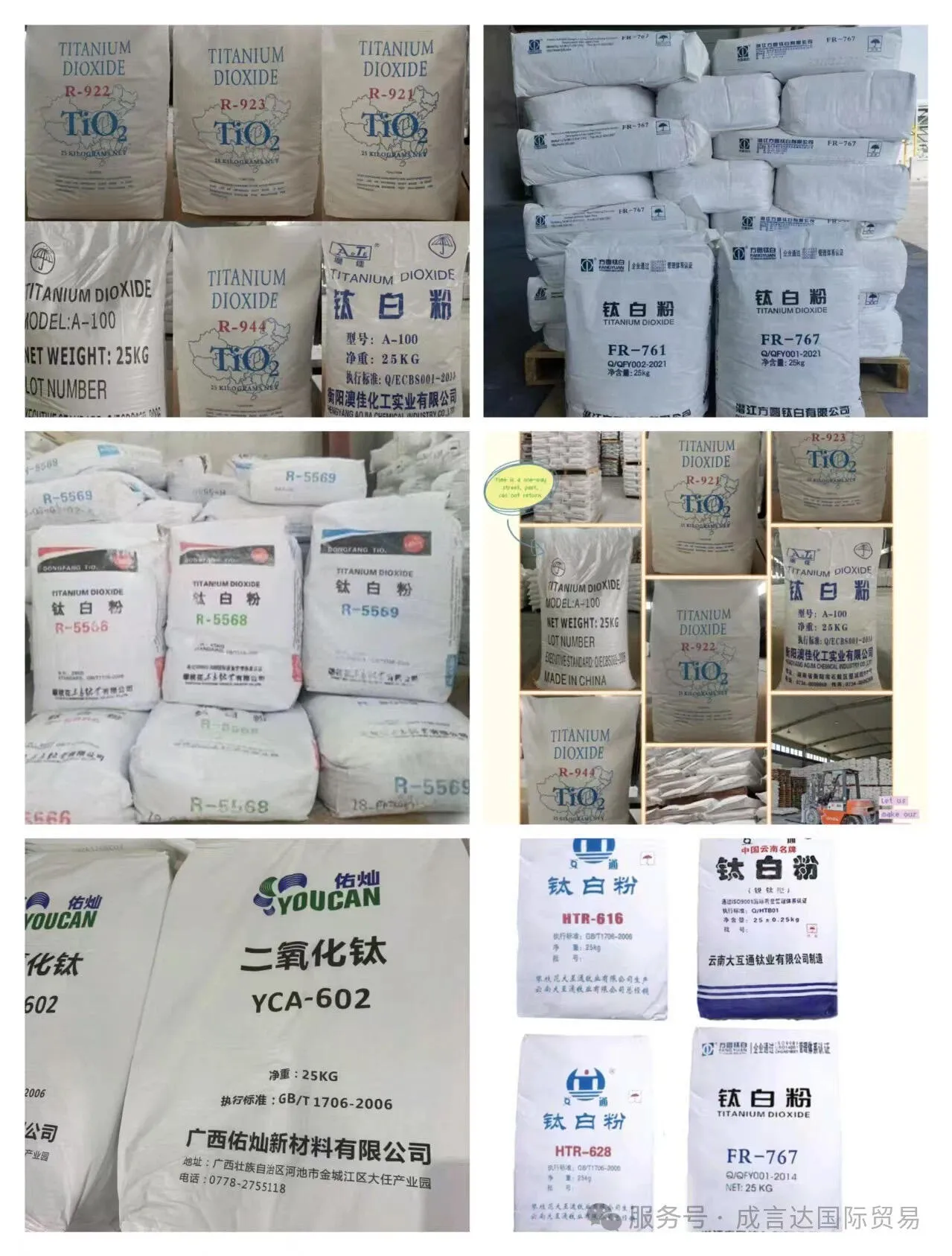
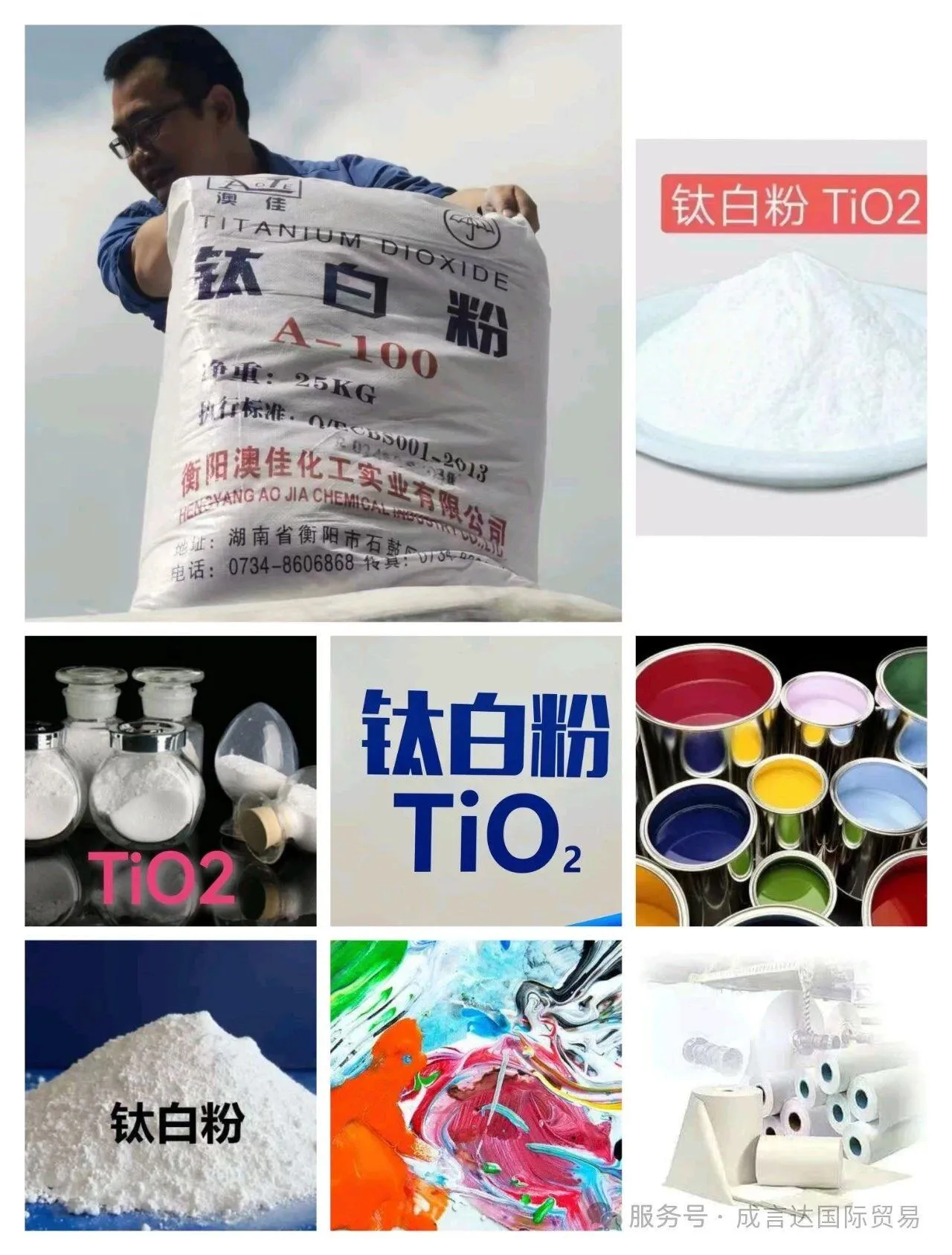
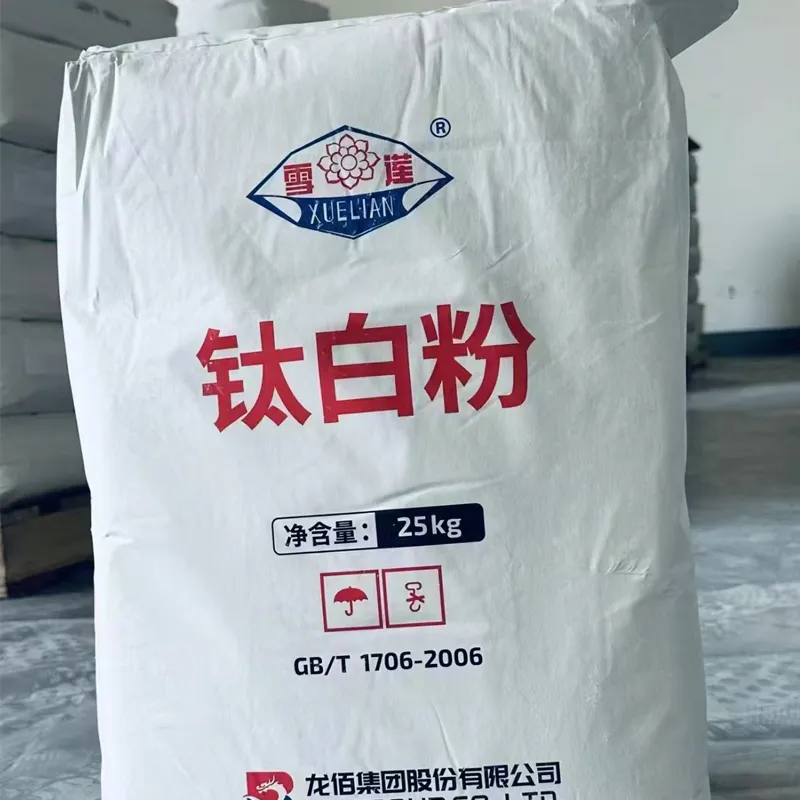
If you work with exterior or high-durability coatings, you already know the pigment decision basically sets the ceiling for performance. I’ve been watching buyer specs drift steadily toward higher weatherability and batch-to-batch consistency. That’s why the TiO₂ – Weather-Resistant Pigment for Paints & Coatings has been popping up in tech sheets and, frankly, jobsite chats. It covers, it keeps white, and—importantly—it’s engineered to resist chalking and UV-driven degradation.
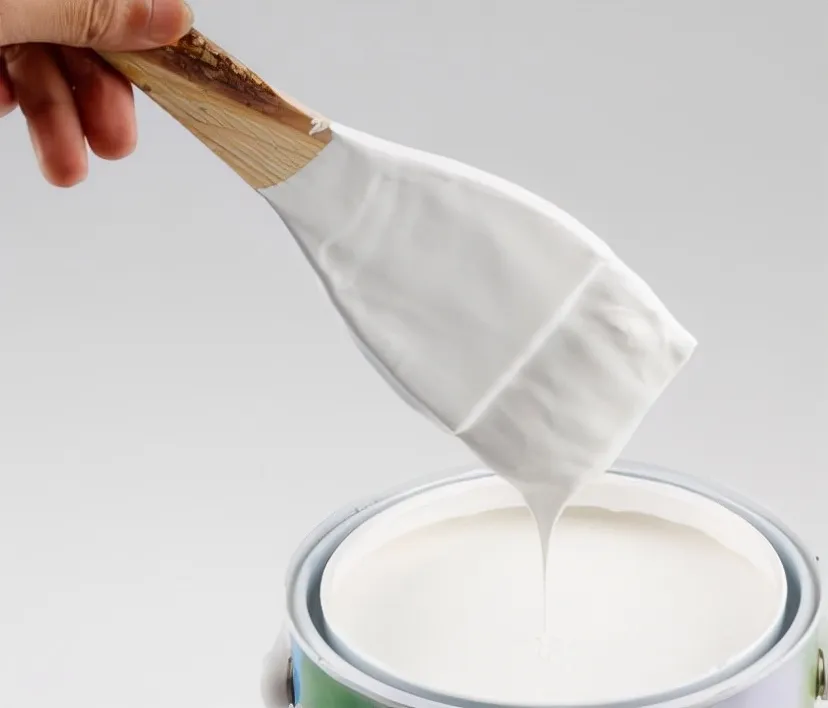
Why it’s trending
Three things: exterior warranties (longer), green specs (stricter), and powder coating growth. Buyers tell me they’re tired of repaint cycles every 5–7 years; they want 10+ with gloss and color holding up. To be honest, that puts pressure on the pigment’s surface treatment and particle control. TiO₂ – Weather-Resistant Pigment for Paints & Coatings leans on rutile grade, alumina/zirconia encapsulation, and tidy dispersion behavior—less drama on the mill.
Key specifications (typical, real-world use may vary)
| Property | Spec |
|---|---|
| Crystal form | Rutile |
| Surface treatment | Alumina + Zirconia + organic |
| TiO₂ content | ≈ 93–96% |
| Mean particle size | ≈ 0.23–0.28 μm |
| Oil absorption (g/100g) | 18–22 |
| Brightness (L) | > 97.0 |
| Weathering (ΔE 2,000 h QUV-A) | ≤ 1.5 |
| Moisture | ≤ 0.5% |
| pH (aqueous) | 6.5–8.5 |
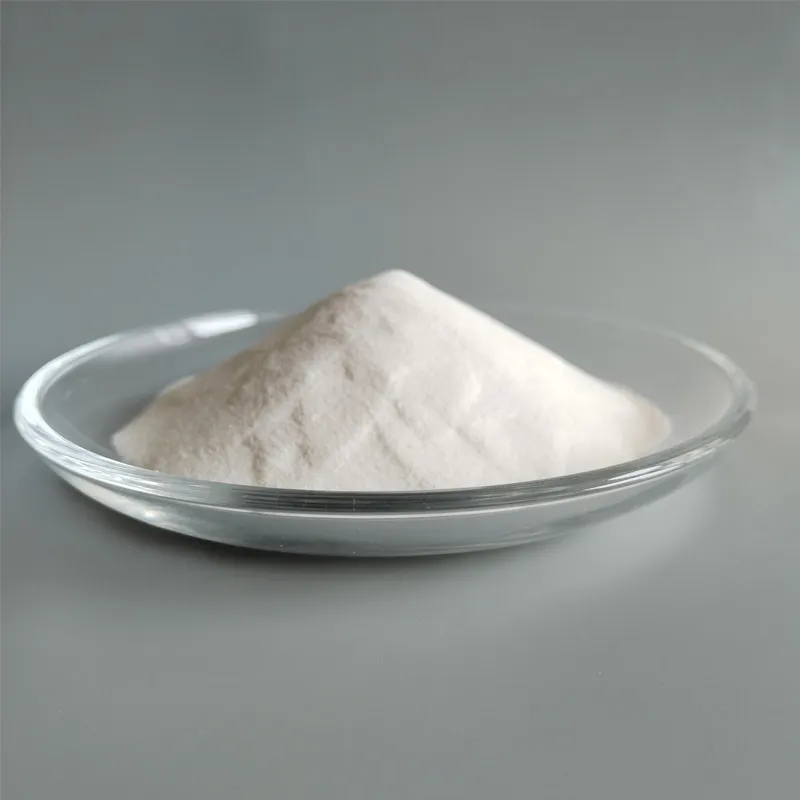
Where it’s used
- Architectural exterior paints (silicone-acrylics, elastomerics)
- Industrial maintenance and OEM alkyds, PU, PVDF primers
- Powder coatings (TGIC polyester, superdurable)
- Marine topcoats, infrastructure, roofing, and reflective coatings
Many customers say hiding power feels “forgiving” even at leaner PVC. And surprisingly, it behaves nicely in both waterborne and high-solids systems.
From lab to jobsite: process flow
- Materials: rutile TiO₂ with Al/Zr/organic treatment; low-VOC dispersants; defoamers.
- Dispersion: high-shear 1,500–2,000 rpm; target Hegman ≥ 7; D90 < 10 μm.
- Let-down: control viscosity window; check CPVC and scrub resistance.
- Testing: ISO 6504 hiding power; ASTM D523 gloss; ASTM D2244 color/ΔE; ASTM D4214 chalking; ASTM D3359 adhesion; ASTM G154 or ISO 16474-3 QUV; ASTM B117 salt spray for primers.
- Service life: exterior 8–15 years depending on binder, film build, and climate (coastal UV pushes the upper limits).
Vendor snapshot (indicative)
| Vendor/Grade | Surface treatment | ΔE 2,000 h QUV | Best for | Notes |
|---|---|---|---|---|
| Yaguan WR TiO₂ | Alumina/Zirconia + organic | ≈ 1.0–1.5 | Architectural exteriors, powder | Balanced hiding/flow |
| Global Vendor A (rutile) | Alumina/Silica | ≈ 1.4–1.8 | General industrial | Strong tinting strength |
| Global Vendor B (UV grade) | Alumina/Zirconia | ≈ 0.9–1.4 | High-UV coastal | Premium cost |
Customization and compliance
- Tailored surface treatment ratios for waterborne vs. powder systems.
- Hydrophobic modification for alkyd/PU; low-VOC dispersibility focus for latex.
- Meets or aligns with ISO 591-1 and ASTM D476 classifications; typical supplier certs: ISO 9001/14001, REACH, RoHS.
Field notes (mini case studies)
Coastal façade acrylic: White topcoat, PVC ≈ 20%. After 4,000 h QUV-B, gloss retention > 85%, ΔE ≈ 1.8, chalking ≤ 6 (ASTM D4214). Contractor feedback: “washdown easy; no early chalk.”
Polyester powder on HVAC panels: Superdurable grade, 70 μm film. After 1,000 h salt spray + 2,000 h QUV-A, no underfilm creep at scribe > 2 mm; color shift stable. Plant manager said flow was “predictable,” which, honestly, is half the battle.
Origin and support
Origin: Room 1320, Block C, Dongsheng Plaza, Chang'an District, Shijiazhuang, Hebei Province. Samples ship with COA; typical lead time 7–14 days. Tech support can help tune grind curves and pigment volume concentration for tricky bases.
References
- ISO 591-1:2019 Pigments — Titanium dioxide — Part 1: Requirements and test methods.
- ASTM D476-20 Standard Classification for Dry Pigmentary Titanium Dioxide Products.
- ISO 16474-3:2013 Paints and varnishes — Exposure to laboratory light sources — Fluorescent UV lamps.
- ASTM G154-22 Standard Practice for Operating Fluorescent UV Lamp Apparatus for Exposure of Nonmetallic Materials.
- ASTM D4214-07(2015) Standard Test Methods for Evaluating the Degree of Chalking of Exterior Paint Films.
- ASTM D3359-17 Standard Test Methods for Rating Adhesion by Tape Test.