
Understanding Redispersible Latex Powder: The Secret to Stronger Construction
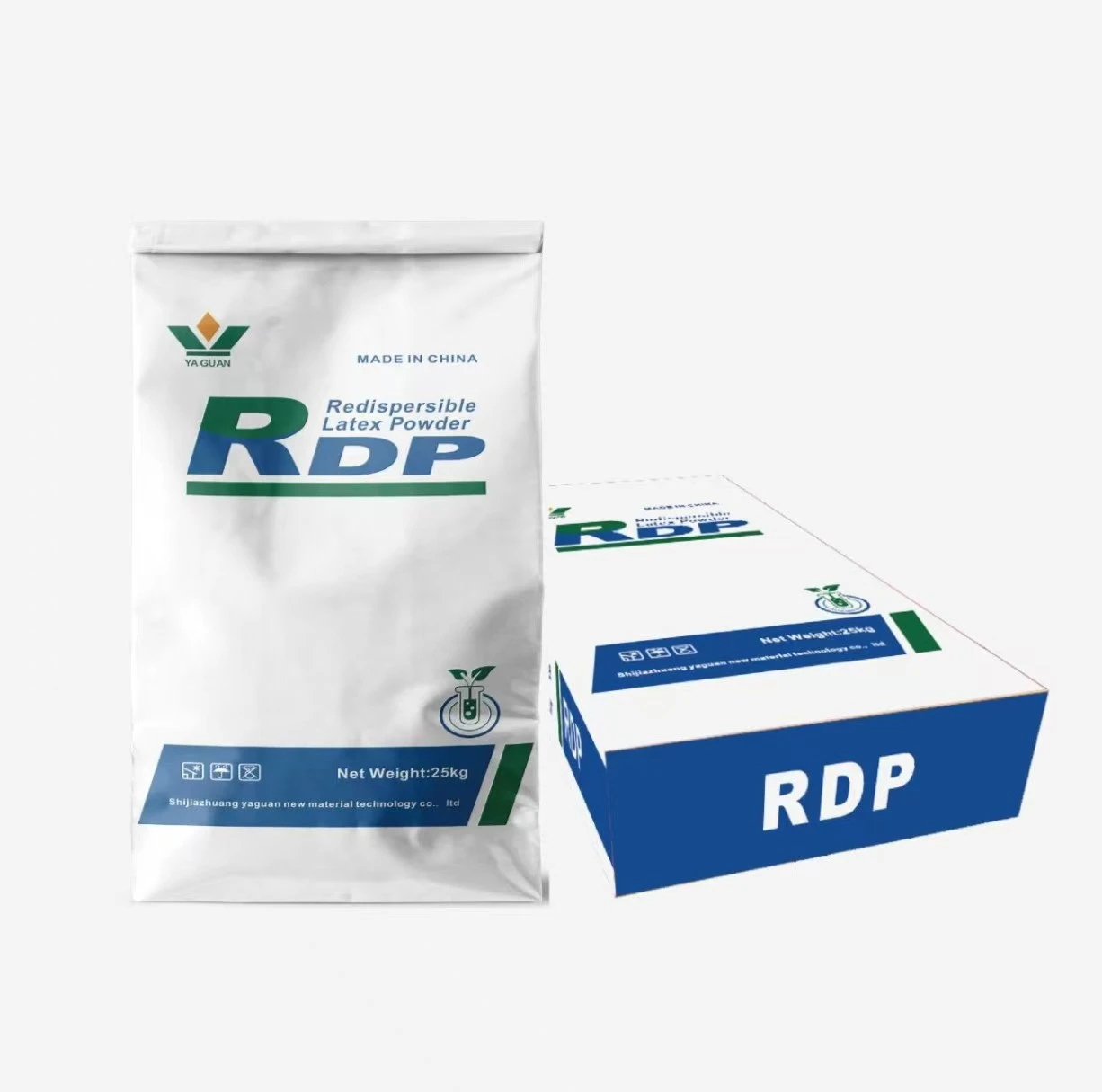
In the modern construction industry, the demand for high-performance mortars and adhesives has never been higher. One of the most critical additives achieving this is redispersible latex powder. This specialized polymer powder acts as a bridge, enhancing the bonding strength, flexibility, and durability of cement-based materials. Whether it is used in external thermal insulation systems or self-leveling compounds, this additive ensures that construction materials can withstand environmental stress without cracking. By redispersing into an emulsion when mixed with water, it provides a seamless integration of organic polymers into inorganic cement matrices.
How Redispersible Latex Powder Enhances Mortar Performance
The primary role of redispersible latex powder is to improve the physical properties of the dry-mix mortar. When water is added, the powder particles transform back into a liquid emulsion, creating a polymer film throughout the hardened cement. This film significantly increases tensile strength and adhesion, preventing the mortar from peeling away from the substrate. Additionally, it improves the workability of the wet mix, making it easier for contractors to apply the material smoothly. The result is a finish that is not only aesthetically pleasing but structurally sound and resistant to shrinkage.
Pro Tip: The concentration of redispersible powder directly affects the elasticity of the final product; higher dosages typically lead to better flexibility and crack resistance in high-stress environments.
Key Applications of Redispersible Latex Powder in Industry
The versatility of redispersible latex powder allows it to be used across a wide spectrum of building materials. In Tile Adhesives, it prevents the tiles from detaching due to thermal expansion. In Wall Putty, it enhances the smoothness and prevents the surface from cracking over time. Furthermore, it is indispensable in EIFS (External Insulation and Finish Systems), where it ensures the bonding of insulation boards to the wall. By reducing water permeability, it also protects structures from moisture ingress, which is vital for longevity in humid climates.
Comparing Redispersible Latex Powder vs. Traditional Liquid Latex
For decades, liquid latex emulsions were the standard. However, redispersible latex powder has revolutionized the industry by offering a "dry" alternative. The powder form allows manufacturers to create pre-mixed bags of mortar that only require water on-site. This eliminates the need for transporting heavy liquid tanks and simplifies the mixing process significantly. While liquid latex offers excellent properties, the powder version provides superior logistical efficiency and consistency in dosing, making it the preferred choice for commercial dry-mix production.
Technical Specifications for Redispersible Latex Powder
Selecting the right grade of redispersible latex powder depends on the desired final properties of the mortar. For instance, a powder with a higher glass transition temperature (Tg) will provide more rigidity, while a lower Tg offers more flexibility. It is essential to check parameters such as ash content, moisture levels, and minimum film-forming temperature (MFFT) to ensure compatibility with other additives like HPMC. Below is a typical specification table used for industrial-grade RDP.
Best Practices for Integrating RDP in Dry-Mix Mortars
To maximize the effectiveness of redispersible latex powder, proper blending and dosing are key. Over-dosing can lead to excessive costs and may actually reduce the compressive strength of the cement. Conversely, under-dosing can result in poor adhesion and premature cracking. It is highly recommended to pair RDP with Cellulose Ethers (like HPMC) to control water retention and improve the open time of the mortar. Ensuring a homogenous mix through high-shear blending equipment prevents the formation of polymer clumps, which could otherwise create weak spots in the cured material.
Conclusion: Elevating Construction Quality with RDP
Integrating redispersible latex powder into building materials is no longer just an option but a necessity for high-quality modern construction. Its ability to enhance adhesion, flexibility, and water resistance ensures that structures remain durable against the elements. By shifting from liquid emulsions to the convenient powder form, manufacturers and contractors can achieve consistent results with significantly lower logistical overhead. Invest in the right grade of RDP today to ensure a foundation that lasts for generations.
Frequently Asked Questions (FAQs)
What is the main difference between RDP and regular glue?
While both provide adhesion, redispersible latex powder is specifically engineered for cementitious systems. Unlike standard glues, RDP is spray-dried from an emulsion, allowing it to be mixed as a dry powder. Once water is added, it creates a flexible, microscopic polymer network within the cement matrix. This provides not just "stickiness" but structural elasticity and water resistance, which are critical for preventing cracks in buildings, whereas standard glues may degrade or lack the required flexibility for masonry work.
How much RDP should I add to my mortar mix?
The dosage typically varies between 0.1% and 3% of the total mortar weight, depending on the final application. For basic wall putty, a lower percentage is often sufficient. However, for high-performance tile adhesives or external insulation systems (EIFS), a higher dosage is required to ensure strong bonding and weather resistance. We always recommend performing a laboratory trial to find the optimal balance between cost and performance for your specific formula.
Can RDP be used in all types of cement?
Yes, redispersible latex powder is compatible with most Portland cements and lime-based binders. It is widely used in grey cement for structural bonding and white cement for decorative finishes. Because it is a polymer-based additive, it does not interfere with the chemical hydration process of the cement but rather reinforces the matrix once the cement begins to set. This makes it a universal additive for a vast array of dry-mix construction products worldwide.
How does temperature affect the performance of RDP?
Temperature plays a crucial role during the "film-forming" stage. Each RDP grade has a Minimum Film Forming Temperature (MFFT). If the application temperature is below the MFFT, the polymer particles may not fuse together properly, leading to a reduction in bond strength and potential powdering of the surface. Therefore, it is important to choose a grade of redispersible latex powder that is suitable for the climate where the construction is taking place, especially in cold-weather regions.