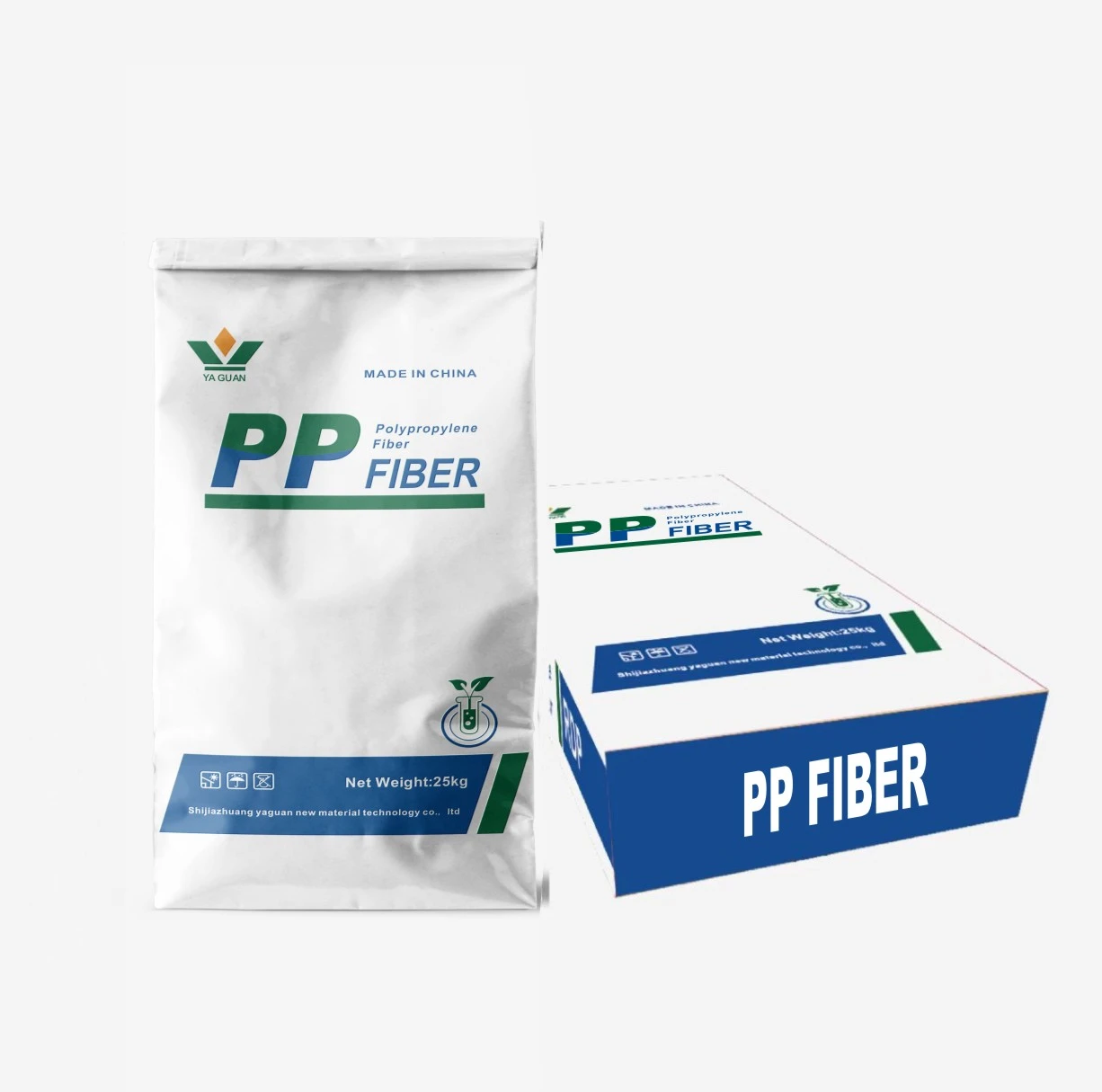

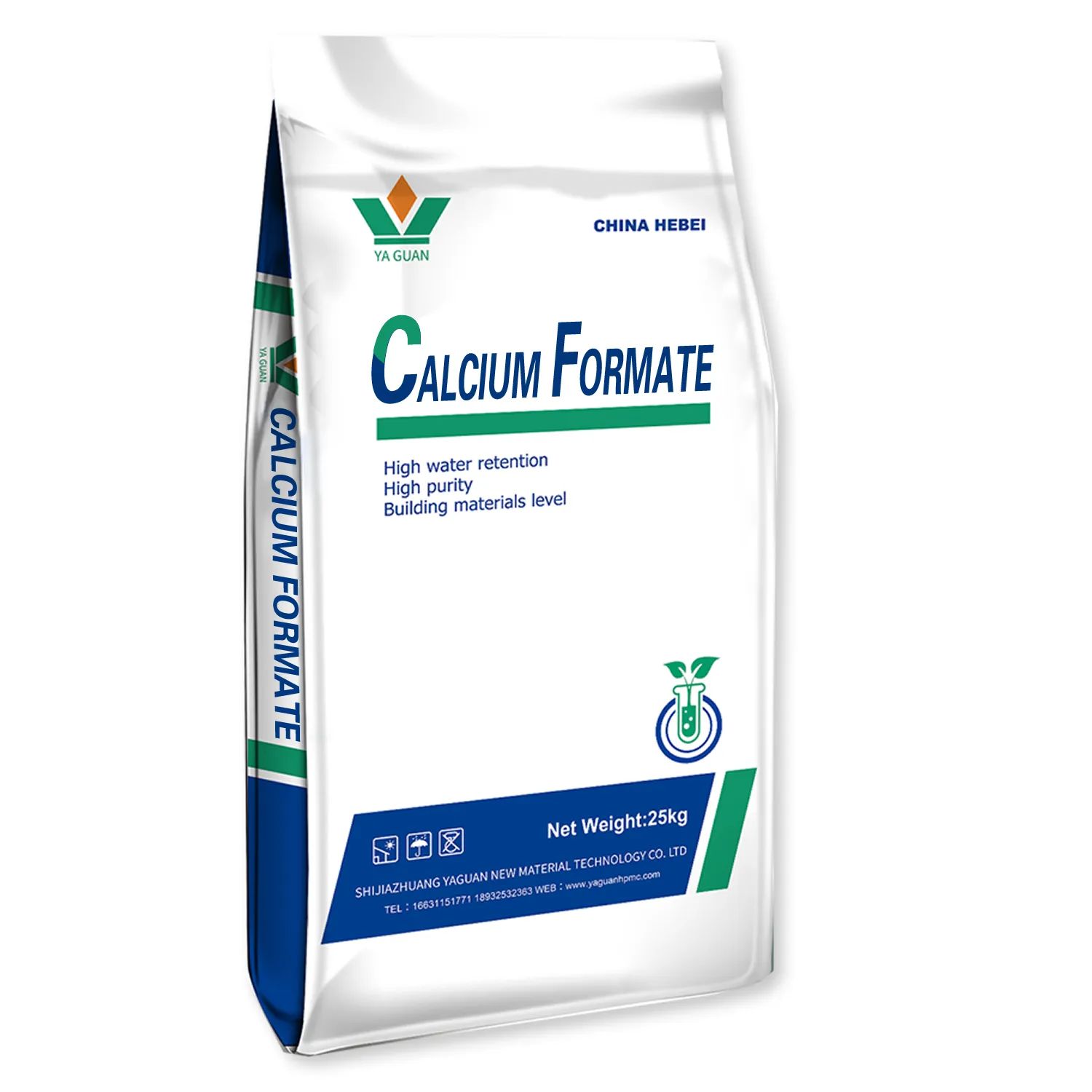
Field Notes on Calcium Format (the accelerator many contractors quietly swear by)
If you work with mortar or concrete in cold or fast-track jobs, you’ve probably heard the buzz. Calcium Format—yes, often called “calcium formate” in spec sheets—has been edging into mix designs because it speeds up early strength without the corrosivity baggage of chloride-based accelerators. I’ve seen it used from precast yards to mid-rise refurb sites. And, to be honest, the chatter from site managers has shifted from “does it work?” to “how do we dial it in?”
What it is and where it comes from
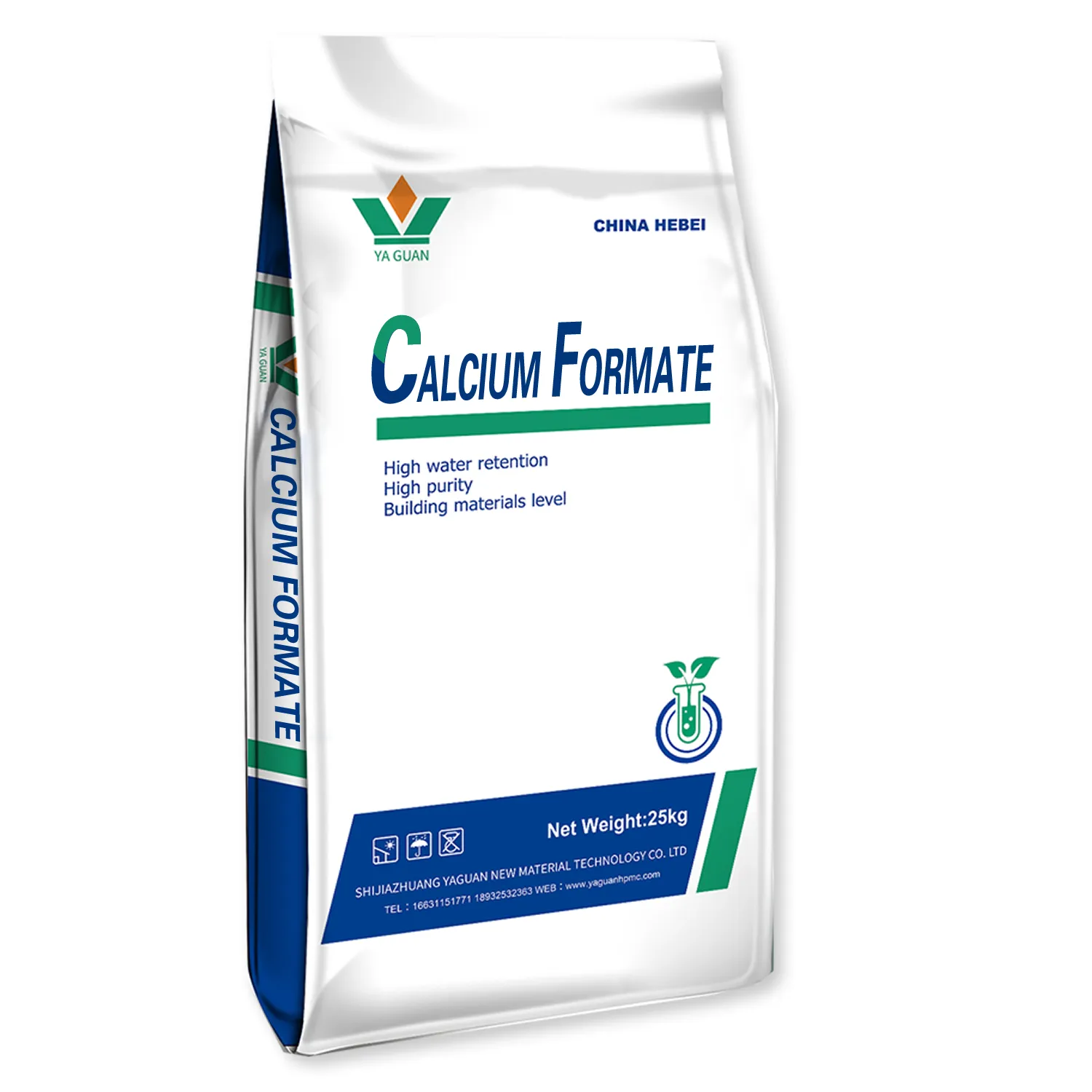
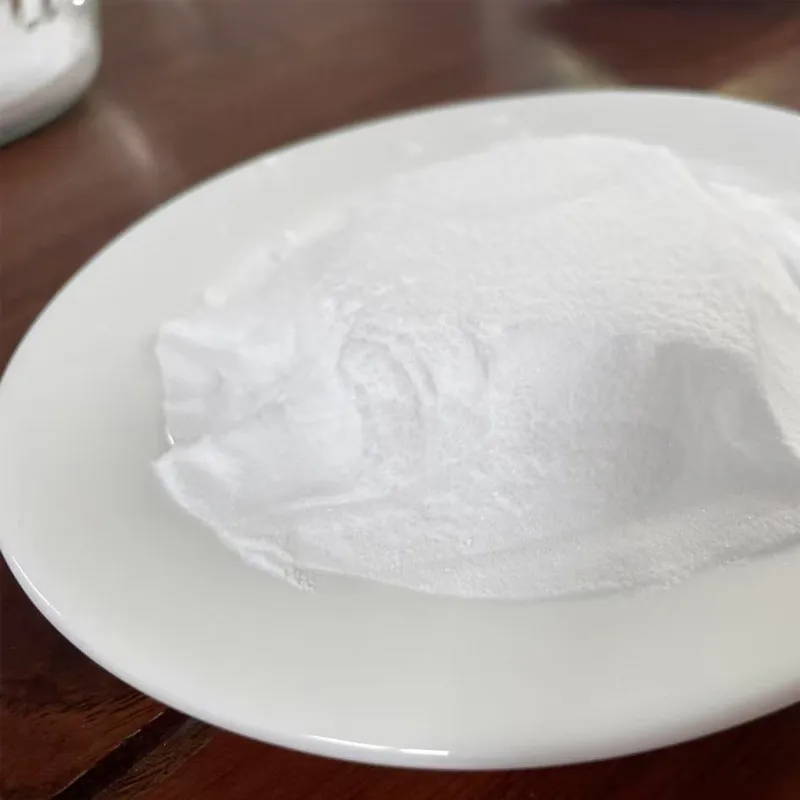
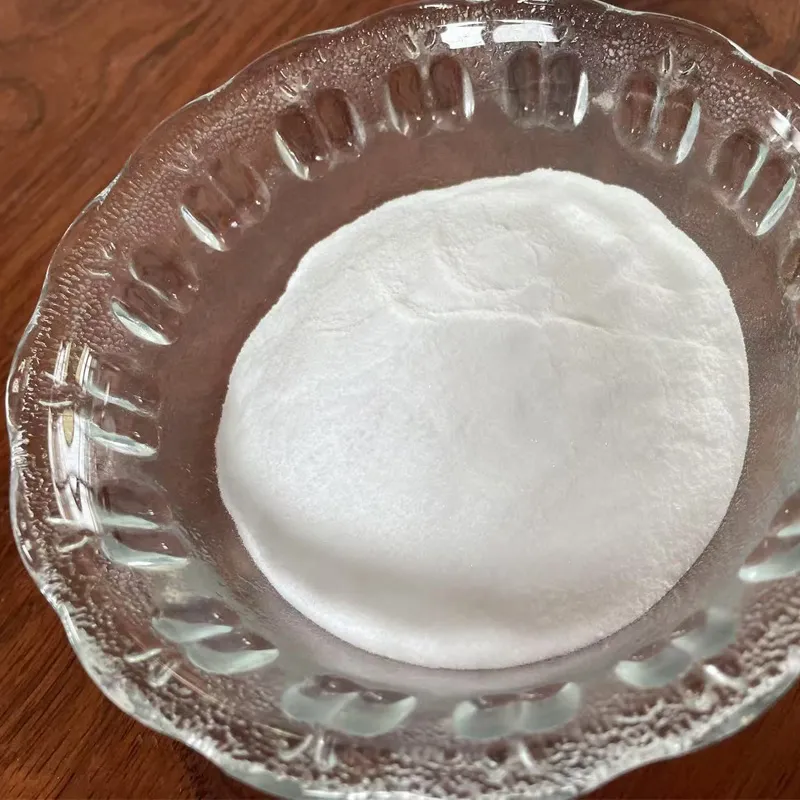
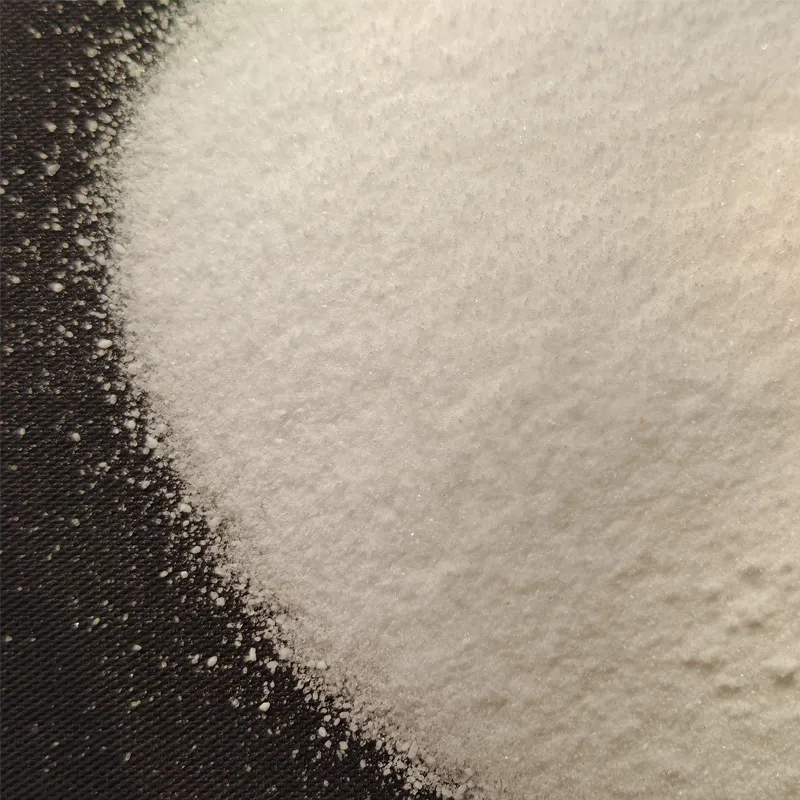
YAGUAN’s Calcium Format is a white to slightly yellowish powder with a faint odor—an admixture for mortar and concrete that accelerates set and early strength. It also sees duty as a processing aid in petroleum and gas operations. Origin: Room 1320, Block C, Dongsheng Plaza, Chang'an District, Shijiazhuang, Hebei Province. I visited Hebei years ago; the industrial ecosystem there still impresses me.
Industry trends (quick take)
- Shift away from chlorides toward non-chloride accelerators for steel-passivation reasons.
- Precast producers chasing faster demold cycles and energy savings during curing.
- Blended cements (fly ash, slag) need early-strength help—this is where Calcium Format shines.
Product specifications (typical values)
| Parameter | Spec (≈ / typical) |
|---|---|
| Assay (as Ca(HCOO)2) | ≥ 98% |
| Moisture | ≤ 0.5% |
| pH (10% aq.) | 6.5–7.5 |
| Chloride (Cl-) | ≤ 0.03% |
| Bulk density | 0.75–0.85 g/cm³ |
| Particle size (D90) | ≤ 300 μm |
| Heavy metals (Pb) | ≤ 10 ppm |
How it’s used (and tested)
Dosage: around 0.5–2.0% by cement weight; real-world use may vary with cement chemistry and ambient temps. Methods follow ASTM C494 for Type C/E accelerators and EN 934-2. Typical lab benchmarks I’ve seen: +20–60% increase in 1-day compressive strength at 10 °C; set time shortened by ≈15–40%.
- Materials: Portland/ blended cement, sand, water, optional HPMC, defoamers.
- Process flow: dosing → dry mix → water addition → 3–5 min mixing → slump check → casting → cure.
- Testing standards: ASTM C403 (setting), ASTM C39/EN 12390 (compressive strength), chloride ion content (EN 196-2).
- Service life: product shelf life ≈ 24 months sealed/dry; performance in concrete persists through design life by aiding early hydration.
- Industries: construction mortar, ready-mix, precast, oil & gas processing aids.
Advantages I’ve observed
- Non-chloride accelerator—friendlier to steel reinforcement.
- Improves early frost resistance; handy in shoulder seasons.
- Compatible with HPMC-based mortars; finishers report good workability retention.
Vendor snapshot (indicative)
| Vendor | Purity | Lead Time | Certifications | Customization |
|---|---|---|---|---|
| YAGUAN (Hebei) | ≥98% | ≈ 10–15 days | ISO 9001; REACH-ready | Particle size, packaging, blended formulations |
| Vendor A | 96–98% | ≈ 3–4 weeks | ISO 9001 | Limited |
| Vendor B | ≥97% | ≈ 2–3 weeks | ISO 9001/14001 | Custom packs only |
Customization and QA
YAGUAN offers adjustable particle size for faster dissolution, low-chloride grades for rebar-heavy specs, and private-label bags. Batch COAs typically include assay, moisture, pH, chloride, heavy metals, and sieve analysis. Certifications: ISO 9001; material safety aligned with REACH/CLP expectations. Ask for third-party test summaries if you’re qualifying a new supplier.
Real-world snapshots
- Precast yard, North China: winter pours saw demold times cut by ≈6 hours at 1.2% dosage; steam cure energy trimmed by ~12%.
- Historical façade repointing, EU: lime-cement mortar with Calcium Format at 0.8% kept early set consistent at 5–8 °C; finishers noted “less waiting, no surface chalking.”
Customer feedback? Many say it “just behaves”—predictable set gain without ugly side effects. Surprisingly rare these days.
Safety and compliance
Follow SDS. Store dry, sealed. Conform testing to ASTM C494/EN 934-2 for admixture performance; for oilfield uses, align with API RP 13 series where applicable. Always run trial mixes—cement chemistry can be quirky.
Citations
- ASTM C494/C494M – Standard Specification for Chemical Admixtures for Concrete.
- EN 934-2 – Admixtures for concrete, mortar and grout – Concrete admixtures.
- ECHA Substance Information: Calcium formate (Ca(HCOO)2), regulatory overview and classification.