

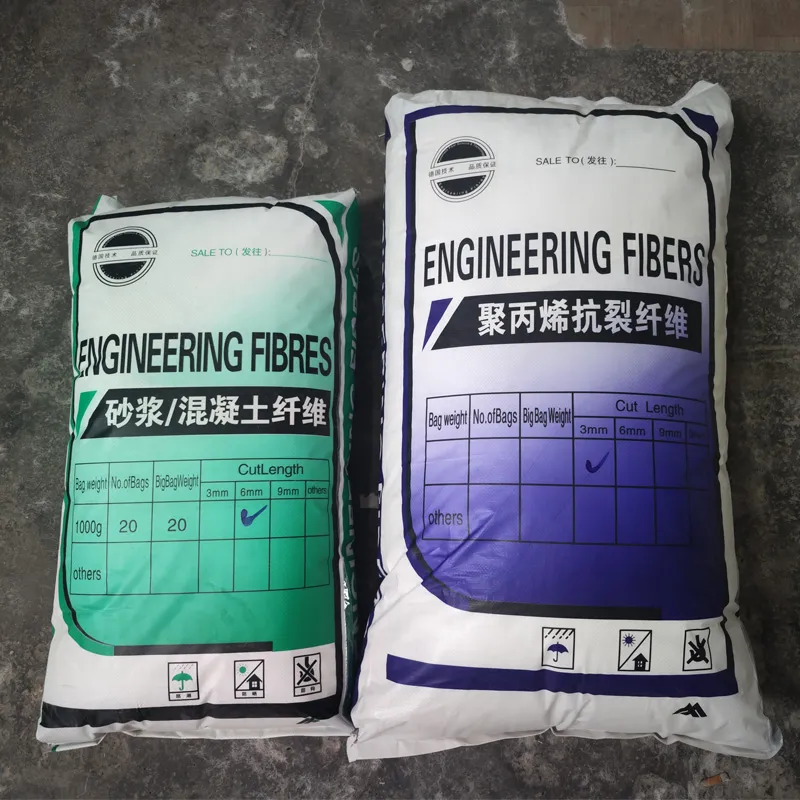
Polypropylene Fiber is a key solution in the chemical industry industry, specifically within Synthetic material manufacturing and Synthetic fiber manufacturing. This article explores how Shijiazhuang Yaguan New Material Technology Co., Ltd. supports professionals with durable, high-performance products, and explains why this product is an ideal choice for businesses in these sectors.
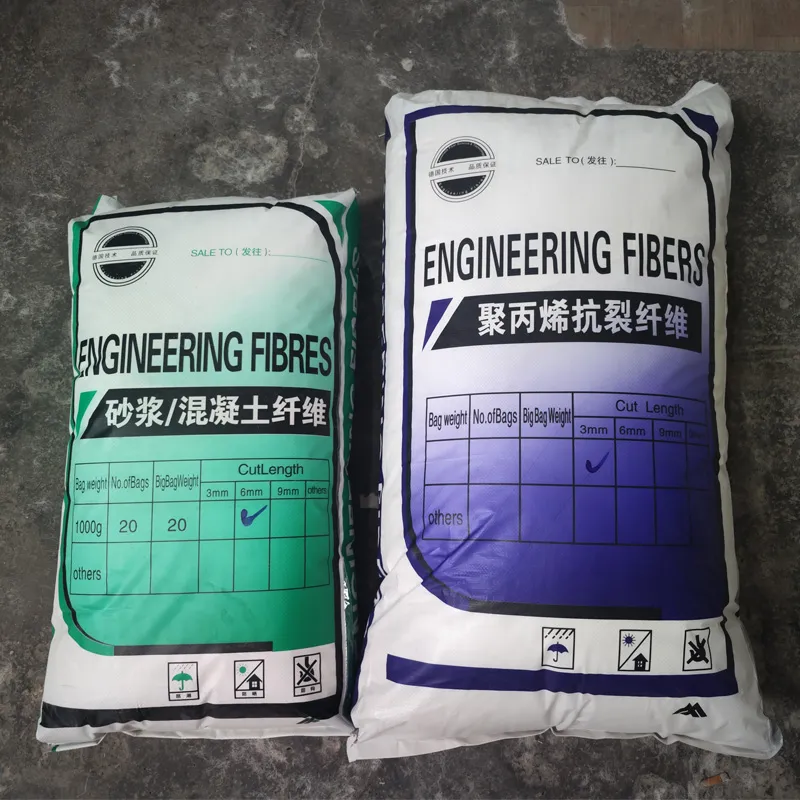
Table of Contents
- Polypropylene Fiber Overview
- Benefits & Use Cases of Polypropylene Fiber in Synthetic fiber manufacturing
- Cost, Maintenance & User Experience
- Sustainability & Market Trends in chemical industry
- Conclusion on Polypropylene Fiber from Shijiazhuang Yaguan New Material Technology Co., Ltd.
Polypropylene Fiber Overview
Polypropylene Fiber (PP fiber) is an engineered, thermoplastic-based synthetic fiber renowned for low density, hydrophobicity, chemical resistance, and excellent dispersibility. In the chemical industry’s synthetic material value chain, it is melt-spun from high-purity polypropylene and converted into staple fibers, monofilaments, or fibrillated forms to suit downstream processes. For synthetic fiber manufacturing, PP fiber enables high-throughput spinning, reliable web formation in nonwovens, robust reinforcement for cementitious systems, and durable performance in geosynthetics and industrial textiles.
Technically, PP fiber offers a favorable strength-to-weight ratio, low moisture regain, and resistance to alkali and most salts—attributes that suit demanding environments such as concrete matrices, filtration media, packaging, and carpet backing. Its relatively low melting temperature compared with many engineering polymers supports energy-efficient processing and shorter thermal cycles. Shijiazhuang Yaguan New Material Technology Co., Ltd. manufactures Polypropylene Fiber with tight control over fiber fineness, cut length, and surface characteristics to enhance dispersion and bonding. Consistency, batch-to-batch traceability, and application-driven customization help B2B buyers shorten qualification time while maintaining predictable product performance at industrial scale.
Benefits & Use Cases of Polypropylene Fiber in Synthetic fiber manufacturing
In synthetic fiber manufacturing, Polypropylene Fiber is selected for diverse applications requiring a balance of mechanical durability and process efficiency. Common end uses include nonwoven spunbond and meltblown fabrics for hygiene and filtration; geotextiles for soil stabilization and drainage; industrial ropes and twines; carpet backing and needle-punched mats; and as a secondary reinforcement in mortar and concrete to mitigate plastic shrinkage cracking and improve toughness. Its hydrophobic nature makes it ideal where moisture management and dimensional stability are critical.
- Process advantages: stable melt flow for uniform denier, excellent web formation in nonwovens, and easy dispersion in dry mixes.
- Performance advantages: chemical and alkali resistance, low density for weight savings, non-corrosive behavior versus metallic reinforcements, and tailored cut lengths for targeted performance.
- Competitive edge: custom finishing and surface treatments for improved matrix compatibility, UV-stabilized options for outdoor exposure, and packaging optimized for automated dosing.
Shijiazhuang Yaguan New Material Technology Co., Ltd. brings sector-specific know-how—from resin selection and spinning parameters to downstream finishing. Their application engineers collaborate with production teams to dial in fiber length, fibrillation level, and dispersion behavior, helping manufacturers achieve higher line speeds, lower breakage, and consistent product quality across large runs.
Cost, Maintenance & User Experience
Total cost of ownership for Polypropylene Fiber is driven by material efficiency, line uptime, and product longevity. PP’s low density delivers more coverage per kilogram, while its lower processing temperature can reduce energy consumption compared with higher-melting polymers. In cementitious systems, PP fibers help control early-age cracking and spalling risk, which can translate into fewer callbacks, less rework, and improved durability—key drivers of ROI for contractors and precast producers. For nonwoven and textile converters, stable denier and low breakage rates minimize downtime and scrap, improving cost per square meter.
Customers in synthetic material manufacturing frequently report smoother feeding, cleaner dosing, and predictable dispersion when using well-finished PP fibers. Shijiazhuang Yaguan New Material Technology Co., Ltd. supports user experience with consistent packaging, clear labeling, and documentation that accelerates quality checks and compliance workflows. Technical service teams assist with start-up parameters, allowing faster ramp-up to nameplate throughput. The result is a dependable, low-maintenance fiber input that supports stable OEE, safeguards margins, and keeps production schedules on track.
Sustainability & Market Trends in chemical industry
Sustainability priorities in the chemical industry are reshaping fiber specifications and procurement strategies. Polypropylene Fiber supports several eco-efficiency goals: its low density can reduce material use by weight, its melt-spinning profile favors energy-efficient production, and its hydrophobicity minimizes post-processing steps that demand water or chemical treatments. Many downstream applications—such as mono-material flexible packaging and geotextiles—benefit from PP’s recyclability and durability, aligning with circularity initiatives and extended producer responsibility frameworks. Buyers also seek transparent supply chains, consistent quality, and formulations that can support compliance with applicable global regulations.
Shijiazhuang Yaguan New Material Technology Co., Ltd. positions its Polypropylene Fiber portfolio with forward-looking practices: continuous process optimization to reduce energy and waste, careful additive selection to improve longevity and recyclability, and robust traceability that supports audits. By pairing application-driven fiber design with responsible manufacturing, Yaguan helps customers meet performance targets while advancing their ESG commitments. As demand grows across nonwovens, infrastructure reinforcement, and industrial textiles, the company’s scalable capacity and technical support make it a reliable partner for long-term, sustainable growth.
Conclusion on Polypropylene Fiber from Shijiazhuang Yaguan New Material Technology Co., Ltd.
Polypropylene Fiber delivers a compelling combination of process efficiency, mechanical performance, and chemical resistance that serves the chemical industry—spanning synthetic material manufacturing and synthetic fiber manufacturing. With engineering-focused customization, consistent quality, and responsive technical support, Shijiazhuang Yaguan New Material Technology Co., Ltd. stands out as a reliable producer for B2B decision makers seeking operational stability and measurable ROI. Ready to optimize your fiber inputs and product performance? Contact us: email: info@ya-guan.com. Visit our website: https://www.yaguanhpmc.com











