
A field-tested guide to Polypropylene Fiber for crack control in concrete and mortar
I’ve sat through enough pre-pour toolbox talks to know this: early-age cracking keeps contractors up at night. And for good reason. The quiet hero lately—surprisingly to many site managers—has been Polypropylene Fiber. Not glamorous, but effective, affordable, and frankly hard to argue with when the data lands on the table.
What it is, and why it’s trending
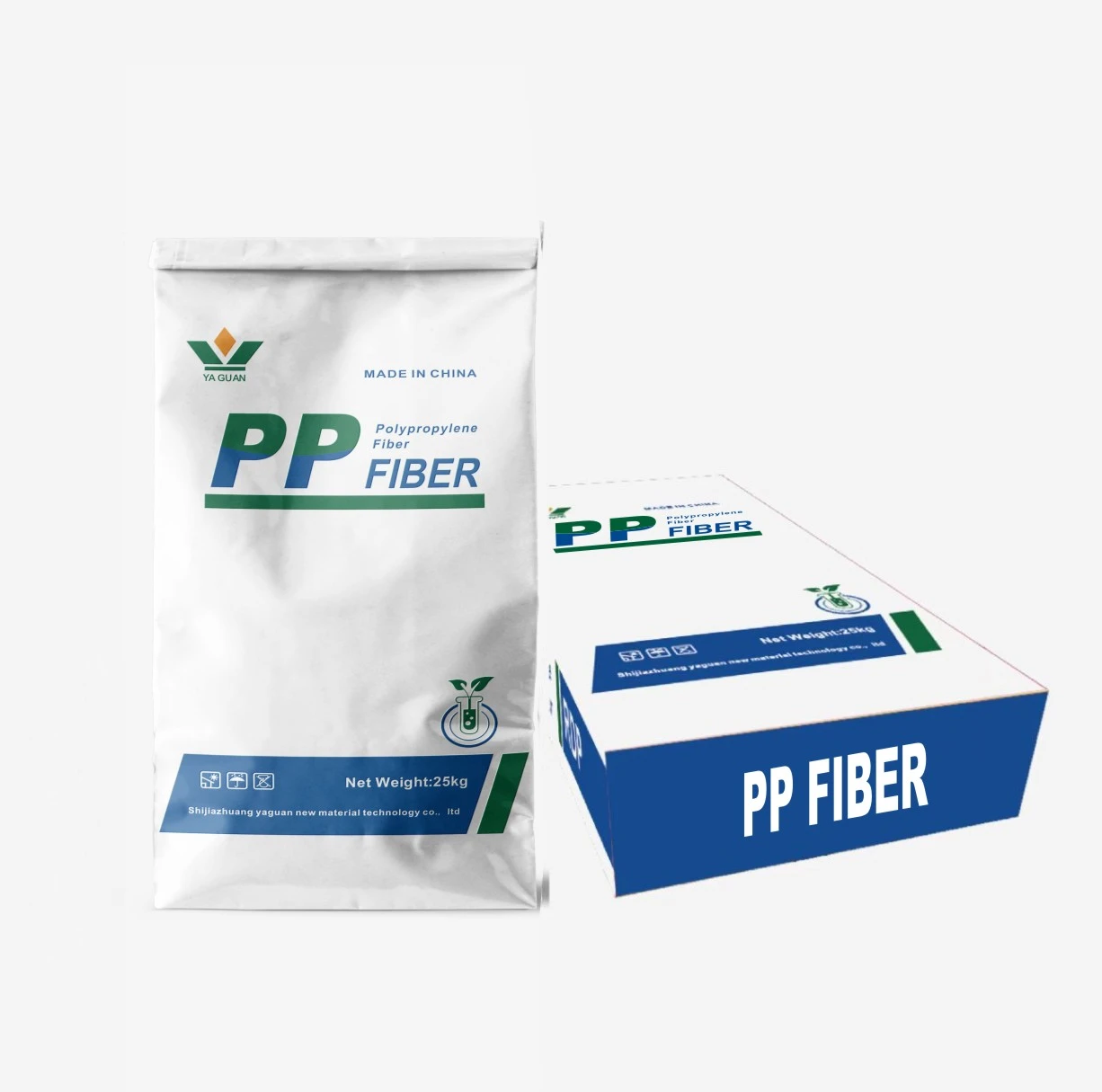
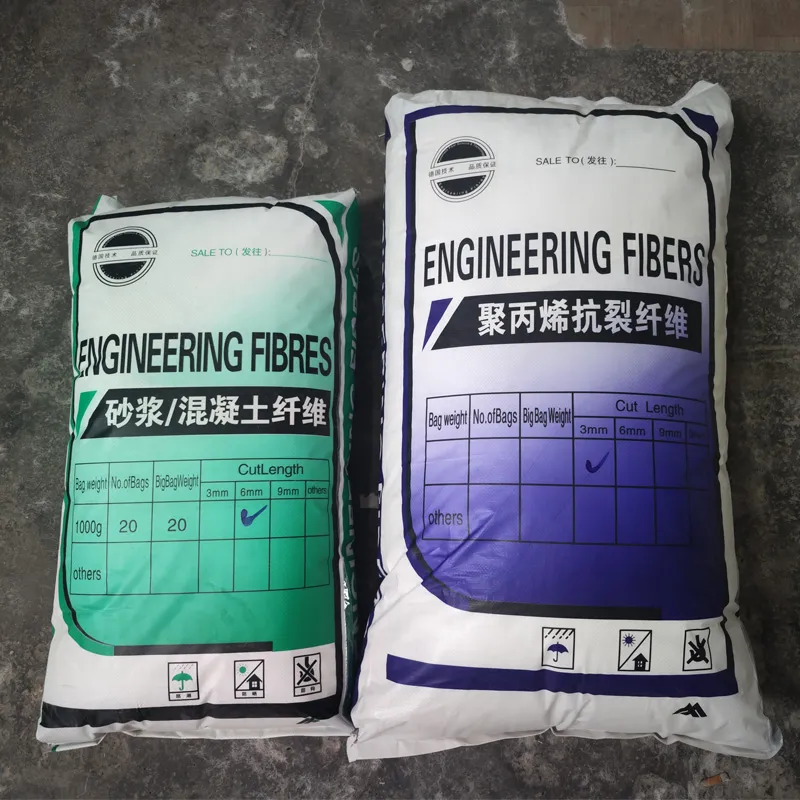
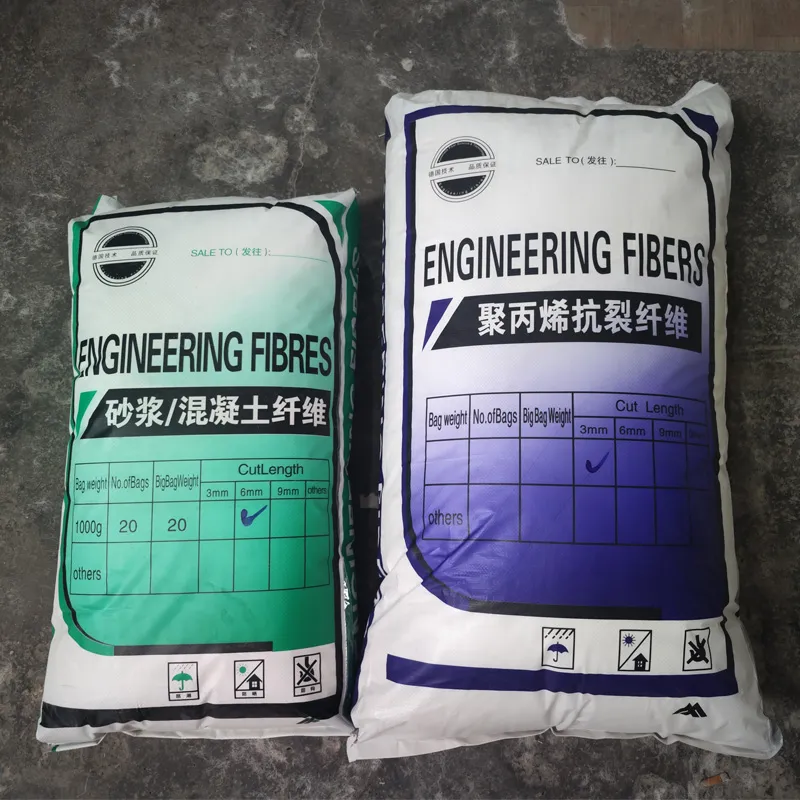
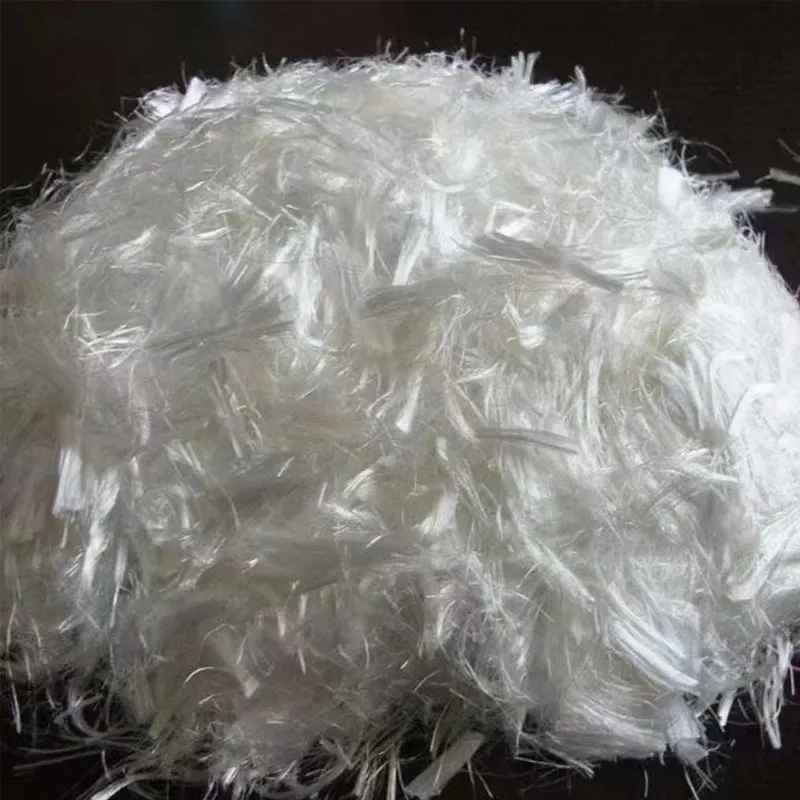
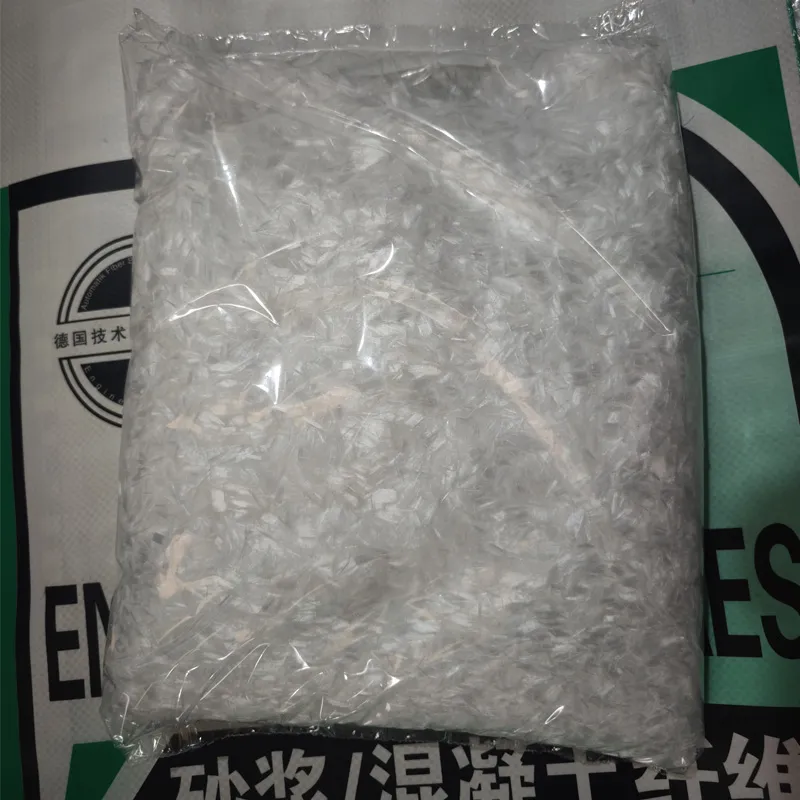
YAGUAN’s Polypropylene Fiber is a high-strength bundled monofilament—sometimes called anti-cracking fiber, PP fiber, or simply concrete fiber—added into mortar or concrete to control micro-cracks from plastic shrinkage. In fact, as the industry leans into durability and carbon-conscious design, fiber dosage (instead of heavier mesh for shrinkage control) is quietly becoming standard practice on floors, screeds, thin toppings, renders, and precast accessories.
Typical specs (real-world values may vary)
| Material | Virgin polypropylene, hydrophobic, alkali-resistant |
| Form | Bundled monofilament, surface-treated for dispersion |
| Length options | ≈ 3, 6, 9, 12, 19 mm (custom on request) |
| Tensile strength | ≈ 350–650 MPa |
| Elastic modulus | ≈ 3–10 GPa |
| Density | ≈ 0.91 g/cm³ (floats in water) |
| Melting point | ≈ 160–170°C |
| Recommended dosage | 0.6–1.2 kg/m³ for plastic-shrinkage crack control |
Manufacturing, testing, and standards
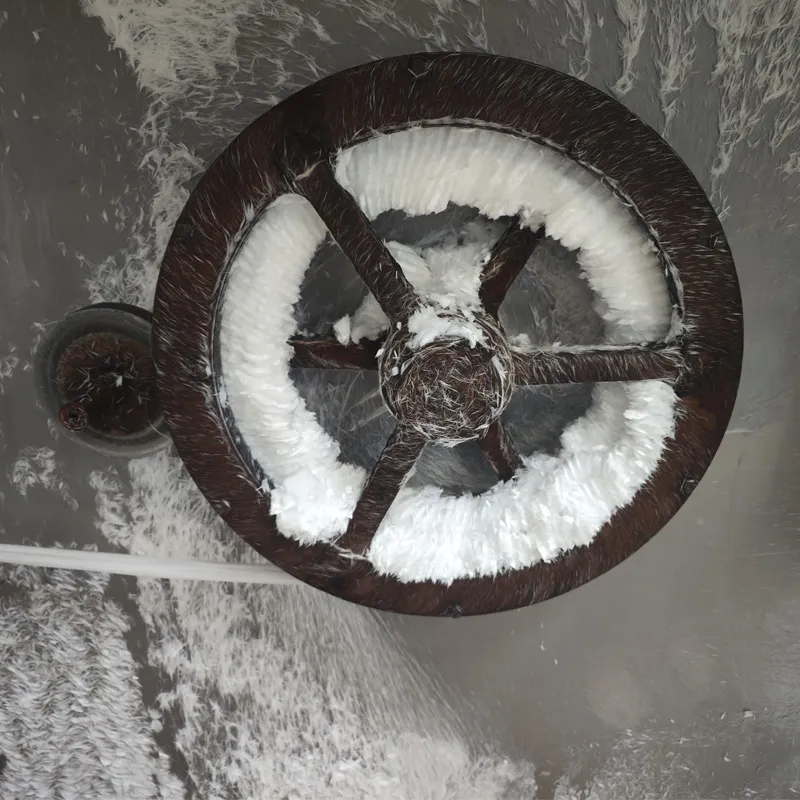
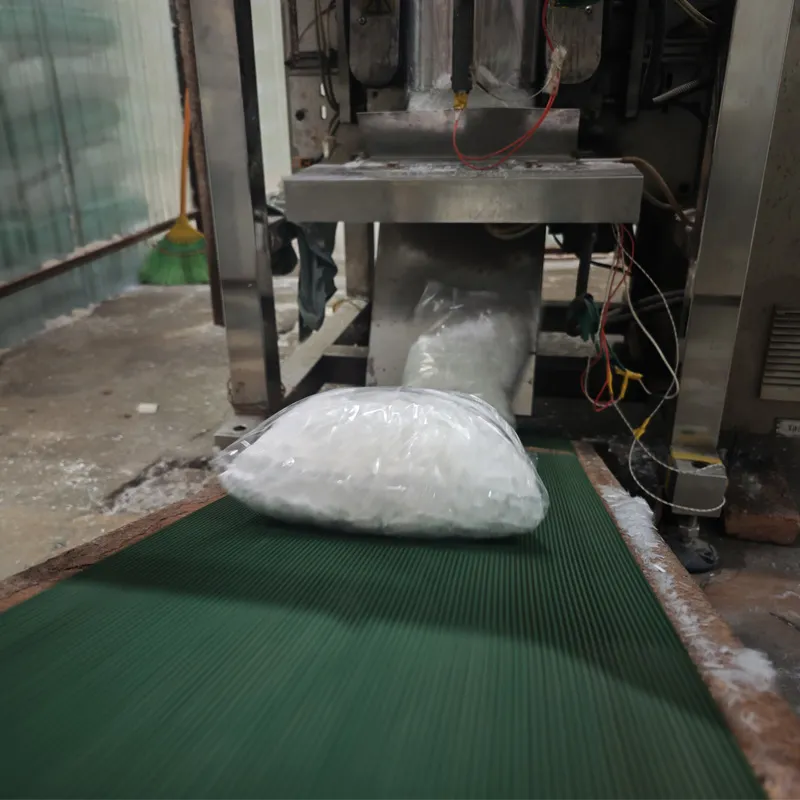
Process (short version): polypropylene granules → melt extrusion → precision drawing → surface treatment → bundling → chopped lengths → bagged. QC includes fiber diameter check (laser gauge), tensile test (ASTM D3822), dispersion test (EN 14889-2 methods), and alkali resistance soak. Conformity is typically aligned with ASTM C1116/C1116M for fiber-reinforced concrete, EN 14889-2 (polymer fibers), and ACI 544 guidance. Plastic shrinkage performance is often validated by ASTM C1579 ring tests.
Where it actually helps
- Slabs-on-grade, industrial floors, toppings, and screeds
- Renders, plaster, and repair mortars (fine lengths 3–6 mm)
- Shotcrete rebound control, thin precast elements, pavers
- Roadside curbs, canals, water features (non-corrosive benefit)
Contractors keep telling me the early-age crack map is calmer, finishing stays familiar, and dosage is easy. Service life? In alkaline concrete, Polypropylene Fiber is chemically stable; field use suggests it continues to mitigate micro-cracks throughout the structure’s life, which is to say decades, assuming proper mix design and curing.
Real-world notes and test data
- ASTM C1579 ring tests at 1.0 kg/m³ often show ≈60–90% reduction in plastic-shrinkage crack area versus control.
- Slump impact is mild; adjust water-reducer rather than water, to be honest.
- Thermal spalling risk in tunnel linings: PP microfibers are widely used as a mitigation layer.
Vendor snapshot and customization
YAGUAN (Room 1320, Block C, Dongsheng Plaza, Chang'an District, Shijiazhuang, Hebei Province) offers tailored lengths, denier, and packing. ISO 9001 in place; CE DoP under EN 14889-2 is available upon request; REACH/RoHS statements too. Lead times are, I guess, better than average in peak season.
| Vendor | Customization | Lead time | Certs | Approx. price/kg |
|---|---|---|---|---|
| YAGUAN | Length, denier, packaging | ≈ 7–15 days | ISO 9001, EN 14889-2 DoP | $1.6–$2.3 (region-dependent) |
| Regional Trader A | Limited lengths | ≈ 15–25 days | Varies | $1.9–$2.8 |
| Global Brand B | Broad SKUs | Stock-dependent | Multiple | $2.5–$3.5 |
Quick case notes
- Warehouse floor, 8,000 m², 200 mm slab: 1.0 kg/m³ Polypropylene Fiber. Contractor reported ≈80% reduction in visible plastic cracks versus prior project; finishing crew gave it a thumbs-up.
- Render on AAC façades, 10 mm thickness: 0.9 kg/m³ of 6 mm fibers. Hairline cracking dropped sharply; site manager said “no call-backs,” which is the real KPI.
How to specify (short and sweet)
Specify monofilament Polypropylene Fiber, length per application (6–12 mm slabs; 3–6 mm mortars), dosage 0.6–1.2 kg/m³, compliant with ASTM C1116 and EN 14889-2. Verify plastic-shrinkage performance via ASTM C1579. For high-performance floors, pair with proper curing regime; don’t skip that.
References
- ASTM C1116/C1116M – Standard Specification for Fiber-Reinforced Concrete. https://www.astm.org/c1116_c1116m-22.html
- EN 14889-2 – Fibres for concrete – Polymer fibres. https://standards.iteh.ai/catalog/standards/cen/43f24661-8a6e-4ad4-8f4d-7a20cefc1e57/en-14889-2-2006
- ASTM C1579 – Plastic Shrinkage Cracking of Restrained Concrete. https://www.astm.org/c1579-13r20.html
- ACI 544.1R – Report on Fiber-Reinforced Concrete. https://www.concrete.org