
Understanding Carbon Fiber Polypropylene: A Game-Changer in Modern Materials
Carbon fiber polypropylene might sound like a mouthful, but it's quietly transforming industries worldwide—from automotive to humanitarian aid. So what is it, and why should we care? In short, it’s a composite material combining lightweight polypropylene plastic with the exceptional strength of carbon fiber reinforcements. This results in a material that’s not only durable and stiff but also remarkably affordable and recyclable. As global demands shift toward sustainable innovation and resilient design, understanding carbon fiber polypropylene sheds light on how industries meet tough challenges with smarter, greener solutions.
Mini takeaway: Carbon fiber polypropylene merges the best of strength and sustainability, answering urgent global needs for better, lighter, and more eco-friendly materials.
The Global Context: Why Carbon Fiber Polypropylene Matters Worldwide
The world is rushing toward greener tech, lightweight efficiency, and cost-effective production methods. According to the United Nations Environment Programme, the construction and manufacturing sectors contribute roughly 38% of CO₂ emissions globally—and this needs to fall drastically by 2050 if we’re to avoid catastrophic climate impacts. Lightweight composites like carbon fiber polypropylene offer a neat solution by replacing heavy metals and less sustainable plastics in vehicles, equipment, and infrastructure.
Moreover, carbon fiber polypropylene addresses logistics and durability challenges in harsh environments—think disaster zones or remote industrial sites where materials face extreme stress but easy transport and quick assembly are essential. Oddly enough, this composite blends advanced tech with surprisingly accessible manufacturing, answering global supply chain headaches and sustainability goals simultaneously.
Mini takeaway: By lightening loads and cutting emissions, carbon fiber polypropylene supports both environmental policy and practical engineering across continents.
What Exactly Is Carbon Fiber Polypropylene?
Put simply, carbon fiber polypropylene is a composite made by embedding short or continuous carbon fibers into polypropylene resin. Polypropylene itself is a thermoplastic polymer widely used because it's cheap, fairly tough, and recyclable. When reinforced with carbon fibers—tiny strands of ultra-strong carbon—this polymer gains significant mechanical strength and stiffness, making it excellent for structural applications.
Think of it as the peanut butter and jelly of modern material science: polypropylene provides the flexible, easy-to-process base, while carbon fiber adds that “rock-solid” toughness engineers crave. It's particularly favored in automotive parts, aerospace components, and increasingly in modular housing and temporary shelters where quick deployment and longevity matter a lot.
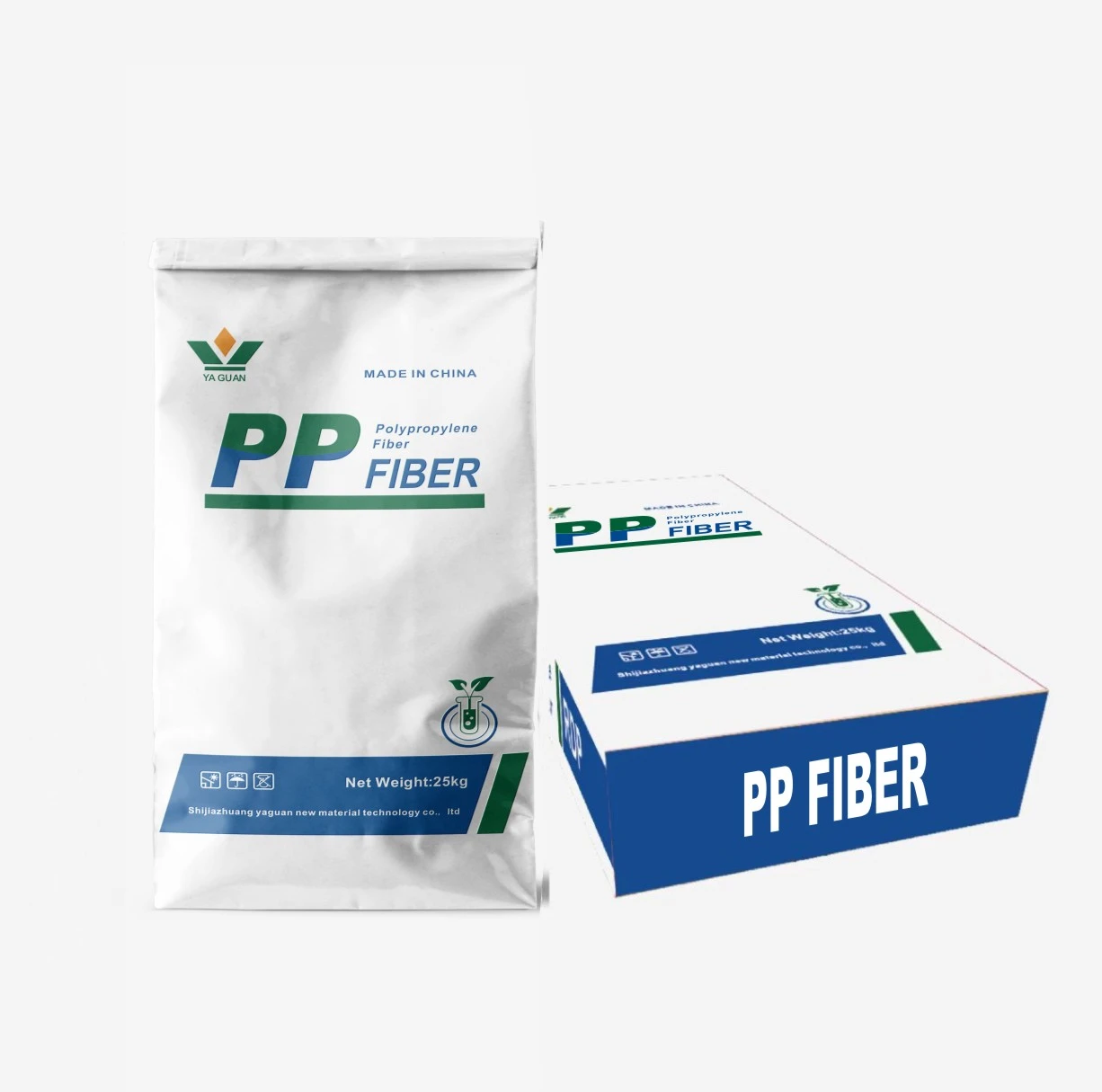
carbon fiber polypropylene products bring resilience and sustainability into a package industry leaders rely on.
Core Features Explained: Why This Composite Wins Hands Down
Durability
Carbon fiber polypropylene resists fatigue, cracking, and corrosion much better than standard plastics. For users in coastal or industrial environments, this means years—sometimes decades—of reliable performance.
Lightweight Nature
Weighing roughly half as much as steel or even aluminum, this material speeds up transport and reduces energy use in vehicles or modular systems. Engineers say this directly translates to lower operational costs and environmental impact.
Cost Efficiency
Unlike pure carbon fiber parts that can break budgets, the polypropylene matrix cuts costs without sacrificing strength. It’s a “best of both worlds” kind of deal for manufacturers juggling quality and price.
Thermal and Chemical Resistance
This composite performs solidly across a wide temperature span and stands up well to oils, acids, and industrial chemicals—important for industrial zones or emergency relief setups.
Scalability and Recyclability
Many suppliers have optimized production for mass customization, enabling everything from car dashboards to prefabricated shelters. Plus, polypropylene’s recyclability adds an eco-friendly bonus, fitting well into circular economy schemes.
| Specification | Typical Value | Units |
|---|---|---|
| Density | 1.1 | g/cm³ |
| Tensile Strength | 150 - 230 | MPa |
| Flexural Modulus | 8000 - 12000 | MPa |
| Thermal Stability | -30 to +130 | °C |
| Recyclability | High | N/A |
Mini takeaway: This blend of material traits combines resilience with efficiency, explaining its growing appeal across various sectors.
Carbon Fiber Polypropylene in Action: Real-World Applications
It’s one thing to understand the tech, another to see it at work. For instance:
- Automotive Industry: Many carmakers now use carbon fiber polypropylene for bumpers, interior panels, and under-the-hood components to cut weight and boost fuel efficiency without sacrificing safety.
- Modular & Emergency Housing: In post-disaster relief operations, prefabricated shelters made with this composite are lightweight, robust, and quick to assemble—meaning families get secure homes faster.
- Industrial Equipment: Heavy machines with polypropylene-carbon fiber composites maintain structural integrity despite exposure to chemicals or weather extremes, especially in remote zones.
- Sporting Goods: High-end equipment manufacturers leverage the lightweight strength for bikes, helmets, and protective gear.
Mini takeaway: From factories to relief camps, carbon fiber polypropylene proves adaptable and reliable, shining brightest where toughness meets speed.
Putting It All Together: Benefits That Go Beyond the Specs
When it comes down to it, the advantages of carbon fiber polypropylene stretch beyond numbers.
- Economic savings: Lower material and transport costs directly boost manufacturers’ bottom lines.
- Sustainability: Reduced emissions from lighter products align with global climate targets and client values.
- Social impact: Durable, fast-deploy solutions offer safety and dignity where people need it most.
- Innovation: This material enables new forms of design previously impossible with conventional plastics or metals.
It’s no exaggeration to say that choosing carbon fiber polypropylene feels like investing in trust—trust that your product will perform, endure, and adapt with changing demands.
Future Innovations on the Horizon
Advances keep coming: smarter nanofiber layouts, bio-based polypropylene variants, and digital manufacturing techniques promise lighter, stronger, and more customizable composites. Add to that growing green energy integration in production lines and automated quality checks, and you can see why industry watchers are excited. These trends point to a future where carbon fiber polypropylene not only stays relevant but takes a starring role in circular economies and smart infrastructure. The next decade could bring materials that self-heal or monitor stress in real time—imagine modular homes or vehicles that tell you when repairs are needed before failures happen.
Challenges and How Experts Tackle Them
Nothing’s perfect, right? Carbon fiber polypropylene can be tricky: the fiber dispersion during mixing affects consistency, while the cost of carbon fiber remains higher than standard fillers. Recycling composite waste also poses challenges since separating fibers from plastics isn’t straightforward yet.
Leading-edge solutions include improved manufacturing controls, novel fiber treatments to enhance bonding, and developing thermoplastic recycling technologies. Some companies invest in closed-loop production systems that minimize waste and energy use—efforts that reflect a serious commitment to circular materials management.
FAQ: Your Burning Questions About Carbon Fiber Polypropylene
What makes carbon fiber polypropylene better than traditional plastic composites?
Carbon fiber polypropylene offers significantly higher strength and stiffness without adding much weight, unlike traditional fillers such as glass fibers. It’s also more resistant to impact and chemical exposure, making it versatile for tougher conditions.
Is this material suitable for outdoor modular housing in harsh environments?
Absolutely. Its excellent thermal and chemical resistance ensures modular structures can withstand sun, rain, and industrial pollutants longer than conventional plastics or untreated composites.
How recyclable is carbon fiber polypropylene?
Polypropylene is widely recyclable, but recycling composites can be complex due to carbon fiber content. However, emerging recycling methods are improving, making it possible to recover both plastics and fibers for reuse, reducing landfill waste.
Can carbon fiber polypropylene reduce costs in automotive manufacturing?
Yes. By replacing heavier metal parts, this composite cuts vehicle weight, improving fuel efficiency and lowering material and transportation costs—big wins in an industry focused on emissions reduction and safety.
Where can manufacturers source high-quality carbon fiber polypropylene?
Many trusted suppliers specialize in custom blends and reliable delivery. Checking vendor certifications for quality standards like ISO 9001 helps ensure consistent material properties.
| Vendor | Material Grade | Carbon Fiber Content (%) | Lead Time | ISO Certification | Price Range |
|---|---|---|---|---|---|
| Yaguan | Standard CFPP | 20% | 2-4 weeks | ISO 9001 | $$$ |
| FiberTech | Premium CFPP | 30% | 3-5 weeks | ISO 14001 | $$$$ |
| CompPoly | Economy CFPP | 15% | 1-3 weeks | ISO 9001 | $$ |
Mini takeaway: Choosing the right carbon fiber polypropylene supplier means balancing cost, quality, and delivery—a triad crucial for project success.
Wrapping Up: The Bright Road Ahead for Carbon Fiber Polypropylene
So after a detailed look, carbon fiber polypropylene proves itself time and again: a material that isn’t just technical jargon but a practical cornerstone for innovation, sustainability, and social impact. Whether enhancing the durability of industrial parts, fueling the green transformation in automotive design, or enabling rapid, resilient housing solutions, its reach is broad and growing.
Interested in exploring how carbon fiber polypropylene can benefit your project? Visit Yaguan’s website for product details, expert guidance, and more.