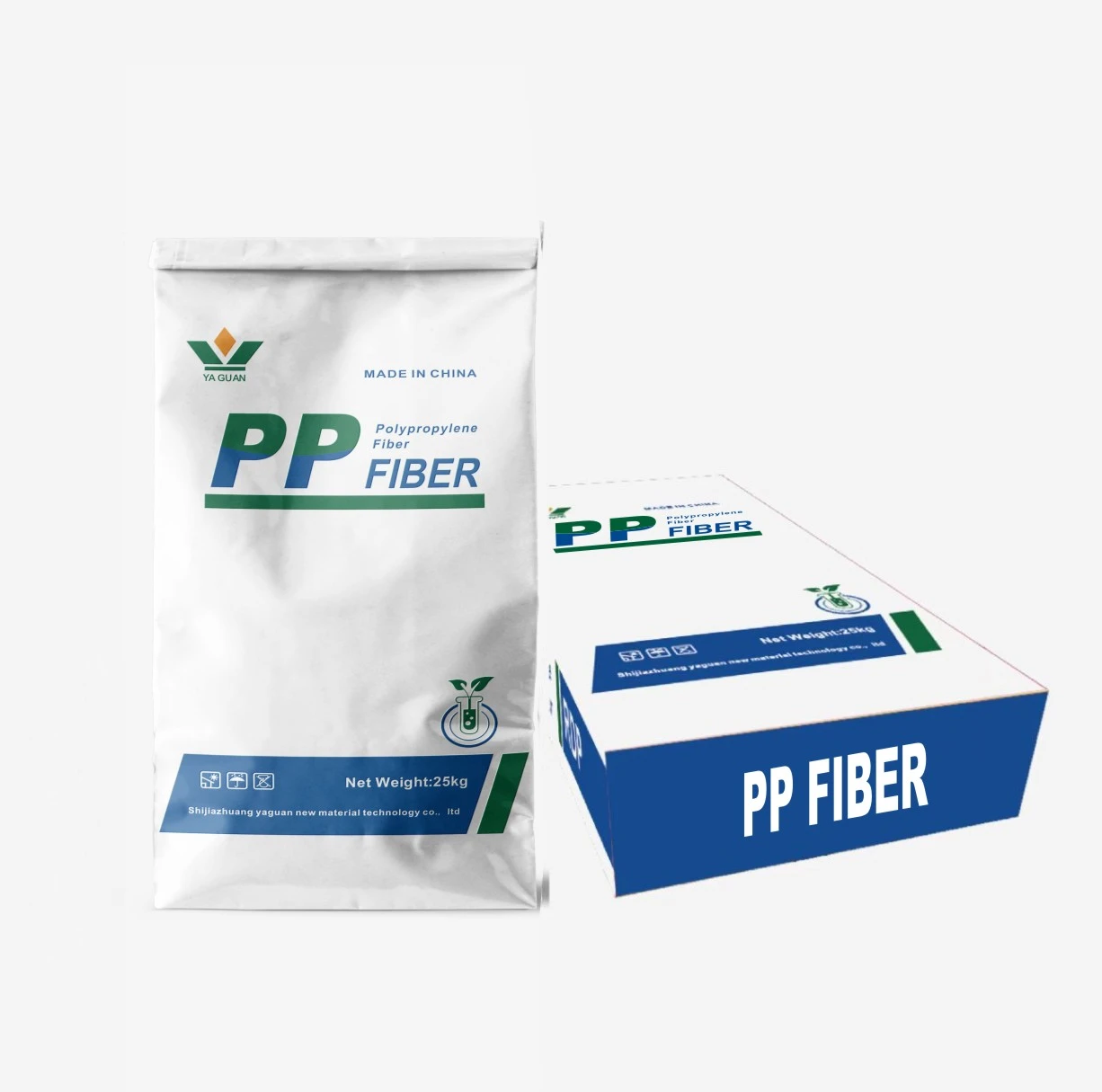

What is Carbon Fiber Reinforced Polypropylene and Why Does It Matter Globally?
Carbon fiber reinforced polypropylene (CFRPP) might sound like a mouthful, but it represents an exciting leap in materials science that's quietly reshaping many industries—from automotive manufacturing to sustainable construction. At its core, it's about combining carbon fiber—a strong, lightweight material—with polypropylene, a versatile plastic, to create a composite with improved strength, durability, and surprisingly broad application.
Why bother? Well, globally, industries are under ever-increasing pressure to lower carbon footprints and create materials that don't just perform well but also scale sustainably. Understanding CFRPP is key to unlocking innovations in lightweight vehicles, industrial components, and even humanitarian solutions. It’s not just a fancy plastic trick; it's a tool helping us push toward smarter, greener manufacturing.
Global Context: Why CFRPP is Gaining Traction
Consider this: the transportation sector alone accounts for roughly 24% of global CO2 emissions according to the International Energy Agency. Lightweight materials like carbon fiber reinforced polypropylene are pivotal in cutting vehicle weights, improving fuel efficiency, and reducing emissions. According to the UN Environment Programme, lightweight composites could reduce automotive industry emissions by up to 30% over the next decade.
Yet, challenges remain—mainly around cost and recyclability. As industries grow in emerging markets, demand for durable yet sustainable materials climbs. CFRPP addresses many of these concerns by offering a balance of performance and sustainability, especially in regions aiming to leapfrog older, more polluting technologies.
Defining CFRPP: What Exactly Is Carbon Fiber Reinforced Polypropylene?
Simply put, carbon fiber reinforced polypropylene is a composite material where short or continuous carbon fibers are embedded within a polypropylene matrix. The carbon fibers grant stiffness and tensile strength, while polypropylene supplies toughness, chemical resistance, and processability. The resulting material outperforms standard polypropylene, particularly when weight-to-strength ratio and durability matter.
This mix also fits well with today's push for fast, efficient manufacturing. It can be injection molded, extruded, or thermoformed, making it flexible enough for automotive panels, consumer goods, or even modular housing components.
Key Characteristics of Carbon Fiber Reinforced Polypropylene
Durability and Strength
Arguably the main advantage of CFRPP is its enhanced mechanical properties compared to standard plastics. Carbon fibers add significant tensile strength and stiffness, allowing thinner, lighter parts to perform like heavier metals. This is crucial in safety-critical components like in vehicles or industrial machinery.
Lightweight Nature
Many engineers say every kilogram saved is a boost in fuel economy and performance. Compared to metals, CFRPP’s combination of low density and high strength is a game changer, notably for industries where weight heavily impacts energy consumption—and costs.
Cost Efficiency
Carbon fibers have traditionally been expensive, but recent advances in manufacturing and short-fiber composites have made CFRPP relatively affordable. The ability to use existing polypropylene processing techniques keeps capital investment moderate versus all-metal designs.
Thermal and Chemical Resistance
CFRPP resists many solvents and heat ranges typical in automotive and industrial environments. This is handy when parts face oil, fuels, or prolonged sun exposure—conditions where pure polypropylene or some other composites might fail prematurely.
Recyclability and Sustainability
While composites can be tricky to recycle fully, CFRPP benefits from polypropylene’s recyclability. Efforts are underway within the industry to improve end-of-life recovery for carbon fiber composites, aligning CFRPP with circular economy goals.
Product Specification Table
| Property | Specification |
|---|---|
| Tensile Strength | 150–350 MPa (varies by fiber content) |
| Density | ~1.0–1.2 g/cm3 |
| Thermal Stability | Up to 130°C continuous use |
| Fiber Content | 10–40% by weight |
| Impact Resistance | High (improved over neat PP) |
| Processing Methods | Injection molding, extrusion, thermoforming |
Who’s Using Carbon Fiber Reinforced Polypropylene and Where?
To give you a sense of its real-world traction: CFRPP materials find wide use in automotive industries in Europe, North America, and increasingly Asia, where stringent environmental standards and cost pressures align perfectly with CFRPP’s strengths.
In post-disaster relief scenarios, modular shelters using CFRPP components can be shipped lightweight yet strong, enabling faster deployment and longer-lasting protection. Remote industrial zones also benefit, where parts need to withstand harsh chemicals, temperature swings, and mechanical stress without costly maintenance.
Fun fact: Several aerospace parts in drones and light aircraft use CFRPP composites for weight savings that directly improve flight times and payload capacity.
Advantages and the Long-Term Value Proposition
- Cost Savings: Lower fuel use, less frequent replacement, and feasibility of mass production reduce costs over product lifetimes.
- Sustainability: Carbon fiber’s lightness reduces energy consumption; integrating polypropylene introduces easier recycling routes.
- Reliability: Strong performance under mechanical and thermal stress builds trust with end users in safety-critical roles.
- Emotional Impact: Lightweight, durable materials often translate into safer vehicles and innovative designs that users feel proud to own or rely upon.
Emerging Trends in Carbon Fiber Reinforced Polypropylene
Something exciting is happening with automation and digital tooling, allowing precise fiber orientation and hybrid composite designs that push CFRPP capabilities even further. Add in green energy pushes like developing alternatives with recycled carbon fiber or bio-based polypropylene, and you start to see a larger picture forming.
The rise of Industry 4.0 means smarter manufacturing lines can optimize CFRPP use to reduce waste and enhance quality, a win for producers and consumers alike.
Common Challenges and How Industry Leaders Overcome Them
Of course, CFRPP is not magic. Manufacturing composites consistently can be tricky—strength varies with fiber dispersion, and recycling remains imperfect. Cost spikes for virgin carbon fiber also sometimes restrict wider adoption.
Leading firms tackle these by investing in tech like automated fiber placement, developing new recycling streams, and blending carbon fiber with less costly reinforcement materials without losing key properties.
It feels like the material is evolving alongside us, responding to challenges rather than being a fixed solution.
FAQ: Practical Questions about Carbon Fiber Reinforced Polypropylene
- Q: How does CFRPP compare to traditional fiberglass composites?
- A: CFRPP typically offers higher strength-to-weight ratios and better fatigue resistance while being easier to process using common plastic manufacturing techniques. Fiberglass might be cheaper but generally heavier.
- Q: Can CFRPP parts be recycled easily?
- A: Polypropylene is widely recyclable, but carbon fiber complicates this. Emerging technologies enable reclaiming fibers from CFRPP, though full circularity is still being improved.
- Q: Is CFRPP suitable for outdoor applications?
- A: Yes, CFRPP has good UV and chemical resistance, making it appropriate for automotive exterior parts or outdoor modules, though UV stabilizers are often added to improve lifespan.
- Q: What industries could benefit most from adopting CFRPP?
- A: Automotive, aerospace, industrial manufacturing, consumer electronics, and even construction sectors can leverage CFRPP where lightweight, strong, and durable parts are essential.
Vendor Comparison Table: Choosing the Right CFRPP Supplier
| Vendor | Product Range | Customization Options | Delivery Time | Sustainability Practices | Pricing |
|---|---|---|---|---|---|
| Yaguan HPMC | Injection molding grades, prepregs, sheets | High (fiber length, weight %, additives) | 2–4 weeks | Recycling partnerships, low carbon footprint | Mid-range |
| FiberComposites Inc. | Standard prepregs, bulk molding compounds | Medium | 3–6 weeks | Limited green programs | Higher |
| GlobalPoly Technologies | Extrusions, granules for customized formulations | High (blend options, fiber alignment) | 4 weeks | Focus on bio-based PP | Variable |
Final Thoughts
Carbon fiber reinforced polypropylene is more than a material innovation; it's a kind of quiet revolution bridging high-performance demands with sustainable manufacturing goals. Whether you're building lighter vehicles, more resilient modular structures, or just curious about the next wave of industrial materials, CFRPP deserves a top spot on your radar. As always, carbon fiber reinforced polypropylene suppliers are evolving fast, so keeping a close eye on advances and vendors makes sense.
Thanks for sticking through this deep dive—it feels like the beginning of many practical material conversations yet to come.