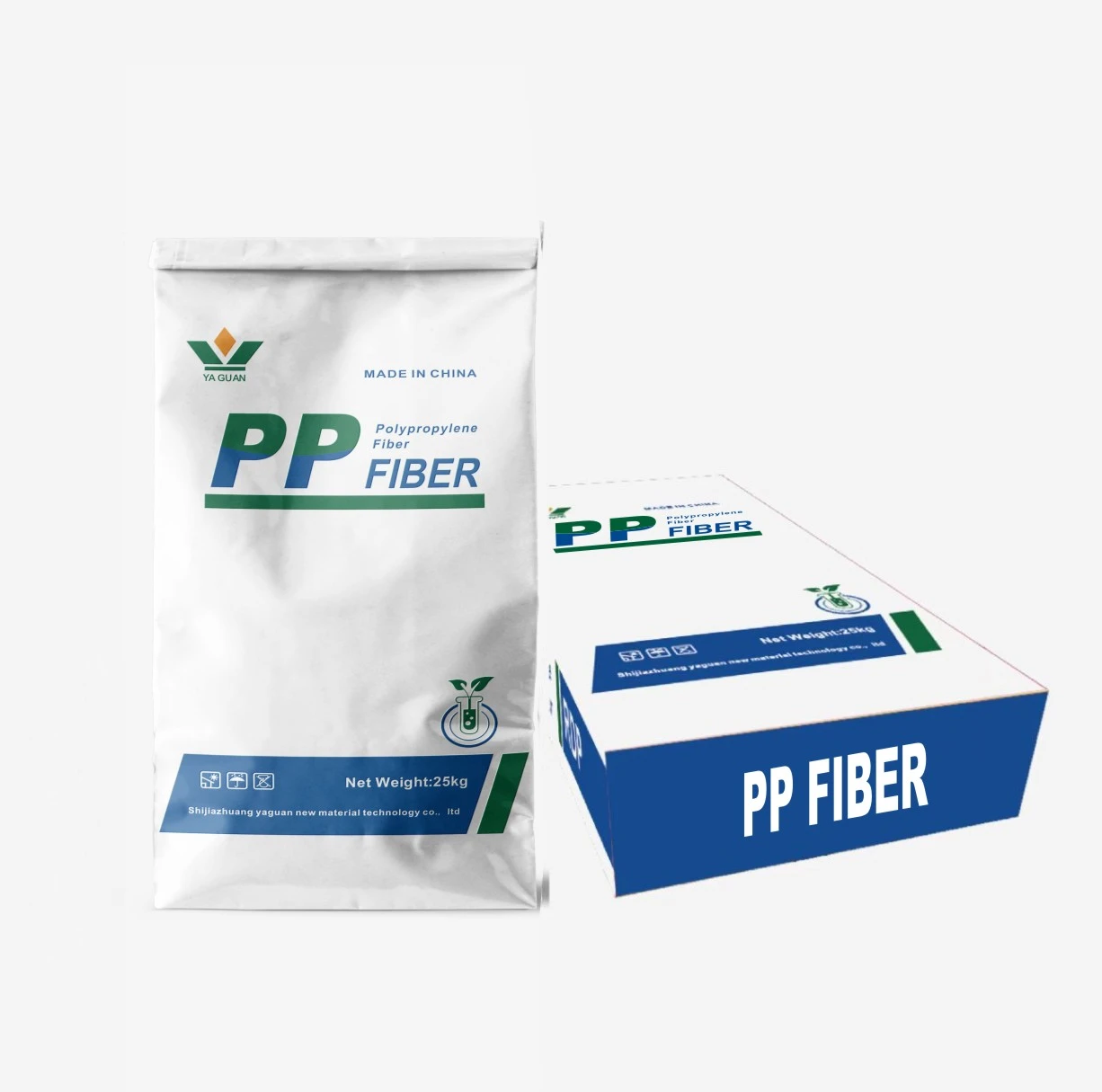

Understanding Concrete Polypropylene Fibers: A Global Perspective
If you’ve ever wondered how concrete can be made tougher, less crack-prone, and even safer, the answer often lies in tiny, yet powerful, additions known as concrete polypropylene fibers. They might not grab headlines like some high-tech marvel, but these synthetic fibers quietly revolutionize construction worldwide. From urban skyscrapers to rural infrastructures, understanding what concrete polypropylene fibers do—and why they matter—gives us some surprising insight into making our built environment more resilient, sustainable, and cost-effective.
The Growing Importance of Concrete Polypropylene Fibers Worldwide
The global construction industry, responsible for roughly 38% of carbon emissions (source: UN Environment Programme), constantly seeks innovations to improve material performance while reducing environmental impact. Polypropylene fiber reinforcement in concrete isn’t just a niche trick; it’s an answer to persistent issues like cracking, durability loss, and labor-intense curing processes. According to ISO standards, controlling micro-cracking enhances structural lifespan—a challenge met head-on by these fibers. Consider this: as urbanization expands, especially in Asia and Africa, demand for resilient, fast-hardening concrete solutions skyrockets.
Yet, despite increased infrastructure funding—around $3 trillion annually (World Bank)—many projects still face premature concrete deterioration. Polypropylene fibers help tackle this, adding tensile strength and mitigating shrinkage cracks before they spiral into major failures, a problem especially urgent when building in disaster-prone regions or remote zones where repair costs are prohibitive. So the fiber’s global relevance? Pretty clear: it’s part of the puzzle ensuring stronger, longer-lasting concrete everywhere.
What Exactly Are Concrete Polypropylene Fibers?
At its simplest, concrete polypropylene fibers are tiny strands of synthetic polymer, roughly a fraction of a millimeter in diameter, mixed into fresh concrete before it sets. Their job? To weave through the matrix and reinforce it from within, kind of like adding threads to fabric. But unlike steel fibers, polypropylene fibers resist rust and add flexibility, reducing micro-cracks caused by shrinkage or temperature changes.
Modern industry relies on them not only for enhanced durability but also because they can simplify construction logistics. Humanitarian and post-disaster projects especially appreciate how these fibers reduce cracking without extra reinforcement steel, meaning shelters can be built faster, stronger, and often cheaper. It’s a small innovation making a huge difference where it counts.
Key Characteristics of Concrete Polypropylene Fibers
1. Durability and Crack Control
The core benefit is the fibers’ ability to prevent plastic shrinkage and thermal cracks. By distributing stresses evenly, they considerably enhance the lifespan of slabs and precast elements.
2. Cost Efficiency
Compared to traditional steel reinforcement, polypropylene fibers are far lighter and easier to handle. They reduce installation time, labor costs, and upkeep—a major advantage for large or remote projects.
3. Corrosion Resistance
Steel reinforcement often faces corrosion risks. Polypropylene fibers, being polymer-based, completely avoid that issue, an invaluable trait in humid or chemically aggressive environments.
4. Versatility in Applications
Urban high-rise buildings, airport runways, water retaining structures, and even decorative concrete all benefit from these fibers’ adaptability.
5. Environmental Impact
Though polypropylene is a plastic, recent push towards recycled polymer fibers aligns with sustainability goals. It’s an area ripe with innovation and debate.
Mini takeaway: Incorporating polypropylene fibers balances performance and budget, boosting concrete’s lifecycle without overcomplicating construction workflows.
Worldwide Usage & Practical Applications
Concrete polypropylene fibers have found favor in many industries and regions:
- Post-Disaster Relief: In Haiti and Indonesia, rapid building of shelters used fiber-reinforced concrete for instant crack resistance.
- Industrial Floors & Warehouses: US and European factories extensively use polypropylene fibers to counter heavy loads and abrasion.
- Transportation Infrastructure: Runways in Dubai and bridges in Australia employ fibers to extend durability against thermal cycling.
- Remote Construction: In African rural development projects, the ease of fiber dosing cuts reliance on scarce skilled labor.
Of course, there’s always a subtle art to deciding the right fiber dosage and mix, often calibrated for local climate and expected stresses. Many engineers say it’s a game-changer for modular precast concrete units, too.
Advantages & Long-Term Benefits of Using Concrete Polypropylene Fibers
It’s not just about added strength. These fibers deliver a cascade of benefits that appeal to the economics, environmental, and social layers of construction:
- Cost Savings: Less cracking means fewer repairs and longer service life.
- Sustainability: Extended usability delays resource-intensive rebuilds.
- Worker Safety: Eliminating some steel reinforcement reduces handling hazards.
- Innovation: Enables new uses, like thin, crack-resistant concrete panels for facades.
Plus, the emotional reassurance that your infrastructure won’t fail prematurely—that feeling of trust—is priceless in public projects.
Product Specification Table
| Specification | Typical Value | Unit |
|---|---|---|
| Fiber Length | 12-19 | mm |
| Diameter | 18 | μm |
| Density | 0.91 | g/cm³ |
| Melting Point | 160-170 | °C |
| Typical Dosage | 0.9-1.2 | kg/m³ concrete |
Comparing Top Vendors of Polypropylene Fibers
| Vendor | Fiber Length (mm) | Typical Dosage (kg/m³) | Price per kg | Key Feature |
|---|---|---|---|---|
| FiberTech Solutions | 12 | 1.0 | $4.50 | Enhanced dispersion |
| PolyFibers Inc. | 19 | 1.2 | $5.20 | High tensile strength |
| EcoFiber Solutions | 15 | 0.9 | $4.80 | Recycled polymer content |
What’s Next? The Future of Polypropylene Fiber Reinforced Concrete
Looking ahead, the trends feel exciting – or at least promising. Researchers are exploring bio-based and recycled polypropylene fibers, combining sustainability with performance. Automation and digital monitoring increasingly optimize fiber dosage and mixing on-site, cutting waste and enhancing consistency. With the global push towards net-zero emissions, fiber manufacturers are eyeing carbon footprint reductions too, using life cycle analysis to further refine the product.
Oddly enough, the intersection of AI and materials science might soon tailor fiber blends specifically for climatic conditions — a future where your concrete autonomously adapts at the molecular level. Though we’re not there exactly, this ongoing innovation hints that polypropylene fiber technology remains central in concrete’s evolution.
Common Challenges & Smart Solutions
Even with many benefits, challenges remain. Fiber clumping (balling) during mixing can reduce performance, and dosing needs precision lest it affect concrete workability. Educating labor forces and adopting suitable admixtures help overcome these issues. Also, while polypropylene fibers reduce cracking, they don’t replace structural reinforcement entirely—knowing the right balance is key.
Many builders are now turning to prepackaged fiber-reinforced concrete mixes or using dosing machines that ensure perfect dispersion. So, yes, it can get complicated, but with expertise, the results are worth it.
FAQ: Practical Questions About Concrete Polypropylene Fibers
- Q: How do concrete polypropylene fibers improve crack resistance?
A: The fibers distribute tensile stresses within the cement matrix, preventing early-stage micro cracks caused by shrinkage or temperature changes. This controls crack width and enhances overall durability. - Q: Can polypropylene fibers replace steel reinforcement?
A: Generally, no. Fibers complement but do not substitute structural rebar. For slabs or pavements, fibers help reduce cracking, but for load-bearing structures, traditional reinforcement is still necessary. - Q: Are polypropylene fibers environmentally friendly?
A: Typically, they are synthetic polymers. However, advances in recycled fibers and bio-based polymers improve sustainability. Also, longer concrete life helps reduce resource use overall. - Q: What is the typical dosage of fibers in concrete?
A: Common dosages range from 0.9 to 1.2 kg per cubic meter of concrete, but exact amounts depend on application needs and mix design.
Wrapping Up: Why Concrete Polypropylene Fibers Matter
In real terms, these tiny fibers bring big gains: improved durability, safer construction, and smarter resource use. As global demands for infrastructure grow alongside environmental concerns, embracing innovations like concrete polypropylene fibers isn’t just smart — it’s essential. Whether you’re involved in urban development, industrial projects, or humanitarian aid, knowing and using these fibers adds resilience and reliability, quite possibly saving costs and lives over time.
If you want to learn more or source top-quality polypropylene fibers, go ahead and visit https://www.yaguanhpmc.com. Their offerings cover a broad spectrum of fiber solutions that might just fit your next big project.
References: