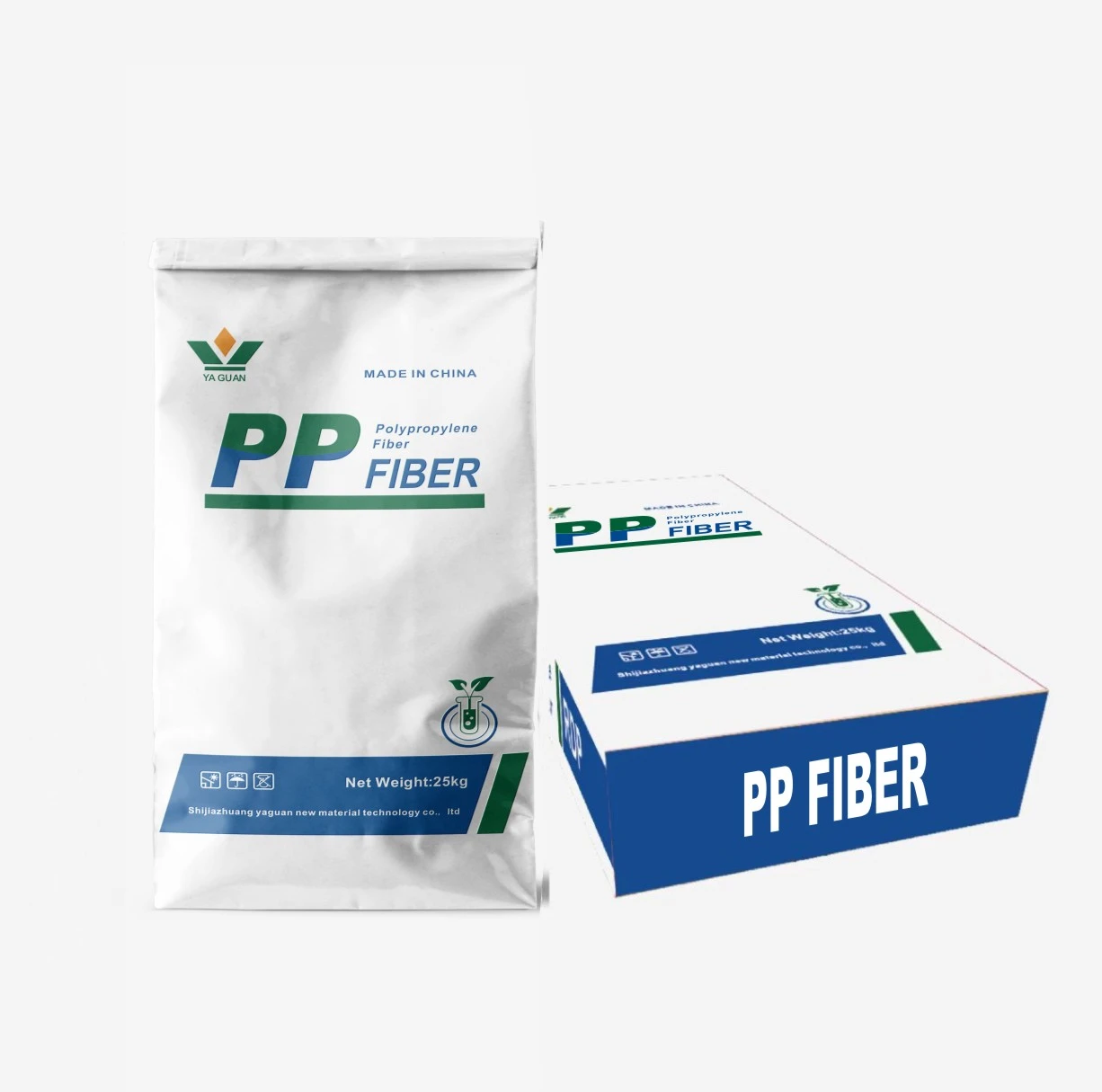

What Exactly Is Electrostatic Non Woven Polypropylene Fiber, and Why Should You Care?
If you’ve ever wondered what keeps your face mask effective, or how industrial filters work so seamlessly, chances are electrostatic non woven polypropylene fiber plays a starring role. It’s one of those tech-forward materials quietly but powerfully shaping modern safety gear, filtration, and more. Understanding this fiber matters globally—because it’s directly tied to health, environmental sustainability, and industrial innovation. Plus, knowing its benefits helps manufacturers and consumers make smarter, safer choices.
Global Context: Why This Fiber Is More Crucial Than Ever
Globally, we’re facing increasing demands for effective air purification, protective clothing, and sustainable materials. According to a 2022 report by the World Health Organization, the market for protective gear surged exponentially—largely driven by pandemics and industrial pollution concerns. Non woven polypropylene fibers, especially when given electrostatic properties, have become a cornerstone in producing masks, filters, and other critical components. This fiber’s unique ability to trap tiny particles makes it invaluable in tackling airborne contaminants.
Yet, challenges remain: industries worldwide want a material that’s not just effective but affordable, scalable, and environmentally friendly. Electrostatic non woven polypropylene fiber answers much of this demand, yet it also drives innovation to meet ever-evolving global safety and sustainability goals.
Mini Takeaway: Electrostatic non woven polypropylene fiber isn’t just a niche material—it's a frontline defender in global health and environmental efforts.
Simply Put: What Is Electrostatic Non Woven Polypropylene Fiber?
At its core, this fiber is a form of polypropylene—basically a type of plastic— spun into very fine strands and then bonded together without weaving. What makes it special is the electrostatic charge it holds. Imagine a tiny static cling; this charge attracts and traps microscopic particles like viruses, dust, and pollutants more effectively than just physical barriers alone.
This fiber connects deeply with modern industry and humanitarian needs—used in everything from surgical masks to industrial filter media, to temporary shelter materials in disaster zones. Its light weight, breathability, and filtration efficacy make it uniquely suited to protect people, environments, and machinery.
Core Features Driving Its Wide Usage
Durability
Polypropylene fibers are naturally resistant to chemical degradation and moisture. Electrostatic charges add a long-lasting filtration advantage — even after hours of use, many products retain significant effectiveness.
Cost Efficiency
Compared with materials such as glass fibers or activated carbon filters, these fibers are relatively inexpensive to produce at scale, which means industries can deploy them broadly without blowing budgets.
Lightweight and Breathable
This fiber keeps things light and breathable, crucial for user comfort in masks and clothing, especially in hot climates or physically demanding work environments.
Scalability
Manufacturers can produce these fibers in massive volumes to quickly meet spikes in demand—say, during a health crisis. The production technology is well-established and adaptable.
Eco-Friendliness (Improving!)
While polypropylene is a plastic with environmental concerns, ongoing innovations in recycling and biodegradable variants are making these fibers greener.
Mini Takeaway: It’s a rare combo of strength, affordability, and adaptability—all wrapped in one fiber.
Industry-Wide Applications
Across the globe, electrostatic non woven polypropylene fibers show up in surprising places:
- Medical Use: The prime material in surgical masks and respirators remains this fiber due to its filtration efficiency.
- Air & Water Filtration: Factories, homes, and even cars use this fiber in HVAC filters and water purification.
- Disaster Relief: Lightweight, durable, and easy-to-transport shelters and protective gear often incorporate these fibers, for example, in camps for displaced populations.
- Automotive Industry: Interior filters rely on these fibers to maintain air quality within vehicles.
- Industrial & Agriculture: Protective curtains, covers, and packaging materials leverage these fibers to guard against dust and pests.
Oddly enough, regions battling high pollution or disaster recovery—think South Asia, parts of Africa, and Latin America—benefit disproportionately, often seeing these fibers as critical in bridging immediate public health and long-term resilience efforts.
Quick Specification Snapshot
| Specification | Typical Range / Feature |
|---|---|
| Fiber Diameter | 1–10 micrometers |
| Basis Weight | 15–50 g/m² |
| Electrostatic Charge Retention | Up to 24 hours active |
| Melting Point | 160–170°C |
| Moisture Resistance | High |
Advantages and Long-term Value
The practical benefits go beyond immediate protection. Users feel safer, knowing these fibers capture even tiny pollutants. Manufacturers appreciate the cost savings and ease of deployment. Communities gain resilience to environmental hazards and can maintain dignity in crises through better protective gear and shelter materials. Also, as companies innovate, more sustainable variants are entering the market, fitting into circular economy models—so there’s a quiet but promising sustainability story here.
Comparing Major Vendors for Electrostatic Nonwoven Polypropylene Fiber
| Vendor | Fiber Quality | Customization Options | Global Reach | Price Range |
|---|---|---|---|---|
| Yaguan HPMC | High – consistent electrostatic charge | Various fiber diameters and weights | Asia, Europe, Americas | Mid-Range |
| FiberTech Corp | Moderate – eco-friendly blends available | Limited | North America, Europe | Higher |
| SafeFiber Ltd. | High – medical-grade products | Custom electrostatic treatment | Global | Premium |
What the Future Holds: Trends & Innovations
The push for greener and smarter materials means electrostatic non woven polypropylene fiber isn’t standing still. Researchers are blending bio-based additives to improve biodegradability and tweaking production methods to reduce energy consumption. Automation and digital quality control are also helping manufacturers tailor electrostatic properties precisely to use cases, improving efficiency significantly. Some innovators are exploring hybrid fibers that combine polypropylene with nanofibers, promising even better filtration without sacrificing breathability.
Challenges & How Experts Are Taming Them
Admittedly, polypropylene is not perfect; microfiber pollution and recycling remain hurdles. The charge retention can also reduce over time, especially in humid conditions, which is a pain point for repeated-use products. To address this, companies are investing in wrap-around solutions like electrostatic charging enhancements and protective coatings. Collaboration with waste management and circular economy initiatives is also shaping a more sustainable lifecycle for these fibers.
FAQ: Your Top Questions on Electrostatic Non Woven Polypropylene Fiber
1. How does electrostatic charge improve filtration compared to regular fibers?
Electrostatic charge attracts and traps tiny particles that might pass through a purely mechanical filter. It’s like adding a magnetic layer that pulls in even microscopic contaminants, significantly increasing efficiency without increasing material density.
2. Can electrostatic non woven polypropylene fiber be reused or washed?
Generally, washing reduces electrostatic charge, decreasing filtration effectiveness. Some products are designed for limited reuse with special treatments, but most high-performance uses recommend single use or designated replacement intervals.
3. Are there environmentally safer alternatives to polypropylene fibers with electrostatic properties?
Yes, emerging bio-based fibers combined with electrostatic treatment are under development to reduce plastic waste. However, they’re still being optimized for cost and performance and aren’t yet broadly available.
4. How quickly can manufacturers scale production when demand spikes?
Given existing equipment and supply chains, many producers can ramp up within weeks to months. Still, raw material availability and logistics can introduce delays, as seen during recent global crises.
5. Who are the main end-users benefiting the most from this fiber right now?
Healthcare providers, air filtration companies, disaster relief organizations, automotive manufacturers, and agricultural sectors are some of the biggest beneficiaries of the fiber’s unique properties.
Wrapping Up: Why This Material Matters Long-Term
Electrostatic non woven polypropylene fiber is quietly revolutionizing fields—from health to industry to environmental protection. Its blend of efficiency, affordability, and adaptability makes it a vital tool in a world grappling with complex challenges. If you want to explore how it can fit your needs, check out Yaguan HPMC for a deeper dive.
It’s one of those materials that feels simple but holds layers of potential—kind of like the unsung heroes keeping us safe every day.