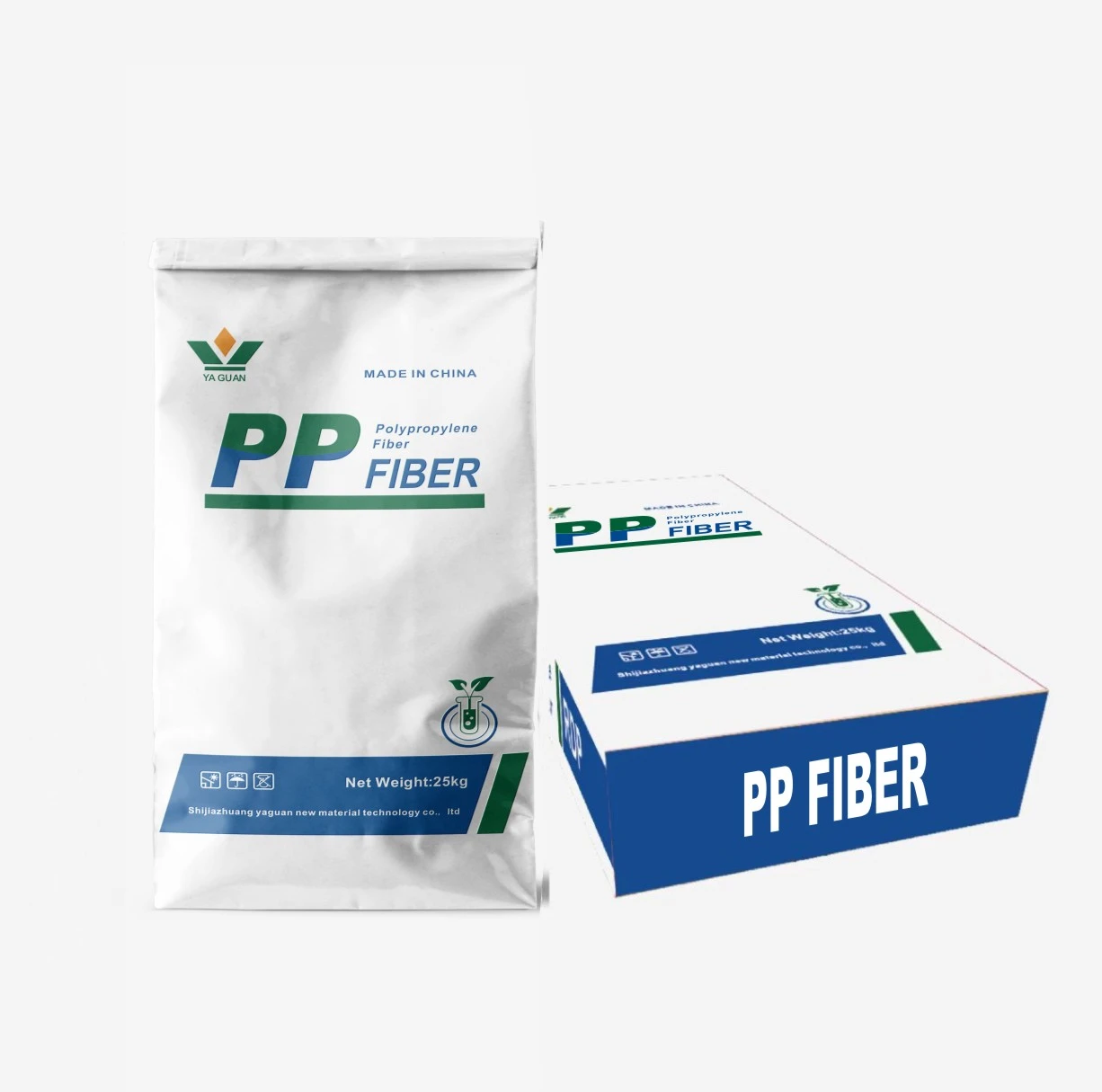
Understanding Fiber PP: The Unsung Hero of Modern Industries
When we talk about innovation in materials, especially in industries spanning packaging, construction, and textiles, fiber pp quietly stands out. Despite its somewhat technical name, fiber polypropylene (fiber PP) is far more than a mere polymer variant — it plays a crucial role in sustainability, cost efficiency, and performance worldwide. Why does this matter? Well, for starters, industries from agriculture to humanitarian relief depend on it for strong, lightweight, and adaptable solutions. Getting to know fiber PP is like meeting the backstage star of modern manufacturing and logistics.
The Global Context: Why Fiber PP Is More Relevant Than Ever
Around 6 million tons of polypropylene fibers are produced worldwide annually — and fiber PP constitutes a significant portion. According to recent reports from the UN Environment Programme and industry analysts, the demand for lightweight, recyclable materials saw an uptick of 12% year-on-year since 2018, mostly driven by packaging and textiles. But there’s a bigger story hidden here.
As the world grapples with supply chain bottlenecks and increasing environmental regulations, fiber PP offers a timely balance of durability and recyclability. In post-disaster housing, for example, fiber PP fabrics provide quick shelter solutions that combine protection with breathability — something classic materials struggle to deliver efficiently. Moreover, in agriculture, fiber PP nets and covers help reduce water waste and pesticide dependency, tackling two major ecological problems. This makes fiber PP not just a material challenge but a sustainability imperative.
Mini takeaway: Fiber PP isn’t just a fiber; it’s a strategic player in solving complex global challenges related to materials, waste, and resilience.
What Exactly Is Fiber PP?
Simply put, fiber PP or fiber polypropylene is a synthetic fiber spun or drawn from polypropylene resin. It’s a type of plastic fiber that’s tough, lightweight, and resistant to chemicals and moisture. Unlike natural fibers, fiber PP maintains its shape and strength under a variety of harsh environmental conditions. Because of its non-absorbent nature, it doesn't harbor mold or mildew easily, making it ideal for outdoor or industrial use.
In real terms, fiber PP is the backbone material behind products like woven sacks, industrial filter fabrics, geotextiles, and even certain clothing linings. Its versatility means industries can tailor fiber PP properties — from thickness to fiber length — to meet very specific needs.
Core Components That Make Fiber PP Special
1. Durability
Fiber PP is highly resistant to abrasion and chemical exposure, allowing products to last longer outdoors or in demanding industrial environments. Unlike cotton or wool, it maintains integrity after repeated stress.
2. Lightweight Nature
Fiber PP's low density means products made from it are lighter and easier to handle — a significant advantage in shipping or construction where excess weight drives up costs.
3. Moisture Resistance
This fiber doesn’t absorb water, which prevents swelling or weakening over time. This is a key reason fiber PP is a go-to for filter fabrics and agricultural covers.
4. Cost Efficiency
Polypropylene fibers are cheaper to produce than many alternatives, and when combined with their long life span, this translates directly to savings for manufacturers and end users alike.
5. Environmental Recyclability
While recycling plastics can be tricky, fiber PP in many applications can be recycled or repurposed, especially when used in mono-material products.
Mini takeaway: The synergy of durability, moisture resistance, and cost-effectiveness makes fiber PP an ideal choice across numerous sectors.
Applications of Fiber PP Across the Globe
Fiber PP’s adaptability means it crops up in surprising places worldwide. For instance:
- Post-disaster relief: Tents and temporary shelters made with fiber PP materials offer efficiency by being lightweight yet durable enough to withstand harsh weather.
- Agriculture: Shade nets, crop covers, and mulch fabrics protect plants from pests and excessive sun, especially in countries like India, Brazil, and Spain.
- Industrial filtration: Factories use fiber PP filters to trap contaminants without clogging, improving air and water quality.
- Construction: Geotextiles made from fiber PP stabilize soil and prevent erosion during infrastructure projects globally — a favorite in areas prone to landslides or flooding.
- Packaging: Woven sacks and liners made from fiber PP give strength without the bulk, ideal for grains and chemicals.
Many manufacturers, notably in Southeast Asia and Europe, have scaled fiber PP production to meet localized yet growing demands. It’s a global material with distinctly local impacts.
Advantages and the Long-Term Value of Fiber PP
Beyond the technical specs, fiber PP's value comes from what it enables companies and communities to do:
- Cost savings: Lower material and operational costs due to durability and low weight.
- Environmental benefits: Potential recyclability combined with longer product life reduces waste and reliance on nonrenewables.
- Enhanced safety and protection: For workers, crops, or displaced families, fiber PP products offer reliable shelter and protection.
- Innovation friendly: Designers can integrate fiber PP into composites, blends, or films to tailor functionality.
- Trust and reliability: Many engineers say fiber PP’s consistency in performance makes their jobs easier and their products safer.
These benefits ripple outwards, encouraging more sustainable practices throughout supply chains.
Fiber PP Specifications: A Quick Reference
| Property | Typical Value | Notes |
|---|---|---|
| Density | 0.90 – 0.91 g/cm³ | Lightweight compared to other plastics |
| Tensile Strength | 20 – 40 MPa | Varies with fiber length and production |
| Melting Point | 160 – 170 °C | Good heat resistance for many uses |
| Moisture Absorption | Ideal for wet conditions | |
| Chemical Resistance | Excellent | Resistant to acids and alkalis |
Comparing Leading Fiber PP Suppliers
| Vendor | Product Quality | Sustainability Focus | Global Reach | Pricing |
|---|---|---|---|---|
| FiberPoly Inc. | High consistency, premium grade | ISO 14001 certified | North America, Europe, Asia | Mid to high range |
| PolyFiber Solutions | Wide range, moderate grade | Developing eco lines | Asia-Pacific focus | Competitive |
| TechFibers Ltd. | Innovative blends with additives | Investing heavily in sustainability | Europe, Middle East | Premium pricing |
Emerging Trends and Innovations in Fiber PP
The fiber PP sector isn’t standing still. Frankly, there’s a quiet revolution underway — fueled by sustainability and digital tech. For example, nano-enhanced fiber PP composites are being developed to improve strength without weight penalty. Meanwhile, biodegradable polypropylene blends show promise, helping ease plastic waste concerns (although truly biodegradable PP remains a tough nut to crack).
Another interesting trend is the integration of digital tracing technologies into fiber production, offering traceability from polymer sourcing to finished product — a big win for ensuring ethical supply chains. And, on the policy front, governments in the EU and Asia are pushing stricter circular economy mandates that fiber PP producers increasingly have to meet.
Challenges Fiber PP Faces (and Smart Solutions)
As useful as fiber PP is, it comes with its quirks. The primary challenge is recycling complexity — mixed plastic products can’t always be sorted easily. Also, fiber PP isn’t UV resistant by default, requiring additives to prevent degradation outdoors. Supply chain volatility of polypropylene resin prices has also caused manufacturers headaches in recent years.
Luckily, innovations like specialized sorting technologies (optical sorting) and coating techniques are helping. Industry experts suggest that collaboration between resin suppliers and fiber producers is the key to consistent quality and improved sustainability.
FAQ: Getting Practical with Fiber PP
Q1: What makes fiber PP better than natural fibers in industrial uses?
A1: Fiber PP offers superior moisture resistance, chemical stability, and tensile strength over natural fibers like cotton or jute. This means longer life in harsh environments and less maintenance, crucial for industrial applications such as filtration or geotextiles.
Q2: Can fiber PP products be recycled easily?
A2: While fiber PP itself is recyclable, practical ease depends on product design. Mono-material products recycle more straightforwardly than composites. Advances in sorting and recycling tech are steadily improving feasibility.
Q3: Is fiber PP suitable for outdoor applications?
A3: Yes, but untreated fiber PP degrades under UV exposure. Most outdoor-grade fiber PP includes UV stabilizers or protective coatings to increase lifespan.
Q4: How does fiber PP contribute to sustainable agriculture?
A4: Fiber PP shade nets and mulch fabrics reduce water evaporation and pesticide use, helping farms minimize environmental impact while boosting yield.
Q5: Can NGOs rely on fiber PP materials for rapid shelter solutions?
A5: Absolutely. Thanks to its lightweight, durable, and waterproof qualities, fiber PP is often used for emergency tents and covers, providing quick, dependable protection in disaster zones.
Wrapping Up: Why Fiber PP Deserves Your Attention
It’s clear that fiber pp is not just a technical term tossed around R&D labs. It’s a vital material touching industries as diverse as agriculture, packaging, construction, and humanitarian aid — with advantages spanning cost, durability, and eco-responsibility. As innovations continue to emerge, fiber PP’s role in building a more efficient, sustainable future becomes only more critical.
If you’re looking to explore fiber PP for your products or projects, I highly recommend visiting https://www.yaguanhpmc.com — they offer a deep pool of resources and premium materials to get you started.