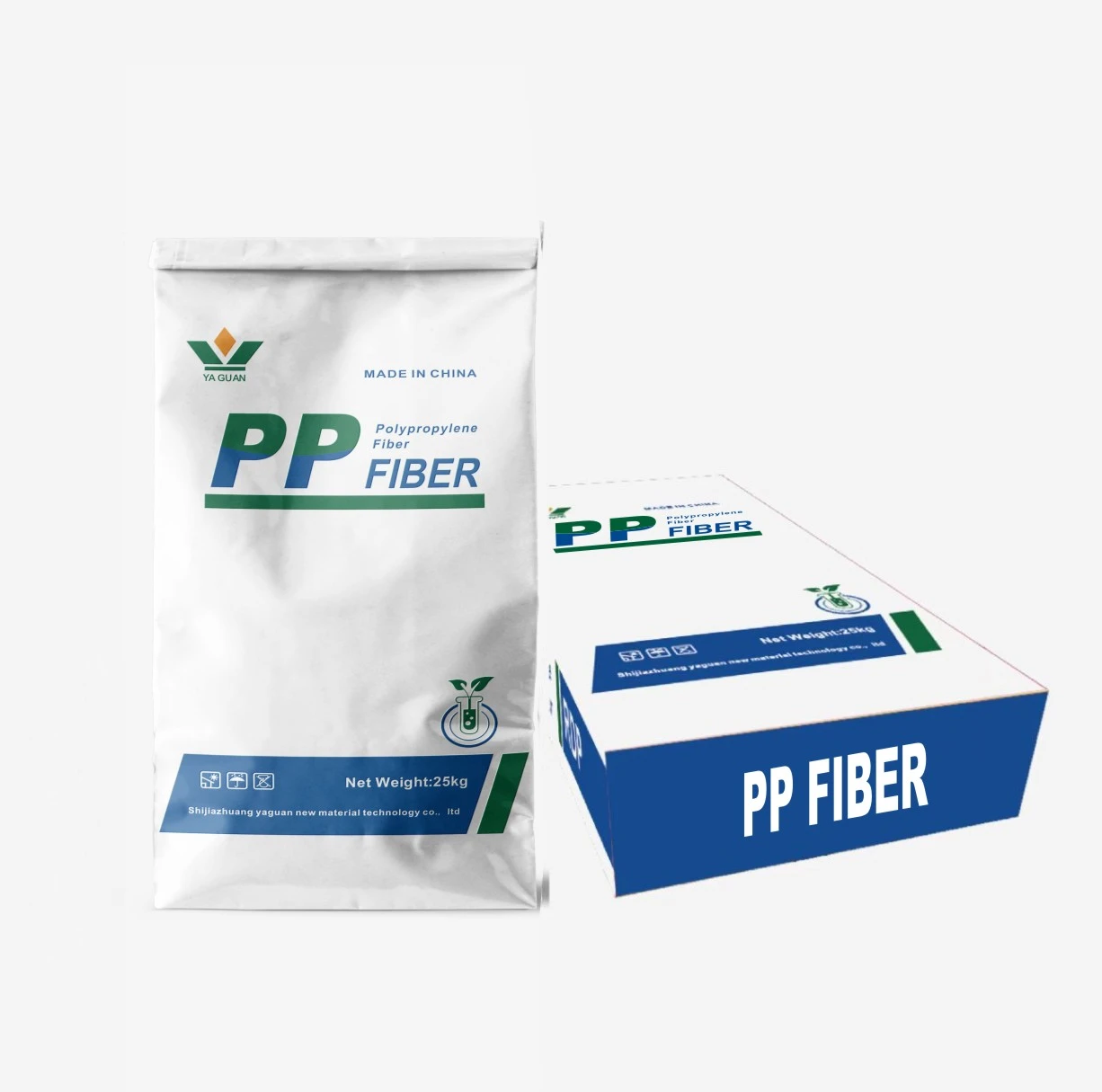

The Growing Importance of Fiberglass Polypropylene in Modern Industry
Fiberglass polypropylene is increasingly grabbing attention from industry professionals, engineers, and manufacturers worldwide. But why should anyone really care about this composite material? Well, it’s not just another plastic or fiber blend. Fiberglass polypropylene combines the lightweight robustness of polypropylene polymers with the tensile strength of woven fiberglass, making it a compelling choice for applications ranging from automotive components to construction materials and even humanitarian relief structures.
Global trends in sustainability, cost-efficiency, and durability have made this material a near-essential component in manufacturing lines, especially where weight reduction and strength matter. Understanding its benefits illuminates its guiding role in modern economies and why global industries constantly embrace it for revolutionary product designs.
Introduction: The Global Context of Fiberglass Polypropylene
Did you know that, according to the International Organization for Standardization (ISO), composites like fiberglass polypropylene are poised to grow at roughly 6% annually in manufacturing sectors worldwide? This surge is due to pressures to reduce greenhouse gas emissions and demand for recyclable yet robust materials. At the same time, the United Nations notes that constructing sustainable infrastructure accounts for nearly 40% of global CO₂ emissions. Materials that lighten structures without compromising strength, such as fiberglass polypropylene, help tackle this head-on.
Moreover, industries confronting harsh environments—from automotive makers needing fuel-efficient yet safe vehicles, to disaster relief agencies eyeing mobile shelters—turn to this composite to address challenges traditional materials struggle with. It’s sort of like a Swiss Army knife solution that blends practical durability, adaptability, and environmental responsibility.
What Is Fiberglass Polypropylene Anyway?
Simply put, fiberglass polypropylene is a composite made by reinforcing polypropylene plastic with fiberglass strands or mats. Polypropylene itself is a thermoplastic polymer well known for being lightweight and chemically resistant. Add fiberglass, and you get something much stronger, stiffer, and more heat resistant—without drastically increasing weight.
This combination creates a material that fits neatly into modern manufacturing’s “strength vs. weight” balancing act. Oddly enough, it also ticks humanitarian boxes by making possible quick-deploy housing or durable supply containers that are cheaper and easier to ship than traditional steel or wood.
Key Factors Behind Fiberglass Polypropylene’s Popularity
Durability
One of the primary reasons fiberglass polypropylene works so well is its resistance to impact, corrosion, and fatigue. For industries exposed to harsh chemicals or weather—like offshore oil rigs or remote construction sites—this durability prevents costly replacements and delays.
Scalability
Because polypropylene melts and molds efficiently, manufacturers can scale up production rapidly. Fiberglass inserts don’t complicate this too much, making it suitable for both mass-produced parts and custom pieces.
Cost Efficiency
Compared to metals or carbon-fiber composites, fiberglass polypropylene strikes a sweet spot. It’s cheaper to produce, lighter to transport, and flexible enough to upgrade existing lines or form innovative designs.
Environmental Impact
In a climate-conscious era, materials with lower embodied energy and recyclability attract attention. Polypropylene is recyclable, and when combined with fiberglass, the composite reduces the need for heavier metals, cutting associated emissions.
Specifications at a Glance
| Property | Typical Value | Unit |
|---|---|---|
| Density | 1.3 – 1.4 | g/cm³ |
| Tensile Strength | 80 – 130 | MPa |
| Flexural Modulus | 6000 – 9000 | MPa |
| Thermal Stability | Up to 120°C | °C |
| Moisture Absorption | < 0.1% | % |
Global Applications: Where Fiberglass Polypropylene Shines
If you think this composite is some niche thing, think again. In Europe and North America, the automotive industry uses fiberglass polypropylene extensively for bumpers, door panels, and under-the-hood components to reduce vehicle weight while meeting safety standards. This contributes notably to fuel efficiency and a greener footprint.
Meanwhile, in Asia-Pacific, rapid urbanization and infrastructure expansion often use fiberglass polypropylene for façade panels, piping, and modular construction parts where cost and function must align.
Oddly enough, in humanitarian sectors such as the UN’s emergency response teams, this material allows the creation of lightweight, robust, and reusable shelters that can be shipped quickly to disaster zones. It reduces transport costs and sets up well on rugged terrain.
How Vendors Stack Up on Fiberglass Polypropylene
| Vendor | Product Range | Customization Options | Price Range | Lead Time |
|---|---|---|---|---|
| Yaguan HPMC | Fiberglass polypropylene sheets & pultrusions | Tailored fiber orientation, color, thickness | $$$ | 4–6 weeks |
| Global Composites Inc. | Fiberglass reinforced pellets & molding grades | Limited color options, volume orders favored | $$ | 6–8 weeks |
| FiberTech Solutions | Custom laminates & composite sheets | High customization; small batch friendly | $$$$ | 3–5 weeks |
The Advantages and Long-Term Value Fiberglass Polypropylene Offers
What really seals the deal? Beyond specs, this material offers resilience paired with affordability. Its low weight means less energy is consumed during shipping—not just a cost savings but a sustainability win. Many engineers I spoke with emphasize the material’s reliability under repeated stress and weather extremes, which can’t be overstated.
Plus, there’s an emotional benefit: knowing the material contributes to safer cars, better building components, and emergency shelter solutions gives designers and end-users peace of mind. You trust it because it simply won’t fail when you need it most.
Looking Ahead: Trends and Innovations in Fiberglass Polypropylene
The future is bright, and frankly, kind of exciting. R&D teams worldwide are working on next-gen fibers that improve recyclability, bio-based polypropylene blends to cut fossil fuel use, and integration with digital manufacturing technologies like 3D printing. Imagine custom composite parts designed on-demand with minimal waste. I think that’s where the magic really starts.
Also, tighter international regulations on emissions and sustainable sourcing mean fiberglass polypropylene makers have to innovate or risk obsolescence. The push for green energy equipment and electric vehicles continually raises the bar, influencing composite choices.
Common Challenges and Their Solutions
Of course, no material is perfect. Fiberglass polypropylene can face issues like fiber-matrix adhesion problems leading to delamination, or not always meeting extreme high-temperature applications (above 150°C). However, improving coupling agents and process controls have significantly reduced these problems.
Additionally, recyclability is sometimes complicated by mixed-material assemblies. Here, design-for-disassembly concepts and supplier collaboration help. It’s a bit of puzzle-solving, but the industry is learning fast.
FAQ: Your Top Questions About Fiberglass Polypropylene
- Is fiberglass polypropylene suitable for outdoor use?
Yes, its strong chemical and moisture resistance makes it ideal for outdoor applications like piping, panels, and protective covers. It withstands UV exposure moderately well, though additional coatings may enhance longevity. - Can these composites be recycled?
Polypropylene is recyclable, but when combined with fiberglass, recycling becomes more complex. Innovations in mechanical recycling and chemical recovery are progressing, but currently, recycling programs vary by region. - How does fiberglass polypropylene compare to carbon fiber composites?
Fiberglass polypropylene is less expensive and lighter than many metal alternatives, but carbon fiber composites generally outperform it in strength and stiffness, though at a higher cost. Choice depends on budget, weight, and performance needs. - Is this material safe for food contact packaging?
Standard fiberglass polypropylene is generally not food-safe due to fiberglass presence, but polypropylene by itself is often used in packaging. Specialized processes are required for compliance if food contact is needed. - What industries benefit most from fiberglass polypropylene?
Automotive, construction, electronics, and humanitarian aid sectors frequently use it — essentially anywhere a lightweight, tough composite is advantageous.
Summing It Up: Why Fiberglass Polypropylene Deserves Your Attention
Fiberglass polypropylene isn’t merely a technical term; it’s a material quietly reshaping several industries globally. Its blend of strength, lightness, and cost-effectiveness makes it a reliable pillar for sustainable manufacturing and design innovation. Whether you're developing next-gen vehicles or rapid-deploy shelters, this composite offers pragmatic, long-lasting solutions.
If you want to explore how fiberglass polypropylene can transform your projects — or simply dive deeper into specs and sourcing — fiberglass polypropylene providers like Yaguan HPMC have you covered with customizable, quality options.
Mini takeaway: fiberglass polypropylene combines practical design with environmental responsibility, perfectly suited for today’s challenges and tomorrow’s opportunities.