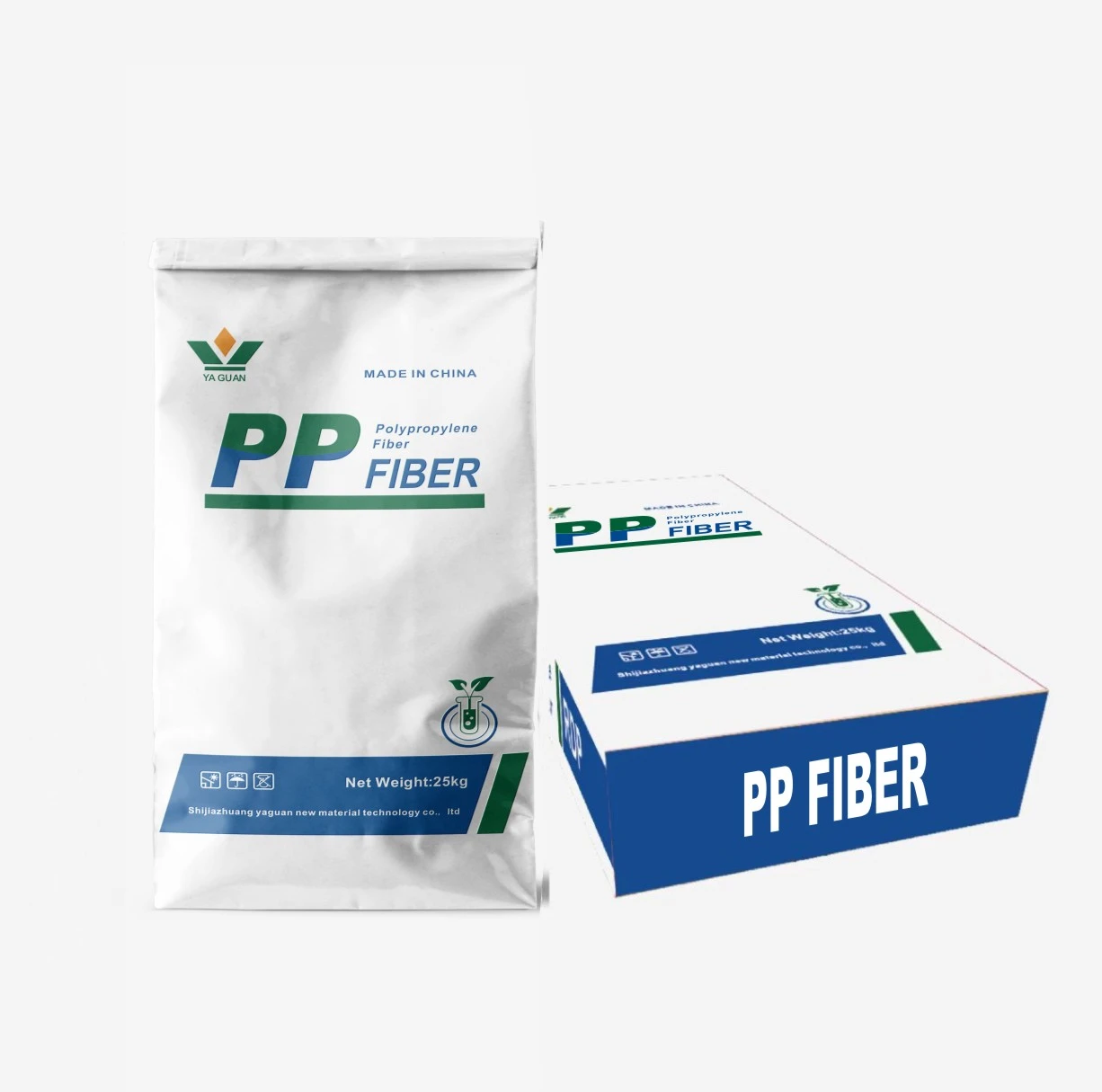

Fiberglass Reinforced Polypropylene: A Modern Material Shaping Industries Worldwide
If you’ve ever wondered what holds up everything from industrial machinery to eco-friendly construction panels, fiberglass reinforced polypropylene (or FRPP, for short) is likely playing a quiet but crucial role behind the scenes. This hybrid material blends the toughness of fiberglass with the versatility of polypropylene, creating a compound that’s stronger, lighter, and more adaptable than either alone. But why does this matter globally? Frankly, as industries push harder on sustainability, cost-effectiveness, and durability—all while maintaining safety and performance—materials like FRPP have become game-changers.
Understanding fiberglass reinforced polypropylene opens doors to improving product lifespan, reducing waste, and even advancing humanitarian projects that rely on quick, robust infrastructure. So, whether you’re an engineer, designer, or just a curious mind, diving into FRPP’s world reveals fascinating insights about how the built environment—and beyond—evolves.
The Global Context: Why Fiberglass Reinforced Polypropylene Matters More Than Ever
We live in a world increasingly focused on smarter, lighter, and sustainable materials. According to the International Organization for Standardization (ISO), the market for composite materials is predicted to grow by roughly 10% annually over the next decade. Fiberglass reinforced polypropylene, in particular, is gaining traction across continents for its unique blend of performance and affordability.
With rising urbanization, global infrastructure faces stringent demands: materials must resist corrosion, manage temperature fluctuations, and keep carbon footprints low. FRPP addresses many of those challenges and therefore appears in applications ranging from automotive parts in Europe to water management solutions in Asia. Oddly enough, it also finds a niche in humanitarian aid kits, where rapid deployment and resilience are non-negotiable.
Yet challenges remain, like ensuring uniform quality across manufacturers or tackling recyclability concerns, which we’ll unpack later. For now, it's clear: FRPP's role globally is expanding, and understanding its nuances is essential for many industries.
What Exactly Is Fiberglass Reinforced Polypropylene?
Simply put, fiberglass reinforced polypropylene is a composite material formed by embedding fine glass fibers into a polypropylene matrix. Why polypropylene? It’s a thermoplastic known for its chemical resistance, low weight, and flexibility. Glass fibers add strength and rigidity, preventing the plastic from sagging or deforming under stress.
This combination produces a material that’s lighter than metal alternatives but still remarkably tough against impact and environmental wear. Imagine using this in automotive bumpers or in modular housing panels — you get durability without the bulk or excessive cost.
In practical terms, FRPP blends raw performance with cost-efficiency, making it invaluable where traditional materials fall short. It’s not just industrial jargon—this stuff tackles real challenges in sectors like renewable energy, transportation, and disaster relief.
Mini takeaway:
Fiberglass reinforced polypropylene merges polypropylene’s lightness with fiberglass’s strength, creating a versatile composite that’s reshaping material standards worldwide.
Key Components and Factors Behind FRPP’s Success
1. Durability
Fiberglass embedded within polypropylene dramatically enhances the material’s resistance to fatigue, cracking, and chemical corrosion. This durability means longer service life in harsh environments—think coastal infrastructure exposed to salt spray or factory floors that endure heavy equipment movements.
2. Lightweight and Scalability
Compared to metals or pure fiberglass products, FRPP’s weight advantage is significant. This makes transportation cheaper and assembly faster. Industries manufacturing large quantities of products benefit, as FRPP’s injection molding scalability gives consistent quality at scale.
3. Cost Efficiency
Synthetic composites often raise eyebrows for cost, but FRPP balances expense and performance. The base polymer is relatively cheap, fiberglass is abundantly available, and manufacturing processes are well-established. Together, these factors translate into lower lifecycle costs—in real terms: less frequent replacements and maintenance.
4. Chemical and Moisture Resistance
Polypropylene’s natural chemical inertness paired with glass fibers’ resistance forms a barrier against rust, salt, oils, and solvents. This makes FRPP apt for plumbing systems, chemical tanks, and even food processing equipment.
5. Thermal Stability
While polypropylene alone can deform under high temperatures, fiberglass reinforcement raises the heat tolerance, enabling FRPP to perform reliably in industrial applications subject to temperature variation.
Mini takeaway:
Durability, weight savings, cost efficiency, and chemical resistance stand out as core reasons why fiberglass reinforced polypropylene is attractive across sectors.
Global Applications: Where and How FRPP Makes a Difference
- Automotive Industry: Many automakers now use FRPP in bumpers, dashboard components, and under-the-hood parts where weight and toughness matter.
- Water Management: Regions facing water scarcity incorporate FRPP pipes and fittings thanks to corrosion resistance and longevity.
- Construction & Infrastructure: Panels and modular building blocks using FRPP offer quick-to-install yet durable housing solutions, especially in disaster relief scenarios.
- Renewables: FRPP is part of wind turbine nacelle components and solar panel housings, contributing to greener energy landscapes.
- Consumer Goods: Durable outdoor furniture and sports equipment sometimes rely on FRPP for its ability to withstand weather and physical stress.
For example, in Southeast Asia, post-disaster relief teams have adopted FRPP-based modular shelters that can be deployed swiftly while resisting monsoon moisture—a lifesaver during floods.
Mini takeaway:
From cars to clean water systems, fiberglass reinforced polypropylene stretches across sectors and global regions, proving its value in diverse real-world needs.
Advantages & Long-Term Value of Choosing Fiberglass Reinforced Polypropylene
FRPP isn’t just about specs on paper. It embodies the promise of reduced waste, enhanced safety, and innovation that lasts.
- Economic Savings: Lower maintenance, fewer replacements, and cheaper logistics add up to real dollars saved over time.
- Environmental Impact: Lightweight materials reduce fuel consumption during transport; durable products limit landfill waste.
- Social Benefits: Reliable infrastructure supports health and dignity, especially in vulnerable communities relying on fast, robust building materials.
- Safety & Trust: Resistance to chemicals and heat reduces risk in industrial setups, giving operators peace of mind.
There’s also something reassuring about materials that ‘just hold up’—industries and customers alike lean on that reliability every day.
Product Specification Table
| Specification | Typical Value | Units |
|---|---|---|
| Density | 1.25–1.40 | g/cm³ |
| Tensile Strength | 90–120 | MPa |
| Flexural Modulus | 6000–8000 | MPa |
| Heat Deflection Temp. | 90–110 | °C |
| Chemical Resistance | Excellent | — |
Future Trends and Innovations in Fiberglass Reinforced Polypropylene
The material science community isn’t resting on FRPP’s laurels. Innovations are accelerating, especially around sustainability and digital transformation.
- Bio-Based Polypropylene: Developing polypropylene from renewable feedstocks could reduce carbon footprints further.
- Recycling and Circularity: Techniques to recycle FRPP composites are improving; some labs explore chemical recycling to break down fibers and polymers safely.
- Smart Composites: Embedding sensors within FRPP parts to monitor structural health in real time—exciting for construction and automotive safety.
- Automation in Manufacturing: Robotic molding processes improve quality and consistency at faster production speeds.
The future’s bright for fiberglass reinforced polypropylene, but it won’t be static. Expect ongoing tweaks that emphasize green practices and smarter products.
Challenges and Solutions to Effective Use of FRPP
Of course, no material is perfect. Fiberglass reinforced polypropylene has a few quirks:
- Recycling Difficulties: While PP is recyclable, separating embedded glass fibers complicates reuse.
- Brittleness at Low Temperatures: Some FRPP formulations can become less flexible in cold climates.
- Manufacturing Variability: Inconsistent fiber distribution during molding can cause performance differences.
Industry experts recommend tailored compounding procedures and better control systems during manufacturing to minimize these issues. Researchers also investigate additives that enhance low-temp flexibility and recycling technologies that reclaim both fibers and polymers.
Vendor Comparison: Choosing the Right FRPP Supplier
| Vendor | Production Capacity | Customization Options | Sustainability Initiatives | Pricing Tier |
|---|---|---|---|---|
| Yaguan HPMC | 50,000 tons/year | High (fiber %, blends, additives) | Active bio-based PP development | Mid-range |
| Global Composite Co. | 30,000 tons/year | Medium (standard fiber ratios) | Limited recycling programs | Higher |
| Eco-Polytech | 25,000 tons/year | Low (fixed formulations) | Strong focus on recyclability | Competitive |
Frequently Asked Questions About Fiberglass Reinforced Polypropylene
Q1: What makes fiberglass reinforced polypropylene better than pure polypropylene?
Adding fiberglass significantly boosts strength, rigidity, and heat resistance, allowing FRPP to handle demanding structural applications where pure polypropylene might fail or deform.
Q2: How long can FRPP components typically last in outdoor environments?
With proper formulation, FRPP products can last 10–20 years outdoors, resisting UV, moisture, and chemical exposure better than many plastics, though actual lifespan varies by usage.
Q3: Is FRPP recyclable, and how does recycling affect its properties?
FRPP is recyclable, but separating the glass fibers from the polymer matrix can be challenging. Mechanical recycling tends to reduce fiber length, which lowers strength over multiple cycles.
Q4: Can fiberglass reinforced polypropylene be used in food or medical applications?
While polypropylene is food-safe, the addition of fiberglass means FRPP is generally not suitable for direct food contact without specific certifications. It’s more common in industrial contexts.
Q5: How do I import FRPP products internationally for large projects?
International import involves verifying customs regulations, ensuring compliance with local material standards, and partnering with reputable suppliers who provide full documentation and traceability.
Wrapping It Up: Why Fiberglass Reinforced Polypropylene Is Worth Watching
Fiberglass reinforced polypropylene is no mere industrial buzzword—it’s a material quietly revolutionizing sectors from automotive to humanitarian aid. Its blend of durability, affordability, and adaptability positions it as a top contender for sustainable growth in manufacturing and construction.
For those curious to explore or source this innovative material, it’s worth checking out specialist suppliers like fiberglass reinforced polypropylene manufacturers to find customized solutions tailored to your project needs.
Because ultimately, materials like FRPP don’t just build machines or structures. They build trust and open pathways to smarter, greener futures.