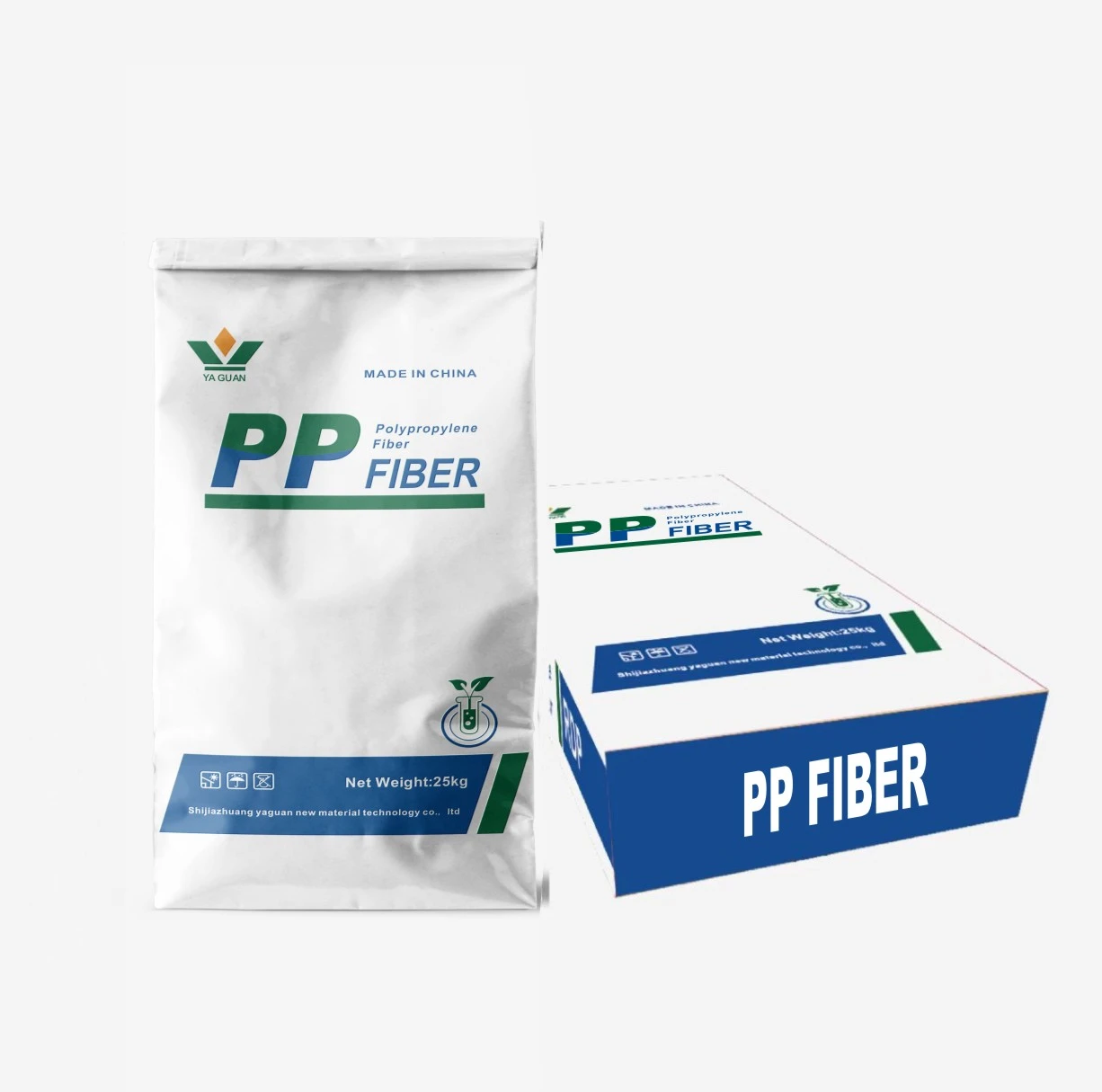

Fibrillated Fiber Concrete: What It Is and Why It Matters Today
Concrete has been the unsung backbone of modern infrastructure, but it’s far from perfect. Enter fibrillated fiber concrete, a fascinating evolution that’s quietly transforming construction worldwide. This innovative material combines traditional cement with a network of tiny, mesh-like fibers that boost strength, durability, and resilience—qualities absolutely vital as urban centers grow and extreme weather events intensify.
Understanding fibrillated fiber concrete isn’t just academic; it’s critical for industries aiming to build smarter, last longer, and meet sustainability goals. Plus, these fibers help concrete resist cracking and wear better, so infrastructures hold up under stress and time—saving billions globally.
The Global Stage: Why Fibrillated Fiber Concrete Is Gaining Ground
Globally, infrastructure demands are ballooning. According to the UN’s 2023 infrastructure report, over 60% of the world’s major cities will need extensive upgrades or new construction by 2035 to keep pace with population growth and climate challenges. Traditional concrete, while a staple, struggles with brittleness and cracking, leading to costly repairs and safety concerns.
That’s where fibrillated fiber concrete steps in. By weaving microscopic synthetic fibers into the concrete matrix, this mix enhances tensile strength and crack resistance dramatically. The World Bank estimates infrastructure failures cost economies around $200 billion annually—so anything that boosts longevity and reduces maintenance is a game changer.
Still, the challenge remains: how to scale this solution for both urban mega-projects and smaller, resource-limited communities? The answer lies partly in fiber technologies and partly in smart engineering partnerships around the globe.
What Exactly Is Fibrillated Fiber Concrete?
Put simply, fibrillated fiber concrete is a composite material where slender, spaghetti-like synthetic fibers—often made of polypropylene—are integrated into standard concrete. The “fibrillated” part refers to how these fibers split and mesh into a web-like structure inside the mix, like microscopic reinforcement threads.
This web catches small cracks before they widen, distributes stresses more evenly, and improves toughness. In humanitarian or industrial contexts—think earthquake-prone zones or rapid post-disaster rebuilds—it provides a dependable, scalable concrete that’s both light and incredibly robust.
Core Components That Make It Work
- Durability: The fiber mesh reduces micro-cracking and wear, extending structural life well past normal limits.
- Flexural Strength: Fibers add tensile strength, allowing structures to bear heavier loads and flex under strain.
- Scalability: Easily incorporated into existing concrete formulations without complex machinery.
- Cost Efficiency: While fibers add some upfront cost, lower maintenance and longer lifespan make it economically smart.
- Environmental Benefits: By reducing the need for repair and replacement, it lowers the carbon footprint over a building’s lifecycle.
- Workability: Despite added fibers, the mix remains easy to pour and finish for contractors.
Mini takeaway: Think of fibrillated fiber concrete as concrete with an invisible safety net inside, designed to catch damage before it becomes a disaster.
Real-World Applications: Where Is Fibrillated Fiber Concrete Making an Impact?
Industry insiders note its popularity is soaring both in developed cities and emerging economies. In Japan, known for its seismic building codes, fibrillated fiber concrete is now common in bridges and subway tunnels. Meanwhile, NGOs deploy fiber-reinforced concrete in rapid shelter builds after earthquakes in Nepal or hurricanes in the Caribbean.
Mining companies use it for durable, wear-resistant floor slabs in processing plants. Some remote industrial zones in Canada have adopted it for temperature-resilient runway repairs. It’s even being experimented with in 3D printed housing for refugee camps.
Specification Snapshot
| Parameter | Typical Value | Unit |
|---|---|---|
| Fiber Length | 6-12 | mm |
| Fiber Volume Fraction | 0.1-0.3 | % |
| Compressive Strength | 40-60 | MPa |
| Flexural Strength | 7-12 | MPa |
| Tensile Strength | 3-5 | MPa |
Comparing Top Suppliers of Fibrillated Fiber Concrete
| Vendor | Fiber Material | Price Range (USD/kg) | Lead Time | Key Markets |
|---|---|---|---|---|
| Yaguan FiberTech | Polypropylene Fibrillated | 4.5 - 6.0 | 2 weeks | Asia, Europe |
| FiberMax Solutions | Polyethylene Fibers | 5.0 - 7.2 | 3 weeks | North America, Australia |
| Durafib Concrete | Polypropylene Fibrillated | 3.8 - 5.5 | 1.5 weeks | Europe, Middle East |
The Long-Term Value of Using Fibrillated Fiber Concrete
What really sets fibrillated fiber concrete apart is a mix of practical and emotional benefits. Financially, the reduction in cracking and maintenance means fewer interruptions and significantly lower repair costs — a reason many civil engineers rave about it. From a sustainability angle, the longer lifespan of fiber-reinforced structures contributes to quite a reduction of embodied carbon, aligning well with global climate objectives.
But beyond numbers, there’s comfort in knowing buildings and infrastructure can handle unexpected stresses better—be it a flood, earthquake, or just daily wear and tear. For communities, this means safety, dignity, and often a quicker, more robust recovery after disasters.
What’s Next? The Future of Fiber-Reinforced Concrete
Innovations around fibrillated fiber concrete are budding fast. The intersection with green energy is exciting: researchers are experimenting with fibers that help concrete absorb CO2 over time, turning structures into carbon sinks. Digital tools, like AI-enhanced mix design and automation in fiber dispersion, promise even sturdier, more consistent products.
Meanwhile, additive manufacturing (3D printing) incorporating fibrillated fibers may revolutionize affordable, custom-designed housing for underserved populations worldwide. Policymakers are increasingly pushing standards that encourage fiber use for its environmental and safety benefits—for example, ISO’s upcoming guidelines on fiber reinforcement.
Addressing Challenges: Obstacles and Solutions
Not everything is smooth sailing. One hurdle is ensuring even fiber dispersion in large concrete batches, or “balling” where fibers clump together. It can spoil workability if not managed well. But many firms are tackling this with better mixing protocols and fiber coatings that ease blending.
Another challenge is price — fibrillated fibers add upfront cost and some builders remain cautious. Yet, lifecycle cost analysis shows savings often outweigh initial investments. Disseminating this knowledge widely remains a key task for stakeholders and educators.
FAQ: What You’re Asking About Fibrillated Fiber Concrete
- Q: How much stronger is fibrillated fiber concrete compared to traditional mixes?
A: It typically boosts flexural and tensile strength by 20-40%, dramatically reducing cracks and improving toughness over time. - Q: Can fibrillated fibers be used in all types of concrete applications?
A: Mostly yes. It’s versatile for slabs, precast, repair works, and post-disaster projects, but fiber volume must be adjusted for specific needs. - Q: Is the addition of these fibers complicated for contractors?
A: Not really. The fibers are blended during mixing without requiring special equipment, though trained application does help ensure consistency. - Q: Are fibrillated fibers recyclable or eco-friendly?
A: They’re typically synthetic polymers, not biodegradable, but by extending concrete lifespan, they indirectly reduce resource use and waste.
In Closing: Why Fibrillated Fiber Concrete Is Worth Your Attention
To sum up, fibrillated fiber concrete stands out as a smart advancement for the future’s demands—bringing strength, sustainability, and resilience to construction on an urgent global scale. Whether rebuilding after natural disasters or planning cities for climate resilience, this material quietly supports safer, longer-lasting infrastructure.
If you want to deep dive into the technical specs or find reliable suppliers, drop by our website. It’s a good starting point for exploring this fascinating material that feels both futuristic and practical at once.
Mini takeaway: The concrete of tomorrow is fiber-reinforced, smarter, and hopefully kinder to our planet and communities.