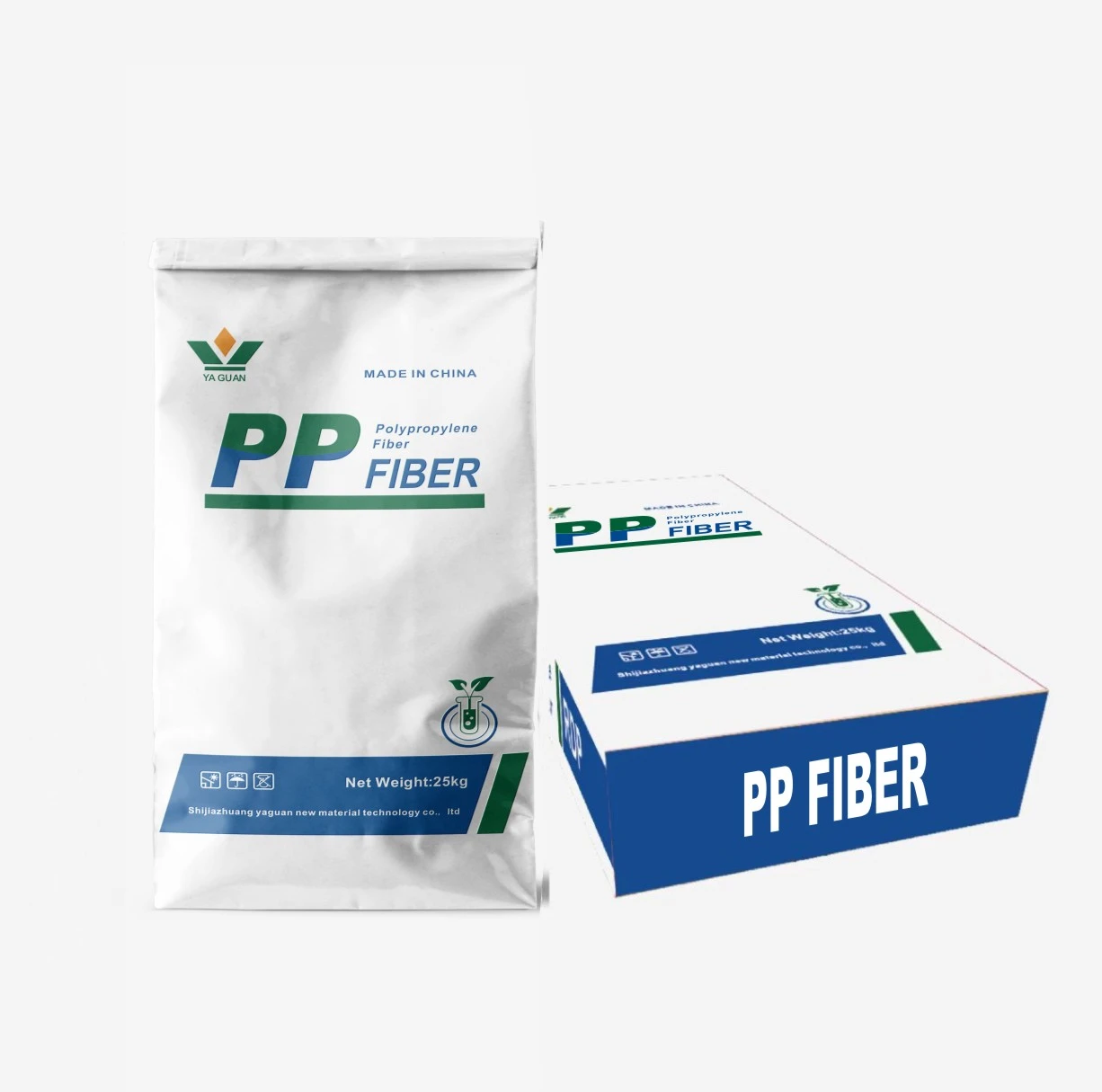

Understanding Fibrillated Polypropylene: A Global Perspective
If you've never heard of fibrillated polypropylene, don’t worry—you’re not alone. Yet, this fairly humble material quietly plays a starring role in industries ranging from construction and agriculture to disaster relief and environmental protection. Globally, its unique properties help solve serious problems in infrastructure durability, erosion control, and cost-effective reinforcement solutions. And, frankly, with growing calls for sustainability and resource efficiency, getting to know fibrillated polypropylene is increasingly essential. Why? Because understanding it can unlock new ways to build better products, protect communities, and innovate responsibly.
Mini Takeaway:
Fibrillated polypropylene’s reach is broad and growing, and grasping its benefits means tapping into a versatile, eco-conscious material with practical global relevance.
The Global Context: Why the World Needs Fibrillated Polypropylene
Globally, construction demand is projected to grow by roughly 3.7% yearly through 2030 according to the United Nations Environment Program (UNEP). Meanwhile, challenges like soil erosion, endangered infrastructure, and the urgent need for affordable building materials keep cropping up—particularly in developing regions. Enter fibrillated polypropylene: its strength and lightweight nature address many of these growing pains.
According to ISO standards on polymer reinforcing fibers (ISO 1798:2021), these fibers have become crucial to improving soil retention and increasing concrete durability without excessive cost or complexity. For NGOs or governments crafting emergency shelters or stabilizing agricultural soils, this fiber is a game changer.
Mini Takeaway:
With urban growth and climate challenges intensifying, fibrillated polypropylene stands out as a globally relevant solution that supports resilient, cost-effective infrastructure.
What Exactly Is Fibrillated Polypropylene?
Simply put, fibrillated polypropylene is a type of synthetic fiber made from polypropylene resin that’s “split” or fibrillated into thin mesh-like strands. Think of it like shredded paper but much stronger, lighter, and resistant to chemicals and moisture. This unique structure gives it excellent bonding properties within cement or soil matrices, allowing it to reinforce materials effectively.
Its link to modern industry lies in how it enhances durability and flexibility without bulky reinforcement like steel—which is critical where weight, cost, or corrosion resistance are factors. Humanitarian fields rely on it to manufacture low-cost, robust shelter systems and erosion-control fabrics, showing just how wide its impact reaches.
Mini Takeaway:
Fibrillated polypropylene’s simple yet clever structure turns it into an indispensable fiber for modern manufacturing and disaster recovery alike.
Key Attributes That Define Fibrillated Polypropylene
Durability
Because polypropylene resists moisture, chemical attack, and UV degradation, fibrillated fibers retain strength where natural fibers fail. They don’t rot or corrode, making them especially useful for outdoor or wet environments, like embankments or wastewater treatment.
Scalability
These fibers can be produced at large scale efficiently, meeting industrial demands while keeping costs manageable. That scalability means expanding uses from tiny household improvement projects to massive infrastructure works.
Cost Efficiency
Compared to steel or glass fibers, fibrillated polypropylene is budget-friendly—not just in initial purchase price but in long-term maintenance savings. This appeals to developing regions and projects stretching limited funds.
Sustainability
Being a thermoplastic polymer, polypropylene is partially recyclable, and advances in chemical recovery are improving its lifecycle footprint. Using fibrillated forms even reduces reliance on heavier reinforcements that consume more energy to produce and transport.
Enhanced Mechanical Performance
The fibrillated mesh improves tensile strength and crack resistance in concrete and soil, reducing failure rates and enhancing longevity of structures or treated land.
Mini Takeaway:
Combined, these characteristics make fibrillated polypropylene a smart choice for projects seeking long-lasting, efficient, and environmentally aware reinforcement solutions.
Global Applications and Real-World Examples
Around the world, you’ll find fibrillated polypropylene quietly hard at work in plenty of contexts. In Asia, it reinforces rural roads and earthen dams, while NGOs use it extensively in Africa for emergency tents and erosion barriers. In Europe, engineers incorporate it into high-performance concrete for bridges and tunnels; it even sees use in North American agricultural films to prevent soil degradation.
Oddly enough, one of the neatest uses is in post-disaster relief operations—where speedy deployment of durable shelters is critical. The fibers enable lightweight fabric shelters that withstand weather far better than traditional tarps.
| Property | Specification |
|---|---|
| Fiber Length | 6-12 mm (common range) |
| Diameter | 15-40 microns |
| Tensile Strength | >350 MPa |
| Melting Point | 160-170 °C |
| Density | 0.91 - 0.93 g/cm³ |
Advantages and Long-Term Value of Using Fibrillated Polypropylene
One key advantage is the material’s resilience combined with light weight, which reduces transport costs and carbon footprints. For communities or businesses, that can translate to savings and a better environmental profile—two things increasingly demanded by clients, investors, and regulators alike.
Think about safety, too. Fibers dispersed in concrete or soil mean fewer cracks, less collapse risk, and thus more secure homes and infrastructure. There’s an emotional component here: knowing those materials provide protection enhances trust and dignity for people, especially post-disaster.
Innovation doesn't stop — these fibers allow engineers to experiment creatively, using hybrid composites or designing modular systems, sparking new solutions for old problems.
Looking Forward: Trends and Innovations in the Polypropylene Fiber Space
The future is fascinating. We’re seeing increased integration of nanotechnology to boost fiber strength and environmental resistance. Plus, collaborations linking polymer science with sustainable forestry by blending polypropylene fibers with natural materials attempt to marry strength with biodegradability.
Digital tools now track material performance in real-time, helping predict maintenance needs and extend lifespan—making fibrillated polypropylene not just a raw material but part of smart, responsive systems. Policies encouraging circular economies nudge manufacturers toward recycling and upcycling polypropylene wastes.
Challenges & Clever Solutions
Despite its many perks, fibrillated polypropylene isn’t without drawbacks. For instance, it isn’t biodegradable in the traditional sense, raising concerns over microplastic pollution if not properly managed. Also, distribution in very remote areas can sometimes be tricky due to supply chain limits.
Yet, innovators respond with improved recycling processes, better fiber dispersion techniques, and local production hubs. Some companies partner with NGOs to build closed-loop supply chains, turning waste back into input—a neat bit of circular economy in action.
Vendor Comparison: A Quick Look at Leading Suppliers
| Supplier | Fiber Length Range (mm) | Custom Options | Lead Time | Sustainability Programs |
|---|---|---|---|---|
| Yaguan HPMC | 6-12 | Tailored mesh sizes, coatings | 2-3 weeks | Recycling & circular waste initiatives |
| FiberTech Solutions | 8-15 | Limited customization | 3-5 weeks | Basic recycling program |
| PolyFiber Inc. | 5-10 | Standard fibers only | 1-2 weeks | No current program |
FAQ: Your basic questions about fibrillated polypropylene answered
- Q: What makes fibrillated polypropylene superior to traditional fibers in concrete reinforcement?
A: Its mesh-like fibrillated structure provides excellent mechanical bonding and crack resistance, while remaining lightweight and corrosion-free, enhancing concrete durability without added bulk or cost. - Q: Can fibrillated polypropylene fibers be recycled after use?
A: Yes, polypropylene is recyclable, but the recycling process depends on collection and local facilities. Some producers, like Yaguan HPMC, have circular economy initiatives to improve reusability. - Q: How long do structures reinforced with fibrillated polypropylene typically last?
A: When incorporated properly, these fibers help increase lifespan by reducing cracks and structural degradation—often extending durability by 20-30% compared to unreinforced materials. - Q: Are there environmental concerns tied to use of polypropylene fibers?
A: While polypropylene is not biodegradable, responsible use and recycling programs mitigate microplastic pollution risks. Innovations continually improve environmental performance. - Q: How easy is it to source fibrillated polypropylene fibers internationally?
A: Many suppliers, including Yaguan HPMC, provide global shipping and customization options, often supporting NGOs and businesses in logistical planning.
Conclusion: Why Fibrillated Polypropylene Matters Long-Term
Over time, fibrillated polypropylene has evolved from a niche product to a cornerstone fiber that addresses diverse global challenges with practical elegance. Its combination of durability, affordability, and sustainable potential makes it an asset for anyone seeking to build stronger, smarter, and more resilient communities or products.
Curious to explore how fibrillated polypropylene can fit your needs? Visit our website and see concrete examples of innovation and quality firsthand.