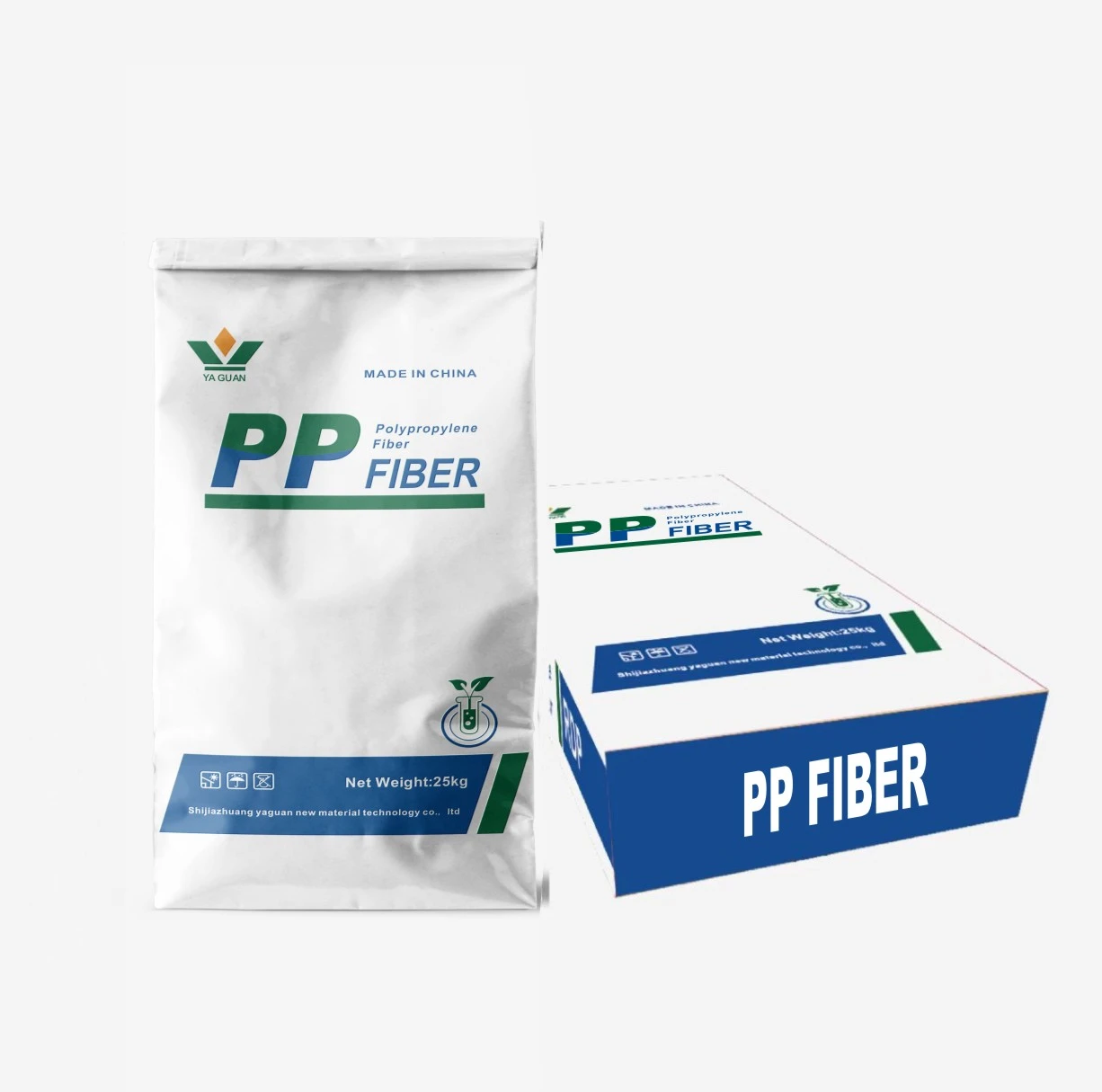

Fibrillated Polypropylene Fibers: The Unsung Heroes in Modern Construction
When you first hear fibrillated polypropylene fibers, the name might seem like a mouthful of science jargon – but these tiny fibers actually pack a serious punch in many industries worldwide. They’re pivotal in improving material strength, safety, and sustainability. As infrastructure projects scale up globally and the demand for stronger, lighter, and more efficient materials grows, understanding these fibers can unlock smarter building practices and much-needed resilience. So, what’s the big deal? Let’s unpack it together.
Why Fibrillated Polypropylene Fibers Matter Globally
Globally, construction and manufacturing industries are trying to keep pace with rapid urbanization and climate challenges. The UN estimates that nearly 70% of the world's population will be urban by 2050, meaning more demand for buildings, roads, and infrastructure that can withstand everything from extreme weather to heavy usage. Enter fibrillated polypropylene fibers: a reinforcement material that enhances concrete, mortars, and composites without adding heavyweight bulk or exorbitant costs.
These fibers help address perennial challenges like crack resistance and durability in concrete — issues that lead to costly repairs and safety risks. As many engineers observe, incorporating such fibers often means longer-lasting structures and less environmental impact.
Defining Fibrillated Polypropylene Fibers
Simply put, fibrillated polypropylene fibers are tiny, web-like polypropylene strands split into fine filaments — think of them as a microscopic mesh that can blend seamlessly into cement or other composite materials. Their unique fibrillated form means they bond well within a matrix without clumping, unlike some other fiber types. Because polypropylene is chemically resistant and lightweight, these fibers improve the tensile strength and control cracking without adding bulk or weight.
Technically, they are made from polypropylene resin through a fibrillation process, which creates millions of tiny fiber splits. This morphology translates into improved dispersion and a huge surface area for bonding inside construction mixes.
Key Characteristics of Fibrillated Polypropylene Fibers
Durability
One of the standout benefits is how these fibers enhance the lifespan of materials. They restrict micro-cracking caused by shrinkage or stress, preventing tiny fissures from becoming structural problems. This translates to concrete that lasts longer and requires less maintenance.
Cost Efficiency
Compared to traditional steel reinforcement or chemical admixtures, fibrillated fibers offer a cost-effective alternative, especially when factoring in reduced labor and maintenance over time. Although you pay slightly more upfront for fiber-mix concrete, the lifetime savings usually justify the investment.
Workability & Scalability
These fibers don’t interfere with mix workability, maintaining flow and finish quality. Plus, because polypropylene is widely produced, supply can meet demand worldwide, from small projects to largescale infrastructure.
Resistance to Corrosion and Chemicals
Polypropylene’s chemical inertness means fibers won’t rust or degrade in aggressive environments, a common pitfall with steel rebar.
Product Specification: Typical Fibrillated Polypropylene Fiber Features
| Property | Value | Units |
|---|---|---|
| Fiber Length | 6-12 | mm |
| Fiber Diameter | 40-60 | microns |
| Specific Gravity | 0.91 | - |
| Melting Point | 160-170 | °C |
| Tensile Strength | 350-550 | MPa |
| Typical Dosage | 0.5-2.0 | kg/m³ |
Global Applications & Industry Use Cases
The reach of fibrillated polypropylene fibers extends from urban skyscrapers in Asia to rural road construction in Africa. Globally, these fibers reinforce concrete slabs in airports and highways, reduce shrinkage cracking in precast panels, and reinforce spray-applied shotcrete in tunnels and mines.
In disaster relief zones, the fibers help build quick but sturdy shelters that resist weather impacts, thereby improving safety and dignity for displaced families. For instance, NGOs in Southeast Asia have been incorporating these fibers into building materials to speed up post-typhoon reconstruction.
Meanwhile, volcanic regions in South America use them extensively in tunnel linings where chemical resistance and tensile flexibility matter. Oddly enough, even high-performance sports surfaces and decorative concrete tiles now feature these fibers for enhanced durability.
Vendor Comparison: Leading Fibrillated Polypropylene Fiber Providers
| Vendor | Fiber Length (mm) | Tensile Strength (MPa) | Price Range (USD/ton) | Key Market |
|---|---|---|---|---|
| Yaguan HPMC | 8-12 | 400-500 | 1,200 - 1,600 | Global (Construction, Mining) |
| FiberTech Corp. | 6-10 | 350-450 | 1,000 - 1,400 | North America, Europe |
| PolyFiber Solutions | 10-15 | 450-550 | 1,300 - 1,700 | Asia, Australia |
Advantages & Long-Term Value of Using These Fibers
Putting it bluntly, fibrillated polypropylene fibers help you build smarter, safer, and greener. The cost savings over time come from fewer repairs, less downtime, and more reliable structures. Plus, because they’re synthetic, there’s less environmental damage compared to steel reinforcement, which requires mining and heavy energy to process.
There’s also a social side to these advantages: in disaster zones, improved material strength means sheltering vulnerable populations better. That sense of security and dignity matters, and it’s often overlooked behind technical specs.
What's Next? Future Trends & Innovations
The fiber industry isn’t standing still. Bio-based polypropylene alternatives are emerging — these add a sustainability twist to the already eco-friendlier profile of polypropylene fibers. Additive manufacturing (3D printing) is starting to incorporate fibers at a micro-level, potentially changing how we build from the ground up.
Automation and digital mix design software are evolving, too, so engineers can optimize fiber dosages precisely — avoiding waste, improving performance, and adapting to region-specific conditions. It’s a mix of high-tech meeting tried-and-true materials.
Challenges and How the Industry is Tackling Them
Despite the many upsides, there are challenges. Distribution can be inconsistent in emerging markets, and sometimes incorrect fiber dosages lead to poor results. Additionally, mixing equipment not optimized for fibrillated fibers can clump the fibers or damage their structure.
Industry experts commonly recommend training onsite teams and upgrading concrete mixers to handle fiber blends properly, plus strict quality control during production. Some companies are also developing pre-blended fiber additives to eliminate errors.
Frequently Asked Questions About Fibrillated Polypropylene Fibers
- Q: How do fibrillated polypropylene fibers prevent cracking in concrete?
A: Their fine, web-like structure distributes tensile stress evenly inside concrete mixes, controlling and limiting micro-cracks caused by shrinkage and temperature changes. - Q: Can these fibers replace steel reinforcement entirely?
A: They complement but usually don't replace steel rebar; fibrillated fibers improve crack control and durability but don't bear the same loads as steel reinforcement. - Q: Are fibrillated polypropylene fibers eco-friendly?
A: Polypropylene is a synthetic polymer but requires less energy than steel production. New bio-based polypropylene fibers are enhancing the environmental profile further. - Q: How should fibrillated fibers be added during mixing?
A: They should be dispersed evenly at the start of mixing in concrete or mortar to avoid clumping and ensure uniform fiber distribution. - Q: What industries benefit most from these fibers?
A: Construction, mining, infrastructure, and disaster-relief housing sectors particularly benefit due to the strength and longevity the fibers provide.
Wrapping Up: Why Invest in Fibrillated Polypropylene Fibers?
In real terms, integrating fibrillated polypropylene fibers into construction materials is more than a trend. It’s a practical solution addressing global urban growth, climate resilience, and cost efficiency. They support safer, longer-lasting buildings and infrastructure while contributing to sustainability goals — all qualities any forward-thinking engineer or project manager values.
Want to explore high-quality, reliable fibrillated polypropylene fibers for your next project? Visit Yaguan HPMC and discover their latest range designed for global needs.