
What Exactly is cas no 9004 65 3 and Why Should You Care?
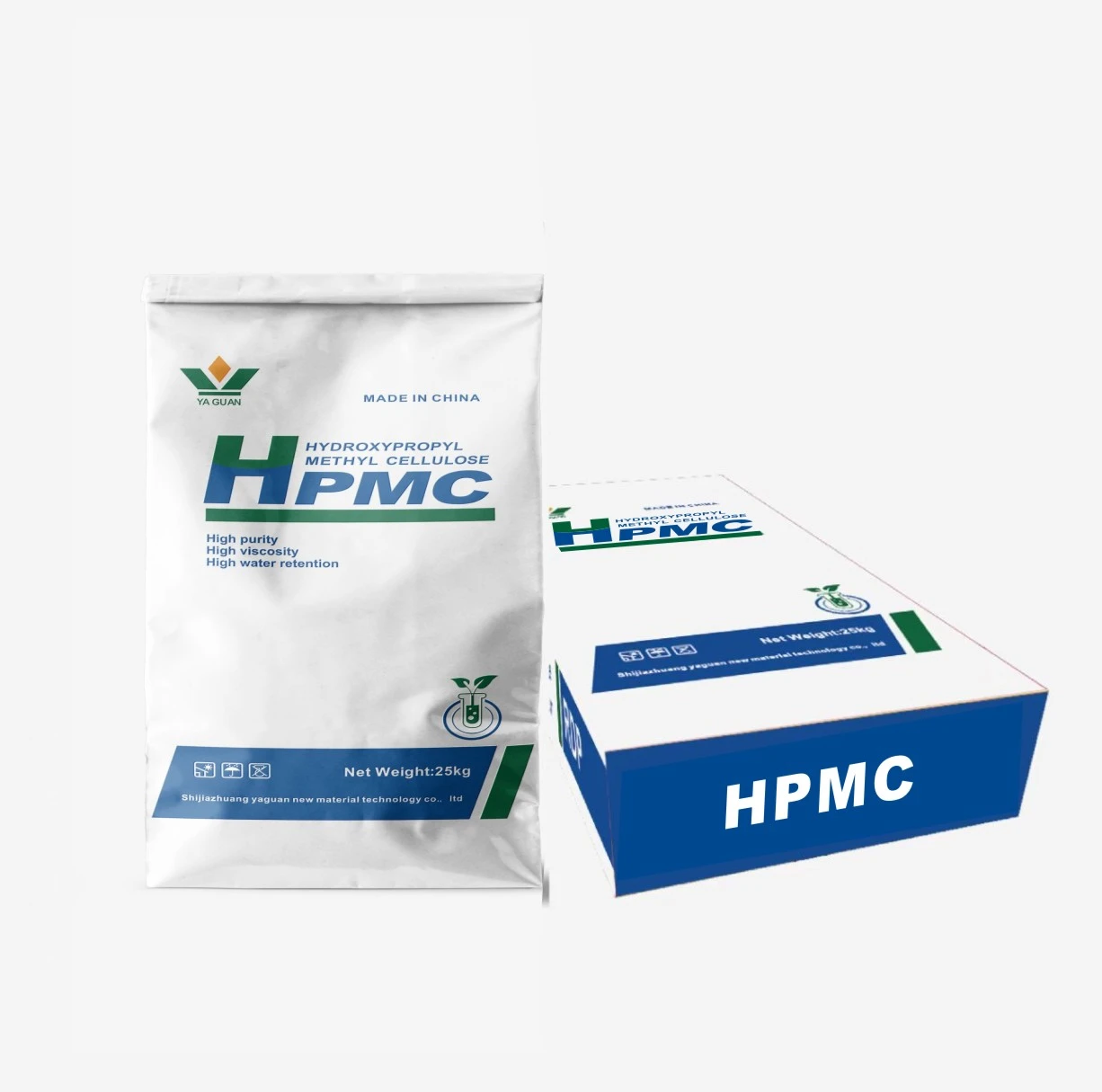
First off, let’s get this out of the way: cas no 9004 65 3 refers to Hydroxypropyl Methylcellulose (HPMC), a versatile chemical additive widely used in industries ranging from construction to pharmaceuticals. Now, why does it matter? Globally, this compound powers everything from thickening paint to improving drug delivery, making it a quiet backbone in countless daily products. Understanding it means tapping into a world of industrial innovation and sustainable solutions.
It’s one of those things many don’t realize they encounter daily, yet its global relevance is undeniable. Whether you live in New York or Nairobi, chances are good that cas no 9004 65 3 plays a role in the products you use, or indirectly contributes to better infrastructure and health systems.
The Global Context Behind cas no 9004 65 3
Industrial growth and urbanization have been skyrocketing worldwide, forcing manufacturers and builders to seek additives that boost performance and sustainability. According to the International Organization for Standardization (ISO) and the World Bank, global construction spending topped $12 trillion in recent years — a staggering figure that underlines the need for reliable, efficient materials like those containing Hydroxypropyl Methylcellulose.
Yet challenges remain. Quality control, environmental impact, and cost-effectiveness pose barriers. That’s where cas no 9004 65 3 steps in: as a multipurpose additive, it helps tackle these issues, whether by enhancing workability in cement mixtures or stabilizing emulsions in pharmaceutical creams.
Mini takeaway:
The broad industrial demand for cas no 9004 65 3 underscores its critical role in global development and sustainability efforts.
Understanding cas no 9004 65 3: The Basics
Put simply, cas no 9004 65 3 is a cellulose ether derived from cellulose, the structural fiber of plants. By chemically modifying cellulose with hydroxypropyl and methyl groups, manufacturers create a compound that dissolves easily in water and can modify texture, viscosity, and film-forming properties.
In practical terms, it means cas no 9004 65 3 turns runny liquids into creamy, stable mixtures. Imagine thickening a wallpaper paste so it glides on smoothly and doesn’t drip — that’s part of its magic, applied widely in modern industries.
Its non-toxic nature and biodegradability make it attractive in sectors like food, pharmaceuticals, and environmentally conscious construction materials. For humanitarian aid, it means safer construction products or medicines that are accessible and reliable.
Mini takeaway:
A cellulose-based additive, cas no 9004 65 3 is both naturally derived and industrially vital for texture and stability improvements.
Core Components Behind cas no 9004 65 3’s Functionality
Durability & Stability
Hydroxypropyl Methylcellulose enhances the durability of materials by controlling water retention and preventing cracking, a lifesaver in cement and plaster applications. Many engineers say its stabilizing effect extends the lifespan of coatings and allows structures to better endure environmental stress.
Viscosity Control
In paints, cosmetics, and pharmaceuticals, adjusting thickness is key. cas no 9004 65 3 helps create perfect flow dynamics for easy application and spread. Oddly enough, it manages to be thick yet smooth, which is a balancing act not all additives can pull off.
Adhesion Enhancement
Thanks to its polymeric nature, it improves the bonding strength between different materials. In industrial adhesives or interior wall plasters, this translates to fewer failures and a more secure finish.
Non-Toxic & Environmentally Friendly
Biodegradability and low toxicity make cas no 9004 65 3 a favorite for eco-conscious product developers, which is increasingly important for certifications and regulations around the world.
Temperature Tolerance
Its chemical structure allows it to keep properties stable under varying temperatures, which is why it’s trusted from freezing cold labs to sweltering construction sites.
Mini takeaway:
Its multifaceted properties enable cas no 9004 65 3 to serve in diverse roles, from thickener to stabilizer, with sustainability baked in.
Global Applications and Industry Use Cases
The real story lies in where and how cas no 9004 65 3 is used. From Asia’s booming construction in megacities to Europe’s pharmaceutical manufacturing hubs, this chemical is quietly indispensable.
- Construction Sector: In mortars, tile adhesives, and plasters, it improves workability and enhances durability. This is particularly important in developing urban areas where infrastructure must be both affordable and lasting.
- Pharmaceuticals: Acts as a binder and controlled-release agent in tablets, assuring precise dosage and patient safety worldwide.
- Food Industry: Used as a thickener and stabilizer in gluten-free products, an area growing rapidly due to changing diets.
- Cosmetics: Offers smooth texture and moisture retention in creams and lotions sold globally.
- Disaster Relief: In post-disaster housing, specially formulated plasters with cas no 9004 65 3 ensure fast setting and crack resistance, which can be crucial in saving lives and rebuilding communities.
Mini takeaway:
Far from a niche additive, cas no 9004 65 3 is a global enabler for industries critical to modern life.
Advantages of Using cas no 9004 65 3 in Your Products
What really stands out is its combination of economy and ecological responsibility. Users report reduced material waste due to improved product consistency, which translates into tangible savings — and less environmental footprint.
On a more human level, it contributes to safer medicines and more reliable infrastructure. Trust and dignity in product quality often come down to small details — like the presence of a reliable stabilizer to keep things from failing unexpectedly.
| Property | Value / Range | Notes |
|---|---|---|
| Appearance | White to off-white powder | Fine particle size for solubility |
| Moisture Content | Critical for stability | |
| pH (1% solution) | 6.0 – 8.0 | Near neutral, safe for many uses |
| Viscosity (2% solution) | 1000 – 4000 mPa·s | Adjustable by grade |
| Solubility | Cold water soluble | Enables easy blending |
| Shelf Life | 2 years (dry, sealed) | Standard storage advised |
Leading Vendors of cas no 9004 65 3: A Quick Comparison
| Vendor | Product Range | Quality Certifications | Global Reach | Pricing |
|---|---|---|---|---|
| Vendor A | Standard & Custom Grades | ISO 9001, GMP | North America, Europe, Asia | Mid to High |
| Vendor B | Eco-Friendly Specialties | ISO 14001, FDA Approved | Global (including Africa) | Competitive |
| Vendor C | Bulk Industrial Supply | ISO 9001 Certified | Asia-Pacific Focus | Economical |
Looking Ahead: Future Trends in cas no 9004 65 3 Applications
Innovation is never far off. There’s growing research into bio-based, fully sustainable cellulose derivatives targeting carbon footprint reduction. Digital transformation in manufacturing lends to smart quality monitoring of HPMC production — reducing waste and improving batch consistency.
Regulatory shifts favor greener ingredients, nudging sectors like construction and cosmetics to adopt formulations with cas no 9004 65 3 that meet stricter environmental standards. Also, new grades focused on improved compatibility with polymers and nanomaterials are making their debut, opening fresh doors for materials science.
Common Challenges and How the Industry Is Responding
Despite its versatility, cas no 9004 65 3 sometimes faces hurdles such as sensitivity to extreme pH or temperature conditions outside typical ranges, which can limit some applications. Handling and dispersion require expertise to avoid clumping in formulations — a detail many overlook until it causes headaches on site.
Producers have tackled these through advance micronization, better dispersing agents, and improved quality control systems informed by digital tracking. The concept of "tailored" HPMC blends for specific industrial niches is increasingly mainstream — which helps circumvent many early pitfalls.
FAQ: Your Questions About cas no 9004 65 3 Answered
Q1: What makes cas no 9004 65 3 superior to other thickening agents in construction?
A1: Its high stability, low toxicity, and water retention capabilities set it apart. Unlike synthetic polymers, cas no 9004 65 3 is biodegradable and provides better crack resistance in cement mixes, making building materials last longer and safer.
Q2: How long does a product containing cas no 9004 65 3 typically last?
A2: When stored properly, formulations using cas no 9004 65 3 can remain stable for years — typically 2 years or more for powders in sealed conditions. In applications like pharmaceuticals, it helps preserve active ingredients for their intended shelf life, sometimes exceeding standard requirements.
Q3: Is cas no 9004 65 3 environmentally safe?
A3: Yes. Derived from natural cellulose and fully biodegradable, it poses minimal environmental risk. Many products containing cas no 9004 65 3 meet international eco-labels, aligning with growing green standards worldwide.
Q4: Can NGOs import cas no 9004 65 3 easily for humanitarian projects?
A4: Generally yes. Since it’s classified as a non-hazardous chemical, customs clearance is straightforward. However, due diligence around supplier certifications and compliance with local regulations is recommended before shipment.
Wrapping Up: Why cas no 9004 65 3 Matters for the Long Term
So, here we are—cas no 9004 65 3 isn’t just some obscure chemical. It’s a cornerstone additive powering more sustainable, durable, and innovative products globally. From helping build the homes we live in to ensuring the pills we trust, it’s quietly making a huge impact.
Looking for reliable sources or interested in bulk procurement? Visit our website https://www.yaguanhpmc.com for detailed information, certifications, and personalized support.
Final mini takeaway:
Harnessing the power of cas no 9004 65 3 today means stepping into a future of smarter, greener, and safer industrial solutions.