
Understanding HPMC 9004 65 3: What It Is and Why It Matters Globally
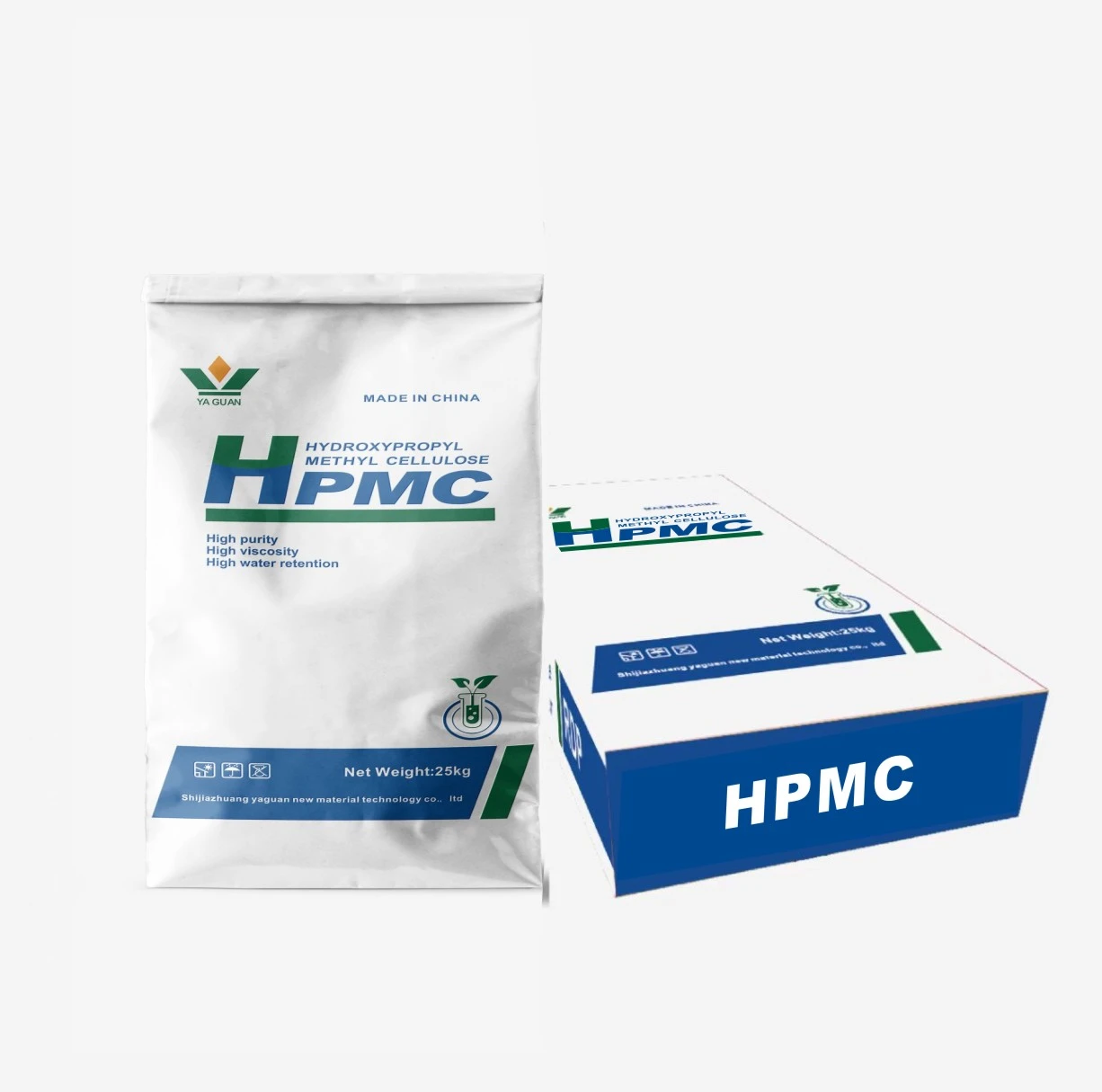
If you’ve ever peeked into the world of cellulose derivatives, you might have bumped into HPMC 9004 65 3. It sounds like a cryptic code, but it’s actually a common abbreviation for hydroxypropyl methylcellulose, referenced with that specific Chemical Abstracts Service number. Why should you care? Well, this polymer plays a surprisingly vital role in industries worldwide—from construction to pharmaceuticals—and even links to global sustainability efforts.
HPMC is a versatile raw material helping products perform better, last longer, and reduce environmental impact. The deeper you understand it, the more you see how it quietly powers innovation and quality control in sectors that touch everyday life and crisis response alike.
The Global Importance of HPMC 9004 65 3
To appreciate the true breadth of hpmc 9004 65 3, consider the worldwide scope of cellulose derivatives. According to ISO standards and the United Nations, sustainable materials that reduce reliance on fossil-fuel-based products are in high demand.
Hydroxypropyl methylcellulose fits in perfectly because it replaces risky additives and boosts material stability. For example, in construction, it improves mortar workability and shelf life, which is crucial in developing regions where building materials need to endure stress and harsh climates. In pharmaceuticals, it forms reliable controlled-release capsules, which ties directly into global healthcare goals outlined by the World Bank.
However, challenges persist—like optimizing the polymer’s source materials to keep it eco-friendly without hiking prices. As industries and governments push for greener policies, understanding this polymer’s role helps address those hurdles head-on.
What Exactly Is HPMC 9004 65 3?
Simplifying things, HPMC 9004 65 3 stands for hydroxypropyl methylcellulose, a chemically modified cellulose polymer. Cellulose, as you probably recall from school, is the structural carbohydrate in plants—but on its own, it’s not so useful industrially. Chemists attach hydroxypropyl and methyl functional groups to turn it into a water-soluble, film-forming agent with excellent thickening, emulsifying, and binding properties.
What’s neat is that HPMC wears many hats. Whether it’s in a cement mix to delay drying times or in a cosmetic cream to stabilise textures, this polymer adapts thanks to its unique structure—kind of like a Swiss Army knife made from plants.
Core Components & Aspects of HPMC 9004 65 3
1. Durability
One reason many engineers swear by HPMC 9004 65 3 is that it adds longevity to products. In building materials, it prevents cracking and water penetration, holding mixes together during tough weather conditions. You get structures that last longer, which is vital in regions where rebuilding is expensive or slow.
2. Water Retention
This polymer excels at retaining moisture, which is invaluable during construction processes or in cosmetics where hydration keeps things functional. In practical terms, it means better curing of concrete and richer, longer-lasting moisturizers.
3. Biodegradability
HPMC isn’t just effective—it’s also environmentally friendly. Unlike many synthetic polymers, it’s biodegradable, breaking down relatively safely in the environment, which aligns well with circular economy goals.
4. Versatility
It’s used across food, pharma, construction, and personal care because it works as a binder, thickener, stabilizer, and emulsifier. This versatility opens doors to innovation and cost savings.
5. Safety & Non-Toxicity
HPMC’s safety profile is excellent—approved by agencies like the FDA for food and drug applications. That translates into consumer trust and fewer regulatory headaches for manufacturers.
Product Specifications at a Glance
| Specification | Details |
|---|---|
| Chemical Name | Hydroxypropyl Methylcellulose |
| CAS Number | 9004-65-3 |
| Appearance | White to off-white powder |
| Solubility | Water-soluble, cold water |
| Viscosity Range | 50 – 100,000 mPa·s |
| pH (1% solution) | 5.0 – 8.0 |
| Typical Uses | Pharma, Construction, Food, Personal Care |
How HPMC 9004 65 3 Is Used Globally: Real-World Examples
In real terms, manufacturers and NGOs find many innovative ways to apply HPMC 9004 65 3. For instance:
- Post-disaster relief operations: Mortars enhanced with HPMC cure better and last longer, crucial for rapidly rebuilding after earthquakes in Asia or floods in Europe.
- Pharmaceuticals in developing countries: HPMC capsules provide controlled drug release, improving treatment outcomes especially where complex refrigeration is unreliable.
- Food industry in Europe and North America: It stabilizes bakery products and sauces, improving shelf life and texture without artificial chemicals.
- Cosmetics brands worldwide: Leveraging HPMC’s moisture retaining properties to boost natural formulations without synthetic thickeners.
Roughly, it’s a behind-the-scenes hero, powering industries from local factories to multinational aid organizations.
Advantages and Long-Term Value of HPMC 9004 65 3
If we list the benefits, the advantages get quite compelling:
- Cost Efficiency: Extending product life reduces replacement and maintenance expenses.
- Sustainability: Derived from plants, biodegradable, and helps reduce chemical waste.
- Safety & Reliability: Approved for food & pharma, lowering regulatory risk.
- Social Impact: Supports affordable housing and effective medicine delivery in underserved areas.
For manufacturers and end-users, it offers not just a product upgrade but peace of mind and innovation credibility—a win-win that speaks both to logic and the desire for responsible choices.
Emerging Trends and Innovations
Looking ahead, I find it fascinating how HPMC 9004 65 3 is evolving alongside green tech and automation. Companies invest in bio-based feedstocks to produce even greener polymer batches. Automation in manufacturing ensures consistent viscosity grades, which means better process control and product quality.
There’s also a growing push to blend HPMC with nanomaterials to enhance barrier properties in food packaging or add antimicrobial benefits in pharmaceuticals—a truly exciting frontier of multifunctional materials.
Key Industry Vendors Compared
| Vendor | Product Range | Viscosity Grades | Global Reach | Price Range (USD/kg) |
|---|---|---|---|---|
| Vendor A | Standard & Customized HPMC | 100 – 100,000 mPa·s | Asia, Europe, Americas | 3.0 – 7.5 |
| Vendor B | Pharma Grade & Food Safe | 50 – 50,000 mPa·s | Europe, North America | 4.5 – 8.0 |
| Vendor C | Eco-Friendly Variants | 200 – 150,000 mPa·s | Global | 5.0 – 9.0 |
Challenges and How to Overcome Them
No material is perfect, and HPMC 9004 65 3 has its quirks. Finding steady, sustainable cellulose sources can be tricky, especially in supply chains hit by geopolitical or climate disruptions. Also, achieving consistent viscosity across batches demands tight process controls.
Innovators address these issues by investing in cellulose recycling technologies and improving quality monitoring through inline sensors. As a result, product consistency and sustainability improve, ensuring reliable availability for global customers—an evolving story worth watching.
FAQs About HPMC 9004 65 3
Q1: What makes HPMC different from other cellulose ethers?
A1: HPMC combines excellent water solubility, film-forming ability, and thermal gelation properties, unlike some cellulose ethers that may degrade under heat. This balance makes it uniquely flexible for applications across pharma and construction.
Q2: Can HPMC 9004 65 3 be considered environmentally safe?
A2: Yes, it’s biodegradable and derived from renewable plant sources. It’s a preferred choice where sustainability and regulatory compliance are priorities, especially compared to synthetic polymers.
Q3: How does HPMC improve pharmaceutical capsules?
A3: It controls drug release rates by forming protective films, ensuring the medicine dissolves at the right time and place in the body, improving efficacy and patient comfort.
Q4: Is HPMC suitable for use in hot climates?
A4: While HPMC is generally stable, its water retention effect means formulations might require adaptation for extremely hot or dry environments—but custom viscosity grades help manufacturers tailor performance.
Q5: How can companies source HPMC 9004 65 3 internationally?
A5: Partnering with reputable vendors (like those listed above) and ensuring clear import/export documentation are key. Many suppliers offer support navigating regulatory barriers to streamline cross-border logistics.
Conclusion
In the end, hpmc 9004 65 3 is more than chemistry jargon—it’s a cornerstone for industries striving to be more sustainable, effective, and innovative. Whether you’re patching a building in a disaster zone or crafting a safer pharmaceutical, this polymer fits right in. Curious to explore what it can do for your projects? Visit https://www.yaguanhpmc.com and dive into the possibilities.