
What Is Hypromellose CAS and Why It Matters Globally
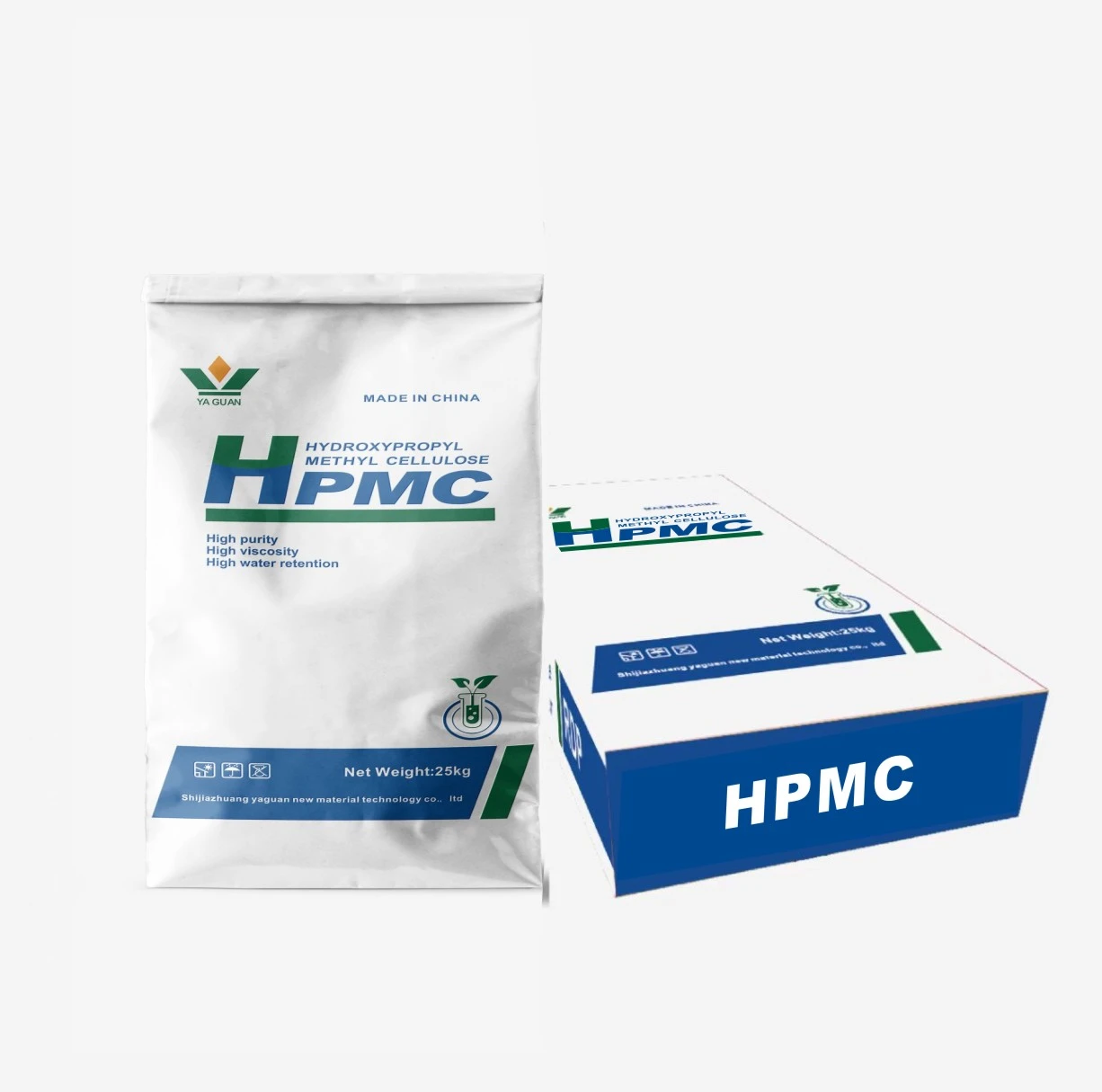
Hypromellose CAS — you've probably come across that term tucked away somewhere between chemical datasheets and pharmaceutical labels. But why does it matter on a global scale? Well, this chemical compound, formally known as Hydroxypropyl methylcellulose, acts as a versatile, practically magical polymer found in countless industries worldwide, from medical capsules to construction materials.
Its significance is underscored by rising demands for sustainable, safe, and reliable excipients and binders. Globally, the pharmaceutical market alone was valued at over $1.4 trillion in 2023, with excipients like hypromellose playing a critical role in drug formulation. Understanding hypromellose CAS is key not only to grasping modern manufacturing but also realizing how it shapes biotechnology, food science, and even environmental solutions.
Mini takeaway: Hypromellose CAS’s global importance stems from its multifunctionality and strong role in emerging sectors, making it a lynchpin in innovation and manufacturing integrity.
Introduction: The Global Context of Hypromellose CAS
If you scan global chemical production figures from agencies like ISO or the United Nations, you'll notice cellulose derivatives—as hypromellose is one among them—constitute a surprisingly large chunk. The surge in demand for plant-based, biodegradable polymers coincides with environmental policies and the pharmaceutical industry's crackdown on synthetic excipients.
Still, there's a bottleneck. Quality assurance and supply chain consistency often challenge manufacturers, especially in emerging economies that lean heavily on imported raw materials. This is where understanding the nuances of the hypromellose CAS—including its properties, grades, and formulation impact—becomes a vital competitive advantage.
Mini takeaway: While the market demand is growing, supply and quality dynamics mean firms must strategically source and deploy hypromellose CAS to stay ahead.
What Is Hypromellose CAS? Defining the Compound Simply
In plain terms, hypromellose CAS is a cellulose derivative, chemically crafted by modifying natural cellulose from wood pulp or cotton. The 'CAS' number is a unique identifier (CAS 9004-65-3), allowing scientists and industries worldwide to pinpoint exactly which substance they're sourcing.
Why does the chemistry matter? It’s because hypromellose acts as a thickener, stabilizer, binder, or film former — qualities sought after in pharmaceuticals (think coatings on pills), food products (as stabilizing agents), and construction materials (like drywall adhesives). Humanitarian needs also benefit — for instance, in slow-release medical formulations or edible films in resource-limited settings.
Mini takeaway: Essentially, hypromellose CAS is a versatile, natural polymer adapted by chemistry to solve complex formulation challenges across industries.
Core Components and Key Properties of Hypromellose CAS
1. Viscosity Control
The viscosity profile is crucial in defining how a hypromellose grade behaves when dissolved in water or mixed into products. Pharmaceutical engineers depend on precise viscosity control for capsule shell manufacturing.
2. Film-Forming Ability
Imagine coating that perfectly wraps a pill — that's the film-forming magic of hypromellose. Strong yet flexible, it helps medicines dissolve at the right place and time in the body.
3. Chemical Stability
Remarkably stable under varying pH and temperature, hypromellose resists degradation, making it suitable for wide-ranging environments, including tropical climates where storage conditions aren’t ideal.
4. Non-Toxic and Biocompatible
Since it’s derived from natural cellulose and modified without harsh chemicals, hypromellose is considered safe for ingestion and topical use, a factor critical in food and pharma applications.
5. Solubility & Compatibility
Dissolving readily in cold water without gel formation, hypromellose integrates smoothly into diverse formulations, from eye drops to industrial adhesives.
Mini takeaway: Understanding these technical characteristics helps formulators tailor the perfect product–because not all hypromellose samples are created equal.
Global Applications and Real-World Use Cases
Where exactly do we find hypromellose CAS making an impact?
- Pharmaceutical Industry: It’s a superstar in oral drug delivery, stabilizing suspensions, controlled-release tablets, and as a vegetarian capsule shell alternative to gelatin.
- Food Sector: Used as a thickener, emulsifier, and stabilizer in sauces, bakery products, and even low-fat ice cream.
- Construction Materials: Hypromellose improves workability and water retention in cement, mortar, and plaster.
- Cosmetics: Enhancing texture and moisture retention in creams and lotions.
- Humanitarian Aid: In post-disaster relief operations, it enables extended shelf-life oral rehydration salts and slow-release nutritional supplements.
Oddly enough, regions like Southeast Asia and Europe lead production, but demand spikes in North America and Africa where robust supply chains are still developing.
Mini takeaway: Hypromellose CAS is everywhere — quietly supporting industries in ways many don’t notice, yet heavily relying on stable global trade.
Advantages and Long-Term Value of Hypromellose CAS
One obvious plus: hypromellose is sustainable, bio-based, and relatively easy to source compared to synthetic polymers. Cost-wise, it balances affordability with premium-quality performance, ideal for manufacturers optimizing margins.
On a social level, formulations made possible with hypromellose contribute to patient safety—reliable drug coatings mean medicines work as intended, improving health outcomes. There's a kindness aspect here: preserving dignity and hope through better technology.
Many engineers say it’s the glue holding together innovation in multiple disciplines, trusted not just for stability but also scalability.
Hypromellose CAS: Future Trends & Innovation
The industry isn’t standing still. Researchers explore greener production methods that lower carbon footprints. Digital transformation means tighter control over viscosity and quality with AI monitoring, ensuring each batch meets exacting standards.
Hypromellose blends with nanomaterials to create advanced smart delivery systems — imagine pills that release drugs only when triggered by body temperature. Automation and continuous manufacturing processes are reshaping cost structures, helping make medicines more affordable worldwide.
Sustainability policies will likely push firms to increase the biopolymer content in formulations, which means hypromellose CAS demand is projected to grow steadily well into the 2030s.
Challenges and Solutions in Working with Hypromellose
Despite the positives, some hurdles persist. Variability in raw cellulose sources can cause batch inconsistencies. High humidity during storage might degrade certain grades. Supply chain disruptions can lead to shortages, especially during global crises.
Expert formulators tackle these by insisting on ISO-certified suppliers, using real-time inline quality control technology, and formulating with buffer excipients for stability. Diversifying supplier bases across continents is also a smart move—hedging risk while boosting innovation.
Mini takeaway: Challenges exist, but forward-thinking approaches and technological advances mean these are manageable, not dealbreakers.
Frequently Asked Questions About Hypromellose CAS
- Q: What makes hypromellose CAS suitable for pharmaceutical capsules?
- A: Its film-forming ability, chemical stability, and biocompatibility make hypromellose ideal as a vegetarian capsule shell, offering an alternative to gelatin with consistent release profiles and safe digestion.
- Q: Can hypromellose be used in food products safely?
- Absolutely. It’s FDA-approved as a food additive, helping stabilize and thicken products without affecting taste or texture, with no known allergenic effects.
- Q: How does hypromellose CAS improve construction materials?
- It enhances water retention and workability of mortars and plasters, leading to better adhesion and longer setting times, which is especially helpful in humid or hot climates.
- Q: Where can manufacturers source reliable hypromellose CAS?
- There are multiple vendors globally, but sourcing from ISO-certified suppliers with full traceability is key. It's worth checking hypromellose cas suppliers who also provide technical support.
- Q: Are there eco-friendly production methods for hypromellose?
- Yes, manufacturers increasingly use renewable cellulose sources and green chemistry techniques reducing waste and energy use, aligning with sustainability goals.
Hypromellose CAS Specifications and Vendor Comparison
| Specification | Typical Value | Unit | Notes |
|---|---|---|---|
| CAS Number | 9004-65-3 | - | Unique Chemical Identifier |
| Substitution Degree (Methoxy) | 19-30% | Percent | Affects solubility |
| Viscosity (2% solution at 20°C) | 100–2000 | mPa·s | Grade dependent |
| Moisture Content | Percent | Ensures stability | |
| pH (1% aqueous solution) | 5.5–8.0 | - | Neutral to mild alkalinity |
| Vendor | Key Strengths | Certifications | Typical Lead Time | Regional Focus |
|---|---|---|---|---|
| Yaguan Chemicals | High-purity grades, custom formulation support | ISO 9001, GMP | 2-3 weeks | Asia, Europe |
| CelluSolutions Inc. | Wide viscosity range, eco-friendly sourcing | FDA Approved, ISO 14001 | 3-4 weeks | North America, South America |
| GreenPolymer Ltd. | Sustainable production, flexible MOQ | REACH, GMP | 1-2 weeks | Europe, Africa |
Conclusion: Why Hypromellose CAS Deserves Your Attention
Hypromellose CAS isn’t just another chemical compound on a label—it’s a cornerstone of modern industry, quietly underpinning everything from medicines that heal to foods that delight. As global supply chains evolve and sustainability demands tighten, knowing your way around hypromellose, its properties, and sources will pay dividends.
For anyone seeking reliable, quality-assured supplies or deeper technical insight, a visit to https://www.yaguanhpmc.com is worth your time. Whether you’re formulating the next breakthrough drug or crafting eco-conscious construction materials, understanding hypromellose CAS puts you on solid ground.