
Understanding Hypromellose CAS No: A Global Perspective
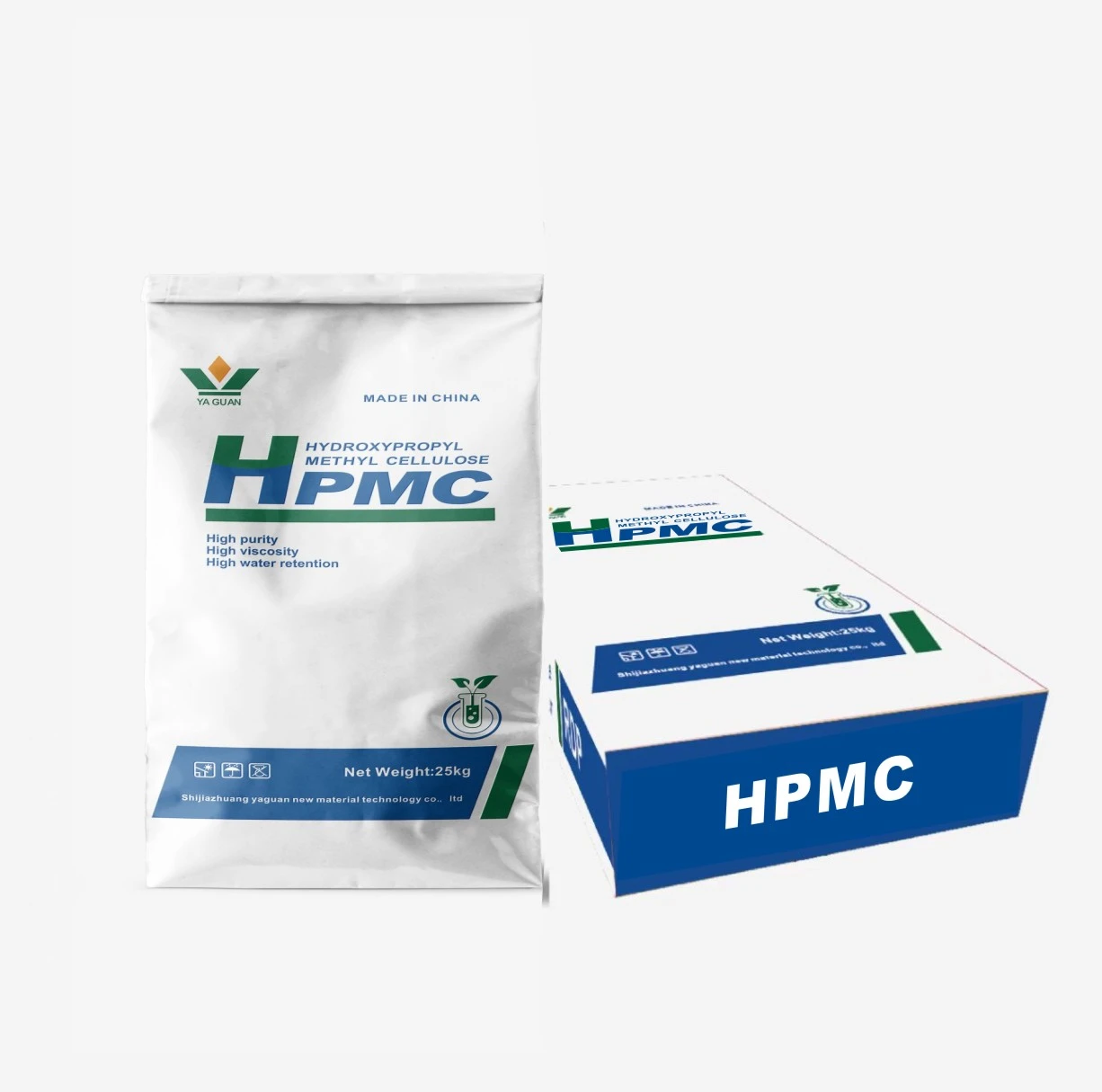
Hypromellose CAS No (Chemical Abstracts Service Number) is a critical identifier for a substance commonly known as hydroxypropyl methylcellulose (HPMC). You might have encountered HPMC in everyday items, from pharmaceutical capsules to construction materials, but its unique properties make it indispensable worldwide. The global demand for such materials is tied tightly to industries prioritizing sustainability, safety, and efficiency.
Here’s a quick overview: Hypromellose acts as a versatile polymer used primarily as a thickener, emulsifier, and film former. It’s no wonder that understanding its CAS number is essential for anyone dealing with chemical registrations, supply chains, or regulatory compliance.
In an era increasingly focused on chemical transparency and safety standards (think ISO certifications and UN transport regulations), knowing the hypromellose CAS no serves as a foundational step for manufacturers and distributors alike.
| Property | Value/Range | Unit / Notes |
|---|---|---|
| CAS Number | 9004-65-3 | |
| Appearance | White to off-white powder | |
| Solubility | Water-soluble | |
| Viscosity (2% solution) | 10–4000 mPa·s | Depending on grade |
| pH (2% solution) | 5.0–8.0 |
Why Hypromellose CAS No Matters Globally
Let’s be honest — chemical substances without a proper CAS number can quickly become a headache for anyone trying to track or classify them internationally. The hypromellose CAS no of 9004-65-3 is well recognized across regulatory and industrial domains, allowing smoother trade, safety assessments, and environmental evaluations.
To give you a sense of scale, the hydroxypropyl methylcellulose market was valued at over USD 600 million globally in recent years, largely driven by pharmaceutical, food, and construction industries (according to some market reports you can find online).
Still, with rising concern about pollution and chemical transparency, having a standardized identifier like the CAS number means companies can avoid messy mislabeling, and regulators can enforce safety guidelines more effectively.
In fact, agencies like ISO and UN’s Globally Harmonized System of Classification and Labelling of Chemicals (GHS) rely heavily on CAS numbers to ensure global consistency. For manufacturers exporting hypromellose-based products, this is often the difference between smooth customs clearance and costly delays.
Mini Takeaway
To sum up—knowing the hypromellose CAS no isn’t just a technical detail. It’s a core part of global chemical communication, impacting trade, regulation, and trust.
Breaking Down Hypromellose: Definition and Industrial Role
Hypromellose, essentially hydroxypropyl methylcellulose, is a semi-synthetic polymer derived from cellulose — plant fiber, the building block of all sorts of natural materials. By chemically modifying cellulose with methyl and hydroxypropyl groups, it gains water solubility and film-forming abilities that plain cellulose doesn’t have.
Industries prize this because HPMC is non-toxic, biocompatible, and chemically stable. It acts as an excipient in drug formulations, forms clear films in food coatings, and even serves as an additive for cement and plaster.
This blend of natural origin and clever chemistry secures hypromellose’s place not only in laboratories but in real-world solutions for health, construction, and beyond.
Core Components and Key Attributes
1. Versatile Viscosity Control
Hypromellose grades differ mainly by viscosity. Lower grades offer light consistency and better flow; higher grades thicken solutions substantially. This is essential because whether you’re creating a capsule shell or thickening tile adhesive, controlling the consistency directly impacts product performance and workability.
2. Film-Forming Properties
The polymer forms tacky, transparent films once dried. For pharma, this means capsules that protect medicine until ingestion. In construction, it gives coatings adherence and water resistance. The film is flexible, not brittle, which raises durability.
3. Non-toxicity and Biocompatibility
Hypromellose’s safety profile is huge. Tested extensively, it’s inert in the body and environment — vital for pharmaceuticals and food-grade applications. Chemical inertness also explains its wide approval by regulatory bodies worldwide.
4. Water Solubility and Stability
Interestingly, hypromellose dissolves in cold water but not in hot, allowing it to act uniquely in formulations that need gradual release or texture changes. Its stability in various pH environments enhances its versatility.
Real-World Applications and Global Use Cases
It feels almost like Hypromellose is everywhere, and in a sense, it truly is:
- Pharmaceuticals: Used extensively for encapsulating tablets and pills; reliable binding agent that impacts drug release.
- Food Industry: A vegan alternative to gelatin in coatings and emulsifiers.
- Construction: Improves mortar workability, water retention, and adhesion. Often used in tile adhesives in Asia and Europe.
- Cosmetics: Stabilizes creams and lotions, giving a smooth texture.
NGOs and humanitarian organizations also depend on certified ingredients like those identified by the hypromellose CAS no when they supply medicine or shelters in emergency zones. For example, in remote industrial sites in Africa or post-disaster rebuilding in Southeast Asia, hypromellose-containing materials offer both performance and safe compliance.
Mini Takeaway
From pharma labs in Germany to tile factories in China, this chemical's global footprint underlines the importance of knowing its CAS number.
Advantages That Stand the Test of Time
Why pick hypromellose? There’s a handful of reasons:
- Cost-Effective: Being derived mostly from cellulose means raw material is accessible and affordable worldwide.
- Sustainable: It’s plant-based and biodegradable, which ticks the environmental box better than many synthetics.
- Reliable Performance: Consistency in film quality and viscosity means manufacturers can trust their outputs.
- Safe & Approved: Accepted globally by FDA, EMA, and others for human use.
It’s also comforting to know that materials built with hypromellose are backing the health and integrity of millions, and frankly, a bit of trust goes a long way in pharma or construction.
Looking Ahead: Future Trends in Hypromellose Use
Researchers are exploring nano-engineering hypromellose to enhance its drug delivery capabilities, aiming for smarter, targeted therapies. On the sustainability front, innovations in sourcing and greener processing methods continue to evolve.
Digitization in quality control, such as real-time viscosity monitoring, is becoming more popular, making batches more consistent than ever. Automation in packaging combined with materials like hypromellose could revolutionize food and pharma markets.
I suppose these trends show a future where hypromellose not only maintains but expands its role in safer, greener, and smarter products.
Challenges and Practical Solutions
Despite the advantages, challenges exist. For instance, sourcing consistent quality raw materials can be tricky, especially with fluctuating cellulose availability. Also, certain industrial applications require tweaking hypromellose’s properties for extreme environments.
The good news? Manufacturers are working on proprietary blends and synergistic additives, mixing hypromellose with other polymers to boost functionality. Quality control standards aligned with its hypromellose cas no also help reduce variability and ensure compliance.
Vendor Comparison Table: Hypromellose Suppliers
| Vendor | Product Grades | Certifications | Lead Time | Global Reach |
|---|---|---|---|---|
| YAGUAN HPMC | Standard & High Viscosity | ISO, FDA, EU GMP | 2-3 weeks | Worldwide |
| Supplier A | Low & Medium Viscosity | FDA Approved | 4-6 weeks | Asia & Europe |
| Supplier B | Custom Blends Available | ISO Certified | 3-4 weeks | Europe & America |
FAQ: Frequently Asked Questions About Hypromellose CAS No
Q1: What exactly does the hypromellose CAS no 9004-65-3 tell me?
The CAS number uniquely identifies the chemical substance hydroxypropyl methylcellulose worldwide. It’s used in regulatory databases, ensuring that buyers and authorities talk about the same exact compound, avoiding confusion over synonyms or grades.
Q2: Can hypromellose derived with this CAS no be used in food products?
Yes, HPMC with this CAS number is FDA-approved as a food additive and is often employed as a thickener or film former. It also serves as a vegetarian capsule alternative to gelatin, especially relevant for vegan consumers worldwide.
Q3: How do I verify the quality of hypromellose from suppliers?
Check for certifications like ISO, FDA, or EU GMP compliance. Also, ask for Certificate of Analysis (CoA) documents referencing the CAS number to ensure the product meets your specifications.
Q4: Is hypromellose environmentally friendly?
Being cellulose-based and biodegradable, hypromellose ranks as an eco-friendlier alternative to synthetic polymers. Nonetheless, the environmental impact also depends on manufacturing practices, so sustainable sourcing is key.
Q5: Why would a manufacturer need to specify the CAS number when ordering hypromellose?
Because multiple substances might have similar names, the CAS number guarantees order accuracy. It’s particularly important for customs declarations, safety data sheets, and compliance with international regulations.
Conclusion: The Last Word on Hypromellose CAS No
Understanding the hypromellose CAS no 9004-65-3 goes beyond mere numbering — it ties directly to global commerce, safety, trust, and innovation. Whether you’re formulating medicines, building eco-friendly homes, or crafting quality food products, HPMC’s standardized identity makes life easier for everyone.
For suppliers, manufacturers, and distributors aiming to stay compliant and competitive, keeping this CAS number on hand is more than recommended—it’s essential.
Curious to explore more about reliable hypromellose products and specifications? Visit our website: https://www.yaguanhpmc.com