
Understanding Hypromellose CAS Number: A Key to Safer, Smarter Materials
If you’ve ever checked the label on eye drops, a pharmaceutical capsule, or even a fiber-based food additive, you might have come across the term "hypromellose." The hypromellose CAS number isn’t just a jumble of digits, but a unique identifier for this widely used compound that plays a surprisingly critical role in industries ranging from healthcare to construction. So why does it matter in a global context? Simply put, having a reliable reference—in this case, the CAS number—ensures consistency, safety, and quality across multinational supply chains and varied applications worldwide.
Grasping this simple numeric tag unlocks insights into better product tracking, regulation compliance, and optimized manufacturing practices, all of which permeate many sectors and impact countless end-users, often unnoticed but essential. And frankly, understanding the hypromellose CAS number clarifies a web of technical info that otherwise feels opaque.
Introduction: The Global Footprint of Hypromellose
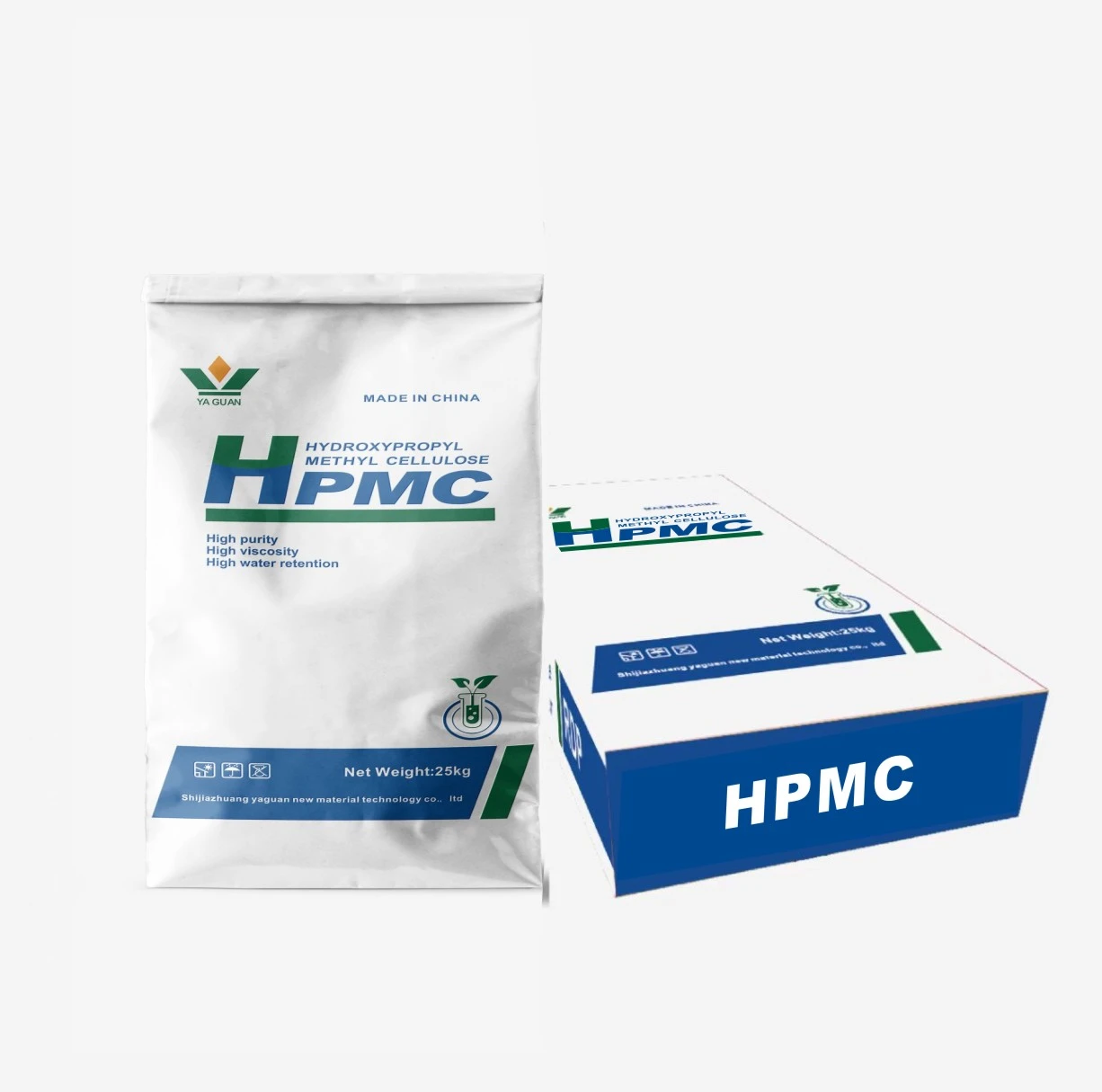
Hypromellose, or hydroxypropyl methylcellulose (HPMC), is listed under the CAS number 9004-65-3. It helps keep many products consistent and safe across borders. The World Bank estimates over 100 countries rely heavily on regulated pharmaceuticals and food additives, and substances like hypromellose play a giant, if quiet, role in that ecosystem. The International Organization for Standardization (ISO) and United Nations bodies also emphasize standardized identifiers like CAS numbers to streamline trade and quality control.
Yet, a major challenge remains: global supply chains sometimes suffer from inconsistent chemical specs or counterfeit materials. Having a standard like hypromellose CAS number means manufacturers, end users, and regulators have a common language to confirm product identity and authenticity.
Mini takeaway: The hypromellose CAS number acts like an international passport for this vital compound, smoothing over barriers in global trade and quality assurance.
What Exactly Is Hypromellose CAS Number?
The CAS number (Chemical Abstracts Service number) is a unique numerical identifier assigned to every chemical substance described in the open scientific literature. For hypromellose, CAS 9004-65-3 identifies the compound with absolute precision, unlike brand names or proprietary terms which may vary.
Hypromellose itself is a semi-synthetic polymer derived from cellulose. Its role? Serving as a thickener, emulsifier, film former, and controlled-release agent. This makes it invaluable in pharmaceuticals (think controlled pill coatings), food products (vegan capsules or gluten-free thickeners), and even in advanced construction materials for controlled water retention or durability.
In humanitarian contexts, where supply chain disruptions can be literal life and death factors, using compounds traceable by CAS number ensures that every drop, pill, or mixture is exactly what it claims to be.
Core Components of Hypromellose’s Practical Appeal
1. Purity & Consistency
Because every batch is traceable via the CAS number, manufacturers strive to meet strict purity standards. This ensures hypromellose behaves predictably—whether in a tablet coating or an eye drop—critical for product safety and efficacy.
2. Versatility
Hypromellose’s unique chemical structure allows it to work as a film former, viscosity enhancer, or controlled-release agent. It’s flexible enough to serve both medical and industrial demands efficiently.
3. Biocompatibility & Safety
Its inert, non-toxic nature makes hypromellose suitable for ingestion or topical use. Regulatory bodies like the FDA and EMA frequently approve it for multiple drug formulations.
4. Cost Efficiency
Compared to some synthetic polymers, hypromellose offers a cost-effective solution with scalable production processes, all trackable thanks to its CAS number.
5. Sustainable Sourcing
Derived from cellulose, a renewable resource, it aligns with growing global pushes toward sustainability, especially in sectors tied to environmental impact assessments.
Mini takeaway: The hypromellose CAS number confirms a product’s identity to meet these core quality and application standards wherever it goes.
How Is Hypromellose Used Around the World?
Its global usage is influenced by regional needs but tends to focus on these main applications:
- Pharmaceuticals: In Europe and North America, hypromellose controls drug release timing and improves pill shelf life.
- Food Industry: Asia-Pacific markets favor it as a vegetarian capsule base and as a thickener in gluten-free or vegan products.
- Cosmetics & Personal Care: Globally, it’s a film-forming agent in eye drops and lotions, providing consistency and comfort.
- Construction: In developing countries, hypromellose-based additives help improve drywall and cement performance.
For example, in post-disaster relief operations, having access to hypromellose verified by CAS number means medications can be confidently deployed even under unpredictable logistics conditions—helping victims safely receive effective treatments without delays or recalls.
Key Advantages and Long-Term Value
When products have a standardized CAS number, trust builds among manufacturers, regulators, and consumers alike. This leads to:
- Lower Manufacturing Risk: Consistent inputs reduce production errors.
- Sustainability: Renewable origin and potential for biodegradable uses.
- Safety & Compliance: Simplified approvals and global transport.
- Social Impact: Reliable access to essential medicines and consumables.
Emotionally, it delivers peace of mind to patients, manufacturers, and safety inspectors alike—“I know what’s in this product, and it meets high standards.” And isn’t that kind of trust rare these days?
Future Trends: Innovations Shaping Hypromellose’s Role
Emerging technologies are pushing hypromellose into new directions:
- Green Chemistry: Efforts to produce hypromellose with greener solvents and energy inputs.
- Digital Traceability: Smart labeling integrated with CAS numbers for blockchain tracking.
- Biodegradable Packaging: Using hypromellose films for eco-friendly wrappers and coatings.
- Advanced Drug Delivery: Nano-formulated capsules improving bioavailability.
These innovations suggest that hypromellose, recognized by its CAS number, won’t just stay a humble additive but will become central to eco-conscious and tech-forward product design.
Challenges and How Experts Are Overcoming Them
One big issue is that not all suppliers maintain consistent purity standards—sometimes counterfeit or low-grade materials slip in. Experts advocate for more rigorous testing, harmonized international standards, and wider education about the importance of verified CAS numbers.
Additionally, supply chain disruptions, like those triggered by the global pandemic, made many realize there’s room for improving sourcing resilience. Collaborative platforms and digital tracking using the hypromellose CAS number help greatly in mitigating such risks.
FAQ: Common Questions About Hypromellose CAS Number
- What is the importance of the hypromellose CAS number in pharmaceutical production?
- The CAS number uniquely identifies hypromellose, ensuring that pharmaceutical producers source the precise compound needed, which guarantees safety, regulatory compliance, and consistent drug performance.
- How can companies verify the authenticity of hypromellose materials?
- They use the CAS number as a baseline for chemical testing methods like spectroscopy or chromatography. Suppliers also provide certificates of analysis referencing the CAS number to confirm purity and grade.
- Is hypromellose eco-friendly compared to other cellulose derivatives?
- Yes, because it is cellulose-based and derived from renewable plant sources. Ongoing research aims to improve sustainability through cleaner manufacturing processes.
- Can the hypromellose CAS number help in international regulatory approvals?
- Definitely. It acts as a standard reference, simplifying documentation and cross-border communication with authorities and import/export agencies.
- Are there alternatives to hypromellose, and how do they compare?
- Alternatives exist, like methylcellulose or other polymers, but hypromellose’s versatility, safety profile, and global supply chain presence make it one of the preferred choices.
Product Specification Table
| Specification | Value | Unit |
|---|---|---|
| CAS Number | 9004-65-3 | - |
| Appearance | White powder | - |
| Solubility | Water-soluble | - |
| Viscosity | 15,000 - 100,000 | mPa·s (2% solution) |
| Moisture Content | ≤5% | % |
Vendor Comparison Table
| Vendor | Standard Compliance | Price per Kg | Lead Time | Notes |
|---|---|---|---|---|
| GlobalChem Corp | USP, EP | $12.00 | 2 weeks | High purity, pharmaceutical grade |
| PureCell Solutions | JP, BP | $10.50 | 3 weeks | Competitive pricing, stable supply |
| EcoPolymer Ltd. | ISO 9001 | $11.00 | 1 week | Green manufacturing, sustainable sourcing |
For more technical and sourcing details, check our resource on hypromellose cas number.
Conclusion: Why You Should Care About Hypromellose CAS Number
Looking at it all, the humble hypromellose CAS number is much more than a chemical registry entry; it’s a foundational pillar of quality, trust, and innovation for countless industries on a global scale. From pharmaceutical reliability to sustainable construction, knowing and verifying this number is step one in better manufacturing, safer products, and smarter logistics.
Interested in sourcing reliable hypromellose or simply want to dive deeper into specs and certifications? Visit our website — we’re your gateway to trusted information and supply.
References: