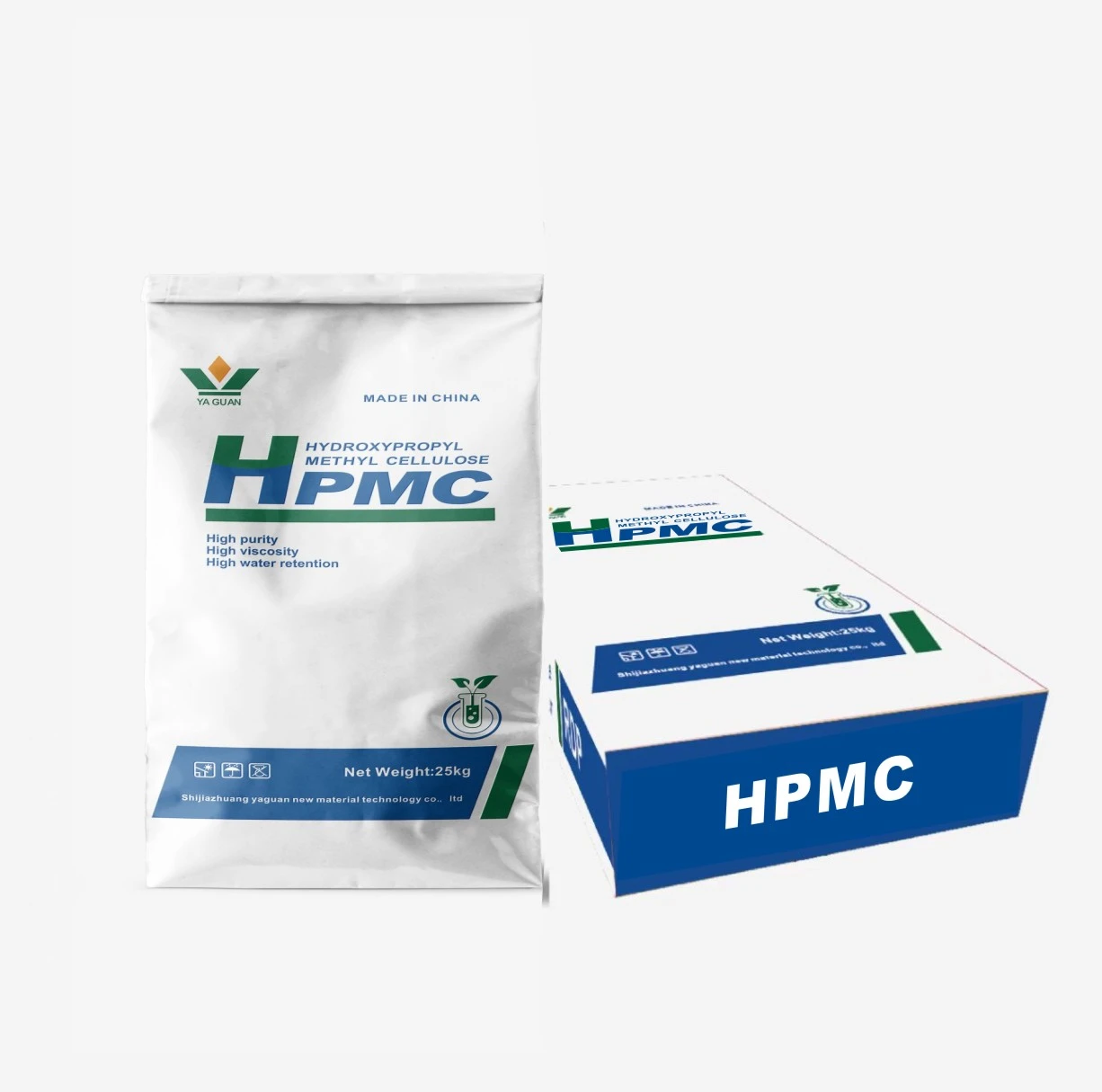

Understanding HPMC Chemical: The Unsung Hero in Modern Industry
At first glance, the phrase HPMC chemical might conjure images of complex formulas known only to lab technicians. But in reality, hydroxypropyl methylcellulose (HPMC) is quietly shaping industries from construction to pharmaceuticals and even food. Its role is both practical and profound, touching everything from the durability of your smartphone screen to the smoothness of your favorite yogurt. Why does this matter globally? Because as urbanization and technological demand grow, materials like HPMC help address sustainability, efficiency, and safety concerns on a massive scale.
Introduction: The Global Picture of HPMC Chemical
Globally, chemical additives like HPMC represent a subtle but critical part of the industrial backbone. According to the International Cellulose Ether Association (ICEA), global demand for cellulose derivatives is expected to grow steadily by over 4% annually due to increasing use in emerging economies (source). The United Nations reports that over 55% of the world’s population now lives in urban areas, demanding better-quality infrastructure, safer pharmaceuticals, and more reliable food additives.
Yet, challenges remain: ensuring materials are sustainable, versatile, and cost-effective. HPMC chemical, in its many forms, provides solutions by improving performance and reducing environmental impact. Whether it’s ensuring a paint adheres better in tropical climates or a drug releases slowly and safely, HPMC's role is substantial.
What Exactly Is HPMC Chemical?
Simply put, hydroxypropyl methylcellulose (HPMC) is a cellulose ether derived from cellulose – the main structural component of plant cell walls. It’s a non-ionic, water-soluble polymer that behaves as a thickener, emulsifier, film former, and binder. This lightweight powder dissolves in cold water, turning it into a gel-like substance with remarkable stability under various conditions.
Its connection to modern industry is vast: you can find it in cement-based construction products to improve workability, in pharmaceuticals as a capsule material, and in foods as a stabilizer. In humanitarian contexts, HPMC-based products can enhance the durability and safety of fast-deploy housing materials or hygiene products, making a tangible difference.
Core Components and Key Properties of HPMC Chemical
1. Water Retention
One of HPMC’s standout qualities is its ability to retain water, which makes it invaluable in cement and plaster formulations. This property ensures longer workability times and prevents premature drying.
2. Film-Forming Ability
HPMC creates a flexible, transparent film after drying. This quality is exploited in coatings, adhesives, and pharmaceutical tablets, offering protection and controlled release benefits.
3. Thermal Gelation
Oddly enough, HPMC solutions thicken or gel upon heating, which is not typical of many polymers. This allows for heat-triggered viscosity changes useful in products like paints and food supplements.
4. Non-Ionic Nature
Because it is non-ionic, HPMC is compatible with a wide variety of other materials, avoiding unwanted reactions. This chemical neutrality broadens its applications across industries.
5. Biodegradability and Safety
Derived from natural cellulose, HPMC is biodegradable and generally recognized as safe (GRAS) by regulatory agencies. This is crucial for products intended for ingestion or skin contact.
Industry Applications: Where HPMC Chemical Makes a Difference
From concrete mixers in Germany to remote pharmaceutical labs in India, HPMC’s versatility is on full display:
- Construction: Improves mortar adhesion, enhances water retention, reduces cracking risks.
- Pharmaceuticals: Used in tablets and capsules for controlled drug release and better stability.
- Food Industry: As a thickener and stabilizer, it helps maintain texture in dressings, baked goods, and dairy.
- Personal Care: Incorporated in lotions and shampoos for smooth application and moisture retention.
- Humanitarian Aid: Used in rapid-deploy shelter materials and sanitary products, often in harsh environmental contexts.
For example, during the 2020 floods in Southeast Asia, construction teams relied on HPMC-enhanced mortars to speed up repair work facing high humidity and rain. The material’s water retention prevented premature drying, vastly improving durability.
Mini takeaways: HPMC chemical's water retention and film-forming properties are game changers across very different sectors, from improving building materials in tropical climates to stabilizing food products on factory lines.
Product Specification Table: Typical HPMC Grades
| Specification | Grade A (Construction) | Grade B (Pharma) | Grade C (Food) |
|---|---|---|---|
| Methoxy Content (%) | 19-24 | 25-30 | 20-26 |
| Hydroxypropyl Content (%) | 4-12 | 7-14 | 5-11 |
| Viscosity (mPa·s 2% solution) | 10000-36000 | 4000-12000 | 8000-15000 |
| pH (1% solution) | 5.5-8.0 | 6.0-8.5 | 6.5-8.0 |
| Appearance | White Powder | White Powder | White Powder |
How Do Vendors Stack Up? A Quick Comparison
| Vendor | Global Reach | Specialty Grades | Sustainability Focus | Customer Support |
|---|---|---|---|---|
| Yaguan HPMC | North America, Asia, Europe | Construction, Pharma, Food | High - uses renewable cellulose | 24/7 multilingual |
| BASF | Global | High-purity pharma | Medium | Strong technical support |
| Dow Chemical | Global | Construction, Food | Growing interest | Global network |
Advantages and the Long-Term Value of HPMC Chemical
Honestly, HPMC offers a finely balanced mix of benefits that appeal both to engineers and environmental advocates alike:
- Cost Efficiency: Its multifunctionality reduces the need for multiple additives.
- Sustainability: Derived from renewable cellulose, it supports greener production.
- Performance Stability: Resistant to pH, temperature variations, and salts.
- User Safety: Non-toxic and biodegradable, safe for consumers and workers.
- Social Impact: Improves product longevity and safety, impacting quality of life worldwide.
Emerging Trends and Innovations in the HPMC Chemical Sphere
There’s this growing buzz around green chemistry and digital innovation in the supply chain. For HPMC, it means:
- The development of bioengineered cellulose sources that lower environmental impact even more.
- Automation in quality control using AI-driven analytics to guarantee batch consistency.
- Novel formulations combining HPMC with nanomaterials to augment strength and biodegradability.
- Legislation worldwide pushing for safer, more sustainable chemicals, boosting HPMC’s profile.
Challenges and How Industry Leaders Are Overcoming Them
Sometimes, working with HPMC can be tricky:
- Batch consistency can vary due to natural source variations.
- Handling and dispersion require experience to avoid clumping.
- Cost fluctuations can arise from cellulose supply fluctuations globally.
Industry leaders invest in advanced purification techniques, synthetic blends, and rigorous training for technicians. Plus, fostering supplier diversity helps stabilize supply and pricing — surprising how much these small moves ripple through entire product lines.
FAQ: Addressing Common Questions About HPMC Chemical
- What industries benefit the most from HPMC chemical?
- HPMC serves multiple sectors, notably construction, pharmaceuticals, food processing, and personal care. Each sector exploits different properties such as thickening, film-forming, or binding. For example, cement companies use HPMC to enhance workability, while pharma companies rely on it for capsules and controlled drug release.
- Is HPMC chemical safe for food and pharmaceutical applications?
- Yes, HPMC is generally recognized as safe (GRAS) by both the FDA and EFSA. Its non-toxic and biodegradable nature makes it suitable for ingestion as well as topical applications. Manufacturers usually ensure pharmaceutical or food-grade certification to meet strict guidelines.
- How is HPMC chemical stored and handled to maintain quality?
- Since HPMC is hygroscopic, it needs storage in dry, cool conditions, ideally in sealed containers. Handling typically requires dust control measures and slow dispersion into water to avoid clumps. Proper protocols ensure it maintains its functional properties.
- Can HPMC improve sustainability in construction materials?
- Absolutely. By enhancing water retention and workability, HPMC reduces the need for excessive additives and minimizes waste. It also helps lower the embodied energy by extending the lifespan of cement products and reducing cracking, which cuts down on repairs and maintenance.
Conclusion
In real terms, the humble hpmc chemical is more than just a polymer—it’s a cornerstone for innovation, sustainability, and performance across diverse fields. By blending natural chemistry with smart industrial applications, HPMC supports a better, safer future.
Whether you’re an engineer fine-tuning cement mixtures or a product developer seeking natural thickening agents, investing in quality HPMC solutions pays off in reliability and cost savings. Curious to learn more? Explore the latest product ranges and innovations at https://www.yaguanhpmc.com.
Mini takeaway: HPMC chemical empowers industries worldwide by marrying tradition (cellulose) with technology, proving that sometimes, the simplest ingredients pack the biggest punch.