
Unpacking Cellulose Ether: Why It Matters More Than You Think
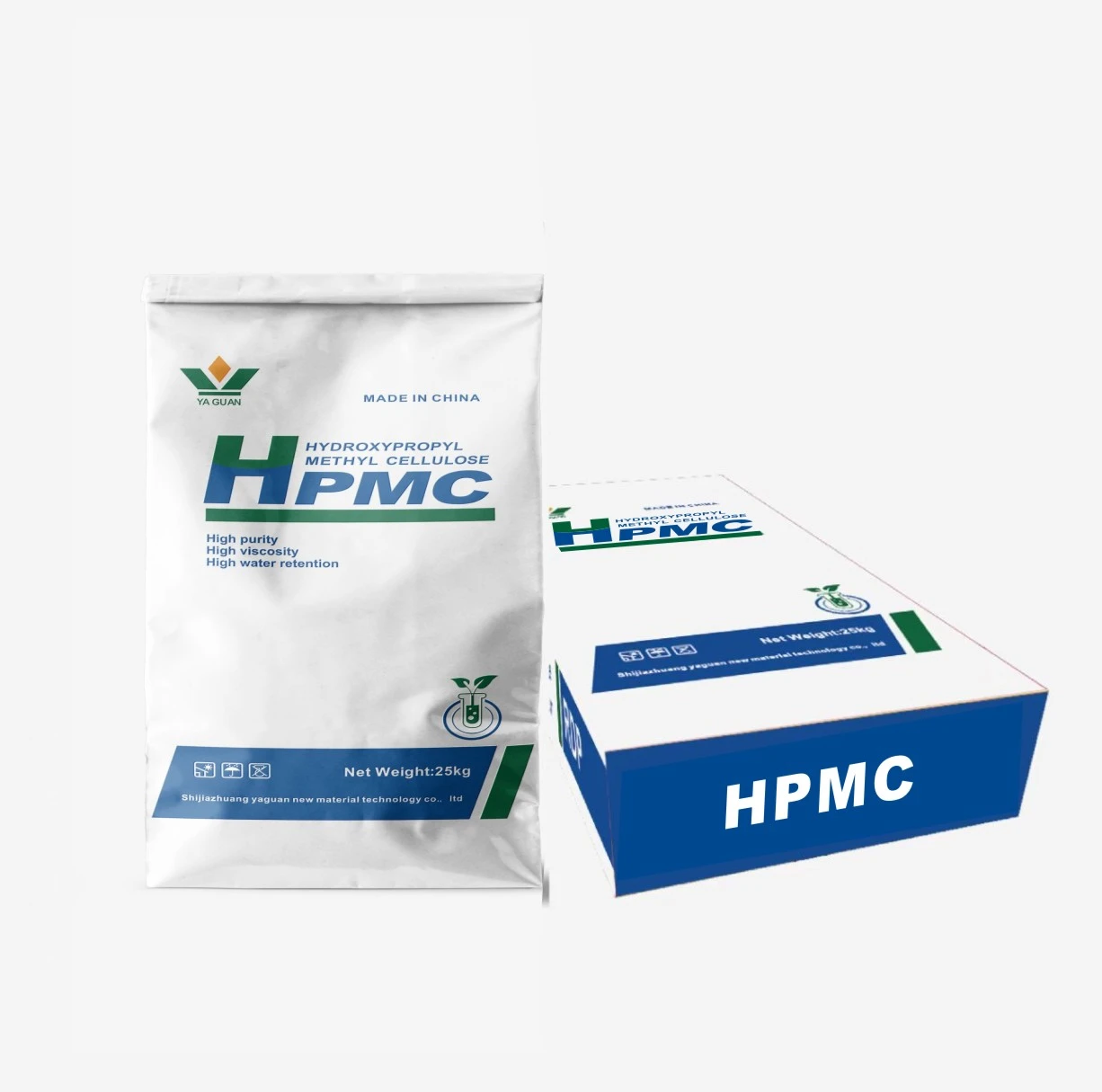
Cellulose ether may not be a phrase that rolls off the tongue in everyday chat, but it’s quietly shaping industries and lives worldwide. At its essence, cellulose ether is a versatile chemical compound derived from cellulose — the structural component in plants. It’s the kind of ingredient that’s got a million uses tucked away in its molecular makeup: from thickening agents in food and pharmaceuticals to binding and water retention in construction. But why should you care?
In a world grappling with sustainability challenges, growing populations, and demand for affordable, resilient materials, understanding cellulose ether opens a window to smarter, more adaptive solutions globally. It’s a silent hero in construction sites rebuilding after natural disasters, in medicinal creams easing suffering, and even in the very food we eat. Let’s explore what cellulose ether truly is, why it’s so indispensable, and what the future might hold.
Global Context: Why Cellulose Ether is a Growing Game-Changer
The global cellulose ethers market was valued at around US$1.24 billion in 2022 — and projections suggest a steady growth driven by construction, pharmaceuticals, and food industries (MarketsandMarkets data). The reason is multilayered: as urbanization increases, demand for sustainable building materials grows. Food safety and texture preferences shift, and healthcare innovations press for better drug formulations.
From a humanitarian angle, organizations like the United Nations Office for the Coordination of Humanitarian Affairs emphasize materials that aid in quick, adaptive rebuilding — that’s where cellulose ether’s water retention and binding properties help enormously. But this market isn’t without challenges: it needs to balance cost, environmental impact, and scalability.
Oddly enough, cellulose ether sits at this intersection — poised to meet these complex demands.
What Exactly is Cellulose Ether?
Put simply, cellulose ether is a chemically modified form of cellulose, where hydroxyl groups in cellulose molecules are replaced with ether groups. This modification gives it water solubility and thickening properties, making it extremely useful across numerous industries.
Imagine a sort of “plant-derived powder” that can transform the flow and texture of liquids and pastes without losing natural origins. That’s cellulose ether in a nutshell. It's a natural polymer turned industrial chameleon.
Its Link to Industry and Humanitarian Needs
Cellulose ether helps the construction sector improve mortar viscosity, making structures more durable and workable. In the pharmaceutical realm, it stabilizes creams and gels, ensuring medications remain effective. In food, it thickens sauces and stabilizes frozen products. And in disaster zones worldwide, quick-drying plasters with cellulose ether support rebuilding efforts — it is safe, effective, and biodegradable.
The Core Properties That Make Cellulose Ether Stand Out
1. Water Retention
This one is key. Cellulose ether helps retain water in mixtures, which is vital in plaster and concrete to prevent cracking and ensure proper curing in dry environments. Without it, materials would dry unevenly, causing long-term structural problems.
2. Viscosity Control and Thickening
Many manufacturers rely on cellulose ethers to adjust the flow of liquids — whether that’s syrupy food sauces or ointment gels. The beauty here is its tunability; you can slightly tweak properties by altering the degree of substitution.
3. Adhesion and Binding
This property is a lifesaver in dry mix mortars and tile adhesives. The right adhesive properties mean better grip, stronger bonds, and longer-lasting finishes.
4. Chemical Stability and Compatibility
Being chemically stable across various pH levels and compatible with other additives gives cellulose ether an edge — it won’t break down unexpectedly in different environments, protecting the product’s integrity.
5. Sustainability Factor
Derived mainly from wood pulp or cotton linters, cellulose ether is biodegradable, renewable, and less toxic than many synthetic polymers. As industries shift toward greener practices, this aspect is increasingly important.
Mini takeaway: These properties make cellulose ether a versatile enhancer, giving products a performance boost while keeping them eco-conscious.
Cellulose Ether in Action: Real-World Applications
- Construction & Building Materials: From Asia to Europe, cellulose ethers improve tile adhesives, cement formulations, and plaster mixes, providing workability and durability in diverse climates.
- Pharmaceuticals & Cosmetics: It stabilizes topical gels, creams, and tablets. Many dermatologists prefer formulations with cellulose ether for smooth application and consistent dosage.
- Food Industry: In sauces, soups, and even bakery products, cellulose ether controls texture and prevents ice crystal formation in frozen goods.
- Disaster Relief & Humanitarian Aid: Quick-set mortars containing cellulose ether help rebuild infrastructure rapidly and resiliently, often in remote or resource-limited locations.
- Paper & Textiles: As a binder, cellulose ether enhances quality and durability during production.
For example, during the 2020 Cyclone Amphan aftermath in India, fast-drying mortars enriched with cellulose ether were widely deployed, reducing rebuilding time drastically.
Advantages & Long-Term Value of Cellulose Ether
The logic is clear, but the emotional impact is profound too. Using cellulose ether means:
- Saving money long-term by reducing material failures and repairs.
- Empowering workers with easier-to-use materials that deliver consistent quality.
- Helping communities retain dignity by providing sustainable, safe homes.
- Fueling innovation in ever-demanding markets, from food texture to drug delivery.
- Contributing to environmental goals because it’s renewable and biodegradable.
It’s not just science, it’s trust — knowing the materials you rely on aren’t just “chemicals” but well-thought-out compounds tuned for performance and care.
Looking Ahead: Innovations on the Horizon for Cellulose Ether
Research continues to push the boundaries: nano-cellulose ethers promise enhanced strength and flexibility, opening doors in smart packaging and bio-medical implants. Digital manufacturing (think 3D printing) integrates cellulose ethers for sustainable inks and composites.
Sustainability remains a driver — companies explore cellulose ethers derived from agricultural waste to further reduce environmental footprints. Automation in production and blending is also enhancing quality and scale.
Challenges and How Industry is Tackling Them
That said, hurdles remain. Variability in raw material quality (plant sources) can impact consistency. Some formulations can have higher costs compared to synthetic alternatives. And biodegradability sometimes can interfere with long-term durability depending on use.
Innovations focus on blending cellulose ethers with complementary polymers to boost performance while preserving natural benefits. Advanced quality control with inline spectrometry and tighter supply chain management help keep production reliable.
Stakeholders across sectors cooperate closely — from farmers supplying raw materials to end users — ensuring cellulose ether products meet ever-tougher standards and expectations.
Quick FAQ About Cellulose Ether
Q1: What industries benefit most from cellulose ether?
A: Construction, pharmaceuticals, and food industries are primary users because cellulose ether enhances viscosity, stability, and water retention which are critical for product quality.
Q2: Is cellulose ether safe for food and medical uses?
A: Yes. Cellulose ethers are approved by regulatory bodies like the FDA for use in food and pharmaceuticals due to their non-toxic, inert nature.
Q3: Can cellulose ether improve the lifespan of building materials?
A: Absolutely. By improving water retention and adhesion, cellulose ether reduces cracking and degradation, increasing durability of mortars and plasters.
Q4: Are cellulose ethers environmentally friendly?
A: They are biodegradable and derived from renewable sources, making them much greener alternatives to many synthetic polymers.
Q5: How does cellulose ether help in disaster relief construction?
A: It speeds up drying times and improves the workability of repair mortars, which helps rebuild homes and infrastructure faster and more reliably.
Product Specification Table
| Specification | Typical Range | Units/Remarks |
|---|---|---|
| Moisture Content | 3.0 max | % |
| Viscosity (2% solution) | 50–2000 | mPa·s (Brookfield LVF) |
| pH of 1% solution | 5.0 – 8.5 | – |
| Degree of Substitution | ~1.8 | Unitless |
| Bulk Density | 450–650 | kg/m³ |
Vendor Comparison Table
| Vendor | Product Range | Application Focus | Sustainability Credentials | Global Reach |
|---|---|---|---|---|
| Vendor A | Wide (HPMC, MC variants) | Construction, Pharma | Certified Forest Sourcing | North America, Europe, Asia |
| Vendor B | Specialized (Food grade) | Food Industry | Low Carbon Manufacturing | Europe, Middle East |
| Vendor C | Mid-range | Cosmetics, Construction | Biodegradable Packaging | Global |
Wrapping It Up: Why Cellulose Ether Should Be on Your Radar
So, what’s the takeaway? Cellulose ether is more than an industrial helper — it’s a cornerstone for innovation, sustainability, and practical durability across multiple sectors. Whether you’re involved in disaster recovery, food manufacturing, or pharmaceutical formulations, cellulose ethers offer a trusted, green, and effective solution that meets today’s challenges and tomorrow’s hopes.
If you want to explore technical options, get detailed product info, or discuss custom formulations, don’t hesitate to visit our website. Sometimes, the simplest plant-based polymer can lead to the most revolutionary breakthroughs.