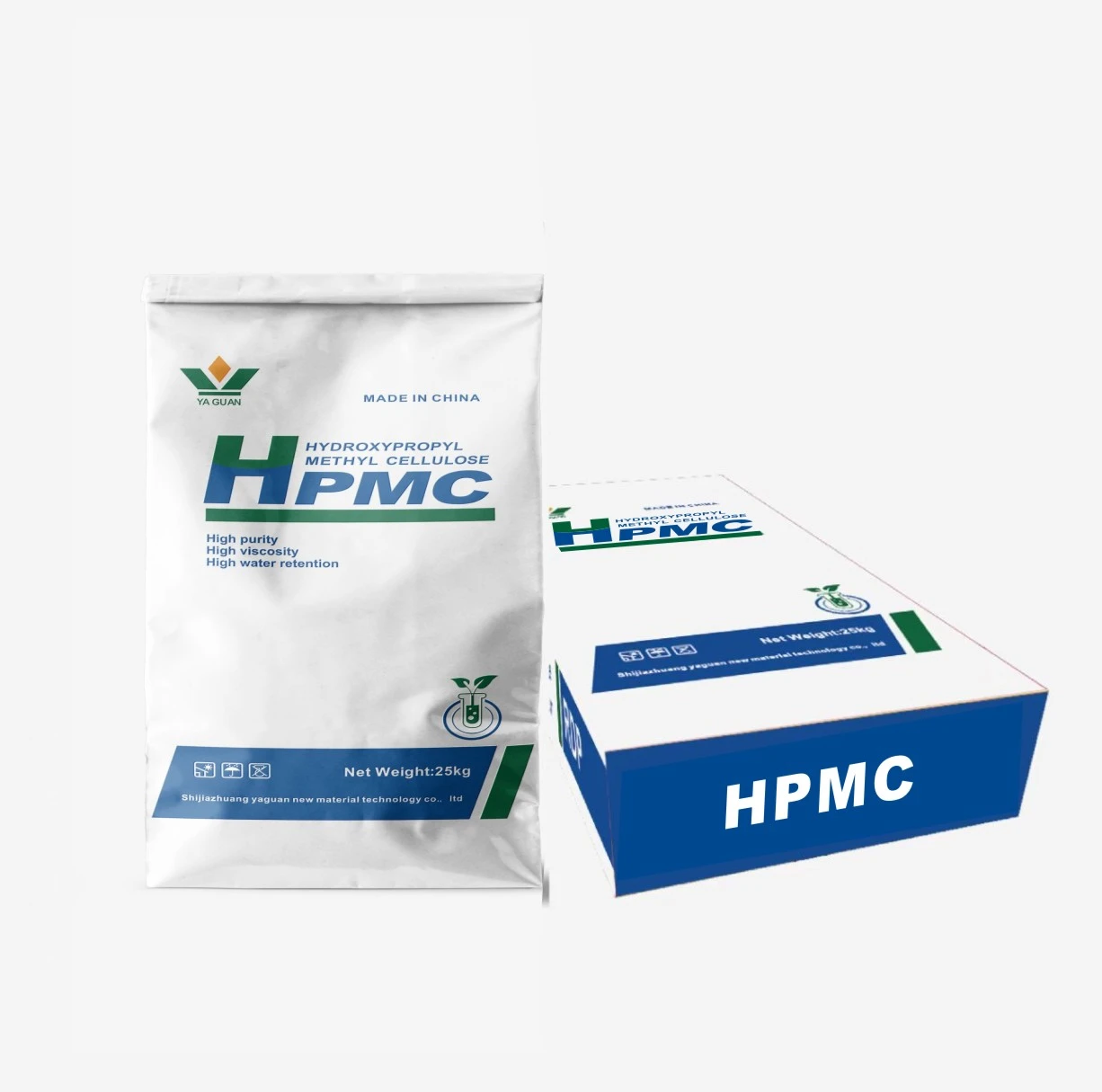

Understanding Hydroxypropyl Methyl Cellulose Ether: Why It Matters Worldwide
Hydroxypropyl methyl cellulose ether — or HPMC, as the insiders call it — might sound like a mouthful of chemistry jargon, but its impact is surprisingly vast and practical. This compound plays a key role across industries like construction, pharmaceuticals, and food technology. Globally, it’s helping solve pressing challenges related to sustainability, product consistency, and even humanitarian needs. For anyone involved in industrial materials, understanding HPMC isn’t just a good idea — it’s increasingly essential.
Why? Because this substance offers a unique combination of versatility and safety that modern manufacturing really depends on. Knowing its benefits can help industries innovate smarter and deliver better outcomes worldwide.
Why Does Hydroxypropyl Methyl Cellulose Ether Matter Globally?
The world’s run on increasingly complex supply chains and high-performance materials — and that's where HPMC comes in. According to recent data from the United Nations Industrial Development Organization (UNIDO), additive compounds like HPMC boost efficiency in sectors critical to global development, such as construction and pharmaceuticals.1
For instance, the construction sector alone accounts for roughly 40% of total material use globally. Additives like HPMC improve the workability of cement and plaster, reducing waste and enhancing structural longevity. This means less environmental impact and more durable buildings, something quite important when climate resilience is top of mind everywhere.
But challenges abound: raw materials that used to be cheap and plentiful are getting scarcer, and quality requirements keep rising. HPMC helps address these challenges by tweaking product properties to reduce resource waste and improve efficiency.
Hydroxypropyl Methyl Cellulose Ether — Breaking Down the Basics
Simply put, hydroxypropyl methyl cellulose ether is a chemically modified cellulose. Think of cellulose as the plant fiber that makes up wood and cotton — it’s the backbone. When you chemically treat cellulose with hydroxypropyl and methyl groups, you get a water-soluble powder or granular substance with unique thickening, emulsifying, and film-forming properties.
In modern industry, its uses are broad: from thickening agents in paints to binders in pharmaceuticals and stabilizers in food products. It’s even found in some cosmetics! What ties it all together is its ability to control texture, viscosity, and moisture retention — qualities that matter on a microscopic level but have massive real-world effects.
Core Features of Hydroxypropyl Methyl Cellulose Ether
1. Water Solubility and Rheology Control
HPMC easily dissolves in cold water but not in hot water, which makes it very useful for controlling solution viscosity. This unique sol-gel behavior lets product developers fine-tune flow, adhesion, and suspension qualities in many formulations.
2. Chemical Stability
Thanks to the chemical modifications, HPMC is stable across a broad pH range and resists breakdown from enzymes. That means products last longer and keep consistent properties, especially important in harsh environments like concrete curing or extended-release pills.
3. Non-Toxic and Safe
Because it’s cellulose-based and generally recognized as safe (GRAS) by regulatory agencies, HPMC fits the bill where human contact or ingestion is concerned. No wonder it’s popular in food and pharma.
4. Film-Forming Capability
It forms strong, flexible films when dried. This quality finds application in coatings, adhesives, and protective layers in various industries.
5. Compatibility and Blending
It mixes well with other polymers and additives, allowing complex product designs that meet precise performance specs.
| Property | Typical Range | Description |
|---|---|---|
| Appearance | White powder | Fine, free-flowing |
| Molecular Weight | 30,000–100,000 Da | Determines thickness |
| Methoxy Content | 19-24% | Hydrophobic balance |
| Hydroxypropyl Content | 4-12% | Hydrophilic effect |
| Viscosity (2% in water) | 50-4,000 mPa·s | Flow control |
Global Applications of Hydroxypropyl Methyl Cellulose Ether
From Asia’s booming construction markets to European pharma labs, HPMC’s footprint is everywhere. Here are some highlights:
- Construction & Building: In China and India, HPMC improves plaster and tile adhesive workability and prevents cracking under harsh weather — which is critical when fast urbanization pressures infrastructure quality.
- Pharmaceutical Industry: In Europe and North America, it’s a popular excipient in tablets and eye drops, helping control release rates and comfort.
- Food Industry: HPMC is used as a thickener, emulsifier, and stabilizer in bakery and dairy products worldwide due to its non-toxic nature and clean label.
- Cosmetics and Detergents: Providing texture and film formation in skincare and cleaning formulations, especially in Japan and South Korea’s advanced personal care sectors.
- Post-Disaster and Remote Zones: There are real cases where HPMC-containing construction materials support rapid deployment shelters, offering both durability and safety in disaster relief.
The Genuine Advantages and Enduring Value of HPMC
The benefits of HPMC are numerous and practical:
- Cost Efficiency: By improving product performance and reducing waste, it trims down material usage and rework — saving millions annually for big manufacturers.
- Sustainability: Derived from renewable cellulose, it aligns with green chemistry goals and helps reduce environmental impact.
- Reliability: Consistent quality over time — products don’t flake out unexpectedly.
- Safety and Social Impact: Non-toxic and eco-friendly, it plays well even in sensitive pharma and food applications, offering peace of mind to consumers.
- Innovation Catalyst: Many product designers say HPMC’s adaptable nature encourages new formulations and cutting-edge materials.
Looking Ahead: Future Trends & Innovations in HPMC
Roughly, the outlook is bright and evolving:
- Bio-Based Polymers: Expect more hybrid materials combining HPMC with other biopolymers to push performance without sacrificing eco-values.
- Digital Material Design: AI and machine learning are starting to optimize HPMC formulations faster, tailored for very specific applications.
- Green Manufacturing: Production processes for HPMC are gradually adopting cleaner, solvent-free methods—welcome news for environmentally conscious brands.
- Smart Coatings & Controlled Release: Innovations in pharma and agriculture increasingly utilize HPMC’s film-forming and binding properties for precision delivery.
Challenges and How the Industry Tackles Them
No material is perfect, and HPMC has its quirks:
- Cost vs. Alternatives: It’s often pricier than some synthetic additives, which makes cost pressure challenging in low-margin sectors.
- Moisture Sensitivity: Although it retains moisture well, excess humidity can sometimes alter product consistency.
- Supply Consistency: As demand surges, ensuring constant quality across batches requires sophisticated quality control.
Experts suggest innovations such as blending with complementary polymers, advanced drying techniques, and diversified sourcing help mitigate these drawbacks.
Vendor Comparison Table: Leading Suppliers of Hydroxypropyl Methyl Cellulose Ether
| Vendor | Viscosity Range (mPa·s) | Primary Applications | Price Range (USD/kg) | Notes |
|---|---|---|---|---|
| Yaguan HPMC | 100–3,500 | Construction, Pharma, Food | 3.5–6.0 | High consistency & purity |
| Methocel® (Dow) | 50–4,000 | Pharma, Food, Cosmetics | 5.0–8.5 | Industry standard, broad range |
| Ashland | 200–3,000 | Construction, Food | 4.0–7.0 | Strong technical support |
| Colorcon | 100–3,000 | Pharmaceutical | 6.0–9.0 | Specialty pharma focus |
Frequently Asked Questions About Hydroxypropyl Methyl Cellulose Ether
Q1: How does hydroxypropyl methyl cellulose ether improve cement and plaster?
A1: HPMC enhances cement and plaster by increasing their water retention, workability, and adhesion. This means easier application, less cracking, and longer-lasting finishes. The compound controls setting time and improves stability under varying temperatures, which is critical in large-scale construction projects.
Q2: Is hydroxypropyl methyl cellulose safe for food and pharmaceutical use?
A2: Absolutely. HPMC is generally recognized as safe (GRAS) by global regulators like the FDA. It’s non-toxic, non-allergenic, and does not react with other ingredients, making it ideal for edible products and medicines.
Q3: Can HPMC be customized for specific industrial applications?
A3: Yes, manufacturers can adjust viscosity grades, substitution levels, and particle size to match requirements of different industries — from thickening paints to controlling tablet release in pharma. This customization flexibility is a major reason for its wide adoption.
Q4: How can international buyers source high-quality HPMC?
A4: Leading suppliers like Yaguan HPMC offer international shipping with certificates of analysis ensuring product quality. Buyers should assess viscosity specs, regulatory compliance, and past client testimonials when selecting vendors.
Q5: Does the use of HPMC contribute to sustainable manufacturing?
A5: Yes, HPMC is derived from renewable cellulose and helps reduce waste and energy consumption by optimizing product formulations. Many companies use it as part of their green chemistry and sustainability initiatives.
Wrapping It Up – Why Hydroxypropyl Methyl Cellulose Ether Still Matters Tomorrow
In the end, hydroxypropyl methyl cellulose ether stands out as a subtly powerful ally to industries ranging from skyscraper construction to lifesaving medicines. It’s affordable, reliable, and fashioned from nature’s polymers, bridging the gap between innovation and responsibility.
For companies aiming to build smarter, safer, and greener products, HPMC is often the unsung hero behind the scenes. If you are curious and want to explore how this additive might transform your own formulations, I encourage you to visit Yaguan HPMC’s site and discover solutions tailored to your needs.
Truly, sometimes the best materials are the ones quietly making everything better, one molecule at a time.
References:
- United Nations Industrial Development Organization (UNIDO) Reports, 2021.
- Wikipedia contributors. Hydroxypropyl methyl cellulose. Wikipedia, The Free Encyclopedia. https://en.wikipedia.org/wiki/Hydroxypropyl_methylcellulose
- International Organization for Standardization (ISO) — Polymer Additives Standards Overview.