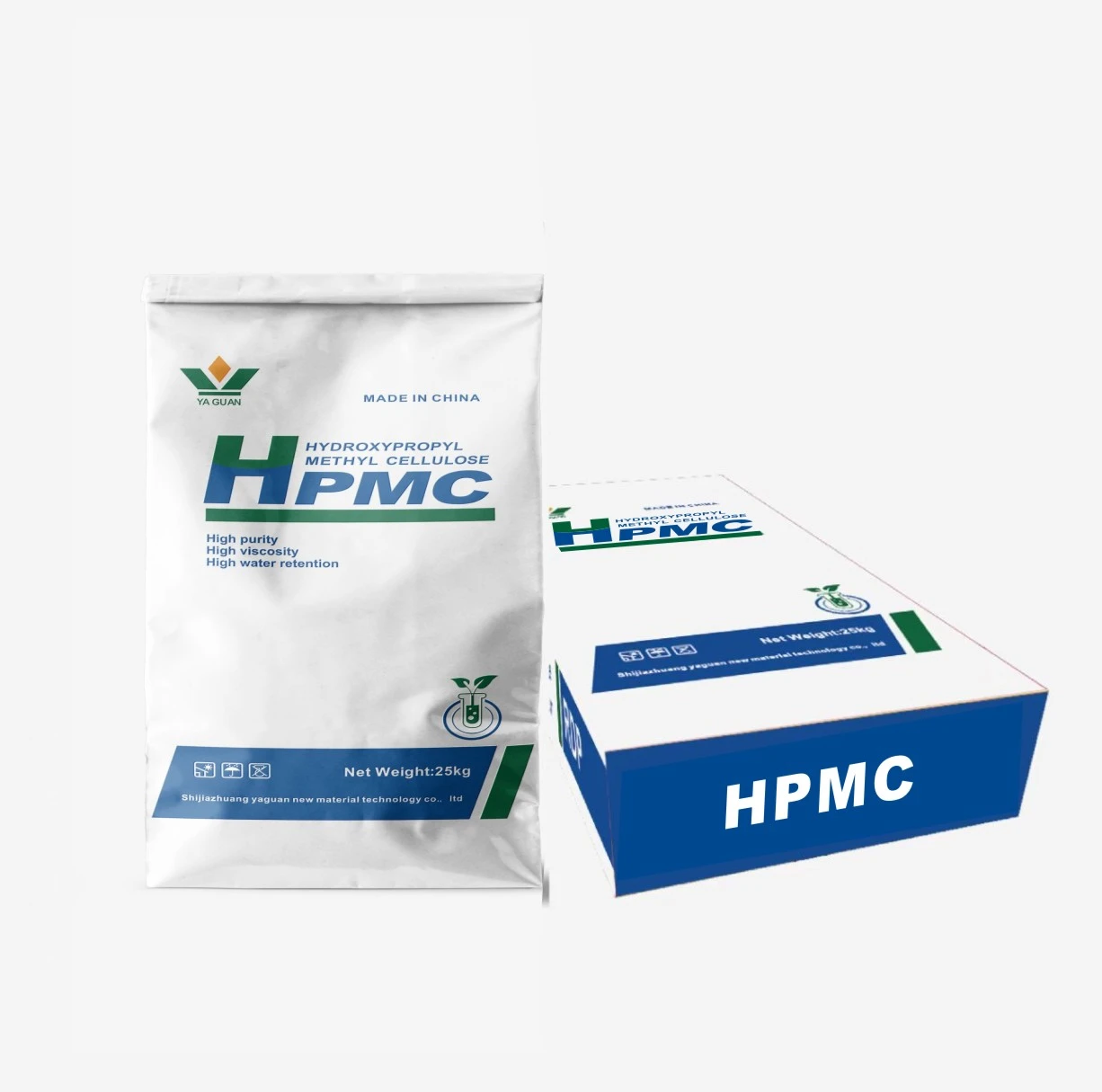

Understanding HPMC Binder: Why It Matters More Than You Think
If you’ve ever come across drywall, mortar, pharmaceuticals, or even the humble food thickener, you might have unwittingly encountered the magic of HPMC binder. Hydroxypropyl methylcellulose, or HPMC binder for short, is quietly transforming many industries worldwide. But why should we care? The answer is simple: It’s at the intersection of sustainable manufacturing, improved product durability, and versatile applications — all critical in our globalized, resource-conscious world today. Grasping what this binder does and how it works means better materials, longer-lasting products, and, frankly, a bit of chemical wizardry that supports everything from construction sites in Kenya to pharma labs in Germany. ---The Global Pulse: Why HPMC Binder Has a Crucial Role
Globally, as urbanization surges and industries expand, the demand for dependable binders like HPMC grows. The UN's reports on sustainable development push for materials that balance performance and environment friendliness. The World Bank indicates rapid infrastructure growth in developing countries, where materials need to be reliable but cost-efficient. Yet, many traditional binders create environmental burdens or suffer from limitations in durability or water retention — a particularly pressing issue in humid climates. HPMC binder steps in offering better water retention, film-forming ability, and biodegradability. Its growing use addresses challenges in construction waste, pharmaceutical formulation instability, and food additive regulations. It’s not just an industrial ingredient; it’s a small piece of the sustainability puzzle. Mini takeaway: HPMC binder’s global significance lies in its ability to meet growing infrastructure and manufacturing demands without compromising ecological or performance standards. ---What Exactly Is HPMC Binder?
At its core, HPMC binder is a chemically modified cellulose derivative — basically, natural cellulose (from wood or cotton) altered with hydroxypropyl and methyl groups to form a water-soluble polymer. This tweak transforms it into a binder that’s non-toxic, stable over wide temperature ranges, and capable of holding together powders or pastes in everything from wall plasters to edible gels. In the modern industrial landscape, the binder acts as the glue that ensures cohesion, stability, and usability. Imagine paints wouldn’t spread evenly or pharmaceuticals wouldn’t hold tablets together without a reliable binding agent. Here, HPMC fills that vital role with versatility and an excellent safety profile. Mini takeaway: It’s a natural-based, safe, and water-friendly polymer that serves as an ingenious adhesive agent across various products. ---Core Components That Make HPMC Binder Shine
1. Water Retention and Viscosity Control
One of HPMC’s superpowers is its ability to hold water and control viscosity. In construction, this means mortar and plaster stay workable longer and cure more evenly, preventing cracks or shrinkage. It’s also why bakers like it for controlling batter thickness.2. Thermal Stability
HPMC remains effective across temperatures from roughly 0°C to over 200°C. Many synthetic binders degrade or lose effectiveness under heat, but not this guy. This thermal tolerance lends itself well to pharmaceutical tablets exposed to different processing steps during manufacturing.3. Non-Ionic Nature and Compatibility
Unlike ionic polymers, HPMC doesn’t interact aggressively with other ingredients — meaning it doesn’t destabilize formulations or cause unwanted side reactions. This neutrality makes it ideal for complex multi-component products, especially in personal care or food formulations.4. Biodegradability and Safety Profile
Being cellulose-derived, it’s biodegradable and generally recognized as safe (GRAS) by health authorities. This matches current green product trends and regulatory requirements, reducing ecological pressure when products degrade after use. Mini takeaway: Water control, thermal range, chemical compatibility, and eco-friendliness make HPMC binder a go-to choice across many sectors. ---Real-World Applications: Where HPMC Binder Makes a Difference
Out in the field, HPMC binder’s fingerprint is everywhere: - Construction: A staple in dry mortar mixes, plasterboards, tile adhesives, and cement-based paints. It enhances adhesion, water retention, and flexibility — critical on dusty or wet job sites. - Pharmaceuticals: Tablets, capsules, and topical creams use HPMC binder for controlled drug release and tablet integrity. - Food Industry: Used as a thickener and stabilizer in gluten-free baking, sauces, and dressings, it offers desirable texture without synthetic additives. - Cosmetics: Found in lotions and creams for smooth application and moisture retention. In post-disaster rebuilding, such as earthquake zones in Nepal, rapid set mortars with HPMC binder provide stronger, crack-resistant walls faster. Meanwhile, remote industrial sites in Canada rely on HPMC-containing adhesives to withstand extreme climate variations. Mini takeaway: The binder’s diverse use cases—construction, pharma, food, and cosmetics—show it’s not one-trick pony but a versatile ingredient for modern challenges. ---The Advantages and Long-Term Value of Choosing HPMC Binder
HPMC binder isn’t just a technical ingredient — it offers tangible, lasting benefits: - Cost Efficiency: By improving workability and reducing waste, it saves money on materials and labor. - Sustainability: Its biodegradability and low toxicity lessen environmental impact. - Durability & Reliability: Products incorporating HPMC resist cracking, shrinking, or degradation. - Social Impact: Safer pharmaceuticals and stronger housing mean better health, safety, and dignity worldwide. - Trust & Innovation: Industries trust a tried-and-true binder that also aligns with cutting-edge green trends and regulatory standards. Emotionally, it’s reassuring to know an ingredient helps build safer homes and deliver life-saving meds without harm. Logically, improved product performance means less frequent repairs or replacements — a win-win. ---Product Specification Table: Typical HPMC Binder Grades
| Specification | Standard Grade | High Viscosity Grade | Food Grade |
|---|---|---|---|
| Viscosity (mPa·s) | 1000–3000 | 8000–12000 | 500–1500 |
| Methoxy Content (%) | 19–24 | 21–25 | 20–23 |
| Hydroxypropyl Content (%) | 4–12 | 6–14 | 5–10 |
| pH (2% Solution) | 5.5–8.0 | 6.0–7.5 | 5.0–7.0 |
| Appearance | White Powder | White Powder | White Powder |
Comparing Vendors: Who to Trust for Your HPMC Binder Needs?
Choosing the right supplier can be tricky. Here’s a quick comparison of key factors among three hypothetical vendors often considered reliable in the industry:| Feature | Yaguan HPMC | CelluBind Ltd. | GreenPoly Corp. |
|---|---|---|---|
| Product Range | Extensive, Grades for Food & Pharma | Focused on Construction Grade | Eco-friendly Variants Only |
| Sustainability Certification | ISO 14001 Certified | No | Yes, Green Seal |
| International Shipping | Available to 50+ Countries | Limited Regions | Worldwide |
| Customer Support | 24/7 Technical Assistance | Business Hours Only | Email Support |
| Price Range | Mid to Premium | Budget | Premium |
Future Trends and Innovation in HPMC Binder
Looking ahead, HPMC binder developers are focusing on: - Nanotechnology integration: Making binders even more efficient at lower doses. - Bio-based raw materials: Moving toward 100% sustainably sourced cellulose. - Hybrid polymers: Combining HPMC with other natural binders for tailored functions. - Digital formulation: Using AI to predict optimal HPMC grades for specific industrial needs. - Green chemistry approaches: Minimizing solvents and energy in production. These innovations promise greener, smarter, and more customized binders that could redefine construction, pharma, and food industries — eventually making HPMC binders not just useful but indispensable in modern industrial systems. ---Challenges and How the Industry Is Overcoming Them
Despite its advantages, HPMC binder has some hurdles: - Raw material cost fluctuations can impact product pricing. - Solubility issues in high ionic strength environments can limit use. - Regulatory restrictions vary by country affecting formulations. - Storage sensitivity requires dry and controlled environments. Industry leaders have responded by optimizing formulations to tolerate salts better, developing supply chain resilience plans, and investing heavily in customer education. ---FAQ: Practical Questions About HPMC Binder
Q1: How does HPMC binder improve dry mortar workability?A1: HPMC binder enhances water retention in mortar, preventing quick drying and allowing longer working times. This reduces shrinkage cracks and improves adhesion on surfaces, ultimately resulting in stronger, longer-lasting structures. Q2: Is HPMC binder safe for food and pharmaceutical use?
A2: Yes, HPMC binder is generally recognized as safe (GRAS) by authorities like the FDA and WHO. It’s widely used as a food additive and pharmaceutical excipient due to its inert, non-toxic, and hypoallergenic properties. Q3: Can HPMC binder be used in humid or tropical climates?
A3: Absolutely. One of the key strengths of HPMC binder is its excellent water retention and thermal stability, which helps products maintain integrity and performance even in challenging humid environments. Q4: Where can I source high-quality HPMC binder?
A4: Leading suppliers like Yaguan HPMC offer a wide range of grades with certifications suitable for various industries, backed by technical support and international shipping options. ---