
Understanding HPMC as Grades: What’s the Fuss and Why It Matters Globally?
If you’ve ever dabbled in construction materials, pharmaceuticals, or even personal care products, the term HPMC as grades probably rings a bell. But beyond the jargon, HPMC—hydroxypropyl methylcellulose—is a superstar additive that plays a quiet yet pivotal role in various industries worldwide. Its “grades” essentially categorize the polymer based on factors like viscosity, substitution degree, and purity, which in turn affect how it performs in different environments.
Why should anyone outside of labs or factories care? Well, globally, the need for reliable, sustainable materials that can act as binders, thickeners, emulsifiers, or film formers is on the rise, thanks to population growth, infrastructure needs, and evolving consumer expectations. Having a good grip on hpmc as grades helps manufacturers tailor products for optimum performance and sustainability — and that’s a win for everyone from engineers to end-users.
Mini takeaway: The grading of HPMC is more than a technical detail—it's the backbone for product precision worldwide.
Global Context: Why Grading HPMC Is More Relevant Than Ever
Look at the numbers. According to the United Nations, global construction output is expected to grow by about 85% by 2030—mostly concentrated in emerging economies. Meanwhile, pharmaceutical and cosmetic sectors continue to demand formulations that meet stringent quality and safety standards. Hydroxypropyl methylcellulose (HPMC) adapts remarkably well to these needs due to its versatility.
But here’s the crux: not all HPMC is created equal. The various grades mean differences in viscosity, water solubility, and film-forming abilities. This variation can make or break a product’s success, especially under harsh field conditions or strict regulatory frameworks. For example, a construction adhesive using the wrong HPMC grade might lose integrity under moisture stress, while a pharmaceutical base might fail to release drugs properly.
Mini takeaway: Globally, understanding and selecting the right HPMC grades directly impact economic and social sustainability.
Defining HPMC as Grades: A Simple Breakdown
Put simply, HPMC grades classify hydroxypropyl methylcellulose variants by specific characteristics:
- Viscosity — how thick or runny the solution is;
- Degree of substitution — how many hydroxypropyl or methyl groups attach to the cellulose backbone;
- Purity and additives — including whether it is food grade, pharmaceutical grade, or industrial;
- Particle size — affecting dispersion and mixing time;
- Solubility characteristics — cold water soluble usually, but some might vary.
In short, these grades let formulators pick exactly the right balance between performance and cost, allowing products to meet industry demands such as durability, ease of use, or bio-compatibility.
Mini takeaway: Grading is a practical toolkit for adapting HPMC to dozens of industrial and consumer applications.
Core Components of HPMC Grades and How They Matter
1. Viscosity Range
Viscosity directly influences how the HPMC behaves in liquid systems or on surfaces. High-viscosity grades create thicker gels—great for adhesives or coatings where thick layering is essential. On the flip side, low-viscosity grades dissolve quickly for fast-setting mortars and pharmaceuticals. Many engineers say this single factor dictates the “feel” and application method of the final product.
2. Degree of Substitution
The chemical modifications (methyl and hydroxypropyl groups) impact solubility and thermal stability. Grades with higher substitution typically resist heat and chemical degradation, making them suitable for aggressive industrial uses or sustained drug release systems.
3. Particle Size and Purity
Finer particles disperse rapidly, preventing clumping and ensuring uniform texture—a must for paint and cosmetic makers. Meanwhile, pharmaceutical grades require strict purity levels to avoid contamination, complying with ISO or USP standards.
Not all HPMC fits these niches, reflecting why grades really matter.
4. Solubility Profiles
Although mostly cold water-soluble, specific grades react differently under saline or acidic conditions, making them uniquely suited for specialized uses like controlled-release capsules or high-performance cement mixtures.
5. Regulatory Compliance
Grades also differ by their certification for food, pharma, or industrial contexts. This matters for global trade — skipping the right grade can lead to shipment rejections or product bans.
Mini takeaway: Each factor neatly shapes HPMC’s role — from sticky construction solutions to gentle medicines.
Global Applications & Real-World Success Stories
HPMC as grades is far from a niche topic. It shows up in surprising places:
- Construction: In Europe and Asia, specific mid-viscosity grades improve mortar workability and prolong work times, crucial in humid climates.
- Pharmaceuticals: India and the US rely on pharmaceutical-grade HPMC for controlled-release capsules and eye drops, helping deliver medication reliably.
- Food Industry: From gluten-free baking in North America to fat replacers in dairy products worldwide.
- Cosmetics: High-purity grades ensure smooth lotions and creams that don’t irritate sensitive skin, especially for brands targeting European markets.
Oddly enough, in disaster relief scenarios where quick-setting, durable plasters or adhesives are needed, tailored HPMC grades enable construction of shelters and sanitation systems that stand up to tough weather without expensive back-and-forth transport deployments.
Advantages & Long-Term Value of Choosing the Right HPMC Grade
Choosing the correct HPMC grade can:
- Optimize cost-efficiency — avoiding overspending on overly specialized grades;
- Enhance product longevity — especially for paints, drugs, and construction materials;
- Support sustainability — many grades are cellulose-based and biodegradable, aligning with green building and manufacturing goals;
- Guarantee safety and comfort — in food and pharma, the right grade ensures no harmful residues or adverse reactions;
- Boost innovation — as customization options grow, businesses can launch new formulations faster.
Ultimately, it’s this blend of tangible and emotional value — trust in your product’s performance and safety — that makes grading HPMC a topic worth the effort.
HPMC Grades: What’s Next? Future Trends & Innovations
The future looks pretty dynamic. Researchers are exploring:
- Bio-based modifications to enhance biodegradability and reduce carbon footprint;
- Smart polymers — combining HPMC with nanoparticles for targeted drug delivery or responsive coatings;
- Automation in quality control, integrating AI to tailor grades on-demand;
- Green synthesis methods reducing solvents and energy consumption;
- Hybrid composites that blend HPMC grades with other cellulose derivatives for custom rheological properties.
For companies racing to meet global eco-regulations and consumer demands, these advances add layers of opportunity—and a need to stay updated.
Challenges in Using HPMC Grades & Creative Solutions
Not everything is smooth sailing though. Common hurdles include:
- Batch variability: Nature-based polymers can fluctuate, complicating quality assurance;
- Cost constraints: High-purity or specialty grades can inflate prices, especially in emerging markets;
- Regulatory complexity: Confusing or inconsistent certs across countries;
- Limited awareness: Some industries underutilize HPMC by defaulting to older additives.
Experts suggest innovations like tighter supplier audits, inline rheology testing, and cross-industry collaborations to develop simplified grade charts everyone can trust worldwide. The rise of cloud-based QC platforms is another trend helping bridge supply chain gaps.
Product Specification Table
| Specification | Grade A (Low Viscosity) | Grade B (Medium Viscosity) | Grade C (High Viscosity) |
|---|---|---|---|
| Viscosity (mPa·s at 2% solution) | 1000 | 4000 | 10,000 |
| Methoxy Content (%) | 19.0–24.0 | 19.5–23.5 | 20.0–24.0 |
| Hydroxypropyl Content (%) | 4.0–12.0 | 5.0–11.0 | 6.0–11.5 |
| Appearance | White Powder | White Powder | White Powder |
| Solubility | Cold Water Soluble | Cold Water Soluble | Cold Water Soluble |
Vendor Comparison: Choosing the Right Supplier for Your HPMC Grades
| Vendor | Grade Range | Global Certification | Sample Availability | Pricing |
|---|---|---|---|---|
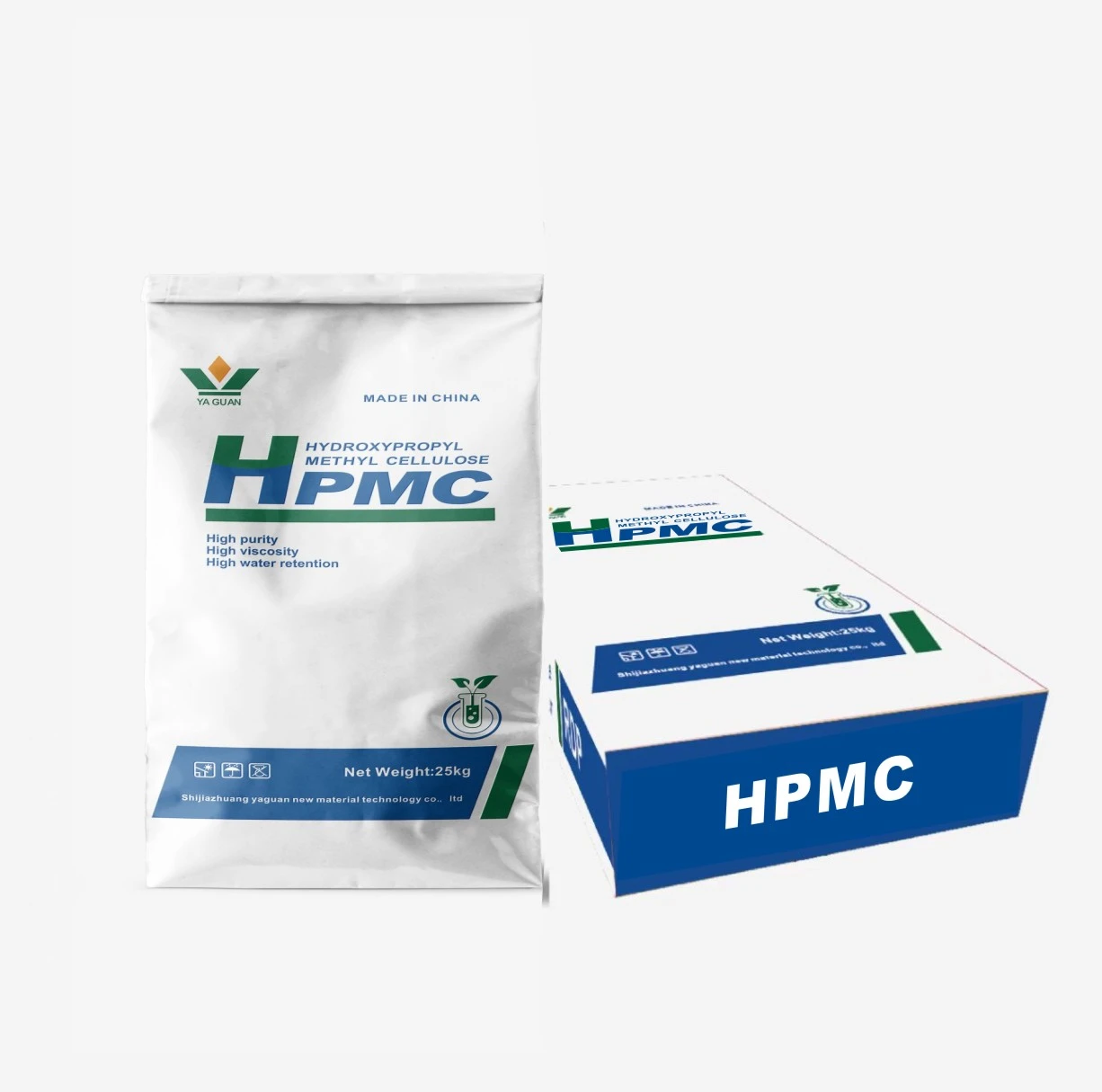
| Yaguan HPMC | Low to High Viscosity | ISO 9001, USP, Food Grade | Available on Request | Competitive |
| Global Cellulose Co. | Medium to High Viscosity | ISO 9001, FDA | Limited | Premium |
| EcoPolymer Ltd. | Low to Medium Viscosity | EcoCert, Food Grade | Yes | Moderate |
FAQs: Your Top Questions About HPMC as Grades Answered
Q1: What makes different HPMC grades better suited for pharmaceutical versus construction use?
A: It mainly boils down to purity, viscosity, and regulatory certification. Pharmaceutical grades must meet stringent safety and dissolution profiles, often with narrow viscosity ranges to control drug release. Construction grades focus on water retention and workability, typically requiring higher viscosities and thermal stability.
Q2: How can manufacturers test if their HPMC grade fits their product application?
A: Rheology testing and solubility trials are key. Manufacturers usually prepare test batches, checking viscosity at specific concentrations under temperature-controlled conditions. Other tests like film formation, thermal degradation, and microbial limits assessments help confirm suitability.
Q3: Are all HPMC grades eco-friendly?
A: Generally, yes—they are cellulose-based and biodegradable. However, environmental certifications vary by supplier and production method. Bio-based or organic-certified grades minimize solvent use and energy, making them preferable for green applications.
Q4: Can HPMC grades be customized?
A: Absolutely. Many suppliers offer tailored viscosity ranges, particle sizes, and substitution levels to meet unique customer needs, which can optimize performance and cost-efficiency.
Q5: How important is supplier certification when choosing HPMC grades?
A: Critical. Certifications like ISO, USP, FDA, or EcoCert provide assurance about quality, safety, and compliance—vital for navigating international markets and meeting end-industry regulations.
Final Thoughts: Why Getting HPMC Grades Right Pays Off
At the end of the day, the secret to leveraging hpmc as grades lies in understanding the nuances behind the numbers and specs. Whether you’re formulating the next-generation plaster, a controlled-release capsule, or an eco-friendly paint, selecting the right grade helps you balance cost, performance, and sustainability.
It’s no small feat, but with rising environmental standards and global demand, mastering these grades will keep you ahead. If you want to delve deeper or source trusted materials, don’t hesitate to visit our website here.
References:
1. United Nations - World Urbanization Prospects (https://population.un.org/wup/)
2. ISO 9001 Standards Overview (https://www.iso.org/iso-9001-quality-management.html)
3. Wikipedia - Hydroxypropyl methylcellulose (https://en.wikipedia.org/wiki/Hydroxypropyl_methylcellulose)