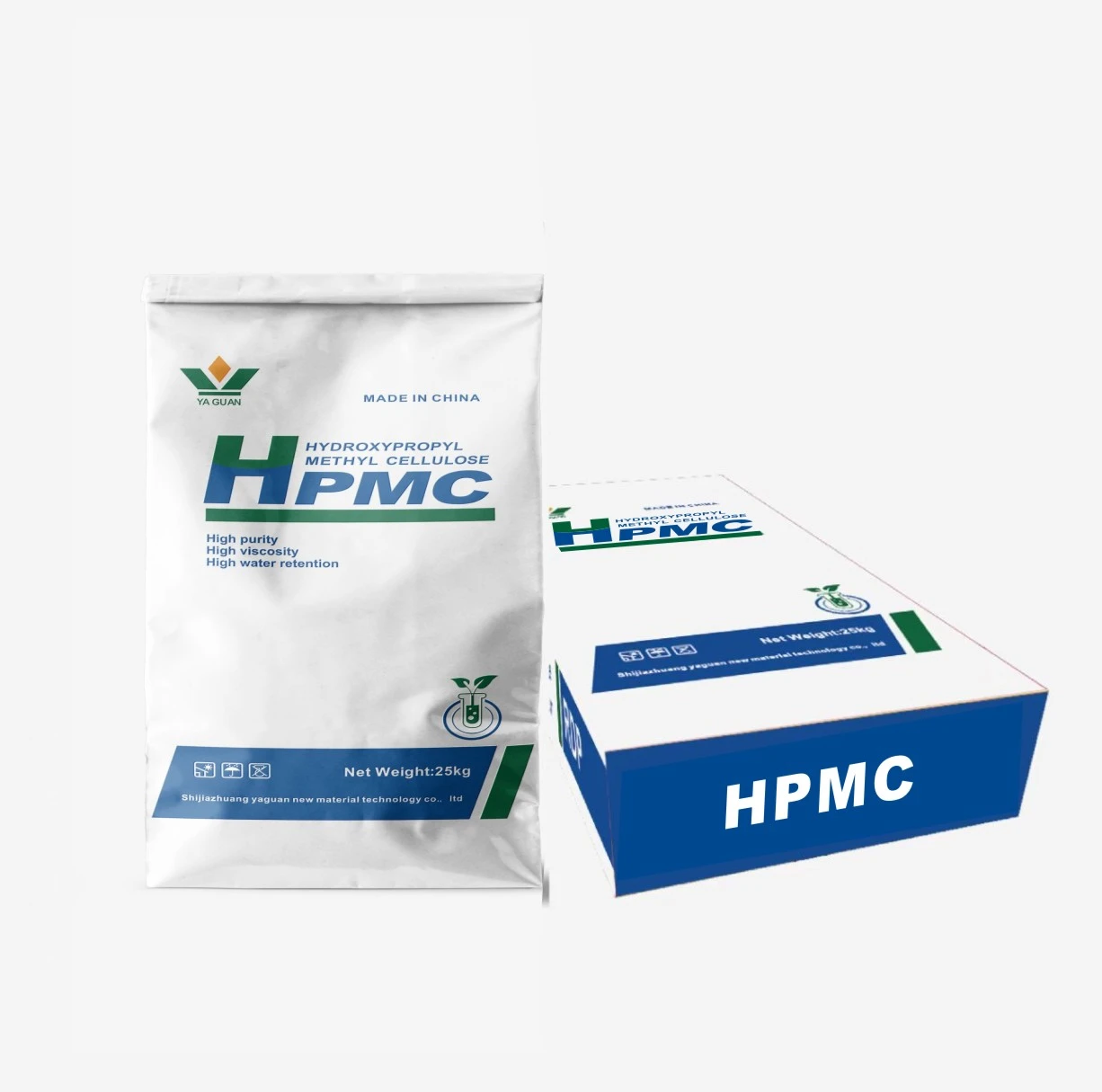

Why Understanding HPMC as Binder Matters Globally
If you've ever wondered about the humble substance helping hold together countless industrial products, you’ve basically stumbled on hydroxypropyl methylcellulose, or HPMC. As a binder, HPMC quietly supports everything from construction materials to pharmaceuticals — essentially playing the glue role that keeps structures and products intact. Globally, this means stronger buildings, more reliable delivery of medicine, and safer food packaging — all crucial in an increasingly resource-conscious world. Understanding HPMC as binder shines light on a compound that’s both versatile and sustainable, with economic and environmental ripples far beyond the labs or factory floors where it’s made. ---The Global Context: Why the World Needs Reliable Binders Like HPMC
To place HPMC as binder in its global frame, consider this: the construction industry, projected to reach $15 trillion by 2030 according to the World Bank, hinges on high-performance materials that combine durability with environmental responsibility. Meanwhile, the UN’s sustainability goals push industries towards greener alternatives, where synthetic binders often fall short. HPMC fits neatly into this picture — a cellulose derivative sourced from plant matter, offering a biodegradable, non-toxic option that supports innovation in everything from plaster and tile adhesives to pharmaceutical capsules. Yet, challenges abound. Markets struggle with cost pressures, climate mandates, and a race to innovate that leaves little room for error. Here, HPMC acts less like a chemical and more like a problem solver — improving consistency and adhesive strength without the environmental tradeoffs seen in petrochemical binders. ---What Exactly Is HPMC as Binder?
Simply put, hydroxypropyl methylcellulose is a water-soluble polymer derived from cellulose. When used as a binder, it effectively glues particles or components together, enhancing texture, strength, and stability. It’s like the industrial version of the sticky note — but far more sophisticated, ensuring that products don’t crumble or lose form over time. On the humanitarian or modern industrial front, imagine disaster-relief housing or protective coatings: materials must hold together under variable conditions, and HPMC’s moisture retention and film-forming abilities step up to that challenge. It’s those invisible yet essential qualities that make HPMC a keystone in manufacturing and development projects worldwide. ---Key Features That Make HPMC Essential as a Binder
1. Durability
HPMC enhances material toughness by forming cohesive films that resist cracking and wear. This means longer-lasting products, whether in construction panels or pharmaceutical tablets. The strength it imparts is surprisingly flexible — materials gain resilience without brittleness.2. Moisture Retention & Control
One neat aspect is HPMC’s ability to control water content. In cementitious mixes, for example, this leads to improved workability and curing times — farmers and engineers alike appreciate this consistent hydration control.3. Non-Toxic & Biodegradable
Derived from natural cellulose, HPMC doesn’t add environmental hazards. Its biodegradability aligns well with stringent eco-standards critical in modern supply chains and disaster-relief initiatives.4. Versatility & Compatibility
Being compatible with diverse compounds – inorganic powders, polymers, and even pharmaceuticals – makes HPMC a binder of choice for manufacturers who juggle complex formulations.5. Cost Efficiency
While not the cheapest binder on the market, HPMC balances price with performance benefits, reducing waste and failure rates, which ultimately saves money. Mini takeaway: HPMC marries eco-friendly origins with robust industrial performance — a rare combo that keeps industries moving forward without sacrificing sustainability. ---Real-World Examples: HPMC as Binder in Action
Around the globe, HPMC’s role is far from abstract. In the rapidly urbanizing regions of Southeast Asia, manufacturers use HPMC in tile adhesives and gypsum plasters, boosting infrastructure quality with local materials. In Europe, pharmaceutical giants rely on HPMC for creating controlled-release capsules, ensuring medication efficacy over extended periods. Oddly enough, humanitarian missions in disaster zones – Haiti after the 2010 earthquake, for example – have turned to HPMC-enhanced materials for fast-building shelters that must endure heat, moisture, and rough handling. It’s like a silent partner supporting dignity in the hardest situations. Mini takeaway: Whether urban projects or emergency relief, HPMC as binder proves indispensable and adaptable across varied geographies and industries. ---Advantages and Lasting Value of Using HPMC as Binder
HPMC’s benefits are manifold. On the financial front, it reduces formulation defects and enhances production efficiency, trimming costly reworks. Ecologically, its plant-based origin and biodegradability lessen waste problems typical of synthetic binders. Socially, using HPMC means safer living environments. For instance, stronger bonds in building materials translate to structures that withstand weather, protecting families and livelihoods. It’s that emotional security combined with technical reliability that underpins trust in modern manufacturing. ---Emerging Trends and the Future of HPMC in Industry
Innovation around HPMC isn’t standing still. Green chemistry research focuses on enhancing its functionality with nanomaterials, creating even more durable and smart binders. Moreover, digital transformation in manufacturing means HPMC formulations are increasingly tailored via AI-driven models, optimizing properties for custom applications. Policies favoring sustainability further boost demand — certification schemes now look for binders that mitigate carbon footprints, making HPMC a preferred option globally. Oddly enough, the “smart binder” future is closer than you think. ---Challenges and How Industry Leaders Are Tackling Them
Despite its perks, HPMC faces obstacles: sensitivity to extreme pH or temperature can limit some use cases; also, higher costs compared to cheap synthetic binders pose market entry barriers. Yet, experts suggest blending HPMC with complementary polymers or advancing production methods to cut costs. Some companies invest in large-scale extraction from abundant biomass to scale sustainably. The industry’s collaborative approach is shaping solutions that balance performance, price, and sustainability. ---FAQ: Frequently Asked Questions About HPMC as Binder
Q1: What industries benefit most from using HPMC as binder?A1: Construction, pharmaceuticals, food, and cosmetics industries often use HPMC to improve product stability, moisture control, and safety. Its plant-based nature makes it attractive where sustainability is key. Q2: How does HPMC compare to synthetic binders in environmental impact?
A2: HPMC is biodegradable and sourced from renewable cellulose, whereas many synthetic binders are petroleum-based and persist in the environment, making HPMC a greener choice aligned with UN sustainability goals. Q3: Can HPMC handle harsh weather conditions in building applications?
A3: Yes, HPMC improves water retention and crack resistance, helping materials endure humidity and temperature fluctuations, though formulations may require adjustments for extreme climates. Q4: Is HPMC cost-effective for large-scale industrial use?
A4: While slightly pricier than some binders, HPMC's durability and reduced waste often lower total costs over time, making it economically viable for big projects. Q5: How can manufacturers source quality HPMC?
A5: Trusted suppliers with standardized production and quality certifications are vital. Look for vendors with transparent sourcing and compliance with ISO or equivalent standards. ---
Product Specification Table for Common Grades of HPMC as Binder
| Specification | Grade A | Grade B | Grade C |
|---|---|---|---|
| Methoxy Content (%) | 28 - 30 | 27 - 29 | 26 - 28 |
| Hydroxypropyl Content (%) | 7 - 12 | 8 - 10 | 6 - 9 |
| Viscosity (mPa·s at 2% concentration) | 1000 - 3000 | 4000 - 6000 | 7000 - 9000 |
| pH (1% solution) | 5 - 8 | 5 - 7 | 6 - 7.5 |
| Appearance | White Powder | Off-white Granules | Fine Powder |
Vendor Comparison for HPMC Suppliers
| Supplier | MOQ (tons) | Price Range ($/kg) | Quality Certifications | Lead Time (weeks) | Regional Presence |
|---|---|---|---|---|---|
| AlphaCellulose Ltd. | 5 | 3.20 - 3.80 | ISO 9001, FDA | 3-4 | North America, Europe |
| BioBind Chemicals | 2 | 3.50 - 4.10 | GMP, ISO 14001 | 2-3 | Asia, Middle East |
| CelluBind Corp. | 10 | 2.90 - 3.50 | ISO 9001, REACH | 4-5 | Global |