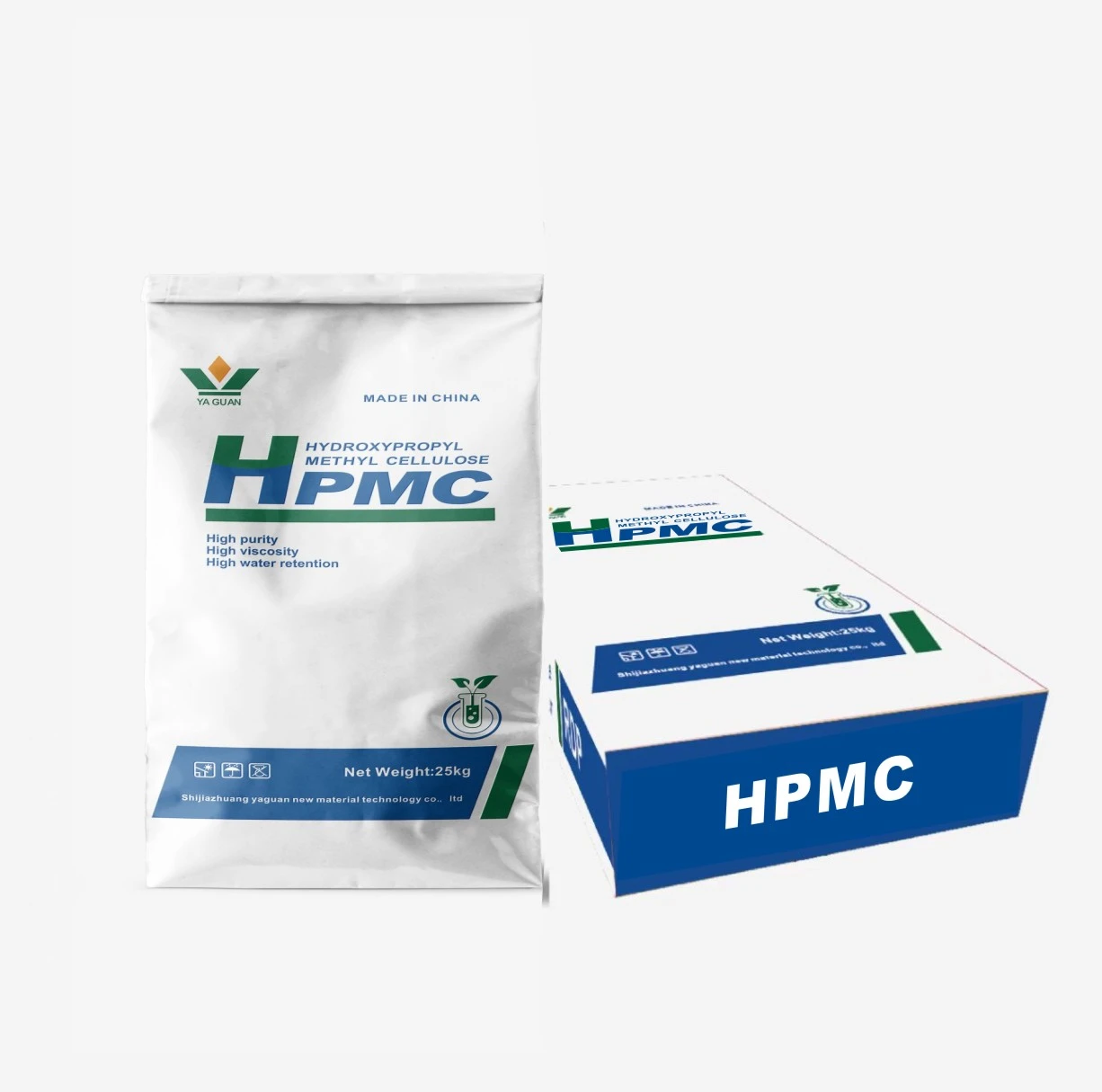
Understanding HPMC Cellulose: Why It Matters Globally
Sometimes, the simplest materials hide a universe of innovation beneath their modest surfaces. Hydroxypropyl Methylcellulose — or hpmc cellulose as it’s commonly known — is one such marvel. It isn’t just another chemistry term tossed around in labs. This cellulose derivative is quietly reshaping industries, from pharmaceuticals to construction, and even humanitarian aid worldwide.
Why care? Because in an increasingly resource-conscious, sustainability-driven world, materials like hpmc cellulose offer solutions that promise durability, eco-friendliness, and versatility previously hard to find all wrapped up in one. Whether you’re an engineer looking for better building adhesives, or a relief worker needing safer construction materials quickly, hpmc cellulose’s key benefits deserve attention.
Mini takeaway: Appreciating hpmc cellulose unlocks pathways to greener, stronger, and more adaptive products globally.
The Global Importance of HPMC Cellulose Today
Looking at the bigger picture, cellulose derivatives rank among the most sustainable raw materials available on Earth. According to the International Organization for Standardization (ISO), sustainable materials with renewability and biodegradability criteria are a priority in manufacturing’s future. HPMC fits the bill by being plant-derived, biodegradable, yet surprisingly adaptable.
Market analyses show rising demand: the global cellulose ethers market is projected to cross $2.5 billion by 2027, driven largely by construction booms in Asia-Pacific and increasing pharmaceutical applications across Europe and North America. HPMC cellulose is key here — it’s a binder, thickener, and stabilizer used in drywall compounds, controlled drug release systems, and even cosmetics.
However, the challenge is clear: developing materials that meet strict environmental regulations while keeping costs reasonable and performance reliable. HPMC cellulose steps in exactly where synthetic polymers struggle — offering an eco-friendly alternative without sacrificing lab-tested efficiency.
Mini takeaway: HPMC cellulose is not just trending; it’s a critical component in meeting global sustainability and industrial needs.
What Is HPMC Cellulose? A Simple Definition
Put simply, hpmc cellulose is a chemical modification of cellulose, the natural polymer found in plant cell walls. Hydroxypropyl methyl groups are attached to the cellulose backbone, creating a water-soluble, non-ionic cellulose ether. This chemical tweak changes cellulose’s properties drastically — turning it from a fibrous, insoluble structure into a versatile thickener, film former, and stabilizer.
In real-world terms, this means that hpmc cellulose can improve mechanical strength in construction materials, control drug dissolution rates in tablets, and boost viscosity in paints or food products. It’s kind of like cellulose’s much more user-friendly cousin. And strangely enough, despite all its industrial prowess, it remains biodegradable and non-toxic — a perfect harmony of performance and sustainability.
Mini takeaway: HPMC cellulose is a chemically enhanced cellulose that dramatically broadens applicability without losing eco-credentials.
Core Properties That Make HPMC Cellulose Stand Out
1. Water Solubility and Film Forming Ability
Unlike pure cellulose, hpmc cellulose dissolves readily in cold water, forming clear, viscous solutions. This makes it invaluable as a binder and film former in construction and pharmaceuticals. For instance, drywall compounds rely on its water retention and adhesive qualities.
2. Thermal Stability
Many cellulose derivatives lose integrity at elevated temperatures, but hpmc cellulose remains stable up to around 180°C. This property widens its application scope, from drying processes to heat-resistant coatings.
3. Non-ionic and Biocompatible
The fact it is non-ionic allows compatibility with various ingredients and additives without unwanted chemical reactions. Hence, it is preferred for pharmaceutical tablets where bio-safety is paramount.
4. Eco-Friendliness and Biodegradability
Derived from wood pulp or cotton fibers, hpmc cellulose offers an environmentally responsible alternative to synthetic polymers that persist indefinitely in the environment.
5. Versatility Across pH Ranges
It maintains function across acidic to alkaline environments, broadening its usability across different industrial sectors, from acidic cleaning agents to basic construction slurries.
| Property | Description | Typical Values |
|---|---|---|
| Water Solubility | Fully soluble in cold water | Yes |
| Viscosity Range | Adjustable by molecular weight substitution | 100 - 10,000 mPa·s |
| Thermal Stability | Stable up to | ~180°C |
| pH Compatibility | Functional across broad pH range | pH 3 - pH 11 |
| Biodegradability | Fully biodegradable under normal conditions | Yes |
Mini takeaway: The mix of water solubility, thermal resilience, and eco-safety make hpmc cellulose an industrial favorite.
Global Applications and Use Cases of HPMC Cellulose
The diversity of hpmc cellulose's applications is honestly astonishing. In construction, it’s a go-to additive in plaster, cement, and tile adhesives — helping these materials hold together longer and resist cracks. You'll spot it in drywall muds, improving workability and drying properties.
In pharma, hpmc cellulose is king for controlled-release tablets and capsules, ensuring medicine dissolves precisely at the right moment and place in the body. It's even used in eye drops as a lubricant, thanks to its biocompatibility.
Geographically, Asia’s booming construction industry is a major consumer, especially China and India. Europe focuses more on pharmaceutical-grade hpmc cellulose, with companies adhering to stringent ISO and USP (United States Pharmacopeia) standards. NGOs have even used it in disaster-relief interventions, where construction materials need to be fast-setting, durable, and non-toxic.
To put it plainly: whether building homes after a flood in Indonesia or manufacturing essential medicines in Germany, hpmc cellulose plays a quiet but vital role.
Mini takeaway: From sprawling urban builds to critical healthcare solutions, hpmc cellulose stretches across sectors and continents.
Advantages and Long-Term Value of Using HPMC Cellulose
- Cost Efficiency: Compared to some synthetic polymers, hpmc cellulose often delivers equal or better performance at a competitive price point, reducing waste and rework.
- Sustainability: Its plant-based origin and biodegradability mean less environmental burden, aligning with global green initiatives.
- Safety and Reliability: Non-toxic and compatible with many materials, it supports safer manufacturing environments and end products.
- Social Impact: Used in humanitarian contexts, it enhances quality of life by enabling safer, faster construction and better drug delivery methods.
- Trust and Innovation: It consistently helps manufacturers meet evolving regulatory requirements and innovate new product lines.
In short, hpmc cellulose brings a sort of peace of mind and future-proofing that’s hard to quantify but felt deeply in product quality.
Mini takeaway: The tangible benefits of hpmc cellulose extend beyond dollars to sustainability, safety, and social good.
Emerging Trends and Innovations Surrounding HPMC Cellulose
What’s next for hpmc cellulose? Well, research is diving into nano-enhanced cellulose ethers — combining hpmc with nanomaterials for improved mechanical and barrier properties. Digital formulation techniques help tailor viscosity and release profiles precisely, making custom solutions more routine.
On the green policy front, regulatory pushes for reduced plastic waste increasingly favor cellulose ethers. Some firms are exploring hybrid bio-based composites, blending hpmc with algae-based polymers for enhanced eco-performance.
Automation in production also allows better quality control and scale-up speeds, meeting growing global demand faster. Oddly enough, while it feels like just a humble derivative, hpmc cellulose is quietly riding the wave of the industrial digital and sustainability revolutions.
Mini takeaway: Innovation and sustainability are tightly woven with hpmc cellulose’s future in mind.
Challenges and How Industry Is Meeting Them
Yet, it’s not all smooth sailing. Variability in raw material sources can affect purity and viscosity, causing batch inconsistency — a headache in pharmaceutical manufacturing. Supply chain disruptions occasionally delay availability, especially in global crises.
On the environmental side, while biodegradability is a win, ensuring composting conditions in real-world waste streams remains a work in progress.
Experts suggest tighter raw material standards and advanced analytical testing to tackle these issues. Some manufacturers are investing in vertically integrated sourcing to stabilize supply. Partnerships with waste management entities to promote effective biodegradation protocols are also emerging as pragmatic solutions.
Mini takeaway: Challenges exist, but ongoing research and strategic partnerships are paving the way forward.
HPMC Cellulose Product Specification Snapshot
| Parameter | Specification | Typical Industrial Use |
|---|---|---|
| Appearance | Off-white powder | General manufacturing |
| Loss on Drying | ≤5% | Quality control |
| pH of 1% solution | 5-8 | Chemical stability |
| Viscosity (mPa.s at 2% solution) | 2000-6000 | Binder/thickener |
| Methoxy content (%) | 19-24 | Solubility control |
Vendor Comparison: Leading Suppliers of HPMC Cellulose
| Manufacturer | Key Strength | Product Range | Regional Reach | Sustainability Focus |
|---|---|---|---|---|
| Company A | High quality pharma grades | 10+ variants | Global | ISO 14001 certified |
| Company B | Competitive pricing | 5 core types | Asia-Pacific focus | Renewable sourcing |
| Company C | Custom formulations & tech support | 12+ specialty grades | Europe, North America | Carbon-neutral facilities |
FAQ: Common Questions About HPMC Cellulose
What is the main difference between hpmc cellulose and other cellulose ethers?
Hpmc cellulose offers superior water solubility and thermal stability compared to many other cellulose ethers. It's non-ionic, meaning it's less reactive and more compatible with various additives, making it ideal for pharmaceuticals, construction, and food industries.
Can hpmc cellulose be used in eco-friendly construction materials?
Absolutely. Its biodegradability and plant origin make it an excellent additive for sustainable building materials like plaster and tile adhesives, enhancing mechanical strength without adding harmful chemicals.
How long can hpmc cellulose-based products last under typical industrial conditions?
Products containing hpmc cellulose usually maintain functionality for several years under normal environmental exposure, thanks to its thermal stability and chemical resistance.
Is hpmc cellulose safe for pharmaceutical applications?
Yes, extensively tested and non-toxic, hpmc cellulose is a standard binder and controlled-release agent approved by regulatory agencies worldwide.
Where can I source high-quality hpmc cellulose for industrial use?
Reliable vendors include global firms with ISO certifications and specialized formulations. Visit our site for information about high-grade and custom hpmc cellulose products.
Wrapping Up: The Long-Term Value of Embracing HPMC Cellulose
In a world hungry for sustainable innovation, hpmc cellulose quietly shines as a multi-industry powerhouse. From green construction to lifesaving pharmaceuticals, it balances performance, ecology, and cost-effectiveness in ways few materials can match. Exploring, adapting, and investing in hpmc cellulose today means stepping into tomorrow’s safer, smarter industries.
Curious? Ready to see how hpmc cellulose can transform your products or projects? Visit our website and let’s get started.
Final takeaway: Sometimes, the future of industry is rooted in nature’s smart chemistry — and hpmc cellulose exemplifies exactly that.