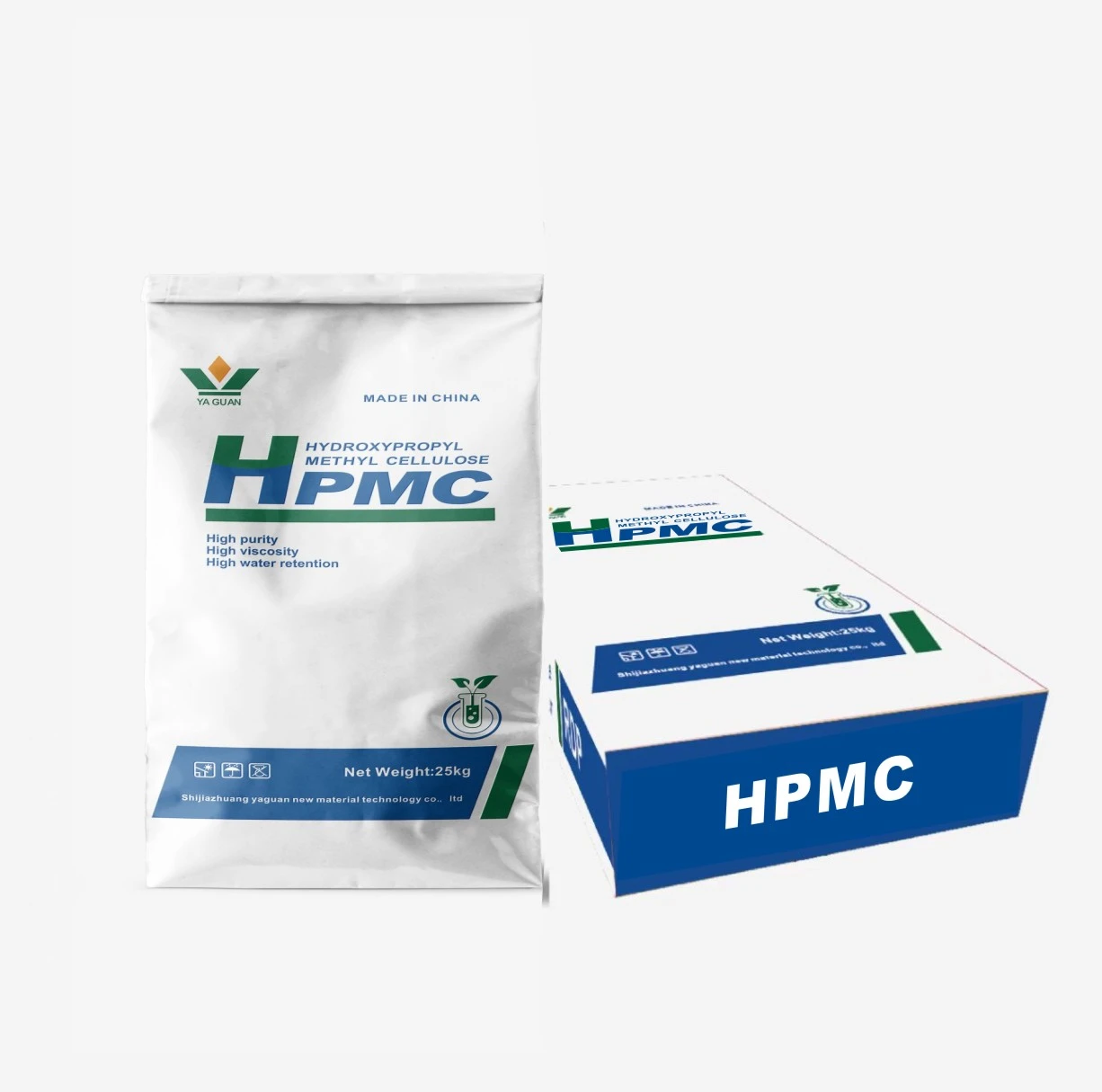

The HPMC Chemical Full Form: Why It Matters in Today's Global Industry
Understanding the HPMC chemical full form isn’t just for chemists tucked away in labs—it’s actually quite pivotal in many industries around the world, from pharmaceuticals to construction, and even in food technology. HPMC, or Hydroxypropyl Methylcellulose, is a versatile, cellulose-derived polymer that acts as a binder, thickener, and film former. If you’ve ever wondered why certain medicines dissolve just right or why some coatings last longer, the answer probably involves HPMC.
Its significance stretches beyond convenience to environmental sustainability and innovation, making it a kind of quiet backbone in global manufacturing and humanitarian sectors. So, let’s take a closer look, shall we?
Global Context: Why Knowing the HPMC Chemical Full Form Is More Relevant Than Ever
In today’s marketplace—where supply chains are global and standards are dictated by organizations like ISO and the United Nations—knowing hpmc chemical full form is essential. Hydroxypropyl Methylcellulose has seen increased usage worldwide, particularly in Europe, Asia-Pacific, and North America, driven by rising demand in construction materials, pharmaceuticals, and even vegan food products.
For context: the global cellulose ethers market alone topped $700 million in recent years, growing about 5% annually (source: industry reports citing ISO standards). HPMC helps address problems like improving drug delivery in Asia’s burgeoning pharmaceutical industry and augmenting the sustainability of dry-mix mortars in Europe. But the complexity of chemical names often deters those outside chemistry circles. That’s why unlocking the full form and meaning of HPMC is a small step with a surprisingly big impact.
HPMC Chemical Full Form Defined: Hydroxypropyl Methylcellulose Explained
So, what exactly does “HPMC” stand for? Hydroxypropyl Methylcellulose is a semi-synthetic, inert, viscoelastic polymer derived by chemically modifying cellulose — the most abundant organic polymer on Earth. Stripped down, it’s a cellulose molecule with methyl and hydroxypropyl groups attached. This makes it water-soluble, non-toxic, and versatile.
In industry terms: think of HPMC as a natural cellulose backbone enhanced to perform as a thickening agent, emulsifier, or film former. It plays a role in everyday items from eye drops to construction adhesives.
Why does this matter globally?
Hydroxypropyl Methylcellulose meets modern industry demands for biodegradable, safe materials that work reliably in diverse conditions—from harsh climates to delicate medical uses.
Core Factors Behind HPMC's Widespread Use
1. Water Retention & Moisture Control
HPMC’s ability to retain water makes it invaluable in building materials like drywall plaster and cement. It prevents cracking and shrinkage, especially in arid or fluctuating climates.
2. Film Forming and Binding Capabilities
In pharmaceuticals, HPMC helps tablets keep their shape, dissolving properly for optimal drug release. This is critical to patient safety and efficacy.
3. Biocompatibility and Non-Toxicity
Because it’s derived from natural cellulose and passes strict regulatory criteria, HPMC is trusted in food additives, cosmetics, and medical products. It’s no surprise many manufacturers prefer it over synthetic alternatives.
4. Thermal Stability
HPMC retains its structure in a wide temperature range. This flexibility means it can be used in everything from cold-chain pharmaceuticals to hot-mix mortars.
5. Versatility in Viscosity
One can tailor HPMC’s viscosity by tweaking its molecular makeup, making it suitable for a spectrum from thin sprays to thick pastes.
Mini Takeaway:
HPMC, or Hydroxypropyl Methylcellulose, is like the Swiss army knife of cellulose ethers—versatile, reliable, and just what many industries need to function smoothly across different climates and applications.
How is HPMC Applied Around the World?
The uses of HPMC stretch over continents and sectors:
- Pharmaceuticals: Used in tablet coatings and controlled-release formulations in North America and Europe.
- Construction: Employed in India and China as an additive in cement and plaster to improve strength and workability.
- Food Industry: Acts as a vegan-friendly thickener and stabilizer, increasingly popular in European and US plant-based foods.
- Cosmetics: Integrated as a stabilizer and moisturizer in Asia-Pacific beauty products.
For example, after the 2015 Nepal earthquake, plastering mortars containing HPMC were fast-tracked to help rebuild durable, moisture-resistant structures in challenging weather — aiding humanitarian relief efforts in ways many wouldn’t expect from a “chemical”.
Product Specification Table: Typical HPMC Characteristics
| Property | Value Range | Unit |
|---|---|---|
| Methoxy content | 19–30 | % (wt) |
| Hydroxypropyl content | 4–12 | % (wt) |
| Viscosity (2% solution) | 100–4000 | mPa·s |
| pH Value (1% solution) | 5–8 | |
| Solubility | Water soluble |
Comparing HPMC Suppliers: A Quick Look at Industry Vendors
| Vendor | Primary Market | Availability | USP |
|---|---|---|---|
| Yagua Chemicals | Asia, Global | 24/7 Global Shipping | Wide viscosity range, customizable grades |
| Sigma-Aldrich | Pharma, Food | Global | High purity, pharmaceutical grade |
| Ashland Inc. | Construction, Industrial | Global | Specialty cellulose ethers for durability |
Why Choose HPMC? Advantages and Lasting Value
There’s a logical and emotional appeal to HPMC that’s worth noting. Cost-wise, it's relatively inexpensive compared to synthetic polymers, and because it’s water-soluble and biodegradable, it supports sustainability goals that industries increasingly must meet.
Functionally, products enhanced with HPMC often deliver consistent performance across seasons and geographies, reducing risk for businesses and improving user trust. And on a human level, think of medicine that dissolves perfectly or buildings that resist cracks — that’s safety and dignity wrapped into one.
Looking Ahead: Trends in HPMC Usage and Innovation
As green energy and sustainability dominate research agendas, expect to see HPMC formulations further optimized with bio-based additives or engineered for lower carbon footprint manufacturing. Digital automation also plays a role here — manufacturers use real-time viscosity and purity monitoring to tweak batches precisely.
Governments and environmental bodies, including UN sustainability frameworks, are nudging industries to favor naturally derived polymers like HPMC over petrochemical alternatives. That means investment in R&D around this chemical full form won’t slow down anytime soon.
Challenges in Using HPMC and How to Overcome Them
Despite being mighty useful, HPMC isn’t perfect. Its sensitivity to pH and salts can sometimes limit use in extreme conditions. Moreover, some industries require ultra-high purity grades that can be costly.
Fortunately, ongoing research in chemical modification and hybrid composites is helping tailor the molecule to tougher environments. For businesses, partnering with expert suppliers who offer custom grades—like Yagua Chemicals—can be a game-changer.
FAQ: Practical Questions about HPMC Chemical Full Form
-
Q: What does HPMC stand for, and why is it used in pharmaceuticals?
A: HPMC stands for Hydroxypropyl Methylcellulose. It’s widely used in pharmaceuticals as a binder and coating agent that controls how tablets dissolve, ensuring accurate drug delivery and stability. -
Q: Is HPMC eco-friendly compared to synthetic polymers?
A: Yes, HPMC is derived from natural cellulose and is biodegradable, making it a greener alternative to many synthetic polymers used in construction and food industries. -
Q: How is HPMC applied in construction materials?
A: HPMC acts as a water retention agent and viscosity modifier in plaster, mortars, and tile adhesives, enhancing workability and preventing premature drying or cracking. -
Q: Where can I find trustworthy HPMC suppliers?
A: Several large suppliers exist globally, including Yagua Chemicals, Sigma-Aldrich, and Ashland Inc. Choosing suppliers offering customizable specifications and reliable shipping is crucial. -
Q: Can HPMC be tailored to different viscosity levels?
A: Absolutely. By adjusting the methoxy and hydroxypropyl group content during manufacturing, HPMC’s viscosity can be customized from thin liquids to thick gels to fit specific industrial needs.
Wrapping Up: Why the HPMC Chemical Full Form Should Be on Your Radar
To circle back — knowing hpmc chemical full form is not just alphabet soup. It unlocks understanding of a crucial material enabling safer medicines, sustainable buildings, and innovative food products worldwide. The adaptability, environmental benefits, and proven performance make HPMC a smart choice for industries seeking both reliability and future-proof solutions.
Curious to explore how HPMC can fit into your product line or project? Check out Yagua Chemicals' latest offerings for high-quality cellulose ethers tailored to your needs.
Reflecting on the Journey
Summing up, HPMC feels like one of those unsung heroes in the chemical world—quietly enabling progress behind the scenes. It’s a perfect example of how understanding a simple chemical full form can unlock a world of technical know-how and practical applications. Sometimes, the most impactful knowledge starts with three little letters.