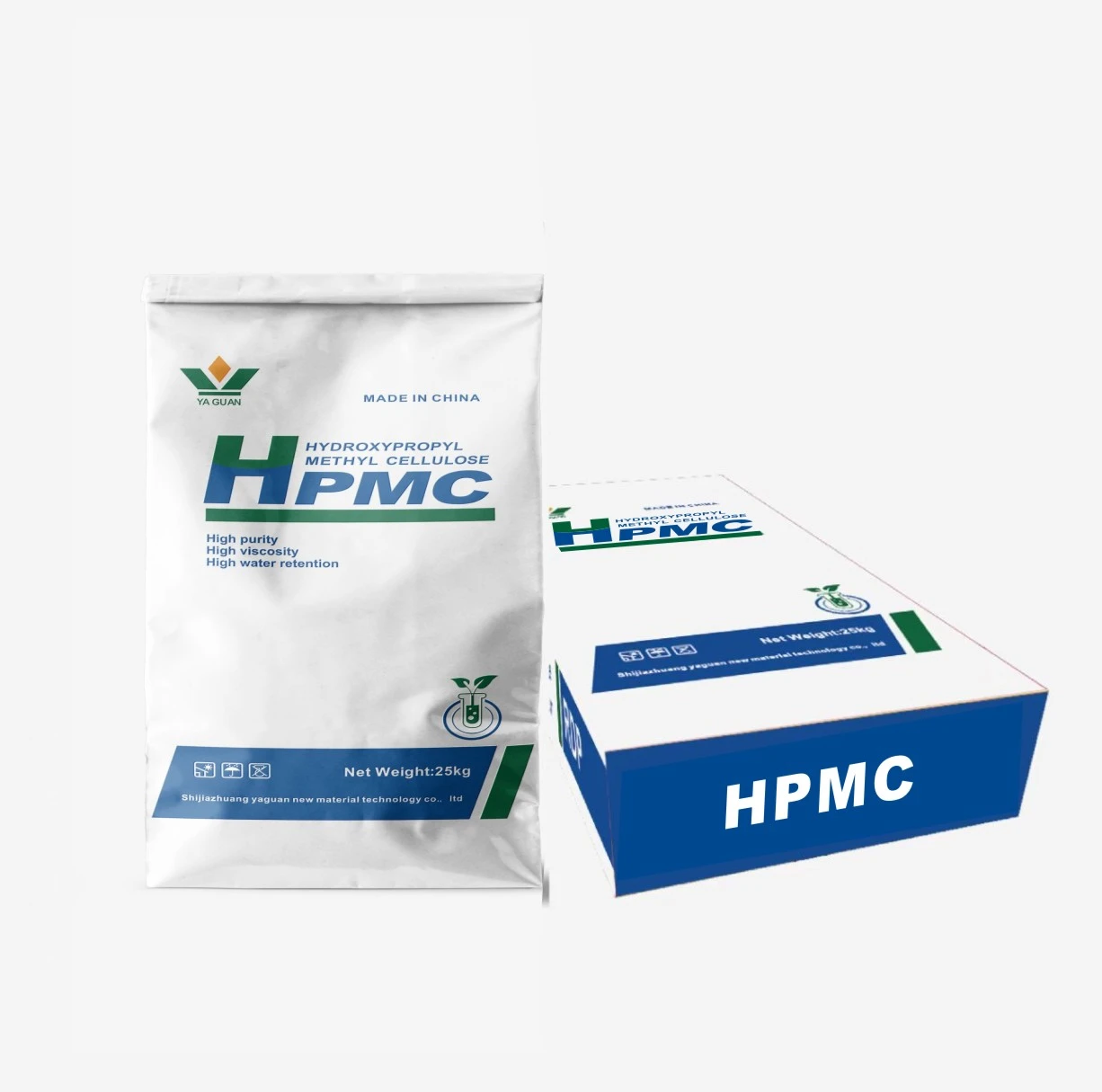

Getting to Know HPMC Coating: A Vital Shield for Modern Industry
Hydroxypropyl Methylcellulose, affectionately abbreviated as HPMC coating, might not roll off your tongue like a catchy brand name, but it’s quietly powering crucial advances in industries around the world. At its core, this “smart” polymer coating enhances product performance by improving durability, moisture resistance, and even ease of application. Whether you’re in pharmaceuticals, construction, or the food industry, understanding hpmc coating can save money, boost quality, and help meet stringent global standards.
Why does it matter? Globally, industries grapple with challenges like material degradation, contamination, and regulatory compliance that can cause costly delays. Enter HPMC coatings — tiny molecular defenders that boost shelf life, reduce waste, and improve safety, sparking innovation across supply chains and manufacturing spots from Asia to Europe to the Americas.
The Global Footprint of HPMC Coating: Challenges It Tackles
Across sectors, we’re seeing more stringent rules on product integrity and environmental impacts. According to the International Organization for Standardization (ISO), adopting sustainable materials and coatings aligns with global sustainability goals, such as reducing carbon footprints and chemical hazards (ISO 14000 series). Here, HPMC coatings shine as eco-friendly alternatives to traditional synthetic polymers that rely heavily on petrochemicals.
On a practical level, many manufacturers face a big problem: How to preserve goods effectively without driving costs or risking toxicity? HPMC coating solves this with a unique structure that offers water solubility, film-forming ability, and non-toxic characteristics — making it a “go-to” for compliance-minded industries worldwide.
What Exactly Is HPMC Coating?
Put simply, HPMC coating is a cellulose derivative, a chemically modified natural polymer that functions as a protective layer on various surfaces. Imagine it as a silky shield that offers moisture retention, mechanical protection, and controlled release of active ingredients. It's soluble in cold water, easy to handle, and compatible with many formulations, making it a versatile hero in coatings technology.
In humanitarian contexts, HPMC coatings play subtle but vital roles. For example, they’re key in developing controlled-release pharmaceuticals or enhancing the durability of shelter materials in disaster zones. These coatings help maintain product integrity and safety, directly improving people’s lives.
Core Factors Defining the Power of HPMC Coating
1. Durability
HPMC coatings often improve resistance against moisture, abrasion, and chemical attack, lengthening the lifespan of treated products. This is crucial for packaging or protective layers that face harsh environments.
2. Safety & Non-Toxicity
Being derived from cellulose— the main component of plant cell walls— HPMC is naturally safe and non-irritant. It’s widely accepted in pharmaceutical and food-grade products, reassuring manufacturers and consumers alike.
3. Cost Efficiency
Compared with some synthetic alternatives, HPMC coatings are relatively cheap to produce and apply. Their efficiency reduces waste and rework, saving money in large-scale processes.
4. Application Flexibility
These coatings adapt well to different application methods — spray, dipping, or brush coating — making them practical for diverse industrial needs.
5. Compatibility & Environmental Impact
HPMC coating’s biodegradability and lack of harmful residues align with growing environmental regulations, supporting corporate green initiatives.
| Property | Value / Range | Notes |
|---|---|---|
| Solubility | Cold water soluble | Eases processing at ambient temperature |
| Appearance | White to off-white powder | Affects coating color and opacity |
| Viscosity (2% solution) | 100–4000 mPa·s | Tailored for thickness and film strength |
| pH Stability | pH 4–11 | Works across various chemical environments |
| Biodegradability | Yes | Supports sustainable initiatives |
Mini takeaway: HPMC coating balances functionality and safety elegantly, carving a niche where durability and eco-consciousness meet.
Real-World Applications: Where HPMC Coating Makes a Difference
This polymer coating has found its way into myriad industries worldwide. Pharmaceutical companies use it extensively for tablet film coatings, improving taste masking and controlled active ingredient release. Food producers rely on it for edible coatings that can extend shelf life without synthetic chemicals.
In construction, HPMC coatings enhance cement-based products’ water retention, crucial for proper curing and increased strength — a sort of “invisible guardian” in building resilience. Humanitarian projects employ these coatings in shelters and medical supplies, where durability and safety translate directly into saved lives. Yum, thinking of how those humble coatings have such reach makes you appreciate the complexity behind everyday materials.
In Asia Pacific, manufacturers increasingly unify sustainability with performance, meeting rising consumer demand for green products. European firms lean on HPMC for compliance with stringent environmental laws. Even remote mining operations in South America use HPMC coatings to protect equipment exposed to harsh conditions.
Why Industry Loves HPMC: Advantages and Lasting Value
- Cost-Effectiveness: Minimizes waste while offering versatile processing options.
- Eco-Friendly Profile: Biodegradable, non-toxic, and renewable, appealing to green-conscious brands.
- Reliability: Ensures consistent quality with stable chemical and physical properties.
- Safety & Compliance: Meets global food and pharmaceutical standards, supporting international trade.
- Emotional Benefit: Supports consumer trust and a brand’s social responsibility message—those often-overlooked intangibles that add so much weight.
Comparing the Leading HPMC Coating Vendors
| Vendor | Product Range | Global Reach | Unique Features | Price Level |
|---|---|---|---|---|
| Yaguan Industrial | Wide (Low to high viscosity) | Asia, Europe, Americas | Eco-certified, custom formulations | Mid |
| SigmaCell Corp. | Moderate (Standard viscosities) | Global | Research-backed, pharma certified | Premium |
| CelluCoat Ltd. | Narrow (Low viscosity only) | Europe, MENA | Organic sourced, FDA compliant | Mid-high |
Mini takeaway: Choosing your HPMC coating supplier depends on your viscosity needs, budget, and sustainability goals. Yaguan Industrial, for example, offers a well-rounded portfolio with eco-conscious certifications — something many buyers look out for these days.
Looking Ahead: The Future of HPMC Coating
Innovation hums just below the surface in the coatings world. Scientists working with HPMC are investigating bio-based crosslinkers to boost waterproofing without compromising biodegradability. Digital transformation means better predictive modeling for coating behavior, speeding up development cycles. There’s also growing interest in nanotechnology hybrids that combine HPMC particles with nano-silica or silver for antimicrobial surfaces — perfect for medical applications.
On the policy front, tightening environmental regulations worldwide will continue driving manufacturers toward greener materials like HPMC coatings. Sort of like the future and the past meeting midair — cellulose’s age-old natural properties combined with cutting-edge science.
Common Questions About HPMC Coating
Q1: What makes HPMC coating a better choice than traditional synthetic coatings?
A1: HPMC coatings offer biodegradable, non-toxic alternatives that maintain excellent moisture and mechanical protection. Unlike many synthetic options, they align well with sustainability goals and regulatory requirements in food, pharma, and construction.
Q2: How durable is an HPMC coating in humid or outdoor environments?
A2: While HPMC coatings resist moisture well, they are best suited for indoor or controlled environments. When formulated with additives or crosslinkers, durability improves significantly, making them practical even in moderately humid conditions.
Q3: Can HPMC coating be customized for unique product needs?
A3: Absolutely. Viscosity, film thickness, and drying times can be tailored through formulation tweaks, making HPMC coatings adaptable for everything from fast-drying cosmetics to slow-release pharmaceutical coatings.
Q4: Are there environmental certifications associated with HPMC coatings?
A4: Yes. Many suppliers ensure their HPMC coatings meet ISO eco-standards and FDA food-grade certifications, making them trustworthy for green manufacturing and consumer safety.
Q5: How can manufacturers source high-quality HPMC coating internationally?
A5: Partnering with global vendors, like Yaguan Industrial, who provide custom formulations and logistical support can simplify imports while meeting local compliance demands.
Wrapping It Up: Why HPMC Coating Remains a Smart Industrial Partner
In a world where materials need to do more — be safer, greener, and longer lasting — HPMC coating quietly delivers all that and more. From protecting medicines to strengthening buildings, its flexibility and sustainability make it a subtle but indispensable player in modern manufacturing.
If you’re exploring coating solutions for your projects, it’s definitely worth discovering how hpmc coating can fit your sustainability and performance goals — because making the right materials choice can ripple out in ways you’d never expect.
Happy coating!