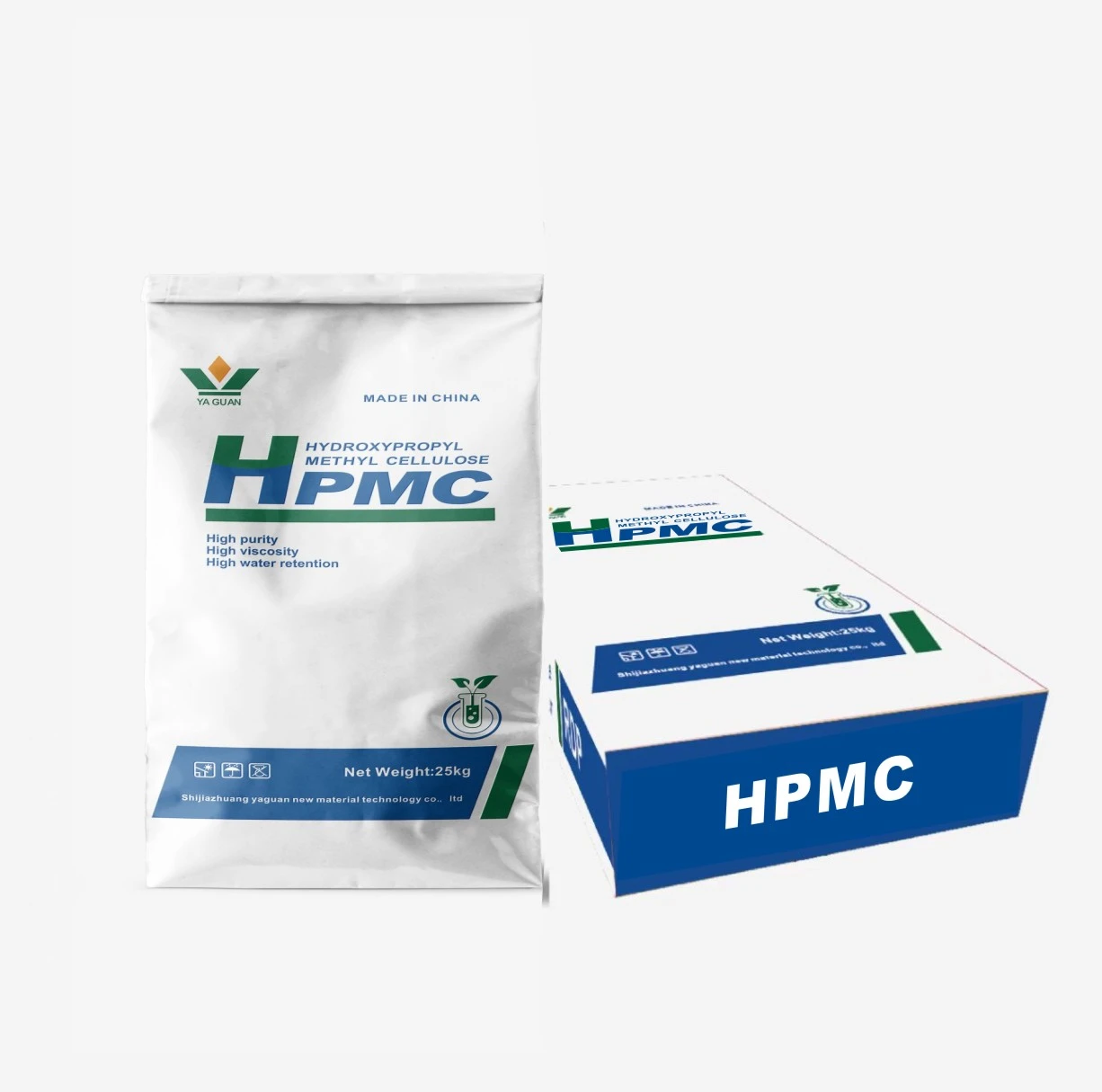

Why hpmc hypromellose Matters in Today’s Global Industry
If you’ve ever picked up a tablet, glanced at a construction blueprint, or marveled at modern food packaging, chances are hpmc hypromellose is quietly working behind the scenes. It’s one of those deceptively simple components that has reshaped various industries—from pharmaceuticals to construction—offering versatility that’s hard to beat.
Globally, the demand for reliable, sustainable materials that support better product performance and ecological outcomes keeps rising. According to the World Bank, with supply chains becoming more complex and consumer safety standards getting stricter, materials like hpmc hypromellose fill a niche that’s growing rapidly. It’s not just a fancy chemical; it’s a practical solution addressing emerging challenges in product safety, manufacturing efficiency, and sustainability.
Understanding this polymer means appreciating a subtle innovation helping industries cut costs, reduce waste, and enhance user safety worldwide. So here’s a little friendly deep dive into why this stuff is as important as it is overlooked.
Understanding HPMC Hypromellose: What Is It Really?
At its core, hpmc hypromellose is a hydroxypropyl methylcellulose—a cellulose-derived polymer modified with propyl and methyl groups. It’s a mouthful, sure, but basically, it’s a plant-based chemical that turns into a versatile powder used as a binder, film former, and thickener.
Derived from wood pulp (hence renewable), its unique ability to dissolve in cold water and form gels or films makes it irreplaceable in industries as diverse as pharmaceuticals, food, cosmetics, and building materials.
The beauty of hpmc hypromellose is its adaptability. It stabilizes tablets so medications release correctly. It improves texture in vegan ice creams. And in construction, it boosts mortar consistency for longer working times. So it’s not just chemistry jargon; it’s a frontline ingredient enhancing quality and safety.
Main Characteristics That Make It So Valuable
- Water retention: Retains moisture well, helping products stay stable.
- Film-forming: Creates thin, transparent coatings improving protection.
- Thermal gelation: Changes viscosity with temperature, useful for controlled release.
- Non-toxic and biodegradable: Safe for people and the planet.
These properties aren't just lab curiosities; they translate to real benefits in manufacturing lines globally.
Key Aspects Driving HPMC Hypromellose’s Widespread Use
1. Durability and Stability
Products containing hpmc hypromellose tend to resist moisture fluctuations and mechanical stress better. This means tablets won’t crumble prematurely; plaster won’t dry unevenly. Durability is king in both pharma and construction, where product failure isn’t an option.
2. Scalability and Sourcing
It’s plant-based, so large-scale production relies on sustainable forestry and streamlined chemical processes. Many manufacturers can scale output without massive price spikes—always a good sign if you’re in procurement.
3. Cost Efficiency
While not the cheapest polymer on the shelf, its multi-functionality often cuts down on needing extra additives. You get more bang for your buck, especially in formulations where fewer ingredients reduce processing complexity.
4. Environmental Compatibility
Biodegradability and safe disposal mean it aligns well with global pushes for greener manufacturing (ISO standards included). It’s a player in reducing environmental footprints without sacrificing performance.
5. Versatility Across Industries
That broad usability—from helping tablets disintegrate gradually to enhancing paint adhesion—is what keeps hpmc hypromellose in steady demand worldwide.
Mini takeaway:
Understanding hpmc’s core qualities helps explain why industries lean on it heavily: durability, scalability, cost-efficiency, environmental edge, and sheer versatility.
Where in the World Is hpmc hypromellose Making a Difference?
Its footprint is vast but here are a few standout use cases:
- Pharmaceutical Industry, Europe & North America: Critical for controlled-release medications and capsule coatings.
- Construction Markets, Asia-Pacific: Key mortar additive improving workability for rapid urbanization projects.
- Food Industry, Latin America: Used as a stabilizer in gluten-free baking and vegan products.
- Cosmetics Manufacturing, Middle East: Helps achieve smooth lotions and moisture-retaining creams.
In post-disaster areas, especially, where ready-made building materials must set fast yet remain durable, hpmc-enhanced products often outshine traditional mixes. Oddly enough, remote industrial zones sometimes depend on it because the availability of high-quality construction additives is limited—making hpmc’s water retention and mix stability a game-changer.
Quick Look: Product Specification of Typical HPMC Hypromellose Grades
| Property | Typical Range | Unit |
|---|---|---|
| Viscosity (2% solution) | 50–4000 | mPas (cP) |
| Methoxy content | 19–24 | % w/w |
| Hydroxypropyl content | 4–12 | % w/w |
| pH (1% aqueous solution) | 5–8 | – |
| Moisture content | 5–7 | % w/w |
How Do Different Vendors Stack Up?
| Vendor | Key Offering | Price Range (USD/kg) | Lead Time | Sustainability Features |
|---|---|---|---|---|
| Yaguan Chemicals | Wide viscosity grades; custom packaging | 8–12 | 2–3 weeks | Renewable sourcing; low VOC process |
| Dien Chemicals | Pharma-grade specialty; international distribution | 12–15 | 3–4 weeks | GMP certified; eco-friendly packaging |
| GlobalCellulose Inc. | Bulk industrial grades; competitive pricing | 6–9 | 1–2 weeks | Sustainability reports available |
Advantages & Long-Term Value of HPMC Hypromellose
From a logical perspective, investing in hpmc hypromellose means fewer production headaches. It improves product consistency, shelf-life, and compliance with safety regulations. Emotionally, it’s reassuring to know the materials behind your medicines or construction projects won’t let you down when it counts—safety, dignity, and innovation all rolled into one.
Its sustainability edge is increasingly appealing. Many companies look for greener alternatives to traditional synthetic polymers, especially when they can afford to combine cost effectiveness with environmental responsibility. Plus, the trust factor: consumers, regulators, and partners tend to prefer brands that transparently embrace safer inputs.
Looking Ahead: Future Trends Shaping the Use of HPMC Hypromellose
Automation in manufacturing means demands for precise additives with predictable behavior will rise. HPMC hypromellose producers are exploring smarter modifications—like temperature-responsive grades or blends enhanced for bioavailability in pharma products.
Green chemistry policies force R&D teams to innovate toward even cleaner, more biodegradable polymers. Digital transformation lets suppliers forecast demand trends better, minimizing overproduction and waste. Oddly enough, these tech and sustainability push-pull factors seem to complement well a material like hpmc hypromellose, which sits in that “best of both worlds” niche.
Common Challenges & Solutions in Using HPMC Hypromellose
Some users report batch variability or difficulties adjusting viscosity perfectly for every application. It’s not magic powder after all—formulation skills and quality control remain vital. Plus, procuring sustainable grades can sometimes come with longer lead times and price premium.
Innovative solutions include tailored viscosity blends, better supplier partnerships (like direct contracts with manufacturers such as Yaguan Chemicals), and ongoing R&D into freeze-thaw stability improvements.
FAQ: Your Top Questions about hpmc hypromellose Answered
Q1: What makes hpmc hypromellose better than other polymer binders in pharma?
A1: Its unique combination of water solubility, film-forming ability, and thermal stability allows controlled drug release and better tablet hardness. Plus, it's non-toxic and doesn’t react adversely with most active ingredients.
Q2: Can hpmc hypromellose be used for eco-friendly construction materials?
A2: Absolutely. It improves mortar plasticity and water retention, reducing cracking and waste. Being biodegradable and derived from cellulose, it fits well with green construction initiatives.
Q3: How quickly can I get large-scale shipments of hpmc hypromellose?
A3: Lead times vary by supplier but typically range from 1 to 4 weeks. Partnering with reliable vendors like Yaguan Chemicals often speeds up delivery via stock availability and local warehouses.
Q4: Is hpmc hypromellose safe for use in food products?
A4: Yes, it’s generally recognized as safe (GRAS) by many food safety authorities. It acts as a thickener, stabilizer, or film former without affecting taste.
Q5: How should hpmc hypromellose be stored?
A5: Store in a cool, dry place away from moisture to preserve its powder consistency and avoid clumping. Proper packaging further extends shelf life.
Conclusion: Why Keep An Eye on HPMC Hypromellose?
In real terms, hpmc hypromellose might not make headlines like a brand-new biotech marvel or a flashy energy innovation, but its silent work across industries is critical. It helps pharmacists deliver safe medicines, builders create stronger structures, and food makers ensure quality—and all with an eye on sustainability.
If you want to learn more about sourcing high-quality materials or explore custom-grade options, feel free to visit our website anytime: https://www.yaguanhpmc.com. Sometimes the smallest chemical details end up meaning the biggest difference.