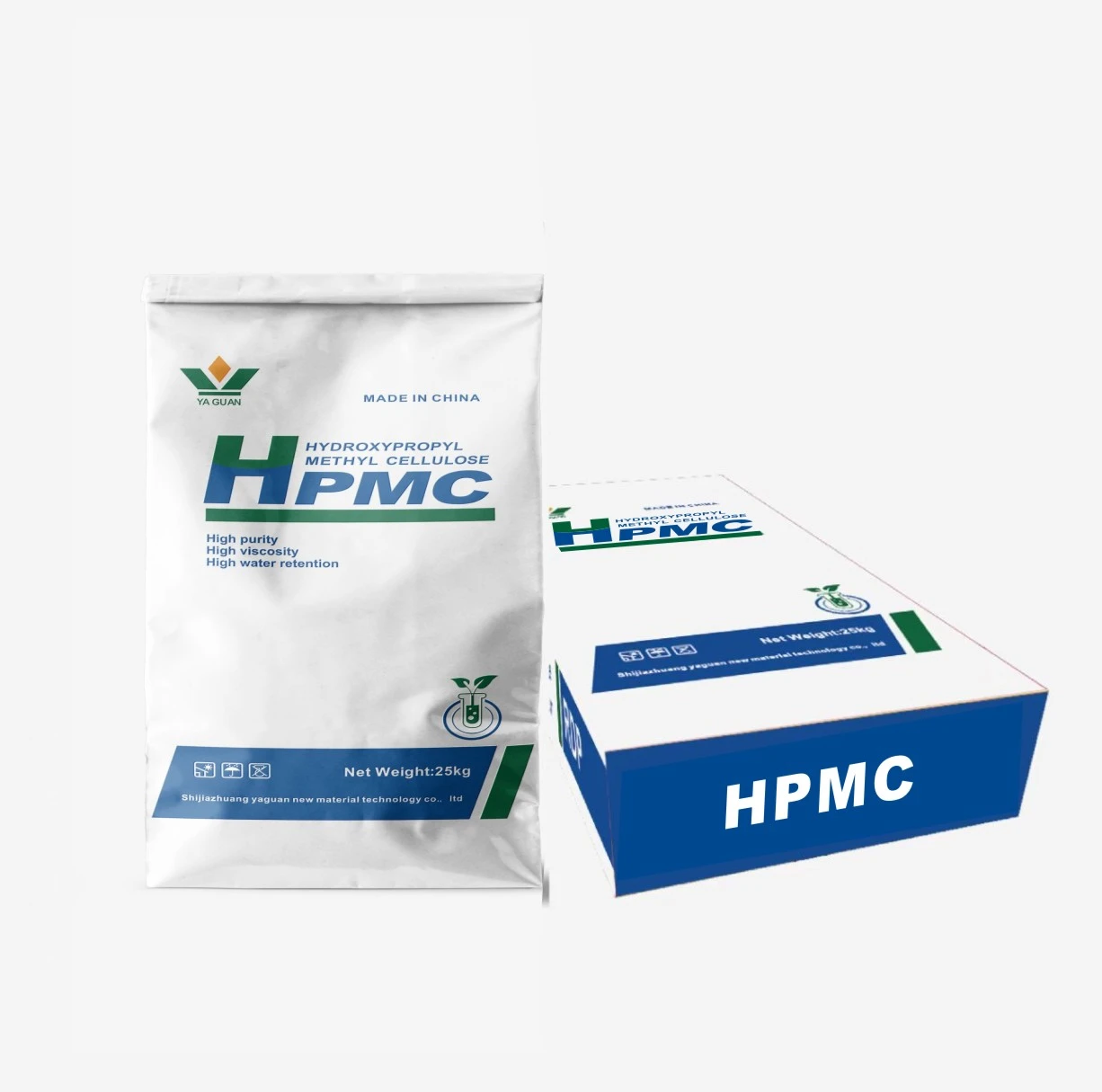

Unlocking the Potential of HPMC Polymer: Why It Matters Globally
Hydroxypropyl Methylcellulose, or HPMC polymer, might sound like a mouthful, but it’s quietly one of the unsung heroes in several industries worldwide. From construction to pharmaceuticals, this versatile polymer is helping solve problems that matter—be it improving sustainability, enhancing durability, or even addressing global housing shortages.
In fact, the global demand for cellulose derivatives like HPMC has been steadily on the rise, fueled by increasing urbanization and the pursuit of eco-friendly materials. It’s not just hype — according to industry reports, the cellulose ethers market was valued at over $2 billion in 2023 and is expected to grow at a solid 6% annually.
Mini takeaway: Understanding HPMC polymer isn’t just an academic exercise; it’s a glimpse into how materials science is quietly reshaping industries and influencing everyday lives worldwide.
The Global Context: Why HPMC Polymer Has Gained Industry Spotlight
Globally, governments and industries alike face pressure to reduce environmental footprints while maintaining product performance. The United Nations highlights sustainable material innovation as critical to achieving several SDGs, including responsible consumption and production.
HPMC polymer fits squarely into this challenge. It’s derived from cellulose, the most abundant natural polymer on Earth, yet its chemical modification imparts properties that conventional cellulose doesn’t offer—like water retention, film formation, and bonding. These features solve real-world challenges, especially in regions faced with water scarcity or infrastructure fragility.
For example, construction in emerging economies often battles with quality control and harsh climates. The inclusion of HPMC polymers in mortar mixtures improves workability and durability, effectively prolonging building life. Oddly enough, the same polymer also acts as a binder in medicines, ensuring controlled drug release—a nuanced reminder of how multifaceted this material can be.
Mini takeaway: From developing nations to industrial powerhouses, HPMC polymer’s adaptability makes it a key player in sustainable development goals.
What Exactly Is HPMC Polymer?
In simple terms, HPMC polymer is a chemical derivative of cellulose—think of it as cellulose’s smarter cousin. It’s made by chemically modifying cellulose to introduce hydroxypropyl and methyl groups. This modification gives the polymer unique properties like solubility in cold water and thickening behavior.
It’s used across multiple sectors: as a thickener in paints, a binder in tablets, a water-retention agent in cement, and even as a food additive. Its non-toxic, biodegradable, and non-allergenic nature makes it a favorite among manufacturers looking to balance performance and safety.
In humanitarian terms, HPMC polymer’s ability to improve building materials means better shelters and infrastructure in disaster-prone or resource-limited areas—a subtle but powerful role in preserving human dignity.
Key Factors That Make HPMC Polymer Stand Out
1. Durability and Water Retention
Many engineers say that HPMC significantly enhances the longevity of construction materials by improving adhesion and preventing rapid water evaporation during curing. This means stronger walls and fewer cracks—a boon especially in humid or arid climates.
2. Scalability and Versatility
The polymer’s chemical structure allows easy modification, making it suitable for diverse formulations—from fine cosmetic creams to heavy-duty industrial cements. This scalability means manufacturers can customize properties based on end-use.
3. Cost Efficiency
Though not the cheapest additive out there, HPMC polymer’s ability to reduce waste and increase material lifespan often leads to cost savings over the product’s lifecycle. In real terms, a little investment upfront saves headaches later.
4. Safety and Environmental Compatibility
Non-toxic and biodegradable, HPMC polymer complies with ISO standards related to food safety and environmental protection, making it fit for products consumed or used close to humans and the environment.
5. Ease of Handling and Processing
Manufacturers appreciate that HPMC dissolves easily in cold water and can be processed without harsh conditions, which lowers energy costs and simplifies production lines.
HPMC Polymer in Action: Real-World Applications
Let’s talk specifics. In construction, HPMC polymer is widely used as a water retention agent in dry mix mortars and plasters. This use is especially prevalent across Asia and Europe, where durability standards are increasingly demanding. In fact, many construction companies involved in post-disaster relief rely on premixed plasters containing HPMC for faster, more reliable construction.
Pharmaceuticals benefit from HPMC as a controlled-release agent and binder in sustained-release tablets. North American and European pharmaceutical giants often source high-purity HPMC polymers certified for medical use.
Cosmetics and personal care products integrate HPMC polymer as a thickener and stabilizer, prized for its texture-improving properties. Natural and "green" beauty brands particularly like it for being biodegradable.
Even paint manufacturers use HPMC polymers to improve viscosity and prevent sedimentation, ensuring a smoother finish and extending shelf life.
| Parameter | Unit | Typical Range | Notes |
|---|---|---|---|
| Appearance | - | White to off-white powder | Visual |
| Moisture Content | % | 5-7 | Affects handling |
| Viscosity (2% aqueous) | mPas | 1000-10,000 | Different grades available |
| pH (1% solution) | - | 5-8 | Near neutral |
| Substitution Degree (Methoxy) | - | 1.8-2.0 | Determines solubility |
Comparing Leading HPMC Polymer Vendors
| Supplier | Product Range | Global Reach | Special Features | Average Pricing |
|---|---|---|---|---|
| Supplier A | 10+ grades | Global (Europe, Asia, NA) | High purity, pharma-grade | $$$ |
| Supplier B | 5 grades | Asia & Europe | Eco-friendly process | $$ |
| Supplier C | 3 grades | North America | Customizable viscosity | $$$ |
Why Choose HPMC Polymer? The Advantages That Matter
- Cost-effectiveness: Reduced waste and longer product life mean fewer replacements and repairs.
- Sustainability: Derived from renewable cellulose, it supports green manufacturing and biodegradability.
- Reliability: Improves product consistency and durability, building trust among end users.
- Safety: Non-toxic and hypoallergenic, safe for humans and the environment.
In real terms, these aren’t just marketing buzzwords — they impact livelihoods, worker safety, and planetary health, which feels kind of important when you really think about it.
The Future Looks Bright for HPMC Polymer
Advancements in polymer chemistry and green processing techniques continually improve HPMC polymer’s performance and reduce environmental impact. Some companies are exploring bio-based alternatives and hybrid polymers to enhance biodegradability further.
Digital transformation in manufacturing — think IoT-enabled quality control — is also enabling more precise HPMC formulations tailored for specific industrial needs. Imagine a production line adjusting viscosity on the fly based on real-time data.
Ultimately, as policy pressures grow globally to decarbonize and minimize waste, HPMC polymer's combination of performance and sustainability positions it very well for long-term success.
Challenges & How Innovators Are Addressing Them
Of course, no material is perfect. HPMC polymer production can involve energy-intensive processes, and cost remains a factor compared to cheaper synthetic alternatives. Additionally, quality consistency can be tricky with natural cellulose sources.
Thankfully, new enzymatic treatments and process optimizations have reduced energy use and improved batch-to-batch consistency. Collaboration between suppliers, researchers, and end users fosters better formulations that meet both performance and economic goals.
Frequently Asked Questions About HPMC Polymer
Q1: What makes HPMC polymer preferable over traditional cellulose in construction?
A: HPMC polymer offers superior water retention, improved adhesion, and better workability in cementitious materials. These properties enhance durability and reduce cracking compared to using unmodified cellulose.
Q2: How long does HPMC-enhanced construction last in harsh conditions?
A: While longevity depends on many factors, structures using HPMC polymer additives in mortar have been reported to maintain integrity for decades, resisting moisture damage and surface degradation.
Q3: Is HPMC polymer environmentally friendly?
A: Yes. Derived from renewable cellulose and biodegradable, HPMC polymer is considered more sustainable than many synthetic polymers, although production impacts vary by manufacturer.
Q4: Can small manufacturers import HPMC polymer internationally?
A: Certainly. Many suppliers provide international shipping with various certifications. Careful selection based on quality and compliance is essential to ensure product suitability.
Final Thoughts: The Enduring Promise of HPMC Polymer
It’s easy to overlook polymers like HPMC in the grand scheme of global challenges, but in many ways, they quietly unlock solutions where they’re needed most. From safer medicines to stronger buildings and greener products, HPMC polymer embodies how smart science meets practical necessity.
If you’re curious to explore HPMC polymer tailored to your industry’s specific demands, visit our website hpmc polymer — there's a whole world of innovation waiting.
References:
1. Wikipedia: Hydroxypropyl methylcellulose
2. United Nations Sustainable Development Goals
3. ISO Standards on Biodegradable Materials