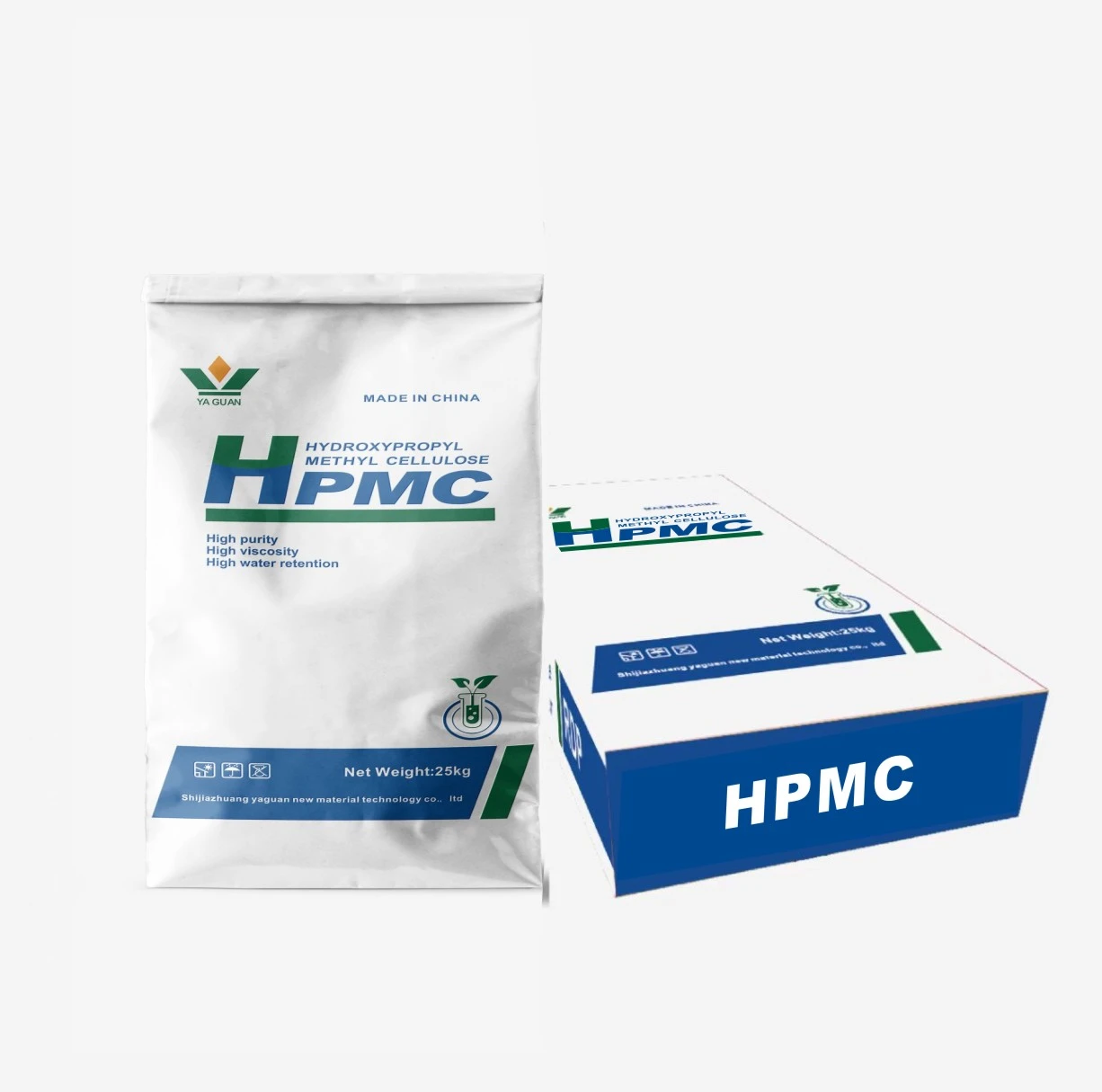

What Are HPMC Polymer Grades and Why Do They Matter?
If you’re in construction, pharmaceuticals, or even cosmetics, you’ve likely come across HPMC polymer grades — or Hydroxypropyl Methylcellulose in its full glory. But here’s the kicker: these materials aren’t just chemical jargon. They’re at the heart of tons of products we interact with daily, from plaster to eye drops. Understanding these grades is more than for chem nerds; it’s key for industries aiming for quality, performance, and sustainability worldwide.
Globally, the demand for specialized polymers like HPMC has soared, especially given their application in green construction, controlled drug delivery, and food technology. According to the United Nations Environmental Programme, sustainable materials are crucial as we push to meet the 2030 Sustainable Development Goals, particularly in responsible production and health.
Global Context: Why the Growth of HPMC Polymers?
Here’s a quick reality check: The World Bank estimates that the global construction sector alone will grow by roughly 3.5% annually through 2028, demanding more versatile, eco-friendly materials. At the same time, pharmaceutical manufacturing is rapidly expanding to meet increasing chronic and acute health needs. Both sectors lean on HPMC polymer grades to optimize product functionality and safety.
However, challenges emerge. Standard polymers sometimes fail when moisture resistance or viscosity control is critical. Different environments demand different “grades” of HPMC — each tailored for specific viscosity or purity levels. So, the industry’s push toward precision and innovation in hpmc polymer grades is not just forward-thinking; it’s a necessity.
Decoding HPMC Polymer Grades: What Are They Exactly?
In the plainest terms: HPMC is a cellulose-based polymer modified with hydroxypropyl and methyl groups, giving it unique water solubility and thickening properties. When we talk about "grades," we’re referring to the variations in molecular weight, viscosity, substitution levels, and purity. These differences impact how the HPMC behaves — say, in a cement mix or a tablet coating.
Industries rely heavily on these distinctions. For example, a high-viscosity grade in construction can improve cement workability and adhesion, while a pharmaceutical-grade HPMC ensures controlled release of a drug. It’s like having the same recipe but tweaking the ingredients to suit the meal.
Core Aspects of HPMC Polymer Grades
1. Viscosity and Molecular Weight
Viscosity is the “thickness” or flow characteristic of the polymer solution. Roughly, high-viscosity grades produce thicker gels, useful for sustained-release in pharma or water-retention in plasters. Molecular weight correlates closely here, affecting both performance and how easy it is to mix or process in manufacturing.
2. Degree of Substitution
This refers to how many hydroxyl groups on the cellulose backbone are replaced with hydroxypropyl or methyl groups. It influences solubility and thermal stability. A higher substitution generally means better resistance to chemicals or higher temperatures — which matters a lot in harsh environments.
3. Purity Standards
Especially important in food or pharmaceuticals, these ensure the polymer is free from contaminants or heavy metals. Grades must often comply with ISO or USP reference standards — so manufacturers can be confident their product is safe and consistent.
4. Solubility & Gel Formation
The way HPMC dissolves and forms gels depends on the grade — critical for applications like slow-release drugs or moisture barrier coatings in construction materials. Optimal solubility can enhance performance and durability, offering extended shelf life or longer structural integrity.
5. Application-Specific Characteristics
Some grades are tailor-made for specific industries — like high-purity pharmaceutical HPMC for tablets, or construction-grade polymers for tile adhesives and mortars. It’s not just about chemistry; it’s about meeting real-world needs effectively.
Specification Table of Selected HPMC Polymer Grades
| Grade | Viscosity (mPa·s) | Substitution (%) | Purity | Common Use |
|---|---|---|---|---|
| HPMC-100L | 100 - 200 | 18 - 20 | Pharma USP | Tablet coating |
| HPMC-400H | 360 - 440 | 19 - 21 | Construction Grade | Mortars & plasters |
| HPMC-20L | 18 - 24 | 17 - 19 | Food Grade | Food additives |
Real-World Impact: Applications across the Globe
To get a sense of scale, let’s zoom out for a second. The construction boom in Asia-Pacific — especially China and India — leans on HPMC polymers massively in tile adhesives, waterproofing, and lightweight plasters. Meanwhile, Europe’s pharmaceutical sector trusts high-purity HPMC for sustained-release meds that improve patient outcomes.
In post-disaster relief scenarios — say after an earthquake in Latin America — HPMC-containing fast-setting mortars help rebuild homes quickly and reliably, often in rough climates where traditional materials fail. Equally, food-grade HPMC finds its way into gluten-free baking products worldwide, improving texture and shelf life.
Vendor Comparison: Leading HPMC Suppliers (2024)
| Vendor | Primary Market | Grade Range | Compliance | Lead Time |
|---|---|---|---|---|
| Yaguan Chem | Asia-Pacific, Global | Wide (Pharma, Food, Construction) | USP, ISO, Food Safety | 2 weeks |
| Dow Chemical | North America, Europe | Focused Pharma & Construction | USP, GMP Certified | 1–3 weeks |
| Ashland Inc. | Europe, Latin America | Specialty Food & Pharma Grades | ISO, Food Safety | 3 weeks |
Advantages and Long-Term Value of HPMC Polymer Grades
There’s a reason the industry is betting heavily on these polymers. Beyond their technical roles — think viscosity stabilization or film-forming ability — there’s a broader sustainability story. HPMC is plant-based, biodegradable, and often sourced responsibly, aligning perfectly with an era that prizes eco-consciousness.
This translates to products that not only perform — like moisture-retentive mortars or stable pharmaceutical coatings — but also reduce waste and carbon footprint. Plus, end users trust these grades because they bring safety, consistency, and frankly, a bit of elegance to products that might otherwise be just “functional.”
Looking Forward: Trends Shaping HPMC Polymer Grades
Digitization is creeping its way into polymer manufacturing — with AI-driven formulations that predict the optimal grade mix for particular applications. Meanwhile, the green energy transition pressures producers to develop lower-energy synthesis processes.
We’re also starting to see novel HPMC derivatives with enhanced bioadhesion, targeting drug delivery and wound care markets. Another exciting frontier is hybrid polymers combining HPMC with nanomaterials for smarter, more durable building products. It feels like we’re on the cusp of a polymer renaissance...
Challenges and Forward Thinking
Of course, no material is perfect. Some hpmc polymer grades struggle with heat sensitivity or limited mechanical strength on their own. But advances in formulation and blending with fillers or co-polymers are smoothing those wrinkles.
Supply chain constraints, especially under fluctuating raw material pricing, remain a concern. Smart sourcing, regional manufacturing hubs, and closer vendor partnerships help mitigate disruptions.
FAQ: Your Top Questions About HPMC Polymer Grades
- Q1: What determines the best HPMC grade for construction use?
A: It depends on factors like desired viscosity, water retention, and thermal stability. Construction-grade HPMC often has higher viscosity and purity tailored for cement and plaster applications, enhancing workability and durability. - Q2: Can HPMC polymers be used in cold climates?
A: Yes, but you need to select grades with appropriate substitution to maintain solubility and flexibility at low temperatures. Some high-substitution grades offer better freeze-thaw resistance. - Q3: Are all HPMC polymer grades food safe?
A: No. Food-grade HPMC complies with strict standards and is free from harmful contaminants. Always check certificates like FDA approval or ISO 22000 to ensure compliance. - Q4: How can manufacturers ensure consistent quality across batches?
A: Choosing suppliers with ISO or USP certifications, along with robust quality control testing (viscosity, substitution, impurities), ensures batch-to-batch uniformity. - Q5: How do I source HPMC polymer internationally?
A: Many vendors, such as Yaguan, offer export services with compliance documentation. Partnering with experienced suppliers streamlines import permits and customs clearance.
Conclusion: Why Invest in the Right HPMC Polymer Grades?
Choosing the right hpmc polymer grades isn’t just a technical detail — it’s central to product success, sustainability ambitions, and meeting global market expectations. Whether you’re developing next-gen pharmaceuticals, advancing eco-friendly construction, or innovating in food tech, these polymers offer versatility and reliability that’s hard to beat.
Ready to explore the possibilities? Visit https://www.yaguanhpmc.com and discover a spectrum of high-quality HPMC polymers tailored to your unique needs.
Mini Takeaways
- HPMC polymer grades vary primarily by viscosity, substitution, and purity — catering to diverse industrial needs.
- They contribute significantly to sustainable development efforts globally.
- Choosing certified suppliers ensures product performance and safety.
- Emerging technologies promise smarter, greener, and more functional HPMC products ahead.
References
- Wikipedia - Hydroxypropyl Methylcellulose
- United Nations Sustainable Development Goals
- ISO Standards for Polymers